Water Leak in Wall Repair Cost in Texas From Leak Detection to Finished Drywall
A water leak inside a wall is four separate bills stacked on top of each other: finding the leak, fixing the pipe, drying the cavity, and rebuilding the drywall. A small supply-line drip caught within a day typically totals an estimated $500 to $2,000 for the entire job. A leak that ran undetected for weeks, soaked multiple rooms, and triggered mold growth inside the wall cavity can push total costs to 15,000 or more.
Hear Water in the Wall? Call (469) 548-7594 Fast Leak Response
(469) 548-7594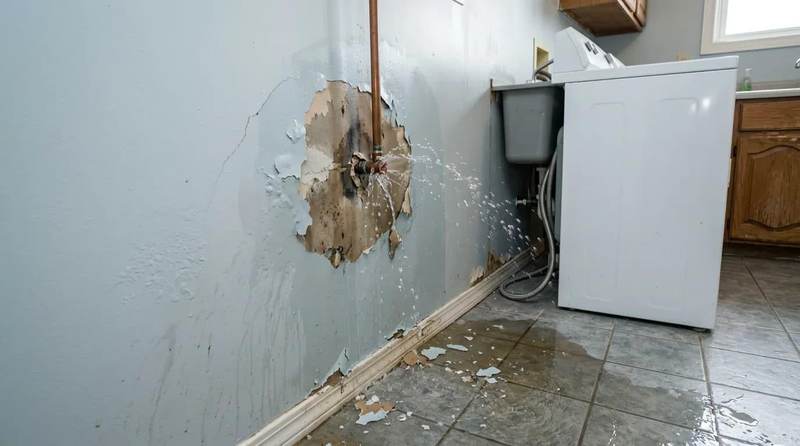
Wall Leak Repair Cost at a Glance
| Cost Component | Estimated Range | What It Covers |
|---|---|---|
| Leak detection | 500 | Moisture meters, thermal imaging, acoustic listening |
| Plumbing repair | 800+ | Opening wall, repairing or replacing pipe/fitting |
| Water damage drying | 2,500 | Extraction, insulation removal, cavity drying, antimicrobial |
| Drywall and finish | 1,500+ | New drywall, tape, texture match, primer, paint, baseboards |
| Mold remediation (if needed) | 6,000+ | Containment, removal, HEPA filtration, clearance testing |
| Typical total (small leak, caught early) | 2,000 | |
| Typical total (long-running with mold) | 15,000+ |
All figures are estimated averages for Texas homes, not quotes.
The Four Parts of a Wall Leak Repair Bill and Why Each One Matters
A wall leak repair is not one job. It is four distinct trades working in sequence: a leak detection specialist, a plumber, a water damage restoration crew, and a drywall finisher. Understanding each phase helps you avoid paying twice.
Part 1 Leak Detection (500)
Finding the exact location of a leak inside a sealed wall without cutting unnecessary holes requires specialized equipment:
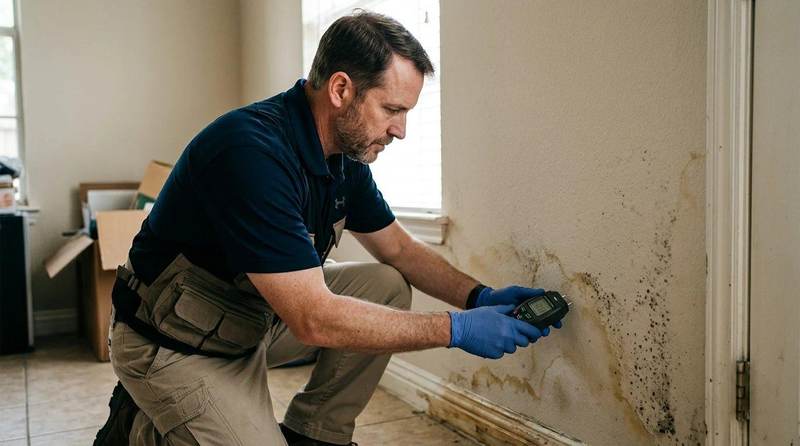
- Pin-type and pinless moisture meters detect elevated moisture content in drywall, studs, and insulation without cutting
- Infrared thermal cameras reveal temperature differentials where evaporating water cools the wall surface, showing the water trail from source to spread
- Acoustic listening equipment amplifies the sound of pressurized water escaping a pipe, pinpointing the location within inches
Some plumbers include basic leak detection in their service call. For complex leaks slab leaks, leaks behind tile, or leaks where water has traveled far from the source a dedicated leak detection service with thermal imaging and acoustic tools provides more precise results.
Accurate detection saves money by reducing exploratory demolition. One precise cut costs less than three wrong ones.
Part 2 Plumbing Repair (800+)
Once the leak is located, the plumber opens the wall at the exact point and repairs the pipe. The repair cost depends on:
- Access difficulty a leak behind a shower wall with tile, behind kitchen cabinets, or inside a two-story chase costs more than a leak in an open drywall section
- Pipe material copper sweating a new fitting is straightforward. Galvanized steel may require replacing an entire run. Polybutylene pipe (common in Texas homes built 1978-1995) often requires repiping the affected section with PEX or copper because spot repairs on failing poly pipe are temporary
- Leak type a pinhole in a supply line is a simpler fix than a failed shower valve body or a cracked drain fitting
The plumber patches the wall enough to test the repair but leaves it open for the restoration crew to dry the cavity.
Part 3 Water Damage Drying (2,500)
This is where the real cost decision happens. Skip professional drying and the wall grows mold inside the cavity within days turning a $400 drying job into a $5,000+ remediation and rebuild.
The restoration crew:
- Maps the moisture using meters and thermal cameras to trace how far water traveled: up the wall, along the floor plate, through the insulation, into adjacent rooms, down to the floor below
- Removes wet insulation fiberglass and cellulose insulation trap water and do not dry in place within a wall cavity. Wet insulation must come out.
- Performs flood cuts cutting water-damaged drywall horizontally 12-24 inches above the visible moisture line to expose the cavity for drying
- Sets up drying equipment structural drying with axial air movers pointed into the open cavity, LGR dehumidifiers (130-200 pints/day capacity), and sometimes wall cavity drying systems that inject dry air behind intact drywall sections
- Applies antimicrobial treatment to exposed framing and the slab or subfloor to prevent mold colonization during the drying period
- Takes daily moisture readings IICRC S500 standard requires documented psychrometric readings (temperature, relative humidity, dew point) and wood moisture content readings compared against dry reference areas. Drying typically takes 3-5 days.
Part 4 Drywall and Finish (1,500+)
Once the cavity is verified dry:
- New insulation is installed
- New drywall is cut, hung, taped, and mudded
- Texture is matched to the existing wall knockdown, orange peel, skip trowel, smooth, or popcorn ceiling texture
- The patch is primed and painted
- Baseboards, trim, and any affected flooring are replaced
Texture matching is the most skilled part of the drywall phase. A visible patch line where the new meets the old is the most common complaint. The best results come from feathering the texture wider than the patch and painting the entire wall to blend.
What Makes a Wall Leak Cost Explode the 8 Biggest Cost Drivers
- How long the leak ran. A drip for two months soaks studs, insulation, subfloor, and adjacent rooms. A drip caught in two days stays local.
- Mold. Once mold colonization begins (24-48 hours per EPA), the job transitions from drying to remediation: containment, HEPA air scrubbers, antimicrobial treatment, and often clearance testing by a separate licensed mold assessor (required by Texas law TDLR Chapter 1958 when 25+ contiguous sq ft are affected).
- Where the leak is. Behind tile showers: tile demolition and rebuild. Behind kitchen cabinets: cabinet removal and reinstallation. Inside a two-story plumbing chase: access from above and below.
- What pipe material leaked. Galvanized steel and polybutylene failures often indicate system-wide pipe deterioration, potentially requiring repiping beyond the leak point.
- How far water traveled. Water follows gravity and capillary paths through wall cavities. A second-floor bathroom leak can soak the ceiling below, the first-floor wall, and the floor underneath.
- Timing. Emergency calls on nights, weekends, and holidays can add premium charges for both plumbers and restoration crews.
- Wall finish complexity. Wallpaper, wood paneling, textured plaster, and decorative tile add demolition and replacement costs far above standard drywall.
- Insurance coordination. Working with a single coordinated team for drying and rebuild instead of separate vendors with separate scopes reduces total cost because the wall is opened once and closed once.
The Most Common Wall Leaks in Texas Homes and What Each One Costs
Shower Valve and Supply Line Leaks
The most common wall leak in Texas homes. Water escapes behind the shower wall from a worn valve body, a failed supply connection, or a cracked shower pan. You notice water damage signs on the wall outside the bathroom bubbling paint, soft drywall, swollen baseboards or on the floor next to the tub.
Access is the cost driver. If there is a closet or room behind the shower wall, the plumber opens the back side. If the leak is behind tile, tile demolition and replacement add 2,000+ to the total.
Washing Machine Supply Hose Bursts
Rubber washing machine supply hoses are the number one cause of catastrophic wall leaks in American homes. When a rubber hose bursts at full line pressure, water sprays at 40-80 PSI directly onto the wall behind the washer and floods the laundry room, hallway, and any room downhill.
Braided stainless steel hoses cost $15-25 per pair and virtually eliminate this failure. Replace rubber hoses every 5 years or upgrade to braided steel now.
Kitchen Sink Supply and Drain Leaks
Kitchen leaks hide behind and under cabinets. By the time water appears on the floor, it has often soaked the cabinet base, the wall behind the cabinet, and the flooring underneath. Removing and reinstalling cabinets during drying and repair adds significant cost.
Frozen Pipe Bursts in Exterior Walls
Winter storm pipe failures hit Texas hard during events like Winter Storm Uri (February 2021), when temperatures dropped below zero across the state. Supply lines in exterior walls, especially on north-facing walls without adequate insulation, freeze and split. When the ice thaws, water pours into the wall cavity at full line pressure.
Freeze damage often affects multiple walls and floors simultaneously, pushing total costs well above the typical single-leak range.
AC Condensate Line Failures
AC condensate leaks from clogged drain lines or cracked drain pans drip from closet-mounted air handlers into surrounding walls and ceilings. These leaks are slow but persistent they run every time the AC cycles, which in Texas summer means 12-18 hours per day. The damage often spreads for weeks before discovery.
How to Spot a Hidden Wall Leak Before It Gets Expensive
Early detection is the single biggest factor in keeping costs low. Watch for these signs of water damage in walls:
- Paint bubbling, peeling, or blistering on one section of wall
- Drywall that feels soft, spongy, or crumbles when pressed
- Baseboards that are swollen, warped, or pulling away from the wall
- Discoloration yellow, brown, or dark stains that grow over time
- Musty or earthy smell near one wall or corner
- Sound of running water when all fixtures are off
- Water meter spinning when nothing in the house is using water
- Higher-than-normal water bills with no change in usage
- Mold spots on the wall surface, especially at corners, baseboards, and near the ceiling
If you see any two of these signs on the same wall, shut off the main water supply and call for leak detection immediately.
What to Do When You Find a Leak Inside Your Wall
- Shut off the water at the fixture valve or the main supply at the meter.
- Turn off power to outlets near the wet area from a dry location at the breaker panel.
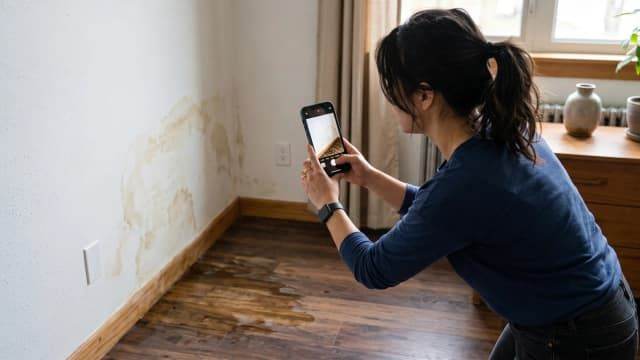
- Photograph everything the stained wall, the wet floor, the water meter, any visible mold, damaged belongings.
- Move furniture and belongings away from the wet wall.
- Do not paint over or seal the wall. Paint traps moisture and accelerates mold growth inside the cavity.
- Call a plumber to find and fix the pipe, and a restoration crew for water extraction and drying.
Insurance Coverage for Wall Leak Damage in Texas
Most Texas HO-A and HO-B homeowners policies cover:
- Sudden, accidental discharge a supply line burst, a valve failure, a hose rupture
- Resulting water damage wet drywall, damaged flooring, destroyed insulation, mold that developed from the covered event
- Tear-out and access some policies cover reasonable costs to open and close the wall to reach the leak ("access coverage")
Most Texas policies exclude:
- The plumbing repair itself the pipe, fitting, or valve that failed
- Gradual, long-term leaks damage from a drip you should have detected and repaired. This is the most common denial.
- Maintenance failures corroded pipes, worn hoses, deferred repairs
- Flood and surface water requires a separate NFIP flood policy
The key to a successful claim: document everything from the moment you discover the leak. Photograph the source, the damage, and the meter. Keep moisture logs from the restoration crew. Report the loss to your carrier within 24 hours. For estimated restoration costs by damage type, see our cost guide.
Ways to Keep Wall Leak Repair Costs Down
- Catch leaks early. Check your water meter monthly a meter that moves with all fixtures off means a hidden leak.
- Know your shutoff valves. Main shutoff at the meter, fixture valves under every sink, behind every toilet, at the washing machine box.
- Replace rubber supply hoses with braided stainless steel at washers, dishwashers, refrigerator ice makers, and toilets.
- Add leak sensors under sinks, behind the washer, near the water heater, and at the AC drain pan. Smart sensors that alert your phone and shut off the water automatically provide the best protection.
- Use one coordinated team for drying and rebuild so the wall is opened once and closed once.
- Ask your water utility about a leak adjustment on your water bill after the repair.
Wall Leak Repair Questions Texas Homeowners Ask
How much does it cost to fix a water leak in a wall in Texas?
For a small supply-line leak caught early, estimated total cost (detection + plumbing + drying + drywall) runs 2,000. Long-running leaks with mold or multi-room spread can reach 15,000+. The biggest variable is how long the leak ran before discovery.
How do I know if there is a pipe leaking inside my wall?
Look for bubbling paint, soft drywall, swollen baseboards, musty smell, stains that grow, and a water meter that spins with all fixtures off. Any two of these on the same wall justify a professional leak detection call.
Can I fix a wall leak myself?
You can shut off the water and cut exploratory drywall. But pipe repairs inside wall cavities require a licensed plumber, and drying requires moisture meters and commercial dehumidifiers to verify the cavity is dry before closing the wall. DIY drying is the most common cause of mold behind rebuilt walls.
How long does it take to dry a wall after a leak?
Typically 3-5 days with professional equipment once the leak is fixed, wet insulation is removed, and air movers and LGR dehumidifiers are running. Longer if the leak ran for weeks or if multiple walls are involved.
Do I have to replace drywall after a water leak?
Not always. Firm drywall wet with clean water and dried within 48 hours can often stay. Soft, moldy, or contaminated drywall must be replaced. A flood cut removing only the lower section saves the upper portion when only the bottom got wet.
Wall Leak Damage Across Texas Regional Patterns
Wall leaks follow regional patterns tied to pipe materials, water chemistry, and climate:
- North Texas (DFW): Freeze breaks in exterior walls, aging copper, polybutylene failures in 1980s-90s homes. Cities: Van Alstyne, Howe, Pilot Point, Princeton
- Houston area: High humidity accelerates mold behind wet walls. Cities: Pinehurst, Splendora, Crosby, New Caney
- Central Texas: Hard water (200+ mg/L calcium carbonate) wears copper fittings faster. Cities: Jarrell, Bertram, Little River-Academy
- San Antonio area: Older homes with galvanized and copper supply lines. Cities: Adkins, Castroville, Devine
One Leak, One Team, One Open-and-Close
The cheapest wall leak repair is the one where the wall is opened once, dried completely, and closed once. Our local crews coordinate with your plumber or bring our own. We detect the spread, extract the water, dry the cavity with daily readings, and rebuild the drywall with matched texture and paint so the wall looks like nothing happened.
See our burst pipe water damage service and our emergency water damage response.
Call (469) 548-7594 24/7 Wall Leak Response Across Texas
More Texas Water Damage Guides
Practical, no-pressure guides written for Texas homeowners.
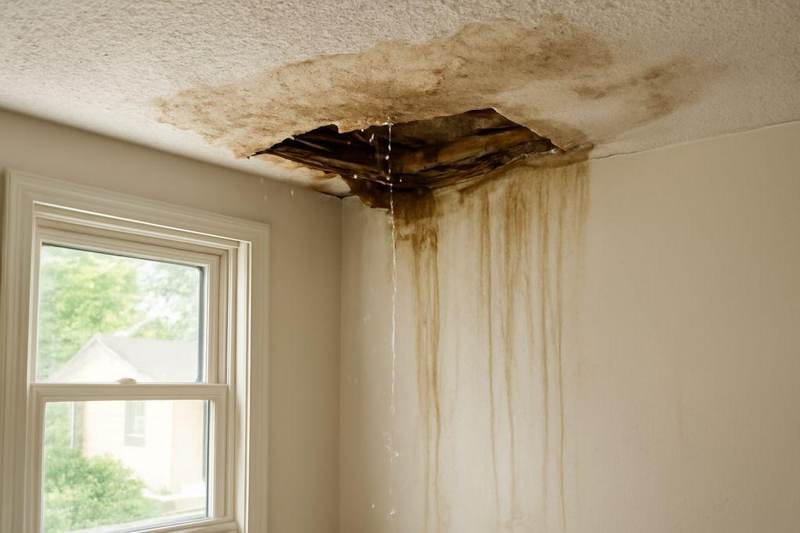
AC Leaking Water in Your Texas Home: 7 Causes, What to Do Now, and How to Stop the Damage (2026)
Read the guide →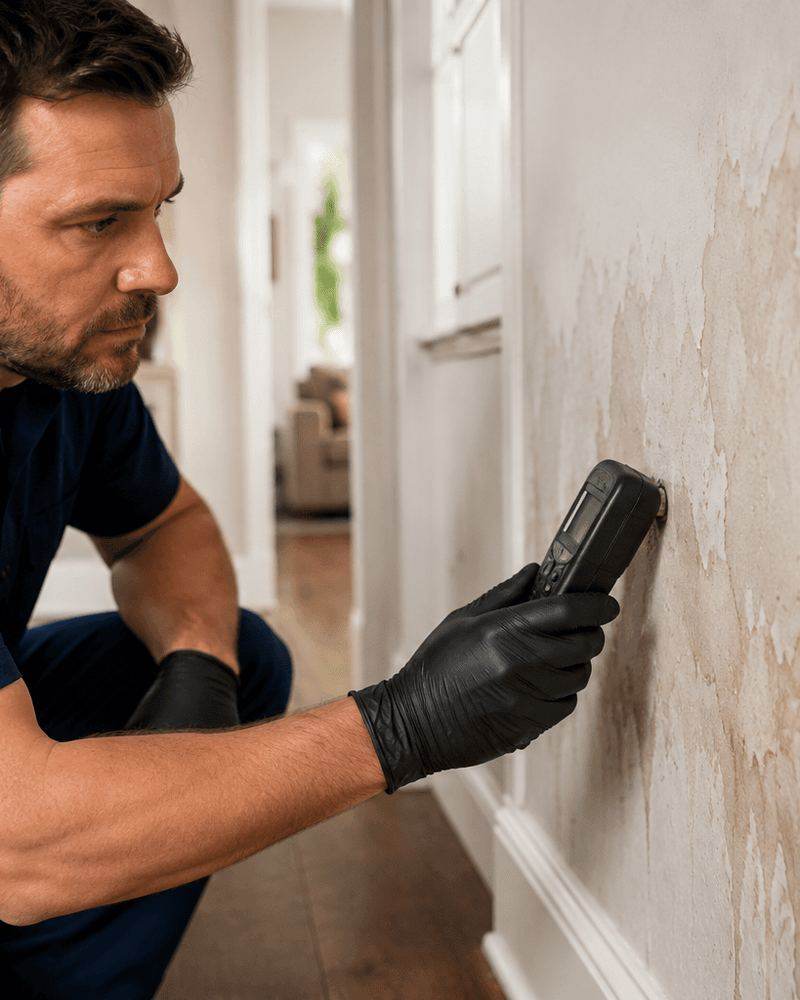
Drywall Water Damage: When to Dry It in Place and When to Replace It
Read the guide →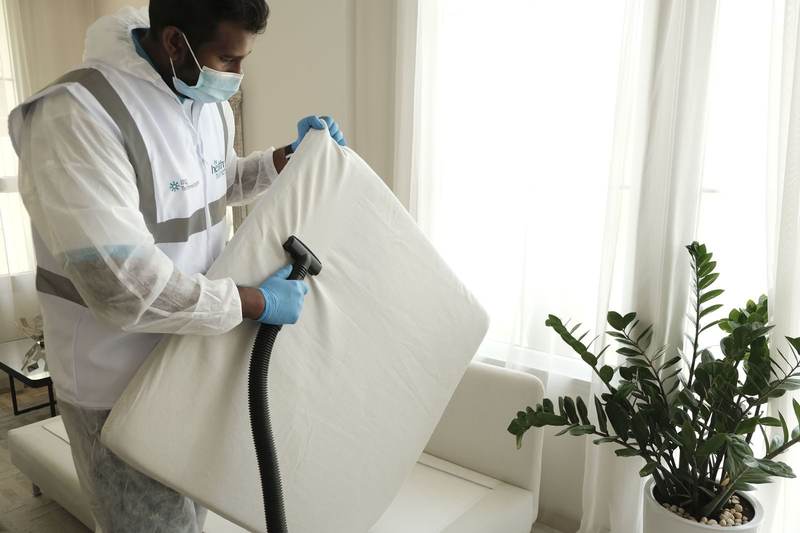
DIY vs Professional Flood Cleanup in Texas: When to Handle It Yourself and When You Need a Crew (2026 Honest Guide)
Read the guide →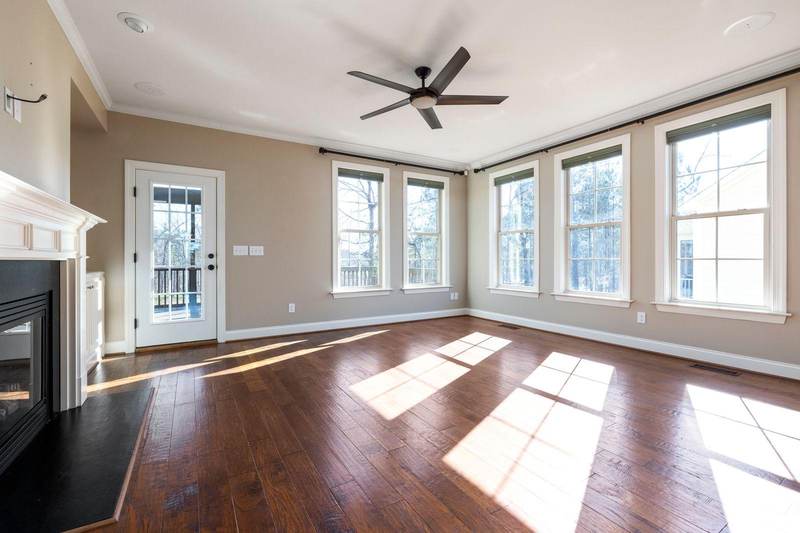
Hardwood Floor Water Damage: Save Cupped Floors or Replace? Texas Drying Guide (2026)
Read the guide →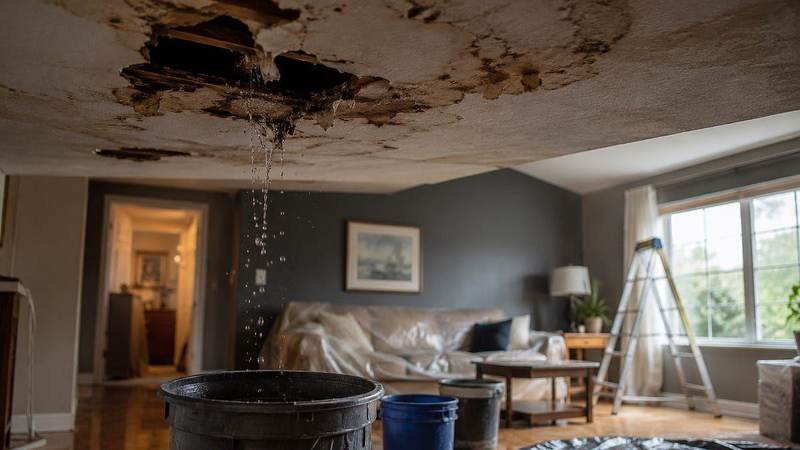
Leak Detection Cost in Texas: 2026 Estimated Ranges
Read the guide →Mold Inspection vs Mold Testing in Texas: What You Need
Read the guide →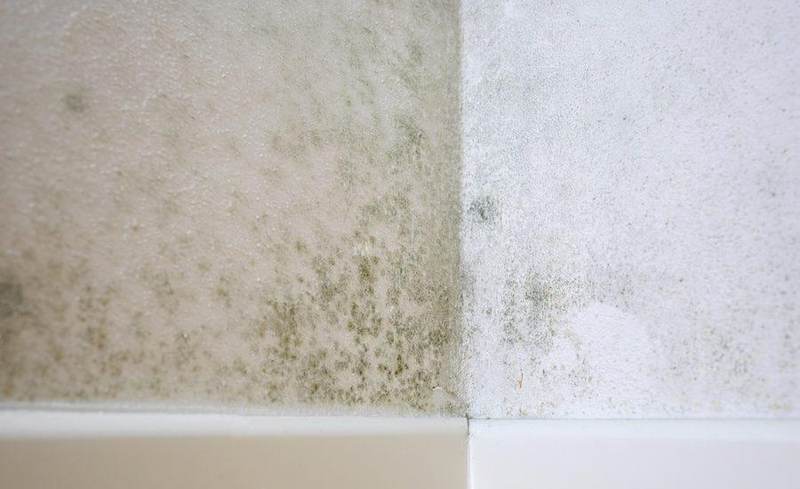
9 Signs of Water Damage in Walls: What Texas Homeowners Should Check Before Mold Spreads (2026)
Read the guide →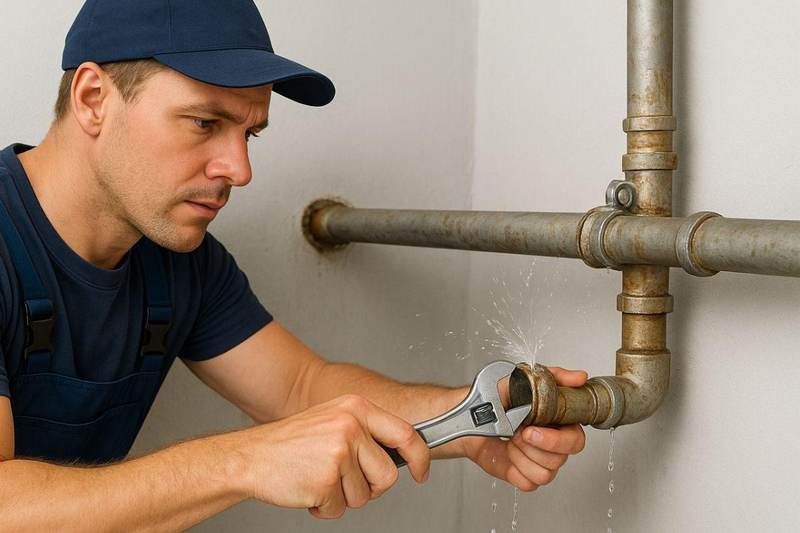
Slab Leak Repair in Dallas-Fort Worth: Signs, Causes and Options
Read the guide →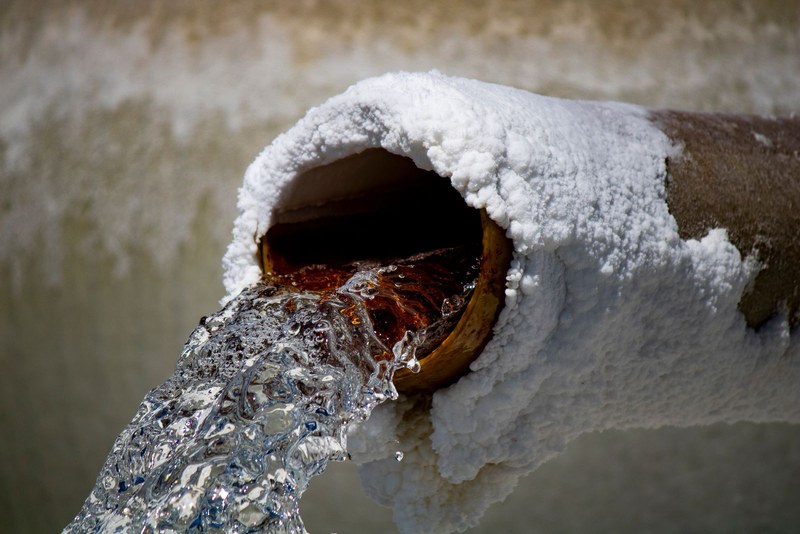
Texas Winter Storm Frozen and Burst Pipes: Prevention, Response and Water Damage Guide (2026)
Read the guide →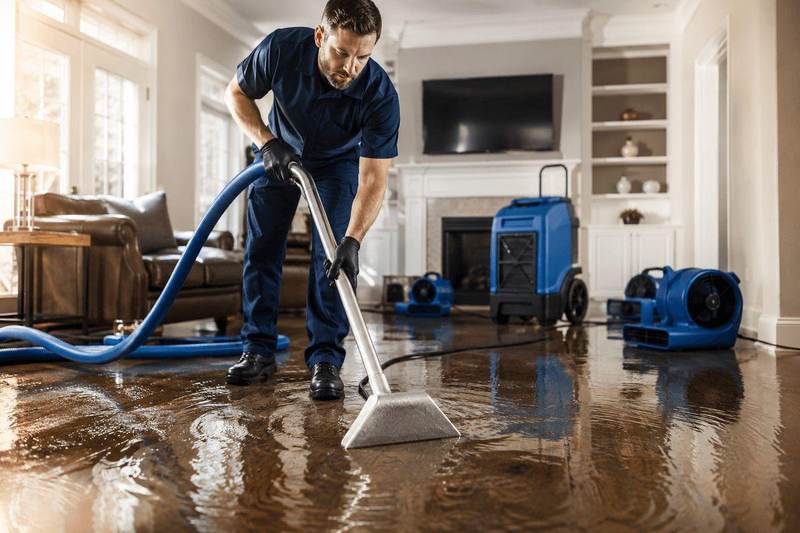
Water Damage Restoration Cost in Texas (2026 Estimates)
Read the guide →
Water Heater Leaking? What to Do Right Now Before 50 Gallons Ruin Your Texas Home (2026)
Read the guide →