Drywall Water Damage: Save It or Replace It? A Texas Homeowner’s Guide
Wet drywall can often be saved if the water was clean, the board is still firm, there is no mold, and professional drying starts within 24 to 48 hours. Replace it when the board is soft, sagging or crumbling, when the water was gray or black, when mold is visible, or when the insulation behind it is soaked. A moisture meter decides not a guess.
Wet walls or a stained ceiling? Call (469) 548-7594 for a free moisture check
(469) 548-7594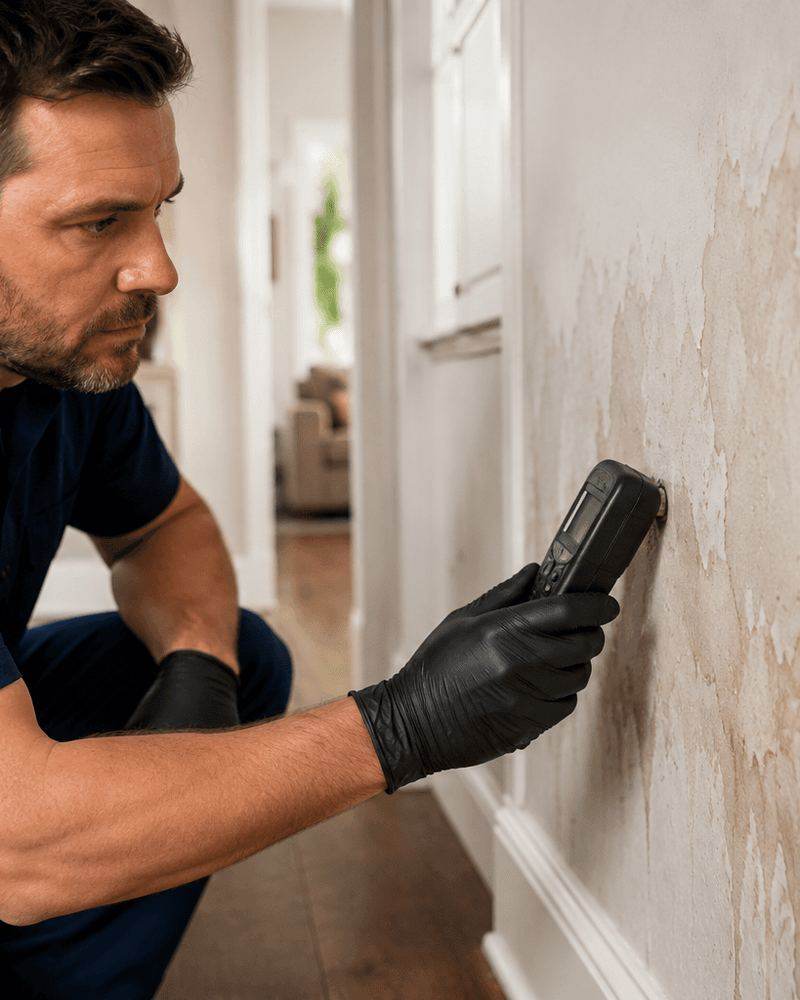
Drywall Water Damage at a Glance
| Detail | What to Know |
|---|---|
| Material | Gypsum core wrapped in paper facing |
| Absorbs water | Yes gypsum acts like a sponge and wicks upward |
| Mold risk | Colonization within 24 to 48 hours on wet paper facing (EPA) |
| Save threshold | Clean water, firm board, no mold, drying within 48 hours |
| Replace threshold | Soft or sagging board, gray or black water, mold present |
| Flood cut | Straight cut above highest wet reading, usually 2 or 4 feet |
| Typical drying time | 3 to 5 days with professional equipment |
| Repair cost range | See water damage restoration cost estimates |
Why Drywall and Water Are a Dangerous Combination
Drywall is a gypsum core pressed between two sheets of paper. Gypsum is a mineral that absorbs water readily a section of drywall exposed to standing water or a steady leak pulls moisture in like a sponge. The paper facing that wraps the gypsum is cellulose, and cellulose is food for mold once it is wet.
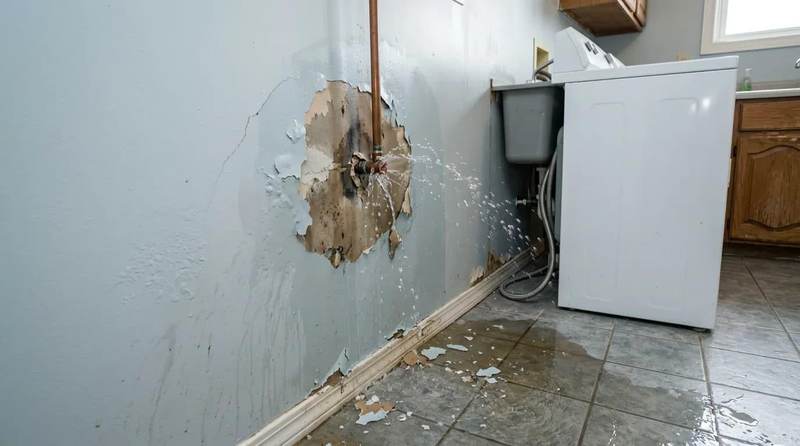
What makes drywall damage deceptive is capillary action. Water wicks upward through drywall, meaning a puddle on the floor from a burst pipe or a supply line leak inside a wall will wet the wall a foot or more above the visible waterline. The stain you can see on the outside almost never shows the full extent of the damage on the inside.
In Texas, heat and humidity accelerate the problem. The EPA notes that mold can begin colonizing wet building materials within 24 to 48 hours. On the back side of drywall inside the wall cavity where there is no airflow mold can grow without any visible sign on the painted surface. A musty smell may be the only clue. By the time the visible signs of water damage appear on the paint, the problem behind the wall is often well established.
This is why moisture meters and thermal cameras are not optional. A wall that looks dry on the surface can be thoroughly wet inside, and closing the wall without verifying dry readings traps moisture that feeds mold for months.
Save or Replace The Decision That Determines Everything
The save-or-replace decision comes down to four factors: water category, board condition, mold presence and how long the wall has been wet.
Clean Water Caught Fast Usually Saveable
Category 1 clean water from a supply line, ice maker, faucet or fresh roof leak gives you the best odds. If the drywall was exposed to clean water for less than 48 hours, the board is still firm when you press on it, the paper facing is not delaminating, and no mold is visible or smelled, professional structural drying can save the wall in place.
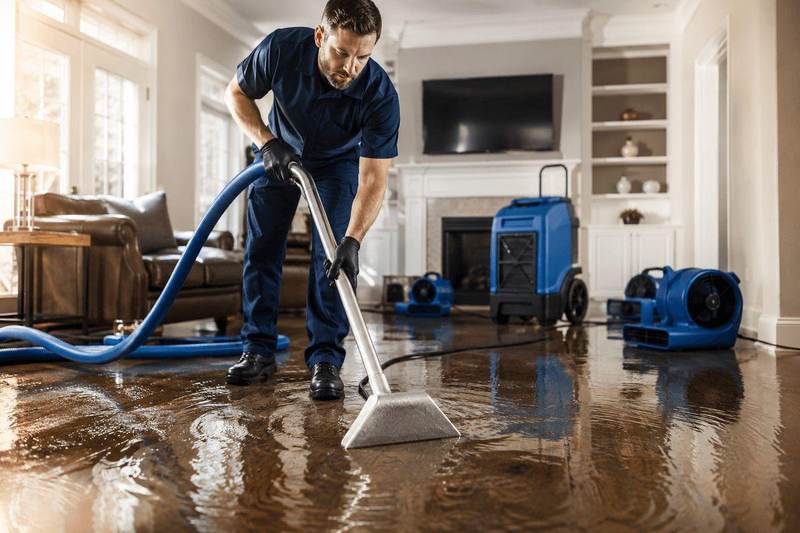
The key word is professional. Opening windows and running a box fan does not dry a wall cavity. Commercial LGR dehumidifiers pulling 130 to 200 pints of water per day and directed airflow into the wall cavity are what move moisture out of gypsum and framing lumber to acceptable levels in three to five days.
Gray Water Sometimes Saveable With Cleaning
Category 2 gray water comes from washing machines, dishwashers and toilet overflows without feces. It carries chemical and biological contaminants that make the decision harder. Upper wall sections that stayed dry can often be saved. Lower sections that were submerged in gray water especially the bottom 12 to 24 inches are usually cut and replaced because the paper facing absorbed contaminated water that cannot be fully cleaned.
Black Water Always Replace
Category 3 black water from sewer backups, flooding or creek and street water carries bacteria, viruses and parasites. Under the IICRC S500 standard, porous materials that contact black water must be removed. There is no drying protocol that makes sewage-contaminated drywall safe. The contaminated section is cut out above the highest wet reading, insulation behind it is removed, and the wall cavity is disinfected before new materials go in.
Board Condition The Physical Test
Press the wall firmly with your hand. Drywall that has absorbed too much water becomes soft, spongy, swollen or crumbly. The gypsum core loses its structural integrity and cannot be restored by drying. If it feels soft, it gets replaced. If it is still firm and the paper facing is intact, drying can save it.
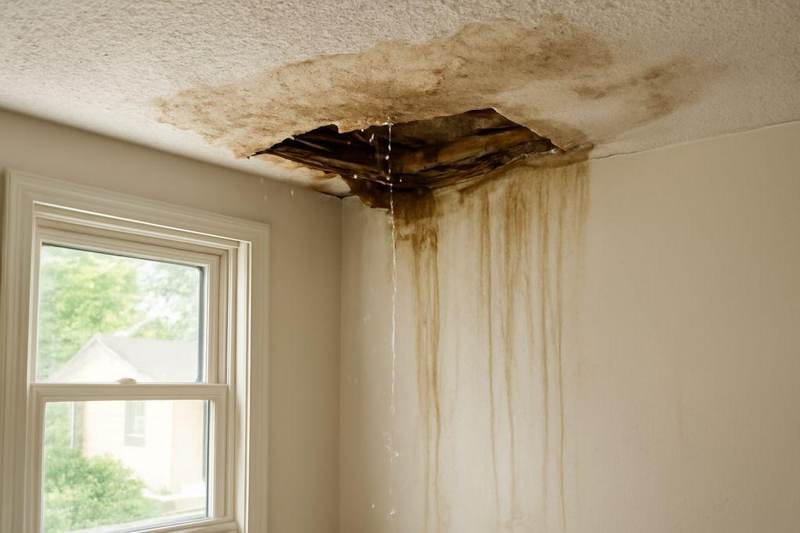
Ceiling drywall is held up by gravity working against it. Wet ceiling drywall sags under its own weight and can fall without warning. Sagging ceiling drywall is always replaced never attempt to dry it in place. Stay out from under a sagging wet ceiling until it is removed.
Mold The Deciding Factor When Everything Else Is Borderline
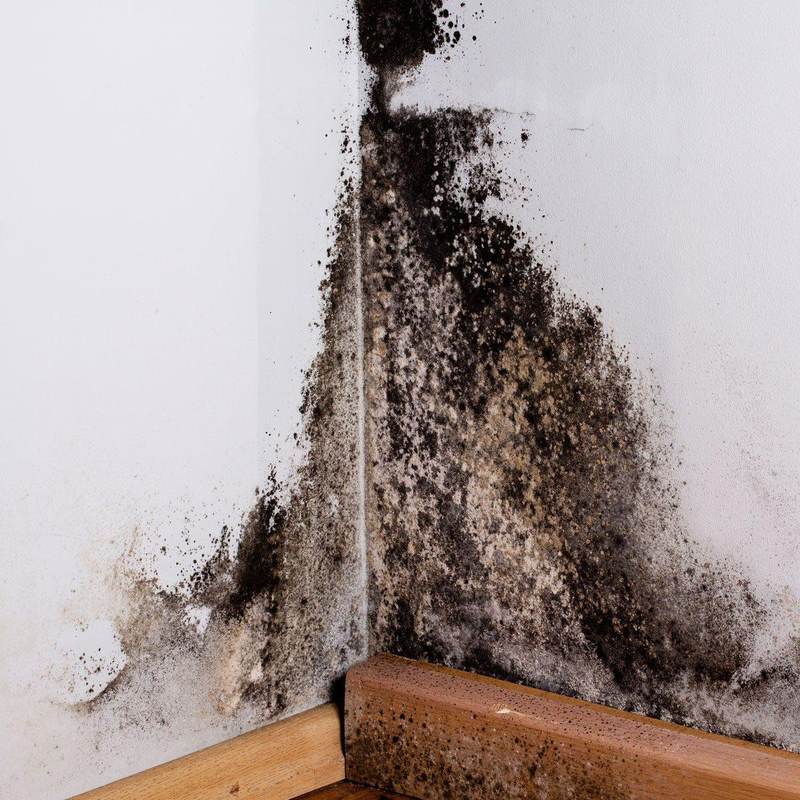
Visible mold growth, dark discoloration on the back side of the drywall (visible through an outlet or behind a baseboard), or a musty smell from the wall cavity means the drywall comes out. Mold has penetrated the paper facing and often the gypsum itself. No amount of surface cleaning removes mold that has colonized inside drywall.
In Texas, under TDLR Chapter 1958, mold remediation on 25 contiguous square feet or more requires a licensed mold assessor and a separate licensed remediator. This adds time and cost to the job, which is why stopping mold before it starts by drying fast with professional equipment is always cheaper than dealing with it later.
What a Flood Cut Is and How It Protects Your Home
When drywall must be removed, restoration crews make a flood cut: a straight, level horizontal cut across the wall above the highest wet reading. The cut height is determined by moisture meter readings, not by the visible stain, because water wicks higher than it looks.
Standard flood cut heights are 2 feet or 4 feet, chosen to align with the 4-by-8-foot drywall sheets used in construction. This makes the rebuild clean and efficient a 2-foot cut means a 2-foot replacement piece fits without cutting, and texture and paint matching is easier on a straight horizontal seam.
Everything below the cut comes out: the drywall, the insulation, and any contaminated baseboard or trim. This opens the wall cavity so the studs, bottom plate and slab or subfloor can be inspected, cleaned, treated with antimicrobial if necessary, and fully dried before new materials close the wall.
What a flood cut reveals often changes the scope of the job. Hidden mold on framing, corroded plumbing, slab leak evidence or rodent damage behind the wall are common findings. A crew that skips the flood cut and tries to dry contaminated drywall in place hides these problems and creates conditions for mold to spread.
How Professionals Dry Drywall That Can Be Saved
Professional structural drying of walls follows a precise, measured process. No part of it involves guessing or waiting to see what happens.
- Map the damage. Moisture meters and infrared thermal cameras map exactly how far the water traveled inside every wall. The thermal camera shows temperature differences caused by evaporative cooling wet areas appear cooler. Pin meters and pinless meters confirm moisture content in the drywall and the framing behind it.
- Pull the baseboards. Baseboards trap moisture at the bottom of the wall where it is wettest. Removing them exposes the bottom edge of the drywall and the wall cavity behind it to airflow.
- Open the wall cavity. Small weep holes are drilled behind the baseboard line, or wall-cavity drying systems are installed that inject warm, dry air directly into the wall cavity. Some systems use injection ports every 16 inches along the stud bays to reach every cavity individually.
- Set drying equipment. High-velocity air movers are aimed along the wall surface to accelerate evaporation from the face of the drywall. Commercial LGR dehumidifiers pull moisture out of the room air so it is not reabsorbed. The combination of directed airflow and aggressive dehumidification is what dries a wall in days instead of weeks.
- Treat with antimicrobial. Where needed especially after gray water or in humid conditions antimicrobial is applied to accessible surfaces to inhibit mold growth during the drying period.
- Measure every day. Moisture readings are taken daily and logged. Drying continues until the wall matches dry reference readings from an unaffected wall in the same home. This is the standard that determines when the wall is actually dry, not how it looks or feels.
- Patch and finish. Weep holes are patched, baseboards reinstalled, and touch-up paint applied. The wall is whole again with no visible sign of the repair.
Most clean-water walls dry in three to five days with proper equipment. Without it inside a sealed wall cavity with no airflow and no dehumidification the same wall can stay wet for weeks and grow mold.
A wall can look dry and still be wet inside. Call (469) 548-7594 and get it measured.
Ceiling Drywall Why It Is Always More Urgent Than a Wall
Water from an attic AC condensate leak, a roof leak after a hail storm, or an upstairs bathroom lands on top of the ceiling drywall and the insulation above it. That creates a uniquely dangerous situation.
Wet insulation sits directly on top of the ceiling drywall, holding water against it like a wet blanket. The drywall absorbs the water, gets heavy, and begins to sag. A saturated sheet of half-inch drywall on a standard 4-by-8 panel can weigh over 100 pounds when fully soaked. It can fall without warning, and the insulation and trapped water come down with it.
If a water bubble forms in the ceiling paint, you can carefully poke a small hole at its lowest point and drain it into a bucket, standing to the side not directly underneath. This relieves the weight, but the drywall still needs professional evaluation.
Sagging ceiling drywall almost always needs replacing. The gypsum core loses its bond with the paper facing under prolonged moisture and weight, and no amount of drying restores the structural integrity needed to hold a panel overhead.
Common causes of ceiling water damage in Texas homes include clogged AC condensate drain pans (one of the most frequent sources of water damage in Texas summers), roof leaks after hail storms, burst supply lines in the attic, and upstairs plumbing failures that send water through the subfloor into the ceiling below.
Signs That Drywall Is Wet Behind the Paint
Water damage inside a wall does not always announce itself with a dramatic leak. Many Texas homeowners discover hidden wall moisture only when secondary damage mold, odor, structural softening forces the issue. These warning signs indicate water damage behind the surface:
- Yellow or brown water stain rings on walls or ceilings. The ring marks where water evaporated and left mineral deposits behind. Fresh stains are darker; old ones fade to yellow.
- Bubbling, blistering or peeling paint. Moisture behind the paint film breaks the bond between paint and drywall paper.
- Soft spots when you press the wall. Gypsum that has absorbed water feels spongy or gives under finger pressure.
- Swollen, warped or split baseboards. Baseboards absorb water wicking down the wall from inside the cavity.
- A musty smell that is stronger near the wall, especially in closets, under sinks, or near plumbing penetrations in the wall.
- Cool spots compared with the rest of the wall surface. Evaporative cooling makes wet areas noticeably cooler to the touch.
- Buckling or cupping of hardwood floors near the base of the wall, caused by moisture wicking from the wall to the floor.
If you see any of these, check behind a baseboard or behind an outlet cover plate. Water staining, discoloration or white mineral deposits on the back of the drywall confirms that moisture is or was present. A moisture meter removes all guesswork.
Mistakes That Turn a Small Drywall Job Into a Big One
Every one of these mistakes is common, and every one makes the damage and the repair cost worse.
Painting over a stain before the wall is dry. The stain returns within weeks, and mold grows behind the new paint layer in the sealed-in moisture. A stain-blocking primer works only after the wall is fully dry to verified readings.
Using fans only, without dehumidifiers. Fans move moist air around the room. Without commercial dehumidifiers to pull that moisture out of the air, the water just moves from the wall to the room air and back. Proper drying requires both airflow and dehumidification working together.
Leaving wet insulation inside the wall. Fiberglass and cellulose insulation hold water for weeks inside a wall cavity. Wet insulation pressed against drywall and framing keeps them wet long after the original water source is fixed. In nearly every case, wet insulation must come out before the wall can dry.
Closing the wall too early. Installing new drywall over studs and framing that have not been verified dry by moisture meter readings traps residual moisture. Mold grows on the back side of the new drywall within weeks invisible until it produces a smell or health symptoms. Every professional restoration job includes daily moisture verification before closeout.
Ignoring what is behind cabinets. Kitchen and bathroom cabinets hide drywall that is just as vulnerable as any other wall. A leaking supply line or slow drain behind a cabinet can wet the drywall for weeks before anyone notices. When water damage is found near plumbing, pull cabinets forward to check.
Waiting to see if it dries on its own. In a sealed wall cavity with no airflow, drywall does not dry on its own in any reasonable timeframe. It grows mold. The cost of drying a wall within the first 24 to 48 hours is a fraction of the cost of mold remediation and wall replacement after weeks of neglect.
Estimated Drywall Repair Costs in Texas
These are estimated averages for Texas homes, not quotes. The actual cost depends on water category, area affected, texture matching and whether mold remediation is needed.
| Repair | Estimated Range |
|---|---|
| Drying a wall in place, one room | A few hundred to roughly $1,500, depending on equipment days |
| Small drywall patch, a few square feet | Often a few hundred dollars including texture and paint |
| Flood cut and replacement, one room | Often $1,000 to $3,000 with insulation, texture and paint |
| Ceiling section replacement | Varies with size and texture; often more than a wall section |
| Multiple rooms after a flood | Often several thousand dollars or more |
| Mold remediation if delayed | Adds $1,500 to $7,000+ depending on area see mold remediation costs |
Texture matching is a hidden cost driver in Texas homes. Orange peel and knockdown textures are standard across DFW, Houston, Austin and San Antonio, and matching existing texture on a repair requires skill and sometimes custom mixing. Paint matching on older walls often requires repainting the full wall for a seamless look.
For the complete picture, see the full water damage restoration cost guide and the water leak in wall repair cost breakdown.
Drywall Water Damage Across Texas
- DFW and North Texas. Slab leaks and burst pipes during winter freezes wet the bottom of interior walls. Winter Storm Uri in February 2021 caused burst-pipe damage in hundreds of thousands of Texas homes.
- Houston and the Gulf Coast. Flooding sends contaminated water into ground-floor walls that require flood cuts. Persistent humidity slows drying and accelerates mold.
- Austin and Central Texas. Flash floods and AC condensate leaks are the primary causes, with clay soil contributing to foundation-related plumbing failures.
- San Antonio and the Hill Country. Flash flooding along rivers and heavy seasonal rains drive wall damage in older and historic homes.
- East Texas. High year-round humidity and pier-and-beam homes with crawl space moisture push water upward into walls and subfloor.
Texas Homeowners Ask About Wet Drywall
Can water-damaged drywall be saved?
Often yes if the water was Category 1 clean water, the board is still firm and structurally sound, there is no visible mold or musty smell, and professional structural drying starts within 24 to 48 hours. Soft, moldy, sagging or sewage-contaminated drywall should always be replaced.
How long does wet drywall take to dry with professional equipment?
With commercial LGR dehumidifiers and directed airflow into the wall cavity, most clean-water walls reach verified dry readings in three to five days. Without professional equipment, drywall inside a sealed wall cavity can stay wet for weeks and grow mold before it ever dries.
How high should drywall be cut after water damage?
Above the highest wet reading on a moisture meter commonly 2 feet or 4 feet to align with standard drywall sheet dimensions. The cut height is determined by moisture data, not by where the visible stain ends, because water wicks higher than the stain shows.
Do I need to replace insulation behind wet drywall?
Usually yes. Fiberglass and blown cellulose insulation absorb and hold water for weeks inside a wall cavity. Wet insulation pressed against framing and drywall prevents both from drying and accelerates mold growth. Removing it is usually necessary for the wall to dry within the timeframe that prevents mold.
Will a water stain on drywall go away on its own?
No. Once the wall is fully dry to verified moisture readings, a stain-blocking primer such as Kilz or Zinsser and a coat of matching paint can cover the stain permanently. Painting before the wall is dry seals moisture in and allows mold to grow behind the fresh paint.
Measure Before You Decide Numbers Tell the Truth
The right call on water-damaged drywall depends on moisture readings, not on how the wall looks from the outside. A wall that appears fine can be saturated inside the cavity. A stain that looks terrible can be bone dry and need nothing more than primer and paint. Professional water damage restoration crews use pin meters, pinless meters and infrared thermal imaging to map every wet wall, dry what can be saved, replace what cannot, and verify the numbers before a single piece of new drywall goes up. Learn more about the full restoration process from extraction to rebuild.
Call (469) 548-7594 24-hour moisture checks and drywall drying across Texas
More Texas Water Damage Guides
Practical, no-pressure guides written for Texas homeowners.