Signs of Water Damage in Walls: 9 Things Every Texas Homeowner Should Check Before It Gets Worse
Water damage inside walls is the most expensive kind because you cannot see it until the wall tells you something is wrong. By the time paint bubbles, drywall softens or baseboards swell, the moisture behind that wall has been there long enough to start rotting framing, corroding fasteners and feeding mold colonies that spread through the entire cavity.
Suspicious Wall Stain or Musty Smell? Call (469) 548-7594 We Find Hidden Moisture Fast
(469) 548-7594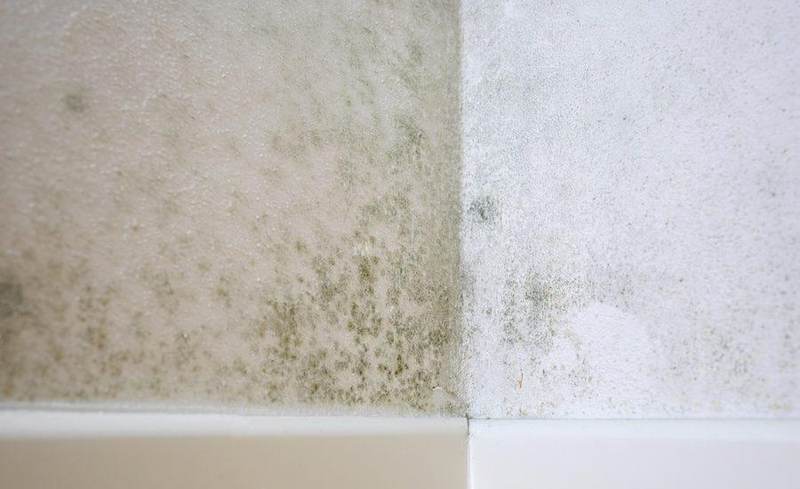
Wall Water Damage at a Glance
| Detail | What to Know |
|---|---|
| Most common sources | Plumbing leaks inside wall cavities, roof leaks traveling down, AC condensate, slab leaks wicking up |
| Why walls hide damage | Texas slab foundations push plumbing into walls and attics, not basements |
| Mold timeline | 24-48 hours on wet drywall and wood framing at Texas temperatures |
| Mold threshold | 25 contiguous sq ft in Texas requires licensed assessor + separate remediator |
| DIY detection tool | Pin-type or pinless moisture meter (60 at hardware stores) |
| Professional detection | Infrared thermal imaging + penetrating moisture meters |
| Insurance note | Sudden leaks usually covered; gradual or maintenance-related leaks often denied |
| Worst-case scenario | Months-long hidden leak → structural framing rot + widespread mold behind closed walls |
Why Water Hides Inside Texas Walls Longer Than You Think
Texas homes are built differently from homes in the Midwest or Northeast. Most sit on concrete slab foundations with no basement. That pushes all the plumbing supply lines, drain lines, vent stacks into the walls and attic instead of below the floor.
Slab Foundations Mean Plumbing Is in Your Walls
In a home with a basement, a burst pipe floods the basement first you see it immediately. In a Texas slab home, a supply line leak inside a wall cavity has nowhere to go but sideways along the bottom plate, up through drywall via capillary action, and down into the slab edge. The visible signs on the wall surface appear days or weeks after the leak starts.
Attic Plumbing and AC Units Leak Downward Through Walls
Many Texas homes have water supply lines and the air handler in the attic. When a fitting fails or the AC condensate overflows, water drops onto ceiling insulation and travels down wall top plates into wall cavities. The moisture enters the wall from the top a direction drywall is not designed to resist.
Storm Damage Enters From Outside
Wind-driven rain during a Texas hail storm or thunderstorm can penetrate damaged siding, window flashing or weep holes. The water enters the wall cavity from the exterior, soaks insulation and saturates the backside of interior drywall. You may not see a stain for days.
The 9 Signs That Water Is Damaging Your Walls Right Now
Sign 1 Water Stains: Yellow, Brown or Ring-Shaped Marks
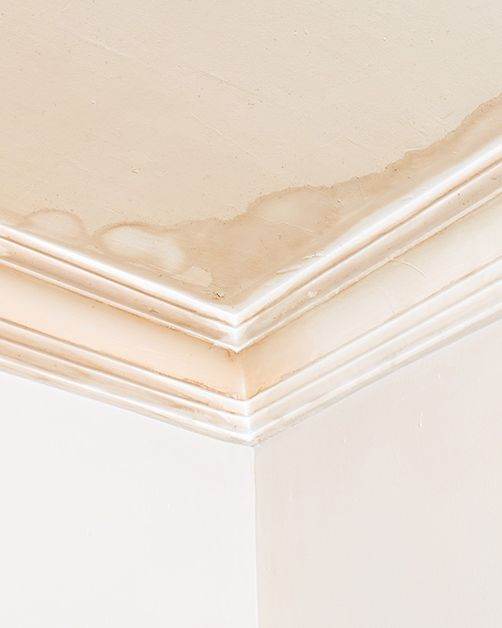
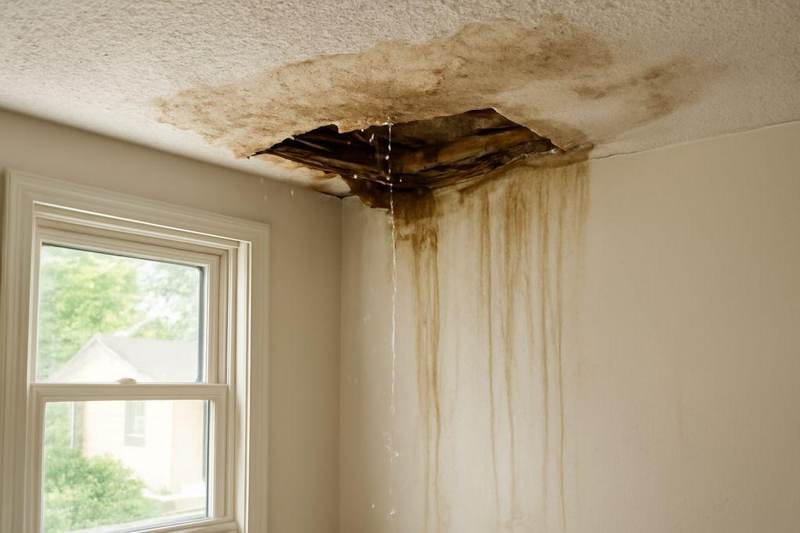
A yellow or brown stain on a wall is dissolved minerals from water that soaked through drywall and evaporated on the surface. Ring-shaped stains show the outer edge of a wet zone that expanded and contracted. A stain that keeps growing means the leak is still active. A stain that stays the same size may mean the leak stopped, but the damage behind the wall may not have dried.
Do not paint over a water stain without investigating. Paint seals moisture inside the wall cavity and accelerates mold growth behind the fresh coat.
Sign 2 Bubbling, Peeling or Flaking Paint
Moisture behind drywall breaks the bond between the paint film and the wall surface. Bubbles form where water pressure pushes the paint outward. Peeling or flaking follows. This is more advanced than a stain it means the drywall surface is saturated enough to reject its own finish.
Sign 3 Soft or Spongy Drywall
Press the wall gently with your thumb. Healthy drywall feels solid. Wet drywall feels soft, spongy or gives under light pressure. If your thumb can push into the surface, the drywall core is saturated and will need to be cut out. Drywall that has been wet and dried can feel chalky or crumbly.
Sign 4 Swollen, Warped or Separating Baseboards
MDF and composite baseboards absorb water from the bottom up. They swell, warp, pull away from the wall and may develop a soft, puffy texture. Even solid wood baseboards cup and separate when moisture wicks up from a wet bottom plate. Swollen baseboards along one section of wall are a strong indicator of a slab leak or supply line leak at the base of the wall.
Sign 5 Musty or Earthy Smell
A persistent musty smell near a specific wall, especially in a bathroom, kitchen, laundry room or hallway, means organic material is wet and decomposing or mold is already growing. The smell is strongest in enclosed spaces like closets and cabinet interiors. If you smell it after being away from the house and it fades as you get used to it, the source is real. Trust your nose the first time you walk in.
Sign 6 Visible Mold on or Near the Wall Surface
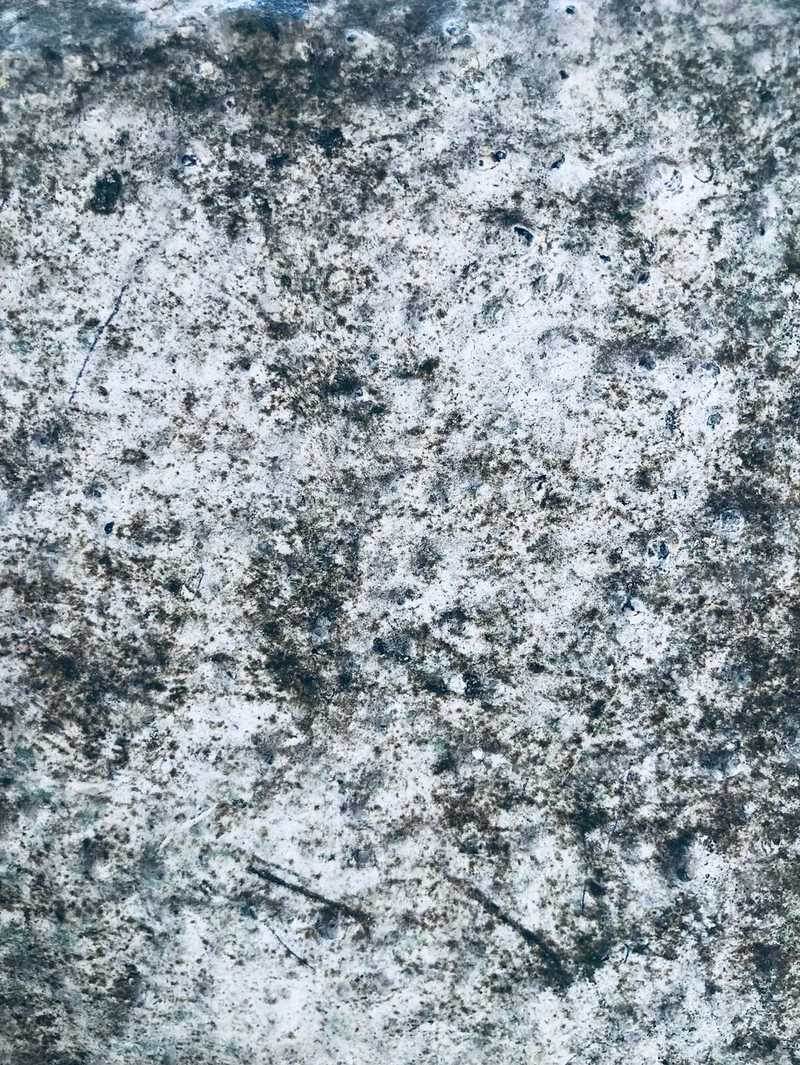
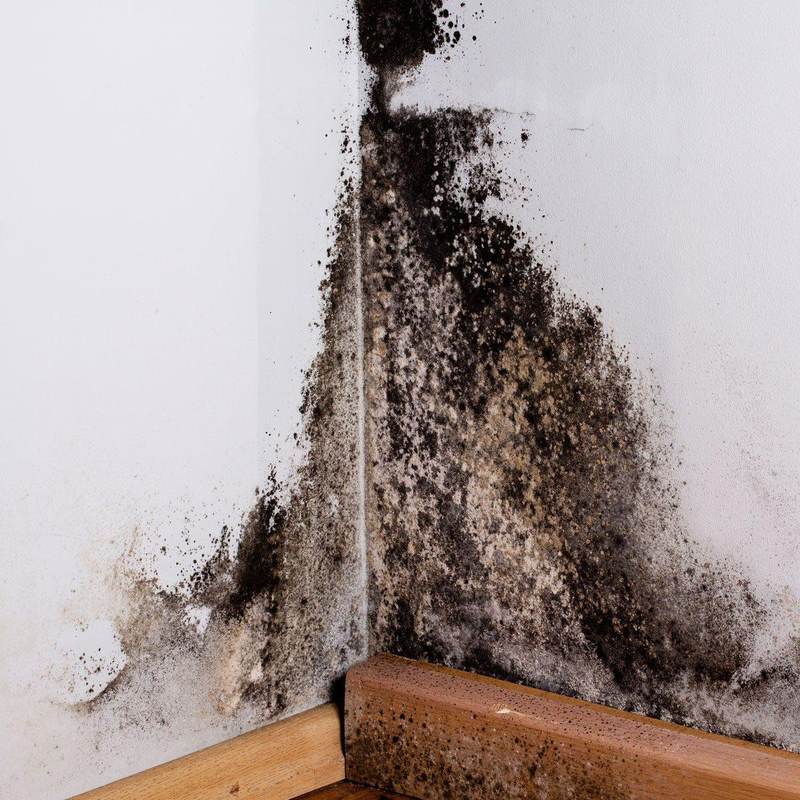
Black, green, gray or white spots on the wall surface, along baseboards or in corners signal active mold colonies feeding on wet drywall or framing. Surface mold is almost always the visible edge of a larger colony behind the wall. Do not scrub it with bleach and assume the problem is solved bleach does not penetrate drywall and does not kill roots embedded in the material.
If the visible area exceeds 25 contiguous square feet, Texas law requires a licensed mold assessor and a separate licensed remediator. See our full mold remediation service page.
Sign 7 Cracks in Drywall That Were Not There Before
Water weakens the drywall core and the tape joints between sheets. New cracks appearing along seams, corners or around door and window frames can indicate moisture damage especially if they appear alongside other signs on this list. In Texas, new drywall cracks can also signal foundation movement from drought-related soil shrinkage, which often accompanies or causes pipe leaks.
Sign 8 Wall Feels Cool or Damp to the Touch
A section of wall that feels noticeably cooler than the surrounding area contains moisture. Water in the wall cavity conducts heat differently than dry insulation and drywall. You can detect this by placing the back of your hand flat on the wall and sliding it across the surface. A distinct cool zone on an interior wall, especially one with plumbing behind it, deserves a moisture meter check.
Sign 9 Unexplained Jump in Your Water Bill
A supply line leak inside a wall runs 24 hours a day. Even a slow drip adds up. If your water bill increased with no change in usage, check your water meter. Turn off every fixture and appliance in the house. If the meter is still moving, you have a leak. A professional leak detection survey can pinpoint the location.
How to Test a Wall for Water Damage Yourself
The Moisture Meter Test
A pin-type or pinless moisture meter costs $30 to $60 at a hardware store. Press it against the wall surface and take readings at several heights: near the floor, at waist height and near the ceiling. Compare the readings to the same wall in a room you know is dry. A reading significantly higher than the dry reference means moisture is present.
Check these spots first:
- Both sides of bathroom and kitchen walls
- Walls that back up to the water heater or AC closet
- The wall behind the washing machine
- Walls on the windward side of the house after storms
- Base of walls near exterior doors and windows
- Any wall where you see a sign from the list above
The Visual and Touch Test
Run the back of your hand along the wall at baseboard height. Feel for cool spots, dampness or soft areas. Look behind furniture and inside closets that share walls with bathrooms or kitchens. Pull back carpet along the baseboard edge and check for damp or discolored pad.
When a Moisture Meter Is Not Enough
A homeowner's moisture meter confirms moisture in the drywall surface, but it cannot tell you what is behind the wall, how far the damage extends, or where the water is coming from. Professional water damage assessment uses infrared thermal imaging, which shows temperature differences across the entire wall surface in real time, and penetrating moisture meters that read through drywall into the framing behind it.
Common Causes of Water Damage in Texas Walls
Supply Line Leaks
Copper and CPVC supply lines in wall cavities corrode, develop pinhole leaks, or fail at joints. The leak runs 24/7 because the supply line is always under pressure. Even a slow drip saturates the bottom plate, insulation and drywall over weeks. See our guide to wall leak repair costs.
Drain and Vent Line Leaks
Drain lines leak at joints, especially where PVC meets old cast iron in remodeled Texas homes. Unlike supply leaks, drain leaks are intermittent they only leak when water flows through the drain. This makes them harder to detect with a meter test. The smell is often the first clue.
Slab Leaks Wicking Up
On Texas slab foundations, a leaking supply or drain line under the slab sends water to the slab surface, where it wicks up through the bottom plate and into the wall cavity. The damage appears as wet or swollen baseboards, damp carpet along the wall and efflorescence (white mineral deposits) on the lower wall surface.
Roof and Exterior Leaks Traveling Down
A roof leak from hail damage or a window flashing failure can send water down through wall cavities. The stain appears far from the actual entry point because water follows framing members, wiring and plumbing downward.
Condensation Inside Wall Cavities
In humid Texas months, warm moist air that enters a wall cavity through electrical outlets, plumbing penetrations or attic connections can condense on cooler surfaces inside the wall. This is most common on north-facing exterior walls and walls adjacent to heavily air-conditioned spaces.
What to Do When You Find Water Damage in a Wall
- Find and stop the source. If it is a supply line, shut off the water to that fixture or the main valve. If it is an AC leak, turn off the system. If it is a roof leak, contain the drip and call a roofer.
- Document everything. Photograph the wall damage, water stains, swollen baseboards and any mold. Take wide shots and close-ups. Note the date.
- Do not open the wall yourself unless you know what is behind it. Electrical wiring, supply lines under pressure and gas lines may be in the cavity.
- Move furniture and belongings away from the wet wall. Water wicks outward along the floor and upward through adjacent materials.
- Call for professional assessment. A water damage restoration crew uses infrared cameras and penetrating meters to map the full extent of hidden moisture before any demolition.
- Do not paint, patch or cover the damage. Sealing moisture inside the wall accelerates mold growth and structural deterioration.
Questions Texas Homeowners Ask About Wet Walls
Can water damage in walls cause mold?
Yes. Mold colonizes wet drywall, wood framing and insulation within 24 to 48 hours at Texas summer temperatures. Wall cavities are dark, still and humid ideal for Aspergillus, Penicillium and Cladosporium. Learn about the mold remediation timeline and what mold remediation costs in Texas.
How do I know if water damage in my wall is old or new?
Old stains are typically dry, faded to a pale yellow and have hard edges. New or active stains are darker, feel damp to the touch and may have soft or expanding edges. A moisture meter confirms whether the wall is currently wet.
Will my insurance pay for water damage inside walls?
Most Texas homeowners policies cover sudden and accidental water damage a burst pipe, a failed supply line, an appliance malfunction. Gradual leaks that result from lack of maintenance, or leaks the insurer determines you should have noticed and addressed, are often denied. File promptly and document thoroughly.
Can I dry a wet wall without opening it?
Sometimes, if the moisture is recent and limited. A professional crew can use wall-cavity drying systems that inject dry air through small holes, drying the cavity without removing the drywall. But if the insulation is wet, if mold has started, or if the bottom plate is saturated, the lower section of drywall must be cut out for proper drying. See our structural drying process.
How much does it cost to repair water damage in walls?
It depends on the source, the extent of hidden damage and how long the leak ran. A small, recent leak caught quickly may need only drying and a paint touch-up. A long-running hidden leak can require drywall removal, framing repair, mold remediation and full reconstruction. See our water damage restoration cost guide and wall leak repair cost breakdown.
Texas Communities Where We Find Hidden Wall Damage Every Week
Hidden wall leaks are one of the most common calls we respond to across Texas. Our crews bring infrared cameras and penetrating meters to homes in Katy, Humble, Rockwall, Wylie, Georgetown, Kyle, Canyon Lake, New Caney, Splendora, Southlake and throughout our full service area.
A Wet Wall Does Not Dry Itself Especially in Texas Humidity
Texas outdoor humidity regularly exceeds 70%. A wall cavity exposed to that air dries at a fraction of the speed it would in a dry climate. Without active drying LGR dehumidifiers, commercial air movers and cavity drying systems the moisture stays trapped, framing deteriorates and mold spreads. Our local crews map every hidden wet surface, extract water from every material that holds it, and run drying equipment until meter readings confirm the wall is dry. We log every reading for your insurance file.
Call (469) 548-7594 24/7 Hidden Water Damage Assessment
More Texas Water Damage Guides
Practical, no-pressure guides written for Texas homeowners.
AC Leaking Water in Your Texas Home: 7 Causes, What to Do Now, and How to Stop the Damage (2026)
Read the guide →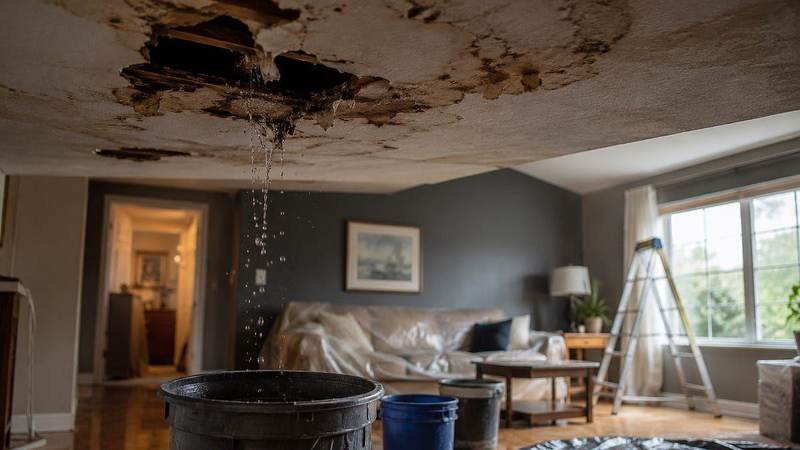
Leak Detection Cost in Texas: 2026 Estimated Ranges
Read the guide →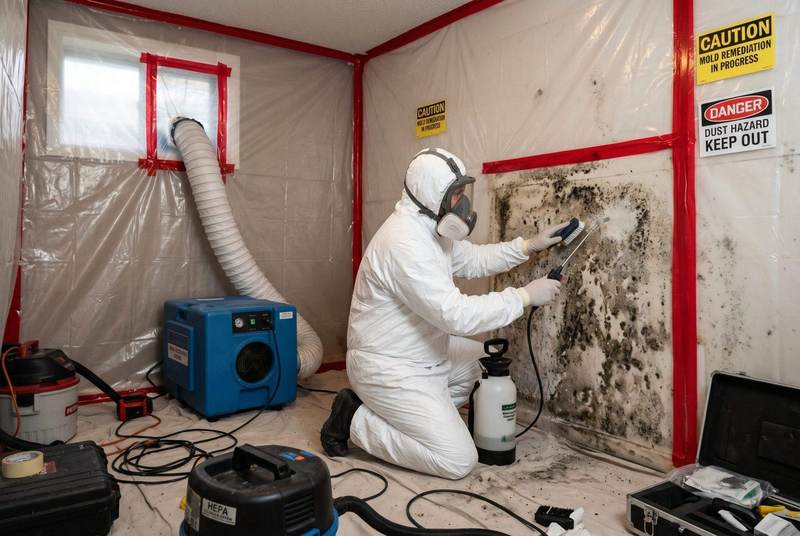
Mold Remediation Cost in Texas: 2026 Estimated Ranges by Job Size
Read the guide →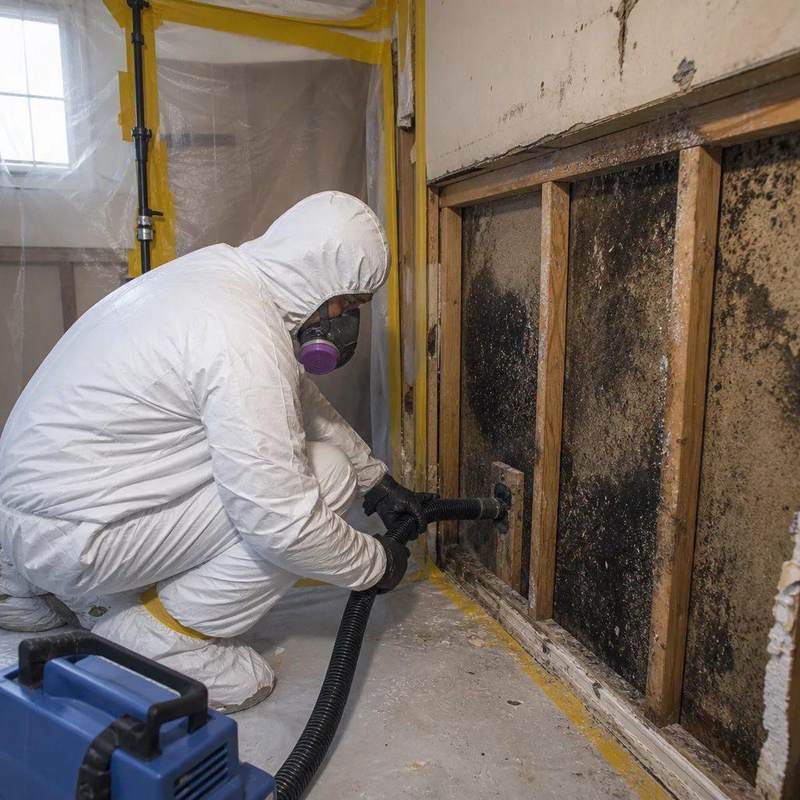
Mold Remediation Timeline: How Long Does It Take in Texas?
Read the guide →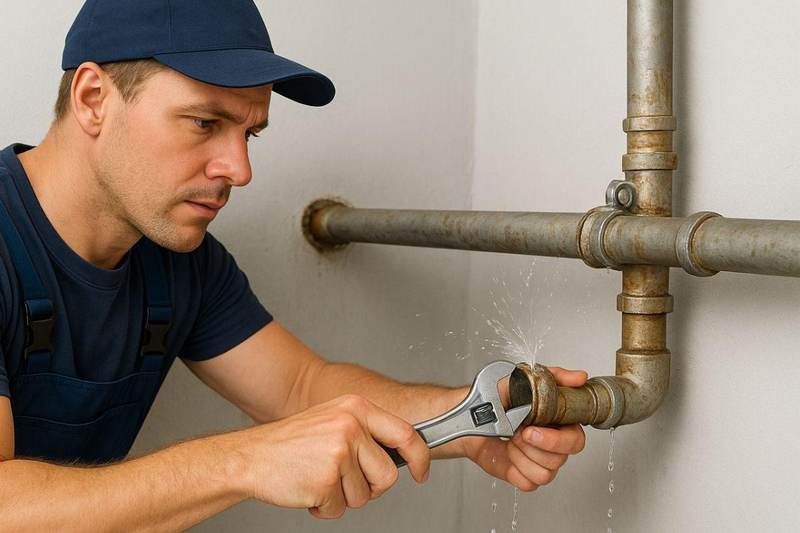
Slab Leak Repair in Dallas-Fort Worth: Signs, Causes and Options
Read the guide →
Texas Drought and Slab Leaks: Why Dry Summers Break Pipes Under Your Foundation (2026)
Read the guide →
Texas Hail Damage Roof Leaks: How Storms Break Your Roof and What to Do Next (2026)
Read the guide →
Water Damage Restoration Cost in Texas (2026 Estimates)
Read the guide →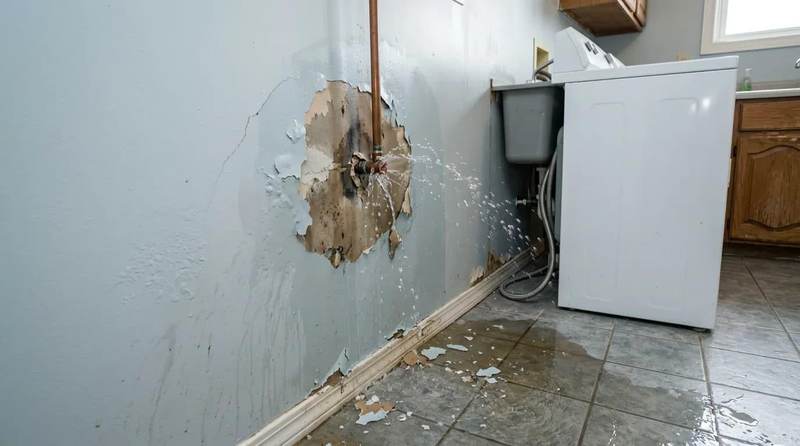
Water Leak in Wall Repair Cost in Texas: Detection, Pipe, Drying, Drywall (2026 Estimates)
Read the guide →