
Emergency Water Damage in Texas
Active water damage can move quickly through flooring, walls, ceilings, cabinets, and other building materials. The first priority is safety, followed by stopping the source when possible, removing affected water, assessing moisture, and beginning the appropriate drying and cleanup process.
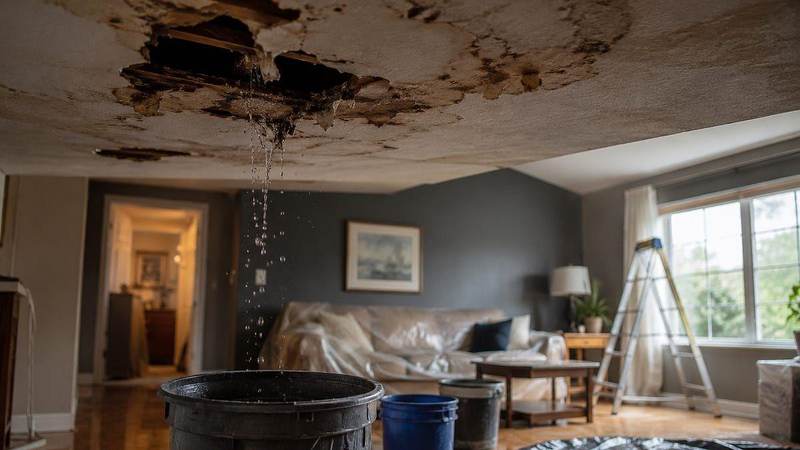
Your First Few Minutes After Water Damage
You do not need special equipment to take these first steps.
- 1
Get People and Pets Away From the Water
Standing water can create electrical and contamination hazards. Move people and pets to a dry, safe part of the property and keep them away from the affected area.
- 2
Stay Away From Electrical Hazards
If water has reached outlets, appliances, wiring, or other electrical equipment, do not enter the affected water or attempt electrical repairs yourself. If you can safely shut off power without entering standing water, follow your property's normal electrical safety procedure. If reaching the electrical panel would require walking through water, stay out of the area and contact a qualified professional.
- 3
Stop the Water Source If It Is Safe
If the problem is a plumbing leak and you can safely reach the appropriate shutoff valve, stopping the source can limit additional water entering the property. For a roof leak, storm intrusion, or rising outside water, the source may not be something you can safely control from inside.
- 4
Call for Water Damage Help
Once people are safe and the water source is controlled as far as possible, call (469) 548-7594. Tell us what happened, where the water is located, whether it is still moving, and whether there are any electrical or contamination concerns.
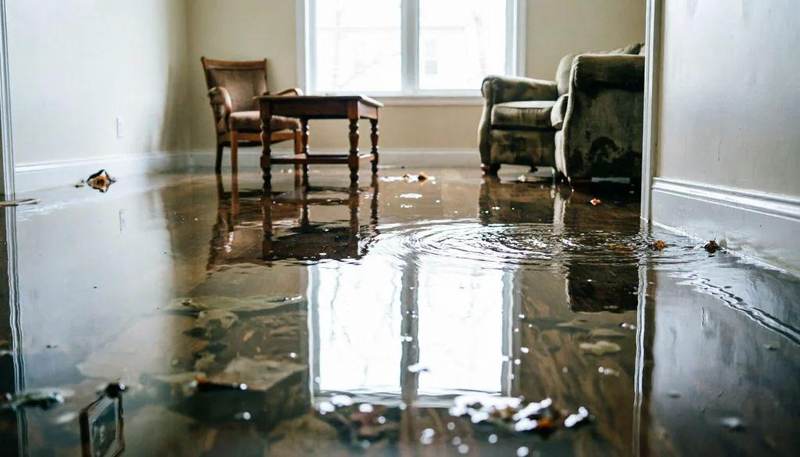
Is It an Emergency or Urgent?
Not every water loss looks the same. Understanding the situation can help you decide what to do next.
A True Emergency
Call as soon as possible when:
- Water is still actively flowing
- Water is rising from a drain
- A ceiling is sagging from water
- Water is near electrical equipment
- Sewage has entered living areas
- Storm water is actively entering the property
- Floodwater is entering from outside
These situations can involve continuing water damage, contamination, or safety hazards.
An Urgent Water Damage Problem
The water may have stopped, but the property can still require prompt attention. Examples include:
- A burst pipe has been shut off
- A roof leak has stopped
- A washing machine overflow has ended
- A room is saturated but standing water is gone
- Flooring, drywall, or cabinets remain wet
- Moisture may have moved into concealed areas
Stopping the water does not mean the restoration problem is over.
What to Tell Us When You Call
A few basic details can help determine what the situation may require.
Where Is the Property?
Provide the property address and any information that can help with access.
What Caused the Water?
Burst pipe, appliance leak, water heater failure, roof leak, sewage backup, storm damage, or flooding. If you do not know the source, simply say so.
When Did It Happen?
Tell us approximately when the water loss started or when you discovered it.
Where Is the Water?
In one room or across multiple rooms? On the floor, inside walls, around ceilings, in cabinets? Still actively moving?
Are Utilities Available?
If water or electricity has been shut off, mention that when you call.
Do You Have Insurance Information?
If you plan to file a claim, having your insurance company information available can help organize the documentation process. You do not need to understand your entire insurance policy before getting help.
What Happens After You Call?
The exact restoration process depends on the source, amount of water, affected materials, and condition of the property.
- 1
Initial Triage
The situation is reviewed to understand what happened, whether water is still entering, where the water is located, whether electrical hazards exist, and whether sewage or other contamination is involved.
- 2
Source Control
The first priority on site is confirming that the water source has been stopped or controlled when possible. Safety concerns such as electrical hazards, unstable ceilings, or damaged flooring should also be considered.
- 3
Moisture Assessment
Visible water does not always show where moisture has traveled. Affected flooring, walls, ceilings, cabinets, insulation, and other materials may need to be assessed. Moisture measurements can help identify areas that require drying.
- 4
Water Extraction
Standing water is removed using appropriate extraction methods based on the property and amount of water involved. Removing visible water is an important first step, but it does not automatically mean the structure is dry. Water Extraction →
- 5
Structural Drying
After extraction, remaining moisture must be addressed. Air movement and dehumidification can help remove moisture from affected materials and the surrounding environment. Drying progress should be evaluated based on actual moisture conditions rather than an arbitrary number of days. Structural Drying →
- 6
Cleaning and Contamination Control
The appropriate cleaning process depends on the source and condition of the water. Clean-water plumbing losses should not automatically be treated the same as sewage or outside floodwater.
- 7
Documentation
Photos, moisture readings, affected areas, and work performed can be documented throughout the restoration process. This information can help organize records for property owners and, when applicable, an insurance claim.
- 8
Restoration
Once affected areas have been appropriately dried and cleaned, damaged materials can be repaired or replaced as necessary. Water Damage Restoration →
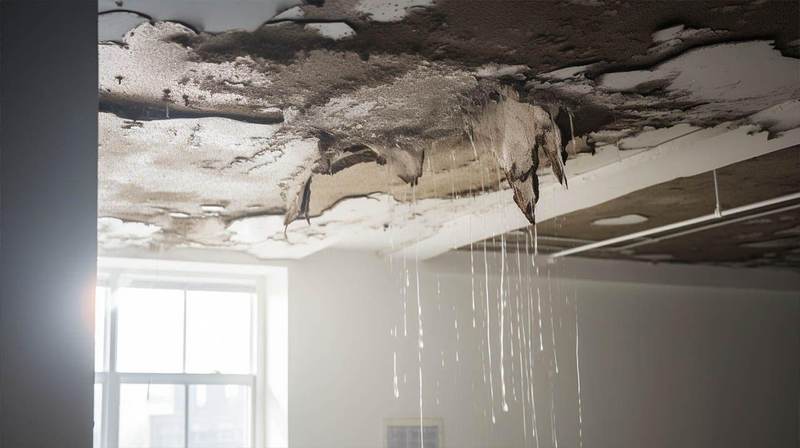
What Is Included?
Depending on the situation, emergency water damage services may include:
- Initial situation assessment
- Water source identification
- Standing water extraction
- Moisture assessment
- Structural drying
- Air movement and dehumidification
- Contamination-related cleanup
- Damage documentation
- Drying progress monitoring
- Restoration planning
The exact services required depend on the actual condition of the property.
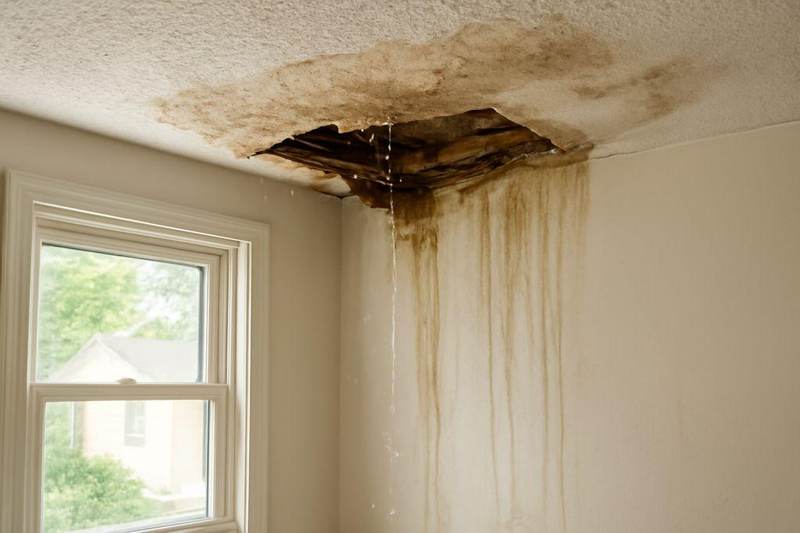
Signs You Need Emergency Water Damage Help
Water Is Still Flowing
A burst pipe, failed supply line, or other active leak continues to release water.
Water Is Rising From a Drain
Drain or sewage backups can introduce contaminated water into the property.
Ceiling Is Sagging
A water-loaded ceiling can create a serious safety concern.
Water Is Near Electrical Equipment
Do not enter standing water around electrical equipment or wiring.
Sewage Has Entered the Property
Keep people and pets away from contaminated water.
Storm Water Is Entering
Rainwater entering through damaged roofing, doors, windows, or other openings may continue affecting the structure.
Floodwater Has Entered
Outside floodwater can involve contamination and requires different cleanup considerations than a clean plumbing leak.
Emergency Water Damage Across Texas
Texas properties can experience different types of water emergencies depending on the source and location.
Burst and Frozen Pipes
Pipe failures can release large amounts of water quickly. The priority is stopping the source when safe, removing standing water, and assessing where moisture has traveled.
Burst Pipe Water Damage →Appliance Water Damage
Washing machine hoses, dishwasher supply lines, refrigerator water lines, water heaters, and other appliance connections can leak unnoticed away from frequently used areas.
Water Damage Restoration →Storm Water Intrusion
Texas storms can drive water through damaged roofs, doors, windows, roof penetrations, and other exterior openings.
Storm Water Damage →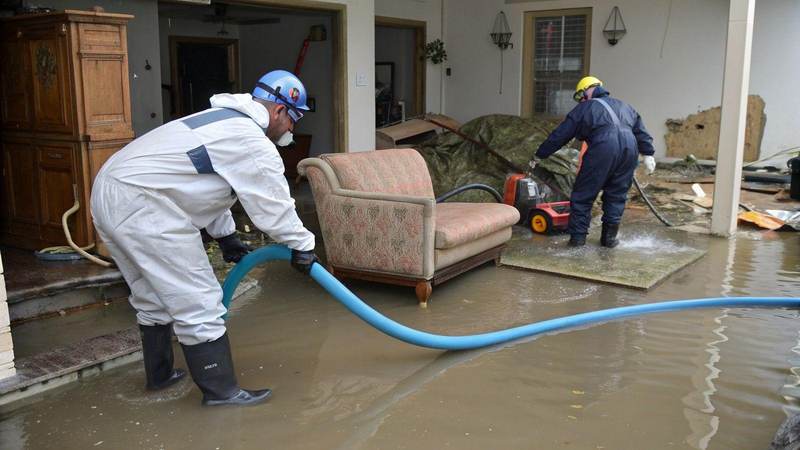
Sewage Backups
Sewage-contaminated water should be treated as a health and safety concern. Avoid unnecessary contact and keep children and pets away.
Sewage Cleanup →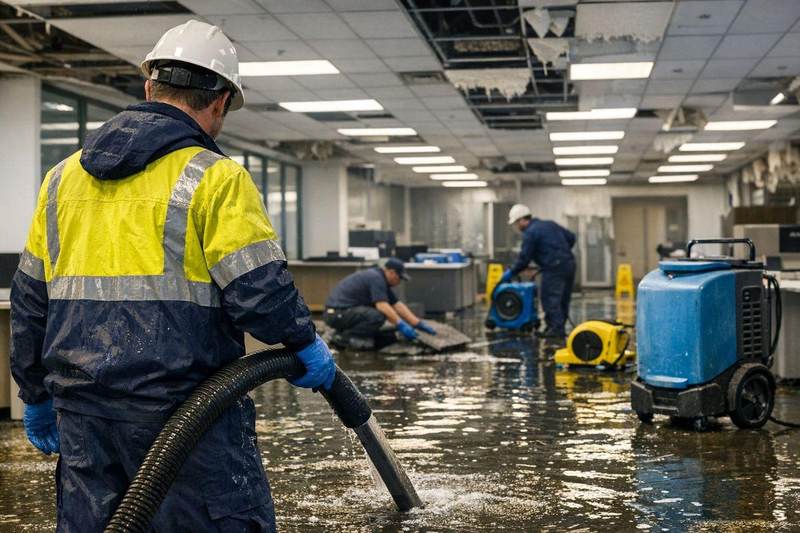
Flood Damage
Water entering from outside can involve contamination and different cleanup requirements from an interior plumbing leak.
Flood Damage Restoration →What Not to Do After Water Damage
Do Not Use a Household Vacuum on Standing Water
Household vacuums are not designed for removing large amounts of standing water and can create electrical hazards.
Do Not Turn On Wet Electrical Fixtures
Avoid using electrical fixtures or equipment that may have been affected by water.
Do Not Start Unnecessary Demolition
Removing drywall, flooring, or cabinets without first understanding the source and condition of the water can create additional problems.
Do Not Assume the Visible Puddle Is the Entire Problem
Water can move beneath flooring, inside walls, behind cabinets, and into other concealed areas.
Do Not Ignore Wet Materials Because the Water Has Stopped
Stopping the source is only the beginning. Remaining moisture still needs to be assessed and addressed.
Water Damage Documentation and Insurance
You do not need to understand every part of your insurance policy before getting help.
When it is safe, document the apparent source, date and time discovered, affected rooms, photos, videos, visible standing water, damaged materials, damaged belongings, work performed, and estimates and invoices. Keep copies of relevant records.
Insurance coverage depends on your specific policy and the cause of the damage. We do not promise coverage or make insurance coverage decisions.
Frequently Asked Questions
Emergency water damage can include active leaks, significant standing water, sewage backups, flooding, water near electrical equipment, major roof leaks, or other situations where water or safety hazards are still present.
If a plumbing problem is actively causing the water loss, stopping the plumbing source is important. A restoration professional can then assess and address the water that entered the property. In some situations, both types of professionals may be needed.
It can be, particularly when drywall has absorbed significant moisture or water has entered wall cavities. The appropriate response depends on the amount of water, source, duration, and condition of the material.
The property can still have hidden moisture after the visible water is gone. Wet flooring, drywall, insulation, cabinets, and subfloors may continue holding moisture and should be assessed when appropriate.
It depends on the situation. Electrical hazards, sewage contamination, extensive flooding, structural concerns, or significant damage may make staying in the property unsafe. When in doubt, prioritize personal safety.
Insurance coverage varies by policy and cause of loss. We can help document the restoration work and affected areas, but your insurance company or agent makes the coverage determination.
Emergency jobs vary widely. A single-room extraction with drying costs far less than a multi-room flood with damaged drywall and flooring. What drives the price is how much water is present, what it touched, and whether demolition is needed. We assess first, explain the scope before work begins, and document everything for your insurance. Call (469) 548-7594 and we will talk through your situation.
Related Water Damage Services
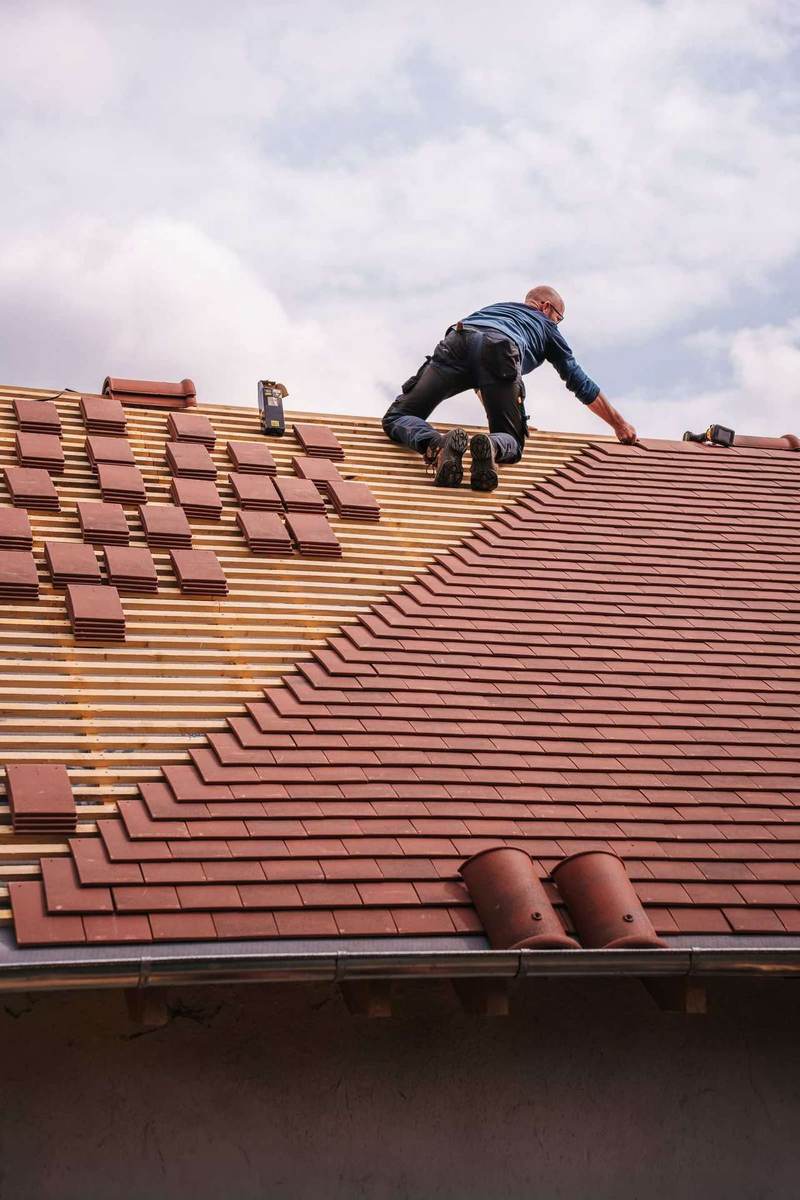
Water Extraction
Fast removal of standing water from floors and interiors.
Water Extraction →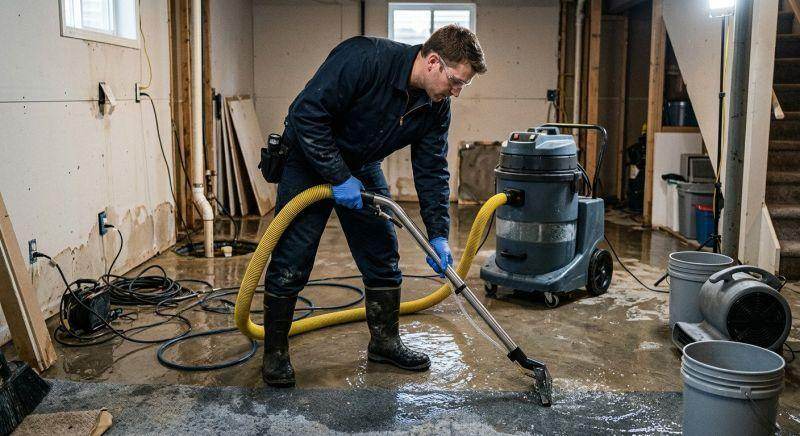
Structural Drying
Remaining moisture inside affected building materials is addressed through an appropriate drying process.
Structural Drying →
Flood Damage Restoration
Water entering from outside is assessed and handled according to its source and condition.
Flood Damage Restoration →Need Emergency Water Damage Help?
If you are dealing with active water damage, do not wait until the visible water is gone to think about the rest of the property.
(469) 548-7594Tell us what happened, where the water is, and whether it is still active.