
Roof Leak Water Damage in Texas
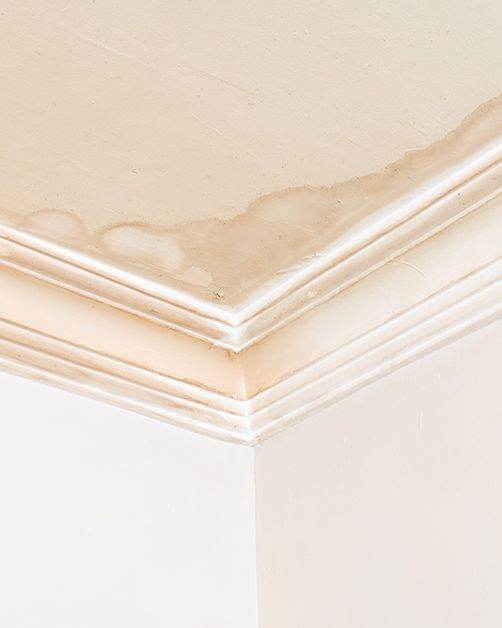
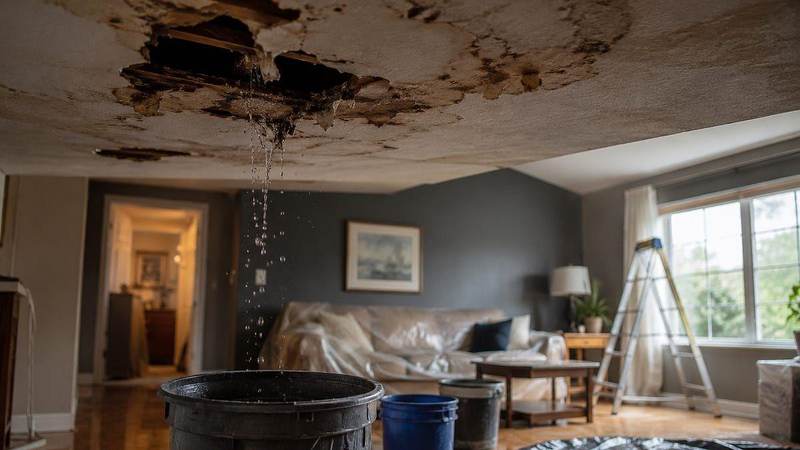
A roof leak rarely shows itself at the roof. It often shows up as a brown ceiling stain, bubbling paint, soft drywall, damp insulation, a musty attic smell, or water around a light fixture.
By the time the interior damage becomes visible, water may have already traveled through the attic, insulation, ceiling, walls, and flooring.
Texas Water Damage Solutions handles the interior water damage caused by roof leaks. We can help with moisture assessment, moisture mapping, water extraction, material evaluation, controlled material removal, structural drying, moisture monitoring, and interior restoration.
The roof itself should be inspected and repaired by an appropriately qualified roofing professional.
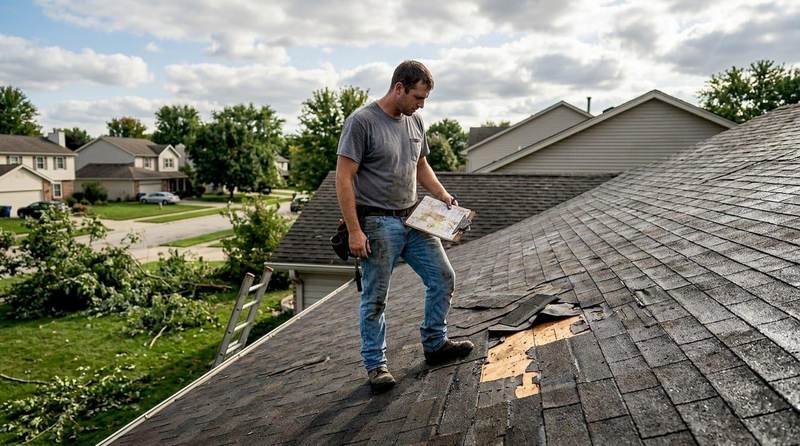
How Water Travels From a Roof Leak to the Interior
A roof leak does not necessarily appear directly below the point where water entered.
Water can follow the roof deck, framing, insulation, wall cavities, and other pathways before becoming visible. The typical path can look like: Roof opening, roof deck, attic, insulation, ceiling, wall cavity, flooring.
This is why a small ceiling stain can sometimes represent a much larger moisture problem.
Where Roof Leaks Commonly Start
Roof-related water intrusion can originate around damaged shingles, missing shingles, lifted shingles, roof flashing, pipe boots, roof vents, chimneys, skylights, roof penetrations, seams in commercial roofing, storm-damaged areas, and deteriorated roofing components. The exact source should be determined by a qualified roofing professional.
Roof Leak vs Ceiling Stain
The ceiling stain is usually a symptom, not the source. Water may travel laterally before reaching the ceiling. For example: Roof to attic to roof decking to insulation to ceiling drywall. The visible stain may therefore appear several feet away from the actual roof penetration. This is why painting over the stain without addressing the source can result in the stain returning.
Roof Leak Damage to Attic, Ceilings, Walls, and Flooring
Roof Leak Damage to the Attic
The attic is one of the most important areas to inspect after a roof leak. Water entering through the roof can affect insulation, roof decking, rafters, trusses, ceiling framing, electrical components, HVAC-related areas, and stored belongings. Insulation can absorb and retain moisture, making the true extent of the leak difficult to see from the living space below.
Roof Leak Damage to Insulation
Different insulation materials respond differently to water. Depending on insulation type, amount of water, duration of exposure, physical condition, contamination, and ability to dry effectively, the material may be dried or may require removal. The goal is not automatically to remove all insulation. The goal is to determine whether affected insulation can be appropriately restored.
Roof Leak Damage to Ceiling Drywall
Ceiling drywall can absorb water and become stained, soft, swollen, sagging, cracked, or discolored. Water can also spread laterally through drywall and ceiling assemblies. If a ceiling is visibly bulging or sagging, keep people away from the area and avoid unnecessary contact. A damaged ceiling should be assessed before repair or reconstruction.
Roof Leak Damage to Walls
Water from an attic can reach the top of an interior wall and move downward. Possible affected areas include drywall, wall cavities, insulation, wood framing, baseboards, paint, and electrical components. This is one reason a roof leak can produce wall damage even when the original roof opening is nowhere near that wall.
Roof Leak Damage to Flooring
A prolonged roof leak can eventually affect flooring. Water may move from roof to ceiling to wall to floor. Potentially affected materials include carpet, carpet padding, hardwood, laminate, vinyl, tile, and subfloor. The surface may appear dry while moisture remains underneath.
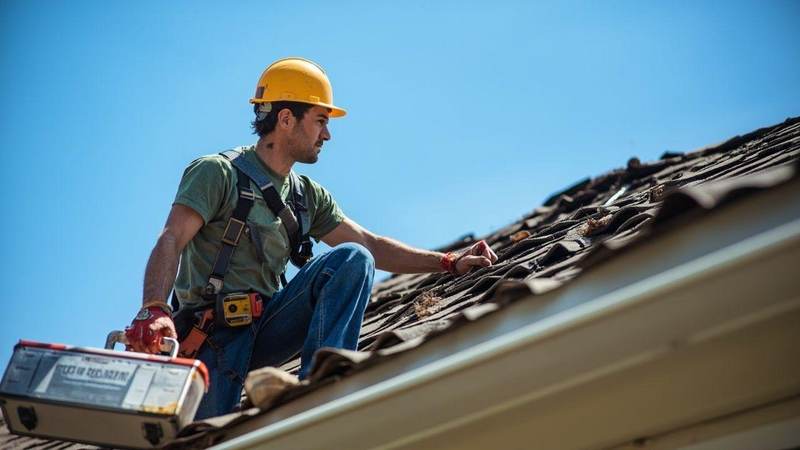
Common Signs of Roof Leak Water Damage
Watch for:
Brown or Yellow Ceiling Stains
Especially stains that become larger after rainfall.
Bubbling or Peeling Paint
Moisture can cause paint to bubble, blister, or peel.
Sagging Ceiling
A soft, bulging, or sagging ceiling can indicate significant moisture.
Musty Attic Odor
A persistent musty smell after rainfall can indicate remaining moisture.
Damp Attic Insulation
Wet, matted, or compressed insulation can indicate roof-related water intrusion.
Water Around Light Fixtures
Moisture around a ceiling fixture should be treated seriously because of the potential electrical hazard.
Wall-Top Staining
Water marks near the upper portion of a wall can indicate moisture moving from the ceiling or attic.
Stains That Return After Rain
A stain that becomes active after rainfall is a strong reason to investigate the roof and surrounding structure.
Roof Leak Water Damage After a Hailstorm
Hail damage can sometimes create roof vulnerabilities that are not immediately obvious from inside the property. After hail or severe wind, watch for damaged shingles, missing roofing material, lifted shingles, damaged flashing, roof debris, granules in gutters, new ceiling stains, and attic moisture. A roof can look relatively normal from the ground while still requiring professional inspection. Do not climb onto a damaged roof yourself.
Roof Leaks That Appear Days or Weeks After a Storm
Not every storm-related roof leak produces an immediate interior drip. A damaged roofing component may allow water to enter only during certain rainfall or wind conditions. You may notice: Storm, no visible leak, later rainfall, ceiling stain. This can make the source difficult to identify. If a ceiling stain repeatedly becomes worse after rain, investigate the roof and interior moisture rather than simply repainting the stain.
Roof Leak vs Plumbing Leak
A ceiling stain does not automatically mean the roof is leaking. A plumbing leak can create similar symptoms.
Possible Roof Leak Pattern: Damage appears or worsens after rain, attic moisture is present, roofing damage is visible, staining occurs near roof penetrations.
Possible Plumbing Leak Pattern: Damage occurs regardless of weather, plumbing fixtures are nearby, water usage changes, running-water sounds are present, moisture appears below plumbing lines.
A professional assessment may be needed when the source is unclear.
How to Find the Source of a Roof Leak
Roof leak diagnosis may involve two separate investigations. Exterior Investigation: A roofing professional may inspect shingles, flashing, pipe boots, roof penetrations, vents, valleys, seams, and storm damage. Interior Investigation: The restoration assessment may investigate attic, ceiling, walls, insulation, flooring, moisture levels, and moisture migration. Both perspectives can be important because the roof entry point and visible interior damage may not be in the same location.
Roof Leak Water Damage Restoration Process
The interior restoration process generally follows: Source Assessment, Moisture Mapping, Extraction, Material Evaluation, Controlled Removal, Structural Drying, Moisture Monitoring, Verification, Restoration.
Step 1: Stop or Control Further Water Intrusion
Before permanent interior reconstruction, the source of new water entry needs to be addressed. A roofing professional may provide emergency tarp, temporary weather protection, roof repair, flashing repair, shingle repair, and other exterior repairs. The restoration process addresses the water that has already entered.
Step 2: Moisture Mapping
Moisture mapping helps determine how far the water traveled. Areas that may be assessed include attic, ceiling, walls, insulation, flooring, subfloor, and framing. Moisture meters can identify materials that remain wet. Thermal imaging can sometimes help identify areas with temperature differences that warrant additional investigation.
Step 3: Water Extraction
If water has pooled inside the property, appropriate extraction equipment may be used. Depending on the loss, pumps, portable extractors, commercial wet vacuums, and extraction tools may be appropriate. Extraction removes accessible water. It does not automatically remove moisture trapped inside building materials. Related service: Water Extraction
Step 4: Material Evaluation
Affected materials should be evaluated individually. Some materials may be dried in place. Others may require controlled removal if they are severely saturated, physically damaged, contaminated, unable to dry effectively, or inaccessible for proper drying. This helps avoid unnecessary demolition while still addressing materials that cannot be appropriately restored.
Step 5: Controlled Removal
Depending on the damage, removal may involve saturated insulation, damaged drywall, wet carpet padding, severely affected flooring, damaged baseboards, and other materials that cannot be appropriately restored. Removal should be based on the actual moisture and material condition.
Step 6: Structural Drying
Once accessible water and materials requiring removal have been addressed, structural drying can begin. Drying may involve air movers, dehumidifiers, moisture meters, moisture monitoring, and targeted drying. The goal is to reduce moisture in affected building materials and verify drying progress. Related service: Structural Drying
Step 7: Moisture Monitoring
Moisture monitoring can help identify remaining wet materials, slow-drying areas, moisture in wall cavities, wet framing, wet flooring, and wet ceiling assemblies. Drying equipment can then be adjusted according to the actual conditions.
Step 8: Drying Verification
Before rebuilding, affected materials should be evaluated to determine whether the drying process has reached an appropriate endpoint. Do not rely only on "It looks dry." A surface can look normal while moisture remains inside the assembly.
Step 9: Interior Restoration
Once appropriate drying and material evaluation are complete, restoration can include insulation replacement, drywall replacement, ceiling texture, painting, flooring, baseboards, trim, and other interior finishes.
Who Fixes a Roof Leak?
This is one of the most important distinctions to understand.
Roofing Contractor
The roofing contractor handles the exterior source, such as roof inspection, shingle repair, shingle replacement, flashing, pipe boots, roof penetrations, temporary tarping, and exterior weather protection.
Water Damage Restoration Company
The restoration company handles the interior consequences, such as moisture mapping, water extraction, structural drying, moisture monitoring, material evaluation, controlled removal, and interior restoration.
Simple Version: Roofer fixes where the water came from. Restoration company fixes what the water damaged inside.
Can Interior Drying Start Before the Roof Is Repaired?
Interior assessment can begin while roofing work is being arranged. However, permanent reconstruction should not be completed while the building remains vulnerable to continued water intrusion. If additional rain can still enter through the same opening, the source needs appropriate temporary or permanent protection. The exact sequence depends on the condition of the property.
Why You Should Not Paint Over a Roof Leak Stain
Painting can hide the visible stain. It does not repair the roof, remove moisture, dry insulation, dry framing, address wet drywall, or identify hidden water. If the leak continues, the stain may return. The correct sequence is: Find the source, repair the roof, assess moisture, dry the structure, repair the interior.
Can a Ceiling From a Roof Leak Be Dried?
Sometimes. Whether ceiling drywall can remain depends on the amount of saturation, duration of wetting, material condition, extent of damage, and ability to dry it effectively. Some drywall can potentially be dried in place. Heavily damaged or unsuitable material may require controlled removal.
Can Attic Insulation Be Dried After a Roof Leak?
Sometimes. The answer depends on insulation type, amount of water, duration of exposure, contamination, physical condition, and accessibility. Some materials can be dried. Others may require removal and replacement. The correct decision should be based on the actual condition rather than an automatic rule.
How Long Does Roof Leak Water Damage Take to Dry?
There is no universal drying timeline. A small isolated ceiling leak can be very different from a roof breach affecting attic insulation, ceiling drywall, framing, walls, flooring, and multiple rooms. Drying time depends on the amount of water, material type, humidity, temperature, airflow, dehumidification, hidden moisture, and accessibility. Moisture readings should guide the drying process.
Can a Roof Leak Cause Mold?
Persistent moisture can create conditions that support microbial growth. The risk depends on moisture, temperature, material, duration, and drying conditions. Promptly addressing the source and drying affected materials can help reduce prolonged moisture exposure. If established mold growth is present, the appropriate remediation approach depends on the extent and circumstances. Related service: Mold Remediation
Roof Leak Water Damage and Insurance
Insurance coverage depends on the specific policy and circumstances. Some sudden storm-related losses may be covered, while wear and tear, deterioration, maintenance issues, or other exclusions may be treated differently. Do not assume that every roof leak is covered.
Document Both the Exterior and Interior
When safe, document: Roof / Exterior: Visible roof damage, hail damage, fallen branches, damaged flashing, temporary protection, storm date. Interior: Ceiling stains, wall damage, wet insulation, flooring damage, damaged belongings, moisture readings, restoration work. Keep receipts for reasonable emergency measures. Documentation can help organize information for an insurance claim. Coverage decisions depend on the applicable policy and insurer.
What to Do When You Find Roof Leak Damage
1. Stay Safe
Do not climb onto a damaged roof.
2. Protect Belongings
Move furniture and valuables away from active water where safe.
3. Contain Drips
Use containers to collect active drips where practical.
4. Stay Away From Sagging Ceilings
A severely bulging or sagging ceiling can present a safety hazard.
5. Be Careful Around Electrical Fixtures
If water is near lights, outlets, fans, or wiring, avoid the affected electrical area unless it is safe to do so.
6. Document Everything
Take photos and videos.
7. Call a Roofer
Have the exterior source assessed and protected.
8. Call for Interior Restoration
If water entered the structure, the interior may require moisture assessment, extraction, drying, and restoration. Call (469) 548-7594.
What Not to Do After a Roof Leak
Do Not Paint Over the Stain
Not until the source is addressed and the material is appropriately evaluated.
Do Not Ignore the Attic
The ceiling stain may only be the visible part of the problem.
Do Not Rebuild Too Early
Wet materials should be evaluated and appropriately dried before reconstruction.
Do Not Assume a Small Leak Means Small Damage
Water can travel through concealed pathways.
Do Not Climb Onto a Damaged Roof
Leave roof inspection and repair to an appropriately qualified professional.
Do Not Ignore Recurring Stains
A stain that returns after rain needs investigation.
Roof Leak Water Damage in Texas Homes and Businesses
Residential Roof Leak Water Damage
Residential roof leaks commonly affect attics, bedrooms, living rooms, kitchens, bathrooms, upper floors, ceilings, and interior walls. A leak can remain hidden until rainfall exposes the problem.
Roof Leak Water Damage in Commercial Buildings
Commercial roof systems can have different construction and drainage characteristics. Roof leaks may affect offices, retail spaces, warehouses, restaurants, commercial ceilings, insulation, inventory, equipment, and interior finishes. Commercial losses may require coordination between property management, roofing professionals, restoration professionals, occupants, and insurance representatives.
Texas properties face several conditions that can contribute to roof-related water intrusion, including severe thunderstorms, hail, high winds, heavy rainfall, fallen branches, aging roofing systems, and weathered flashing. The exact cause varies by property and should be professionally assessed.

Frequently Asked Questions
A roof problem may become apparent during the next rainfall rather than during the hailstorm itself. If new stains appear after severe weather, the roof and interior should be evaluated.
It deserves investigation, particularly if the stain is new, growing, returns after rain, or is accompanied by a musty smell or soft drywall.
Not always. Some affected materials may be dried and restored. Severely damaged or unsuitable materials may require controlled removal.
Yes. Water can travel from the attic into wall cavities and affect drywall, insulation, framing, and baseboards.
Yes. A prolonged or extensive leak can allow water to move from ceilings into walls and eventually flooring or subfloor assemblies.
The exterior source needs to be controlled so additional water does not continue entering. Interior assessment and some emergency drying can occur while roofing work is being arranged, depending on the circumstances.
Persistent moisture in insulation, drywall, framing, or other materials can contribute to musty odors.
Roof leak jobs range from a simple ceiling stain to soaked insulation, damaged decking, and mold inside the attic. The cost follows the extent of hidden damage, not just the visible spot. We trace the leak path, show you what we find, and explain every step before work starts. Call (469) 548-7594 and we will look at it with you.
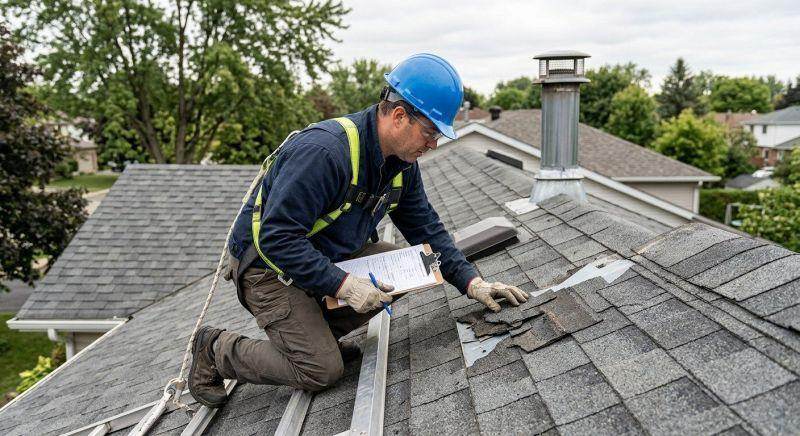
The roof is fixed. What about the water inside?
The roof needs to be protected and repaired. The interior needs to be mapped, evaluated, dried, monitored, and restored. Texas Water Damage Solutions can help with moisture mapping, water extraction, attic water damage, ceiling water damage, wall moisture, structural drying, moisture monitoring, material evaluation, and interior restoration.
Request Roof Leak Help
Send the details of the roof leak and we will get back to you quickly.