Water Got Under Your Hardwood Floor in Texas Here Is How to Tell If It Can Be Saved
Wood floors absorb water from the bottom first. A slab leak, a dishwasher overflow, or a burst supply line pushes water under glued-down planks where it swells the fibers, lifts the edges, and starts a clock. If drying begins within 24 to 48 hours and the boards are cupped but not buckled, most solid hardwood floors in Texas homes can be saved with specialized floor drying mats and commercial dehumidifiers.
Save Your Floors Call (469) 548-7594 for Emergency Floor Drying
(469) 548-7594
Hardwood Floor Water Damage at a Glance
| Detail | What You Need to Know |
|---|---|
| Most salvageable | Solid hardwood, cupped, dried within 48 hours |
| Least salvageable | Laminate with swollen fiberboard core, buckled boards |
| Drying time | 5-14 days with professional floor mats and LGR dehumidifiers |
| Critical mistake | Sanding cupped boards before they are fully dry (causes crowning) |
| Mold risk | EPA: mold colonization starts 24-48 hours on wet organic material |
| Common Texas cause | Slab leaks under glued-down hardwood on concrete slabs |
| IICRC category after 48 hours | Clean water degrades to Category 2 (gray water) |
| Insurance | Most HO policies cover sudden water damage; not gradual leaks |
Cupping, Crowning, and Buckling Three Stages of Hardwood Water Damage
Wood is hygroscopic its fibers absorb and release moisture in response to the surrounding environment. When the bottom of a board absorbs more water than the top, the bottom expands faster, and the edges rise. This is the beginning of damage, and understanding which stage your floor has reached determines whether it can be saved.
Cupping the First and Most Recoverable Stage
Cupped boards look like shallow U-channels: edges raised, center depressed. The bottom of the plank is wetter and swollen while the top face is still near normal moisture content. This happens when water reaches the underside of the floor through a slab leak, a pipe leak inside a wall that ran along the floor, or a slow appliance leak.
Cupping is recoverable when drying starts before the fibers are permanently deformed. Most solid hardwood 3/4-inch planks that are cupped not buckled will flatten as the moisture content equalizes, especially when professional drying equipment controls the rate of moisture removal. The key is slow, even drying. Rapid surface drying with heat guns or direct high-speed fans splits boards.
Crowning Usually a Man-Made Disaster
Crowning is the opposite of cupping: the center of the board is higher than the edges, creating a rounded hump. In nearly every case, crowning happens because someone sanded a cupped floor flat before it finished drying. Once the wood eventually releases the remaining moisture from the bottom, the edges shrink below the sanded center line, and the floor crowns permanently.
This is the single most expensive mistake homeowners make with water-damaged hardwood. A floor that would have flattened on its own in 2-3 weeks now requires full sanding to a new level or partial replacement. Wait until moisture meter readings match dry reference boards in unaffected rooms before any sanding.
Buckling the Point of No Return for Affected Boards
Buckling happens when boards swell so severely that they lift off the subfloor entirely, sometimes rising 2-3 inches. Fasteners pull out of the subfloor, tongue-and-groove joints separate, and boards crack along the grain. Glued-down planks on a slab peel free of the adhesive.
Buckled boards cannot be reattached and flattened. The affected section must be removed and replaced. However, buckling is often localized the area directly over the leak source while surrounding cupped boards can still be saved with proper drying. A skilled installer can weave new boards into the existing floor, though finish matching on older or exotic wood floors can be challenging.
Solid Hardwood vs Engineered Hardwood vs Laminate How Each Type Handles Water
The type of wood floor in your Texas home is the first factor in whether it can survive water damage.
Solid Hardwood (Best Chance of Recovery)
Solid 3/4-inch hardwood red oak, white oak, hickory, maple, pecan is a single piece of solid wood. It swells and cups when wet, but the solid mass means it can dry slowly and return to near-original dimensions. Solid hardwood floors in historic Texas homes in Smithville, Castroville, and Caldwell have survived minor water events for decades because the dense wood fibers recover when dried properly.
Solid hardwood typically needs replacement only when boards buckle, develop deep black stains from tannin reaction, or are contaminated by Category 3 sewage water.
Engineered Hardwood (Depends on the Core)
Engineered hardwood has a thin real-wood veneer (1-6mm) bonded to a core of plywood, HDF (high-density fiberboard), or a combination. The core determines survival:
- Plywood core: More water-resistant. May survive if dried before delamination starts. The thin veneer limits sanding options.
- HDF core: Swells irreversibly when saturated. Once the core expands, the board does not return to its original dimensions. Replace.
Check your flooring spec or manufacturer label to identify the core. Many mass-market engineered floors sold in Texas big-box stores use HDF cores.
Laminate (Almost Always Replacement)
Laminate is not wood it is a photograph of wood printed on a paper layer bonded to a fiberboard core with a melamine wear layer on top. The fiberboard core absorbs water instantly, swells, and never returns to size. Seams bubble, edges lift, and the surface delaminates.
Laminate floors that have been wet from a burst pipe or any sustained water source should be removed to allow the subfloor underneath to dry. The laminate is discarded.
Luxury Vinyl Plank (LVP) the Floor Survives, but the Slab Underneath May Not
LVP itself is waterproof, but water that gets under floating LVP planks sits on the concrete slab or plywood subfloor with no way to evaporate. The planks must be pulled up, the subfloor or slab dried with professional drying equipment, and the planks reinstalled if they are not warped from heat or the locking edges are undamaged.
How Floor Drying Mats Save Hardwood Floors
Floor drying mats are the single most important technology for saving water-damaged hardwood. Without them, the only option is pulling up the floor to dry the subfloor which destroys the floor you are trying to save.
How Floor Drying Mats Work
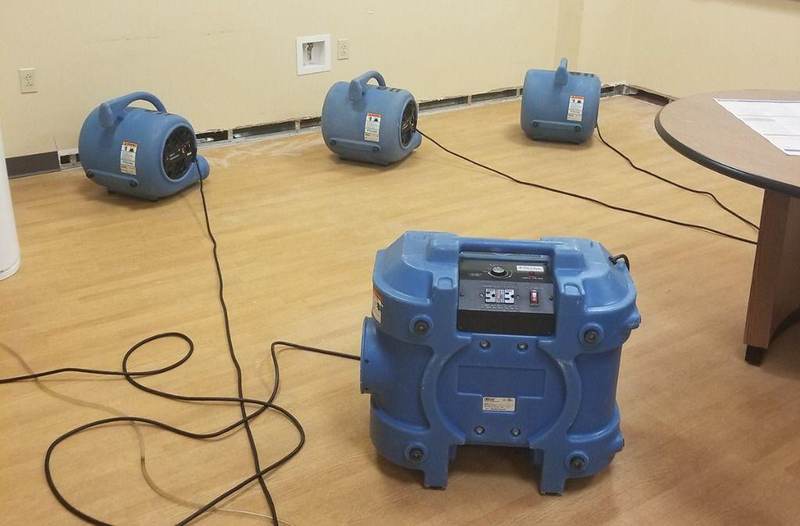
Floor drying mats are flexible panels sealed to the surface of the hardwood with weighted edges or adhesive tape. A vacuum pump connected to the mat creates negative pressure that draws moisture upward through the wood grain, through the board seams, and into the mat system, where it is exhausted.
This controlled extraction pulls moisture from the bottom of the board where it is highest through the top surface without the rapid surface drying that splits and cracks boards. The mat system works in concert with LGR dehumidifiers running in the room to keep ambient humidity low so moisture moves in one direction: out of the wood.
How Long Floor Mat Drying Takes
Drying hardwood with floor mats typically takes 5 to 14 days depending on:
- Board thickness (3/4-inch solid takes longer than 3/8-inch engineered)
- How long the water sat before drying began
- Ambient humidity (Texas Gulf Coast humidity slows drying vs dry West Texas air)
- Whether the subfloor or slab underneath is also wet
- Type of finish (polyurethane-sealed boards release moisture more slowly through the surface)
The technician measures moisture content with a pin-type moisture meter daily and compares readings to dry reference boards in an unaffected room. Drying is complete when wet boards reach equilibrium with dry boards not when the surface feels dry to the touch.
Slab Leaks and Hardwood Floors the Hidden Destroyer in Texas Homes
Texas has more slab-on-grade foundations than almost any other state. Millions of homes in the DFW Metroplex, Houston, San Antonio, and Austin sit on post-tensioned or conventionally reinforced concrete slabs with water supply lines running through or under the concrete.
When a copper or CPVC supply line under the slab develops a pinhole leak, water rises through the concrete, through the moisture barrier (if one was installed), and into the underside of glued-down hardwood. The floor cups gradually over weeks or months. By the time the homeowner notices edges lifting, the moisture content in the wood is often well above the 20% threshold where mold colonization begins.
Slab leak detection in the DFW area typically involves acoustic listening equipment and thermal imaging to locate the leak without cutting concrete. Once the plumber repairs the pipe, the structural drying process begins floor mats on the hardwood, dehumidifiers in the room, and daily moisture readings until the slab, the adhesive layer, and the wood reach equilibrium.
Slab leak hardwood damage is one of the most common water damage restoration calls in North Texas. Early detection saves floors. A spinning water meter with nothing running in the house is the first warning.
When Hardwood Must Be Replaced No Saving These Floors
Some damage is beyond recovery. Replace the affected hardwood when:
- Boards have buckled off the subfloor with broken tongue-and-groove joints or pulled fasteners
- Floodwater or sewage contamination IICRC S500 classifies outdoor floodwater as Category 3 (black water). Porous wood cannot be reliably sanitized after sewage exposure
- Mold is growing under the boards on the subfloor, on the adhesive, or inside the wood grain. Mold on hardwood that has penetrated below the surface cannot be sanded out. See when mold remediation is required under Texas law
- Engineered boards with swollen HDF core the core does not shrink back
- Laminate with expanded fiberboard always replace
- Deep black stains from tannin reaction that sanding cannot reach. Oak reacts with iron (nails, water pipes) and moisture to produce black discoloration that can penetrate 1/8 inch or more into the wood grain
- The subfloor is damaged plywood subfloor that is delaminated or OSB subfloor that has swollen must be replaced before new hardwood goes down
When only a section of the floor is damaged, a skilled installer can remove the ruined boards and weave new ones into the existing floor. Matching the species, grade, and stain on floors older than 10 years is the main challenge. Some homeowners choose to sand and refinish the entire floor after the weave-in to achieve a uniform appearance.
What to Do Right Now If Your Hardwood Floor Got Wet
- Stop the water source. Shut off the fixture valve or the main water supply. If the source is a slab leak, call a plumber for leak detection.
- Remove standing water immediately. Use towels and a wet/dry shop vacuum. Do not leave puddles on wood.
- Pull up area rugs and move furniture off the wet floor. Rug dyes bleed into wet wood and create permanent stains.
- Turn on the AC and a dehumidifier. Lower humidity helps the wood start releasing moisture. Do NOT blast heat or aim high-speed fans directly at the floor rapid surface drying splits boards.
- Do not sand, refinish, or nail anything down. Any mechanical work on wet wood causes permanent damage.
- Photograph everything the water source, the wet area, close-ups of cupping, the water meter reading, affected furniture.
- Call for professional floor drying. Floor mats and commercial dehumidifiers need to be on the floor within 24 hours for the best chance of saving the boards.
Estimated Costs for Hardwood Floor Water Damage in Texas
These are estimated averages, not quotes:
| Scenario | Estimated Cost Range |
|---|---|
| Floor mat drying (one room, 200-400 sq ft) | 2,500 depending on days needed |
| Sand and refinish after drying (per sq ft) | 6 per sq ft |
| Replace damaged section with matching boards | 15 per sq ft installed |
| Full floor replacement after flood | 20+ per sq ft including demo and subfloor |
| Mold remediation under hardwood | 5,000+ depending on area |
For whole-job pricing across all water damage types, see our complete water damage restoration cost guide for Texas.
Common Causes of Hardwood Floor Water Damage in Texas Homes
- Slab leaks water rises under glued-down floors, often far from any visible fixture
- Dishwasher and refrigerator ice maker leaks kitchens with hardwood are the highest-risk rooms
- Water heater failures 50 gallons dumped in a garage flows through the shared wall onto hardwood in the living area
- AC condensate leaks from closet-mounted air handlers dripping onto hallway floors
- Pier-and-beam crawl space moisture rising humidity and standing water under older homes with original hardwood floors
- Flash floods outdoor floodwater entering the home almost always means hardwood replacement
- Burst pipes during Texas winter storms frozen supply lines thawing and dumping water across floors
Wood Floor Damage Questions Texas Homeowners Ask Most
Can water-damaged hardwood floors go back to normal on their own?
Cupped hardwood often flattens once the moisture content equalizes between the top and bottom of the board but this requires controlled drying with professional equipment, not just waiting. Without dehumidifiers and floor mats, the wood dries unevenly and may crack, crown, or develop mold underneath.
How long do I have before water-damaged hardwood is ruined?
The first 24-48 hours are critical. Within that window, most solid hardwood can be saved. After 48 hours, mold risk increases dramatically (EPA colonization timeline), and engineered floors with HDF cores may already be swelling beyond recovery. Wood that sat in water for a week or more has much lower salvage odds.
Should I sand my cupped hardwood floor flat?
Never sand cupped boards until moisture readings confirm the wood has reached equilibrium with dry reference boards. Sanding cupped wood creates crowning when the remaining moisture eventually leaves this is the most common and most expensive homeowner mistake.
Does insurance cover water-damaged hardwood floors in Texas?
Most Texas homeowners policies cover sudden, accidental water damage a burst pipe, a water heater failure, an appliance overflow. They typically exclude damage from slow leaks, deferred maintenance, and outdoor flooding (flood requires a separate NFIP policy). Photograph everything and report the loss within 24 hours.
Is engineered hardwood waterproof?
No. Engineered hardwood has a real-wood top layer over a manufactured core. Plywood cores resist water better than HDF cores, but neither is waterproof. LVP (luxury vinyl plank) is the only common "wood look" floor that is truly waterproof on the surface.
Texas Wood Floors Deserve Texas-Speed Drying
Older Texas homes in towns like Blanco, Columbus, Clifton, and Bertram have original oak and pine floors that survived decades of Texas heat and humidity. New construction across the DFW Metroplex and Houston suburbs features engineered hardwood that needs fast, specialized drying.
Our crews arrive with floor drying mats, LGR dehumidifiers pulling 130-200 pints per day, pin-type moisture meters, and infrared thermal cameras. We measure daily, dry slowly, and document every reading so your insurance adjuster sees exactly what happened.
Save the floor if it can be saved. Replace it with certainty if it cannot.
Call (469) 548-7594 24/7 Emergency Hardwood Floor Drying
More Texas Water Damage Guides
Practical, no-pressure guides written for Texas homeowners.
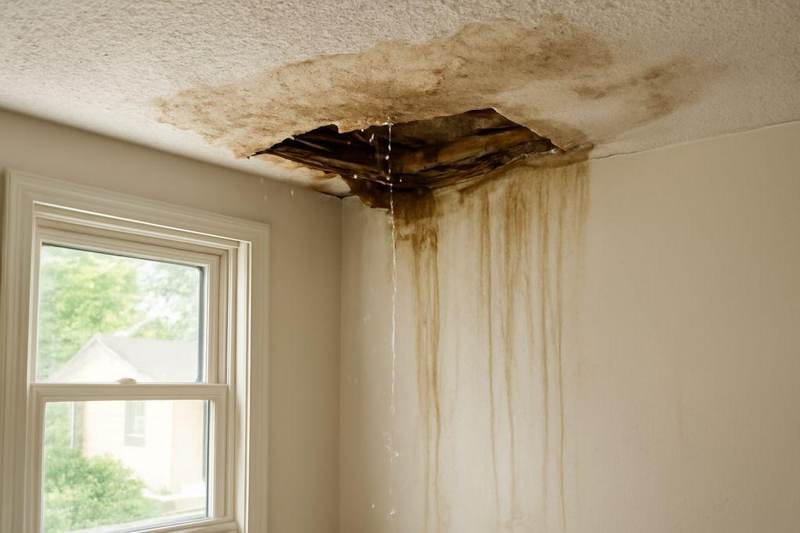
AC Leaking Water in Your Texas Home: 7 Causes, What to Do Now, and How to Stop the Damage (2026)
Read the guide →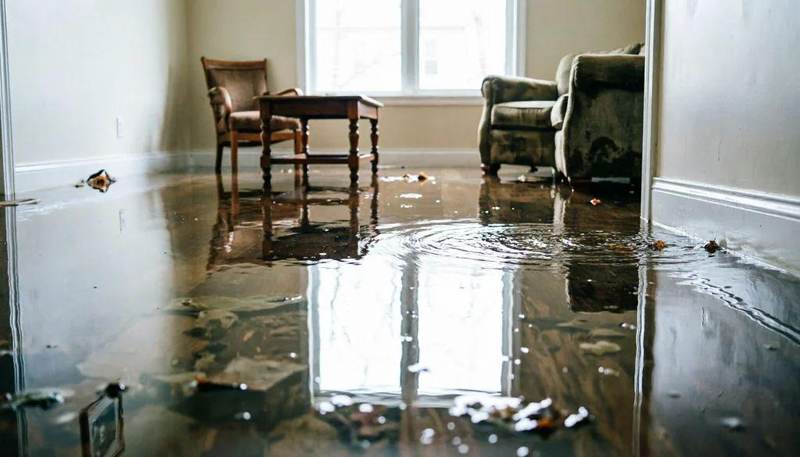
After a Flash Flood in Texas: First 48 Hours Checklist (2026 Guide)
Read the guide →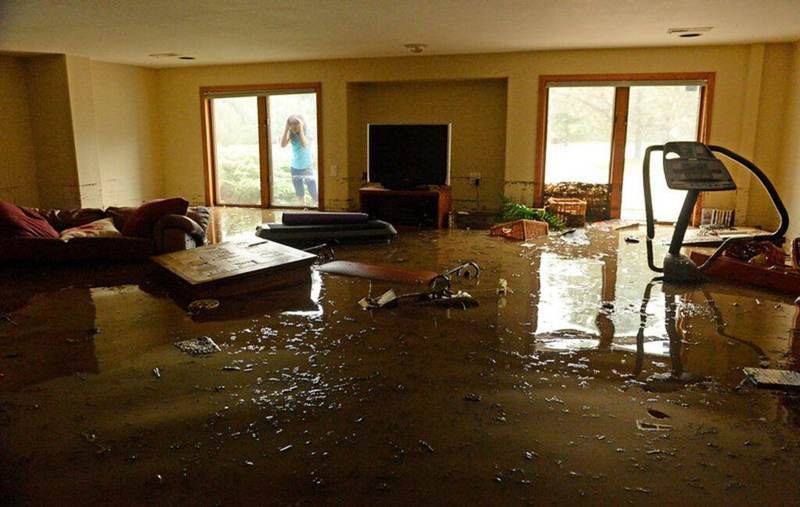
Houston Flooding: Home Cleanup Steps After Water Gets In
Read the guide →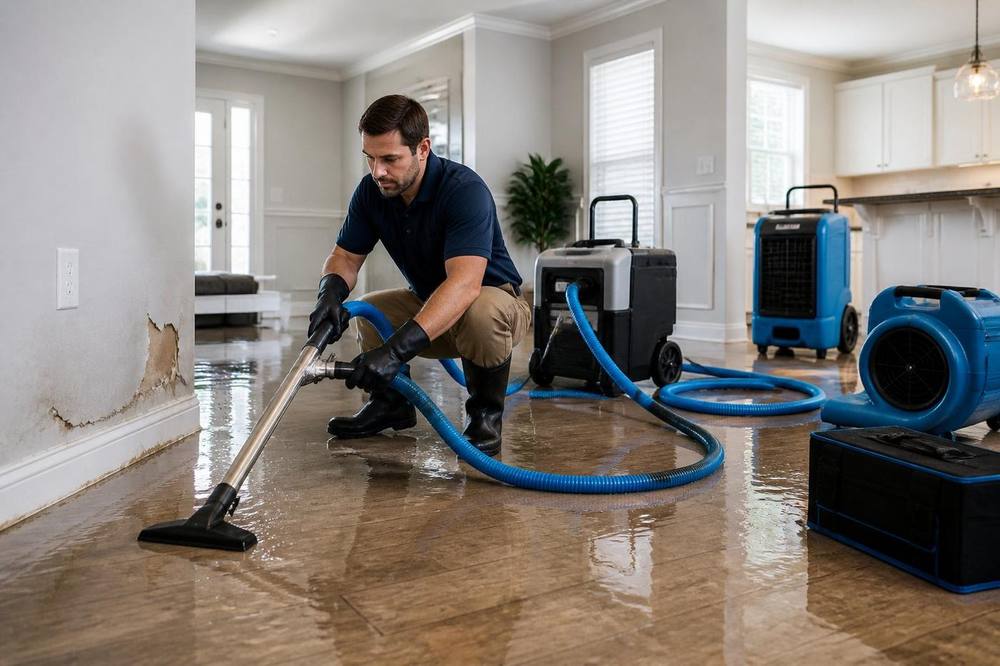
Water Under a Pier-and-Beam House in Texas: Crawl Space Drying, Mold Prevention and Long-Term Fixes
Read the guide →
Slab Leak Repair in Dallas-Fort Worth: Signs, Causes and Options
Read the guide →
Texas Winter Storm Frozen and Burst Pipes: Prevention, Response and Water Damage Guide (2026)
Read the guide →
Water Damage Restoration Cost in Texas (2026 Estimates)
Read the guide →Water Heater Leaking? What to Do Right Now Before 50 Gallons Ruin Your Texas Home (2026)
Read the guide →
Water Leak in Wall Repair Cost in Texas: Detection, Pipe, Drying, Drywall (2026 Estimates)
Read the guide →