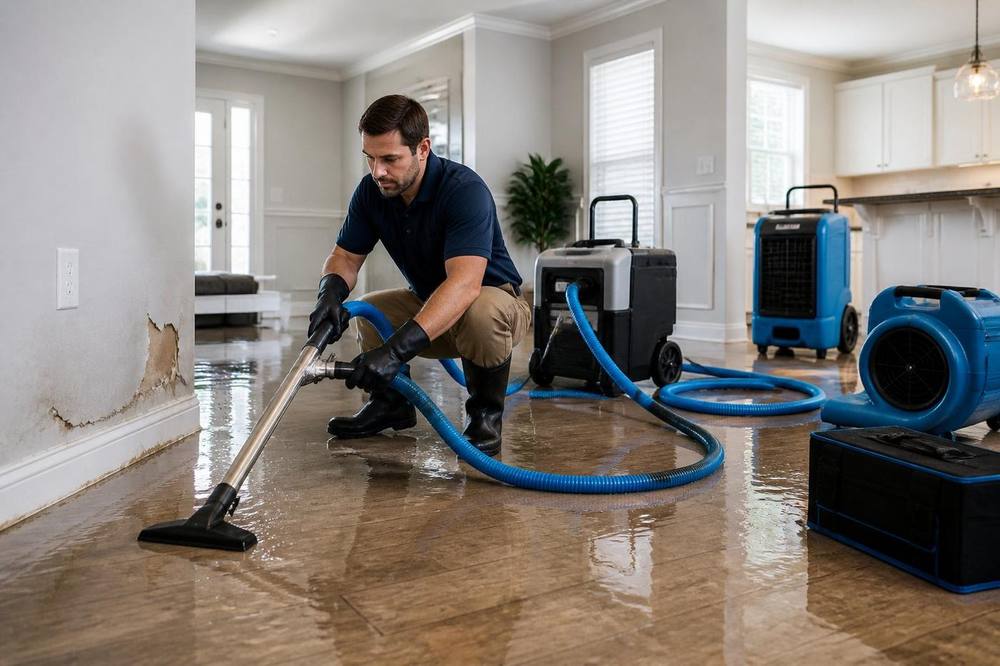
Texas Has Specific Rules About When Mold Remediation Requires a License and When You Can Handle It Yourself
Texas is one of the few states that licenses mold work through a state agency the Texas Department of Licensing and Regulation (TDLR) under Chapter 1958 of the Texas Occupations Code. The rules create a clear dividing line: mold areas of 25 contiguous square feet or larger being remediated by a hired company require a licensed mold assessment consultant and a separate licensed mold remediator. Below that threshold, or when the homeowner does the work themselves, different rules apply. Understanding exactly where that line falls saves you money and protects you from companies that exaggerate the legal requirements to inflate the job.
Call Texas Water Damage Solutions (469) 548-7594
(469) 548-7594
Texas Mold Remediation Rules at a Glance
| Rule | What It Means |
|---|---|
| Licensing agency | Texas Department of Licensing and Regulation (TDLR) |
| Governing law | Texas Occupations Code Chapter 1958 |
| Licensed remediation threshold | 25 contiguous square feet of mold in a single area |
| Independence rule | The assessor and the remediator must be independent same company cannot do both on the same job |
| Assessment requirement | Licensed mold assessment consultant must inspect, write a remediation protocol and perform post-remediation clearance |
| Certificate | Certificate of Mold Damage Remediation (CMDR) issued after clearance |
| Homeowner exemption | Homeowners can remediate their own property without a license at any size |
| Tenant rights | Landlords must follow licensing rules when hiring remediation for rental properties |
| Below 25 sq ft | No license required can be handled by the property owner, a handyman or a general contractor |
| Insurance claims | Most insurers require licensed remediation documentation for claims on mold-related damage |
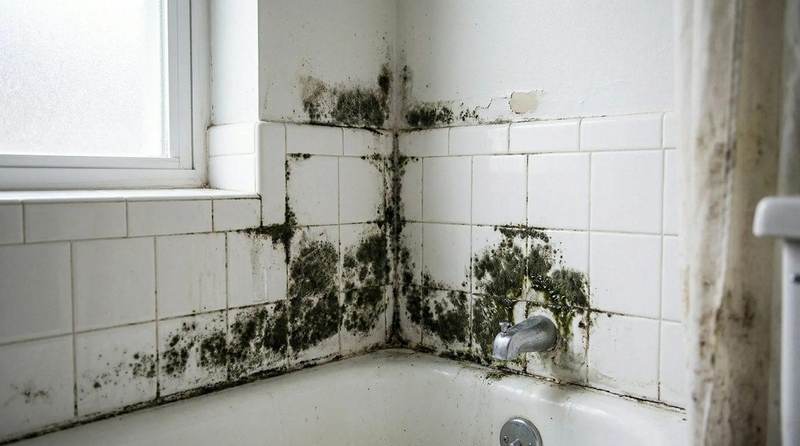
The 25 Contiguous Square Foot Threshold What Counts and What Does Not
The TDLR threshold applies to 25 contiguous square feet of mold growth in a single affected area. This measurement is the visible mold surface area, not the room size. Understanding how this measurement works is critical because it determines whether you need to hire licensed professionals or can address the mold yourself.
Contiguous means connected. A 20-square-foot mold colony on one wall section is below threshold. If that same colony extends around a corner or behind adjacent cabinetry to total 25 or more square feet of continuous growth, it crosses the threshold. Two separate 15-square-foot colonies in different rooms do not combine to trigger the threshold because they are not contiguous each is evaluated independently.
Surface area, not cubic volume. The measurement covers the surface where mold is visible wall surface, ceiling surface, floor surface. A 5-foot-wide mold patch that runs 5 feet up a wall is exactly 25 square feet and triggers the threshold. Hidden mold discovered behind drywall during remediation adds to the count once exposed.
What this means in practice: Most mold colonies from a small AC condensate leak or a minor plumbing leak behind a wall stay below 25 square feet if caught within the first few weeks. Mold from a flood event, a sewage backup or a roof leak that went undetected for months typically exceeds the threshold across multiple wall and floor surfaces.
The Independence Rule Why One Company Cannot Assess and Remediate the Same Job
This is the most important consumer protection in Texas mold law and the rule most frequently misunderstood or deliberately obscured by mold companies.
Chapter 1958 requires that the licensed mold assessment consultant who inspects the property, writes the remediation protocol and performs post-remediation clearance testing must be independent of the licensed mold remediator who performs the actual removal work. The same company or affiliated companies under common ownership cannot serve as both assessor and remediator on the same project.
The purpose is straightforward: without the independence rule, a company could assess your home, overstate the mold problem, write an inflated remediation protocol, perform the work at the inflated scope and then clear its own work. The independence rule ensures the person who decides how much work is needed has no financial interest in the amount of work performed, and the person who declares the job complete did not perform the work they are evaluating.
What to watch for: Some companies attempt to work around this rule by having a "sister company" or "partner company" perform the assessment while they perform the remediation. If the two companies share ownership, management, office space or a referral fee arrangement, they may not meet the independence standard. Ask any assessor directly whether they have any business relationship with the remediator they recommend and ask the remediator the same question about the assessor.
Read our detailed comparison of mold inspection versus mold testing in Texas for more on what the assessment process involves and when lab testing adds value beyond a visual inspection.
When You Can Handle Mold Yourself Without a Licensed Company
The homeowner exemption under Chapter 1958 allows you to remediate mold in your own home without a license regardless of the size of the affected area. This does not mean large-scale mold remediation is a good DIY project it means the state does not require you to hire a licensed company for your own property.
Situations where DIY mold removal makes sense:
Small colonies under 10 square feet on hard, non-porous surfaces bathroom tile, glass, metal, sealed concrete. Clean with detergent and water, dry the surface completely and fix the moisture source. The EPA recommends this approach for small areas on non-porous materials.
Surface mold on window frames, door casings and trim caused by condensation. This is cosmetic mold driven by temperature differentials and is resolved by cleaning, sealing and improving ventilation or insulation at the condensation point.
Situations where DIY mold removal is technically legal but practically dangerous:
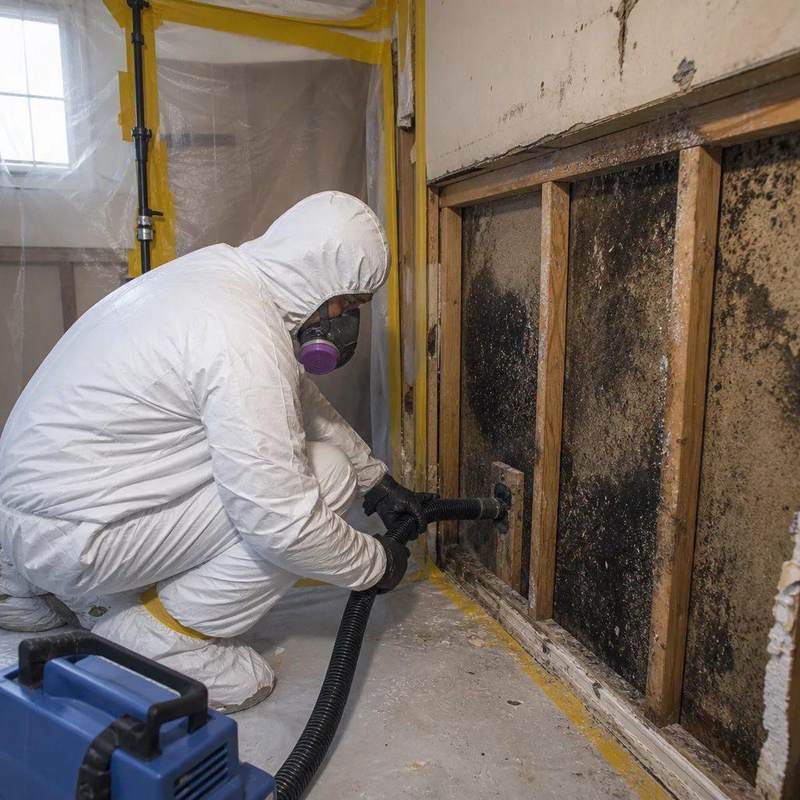
Mold covering more than 25 square feet on drywall or other porous materials. Even though the homeowner exemption allows it, removing large areas of mold-colonized drywall without proper containment releases millions of spores into the air that contaminate unaffected areas and create health exposure. HEPA air scrubbers filtering at 99.97% efficiency at 0.3 microns, negative air pressure containment and full respiratory protection are required to do this safely equipment most homeowners do not own.
Mold in HVAC ductwork. Mold spores ranging from 1 to 30 microns are distributed throughout the home every time the system runs. Duct cleaning with mold contamination requires HEPA-filtered vacuum equipment and antimicrobial treatment of the entire supply and return system.
Mold from sewage backup or flood water. Category 3 black water contamination means the mold is growing on materials that also carry bacterial pathogens. The biohazard component makes this a job for professionals with proper PPE and disposal protocols.
What Landlords and Property Managers Must Know About Texas Mold Law
The homeowner exemption does not extend to landlords hiring remediation for rental properties. If a mold area in a tenant-occupied property exceeds 25 contiguous square feet, the landlord must hire a licensed mold assessment consultant and a separate licensed mold remediator. Performing the work yourself as the property owner does fall under the exemption, but hiring an unlicensed contractor to do it does not.
Landlords who ignore mold complaints risk habitability claims under the Texas Property Code. While Texas does not have a specific mold habitability statute, courts have applied the general warranty of habitability to severe mold cases that affect air quality and tenant health.
For commercial properties, the same TDLR licensing rules apply. Property managers who handle multi-tenant buildings should maintain a relationship with both a licensed assessor and a licensed remediator so response to mold discoveries is immediate rather than delayed by contractor sourcing.
The Mold Remediation Process Under Texas TDLR Rules
When a job triggers the 25-square-foot threshold and is being performed by hired professionals, Texas law prescribes a specific sequence:
Step 1 Licensed Mold Assessment. A TDLR-licensed mold assessment consultant inspects the property, documents the mold location and extent, identifies the moisture source, determines whether lab testing is warranted, and writes a detailed mold remediation protocol. This protocol specifies exactly what must be removed, what must be treated, what containment measures are required and what standards the remediator must meet.
Step 2 Licensed Mold Remediation. A separate TDLR-licensed mold remediator performs the work following the assessment consultant's protocol. This includes containment setup with polyethylene sheeting and negative air pressure, HEPA air filtration, removal of contaminated materials, antimicrobial treatment of structural materials, and proper disposal of contaminated debris. See our mold remediation timeline guide for how long each phase typically takes.
Step 3 Post-Remediation Clearance. The original assessment consultant returns after remediation to verify the work meets the protocol specifications. This typically includes visual inspection and air sampling to confirm spore counts are at or below outdoor baseline levels. If the area passes clearance, the assessor issues a Certificate of Mold Damage Remediation (CMDR).
The estimated cost of this full process depends on the area size, contamination level and materials involved. The assessment and clearance together typically add $500 to $1,500 to the total cost beyond the remediation work itself.
Texas Homeowners Ask These Questions Before Calling a Mold Company
Is the 25 Square Foot Rule Per Room or Per Property?
Per contiguous area of mold growth. A 20-square-foot colony in the master bathroom and a separate 15-square-foot colony in a guest bedroom are two independent areas, each below threshold. A single colony that stretches 30 square feet across a wall and into an adjacent closet is one contiguous area above threshold. The measurement follows the mold, not the room boundaries.
What Happens If a Company Does Both Assessment and Remediation in Texas?
The work violates Chapter 1958 of the Texas Occupations Code. The CMDR certificate issued after such a job would be invalid. If the mold returns and you file an insurance claim or a complaint, the violation becomes a problem for both you and the company. More practically, you lose the consumer protection the independence rule provides nobody independent verified that the work was done correctly.
Can a General Contractor Remove Mold During a Renovation in Texas?
If the mold area is below 25 contiguous square feet, a general contractor can remove the affected materials without a mold license. Above that threshold, the general contractor must bring in a licensed assessor and a licensed remediator. Many renovation projects uncover hidden mold behind walls the contractor should stop work, assess the area size and bring in licensed professionals if the threshold is met.
Does Insurance Cover Mold Remediation in Texas?
Most Texas homeowners policies cover mold remediation when the mold results from a covered peril a burst pipe, a sudden appliance failure, storm damage. Policies typically exclude mold from long-term maintenance failures, gradual leaks and pre-existing conditions. Many Texas policies cap mold coverage at $10,000 to $25,000 as a sublimit within the broader water damage coverage. Proper documentation from a licensed assessor strengthens your claim.
How Do I Verify a Mold Company's TDLR License in Texas?
Search the TDLR license verification database online at tdlr.texas.gov. Enter the company name or individual name and confirm the license type (mold assessment consultant or mold remediator), license number, status and expiration date. Any legitimate company will provide their license number on request hesitation to provide it is a disqualifying red flag.
Texas Communities Where Mold Remediation Demand Is Highest
Houston Metro Highest mold remediation demand in the state driven by Gulf Coast humidity, hurricane flooding, AC-dependent indoor environments and dense housing stock. We serve Crosby, Humble, Katy, Magnolia and Montgomery.
Dallas-Fort Worth Slab leaks on Blackland Prairie clay create hidden moisture that feeds wall cavity mold for weeks before symptoms appear. We serve Rockwall, Southlake, Grapevine and Keller.
Austin and Hill Country Flash flood recovery and high humidity after rain events. We serve Wimberley, Pflugerville and Georgetown.
San Antonio Older homes, pier-and-beam foundations with crawl space moisture problems and flash flood exposure along creek drainages. We serve Adkins, Castroville and Elmendorf.
East Texas Pine forest humidity, pier-and-beam housing stock and limited climate control in older homes. We serve Bullard and Diboll.
Mold Does Not Wait for a License Verification Neither Should You
Whether your mold situation falls above or below the TDLR threshold, the moisture feeding it is still running. Our teams locate the water source, perform water extraction and structural drying to stop mold growth at the source, and coordinate with licensed assessors and remediators when the scope requires it. One call starts the process.
Call (469) 548-7594 24/7 Mold and Water Damage Response
More Texas Water Damage Guides
Practical, no-pressure guides written for Texas homeowners.
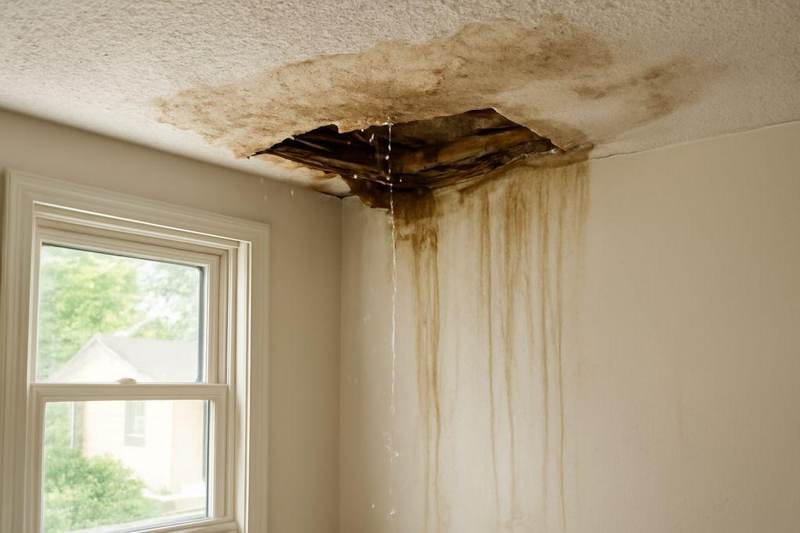
AC Leaking Water in Your Texas Home: 7 Causes, What to Do Now, and How to Stop the Damage (2026)
Read the guide →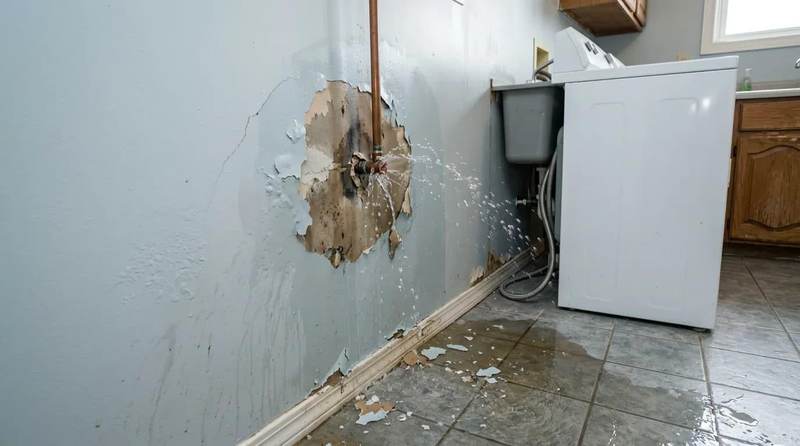
Water Leak in Wall Repair Cost in Texas: Detection, Pipe, Drying, Drywall (2026 Estimates)
Read the guide →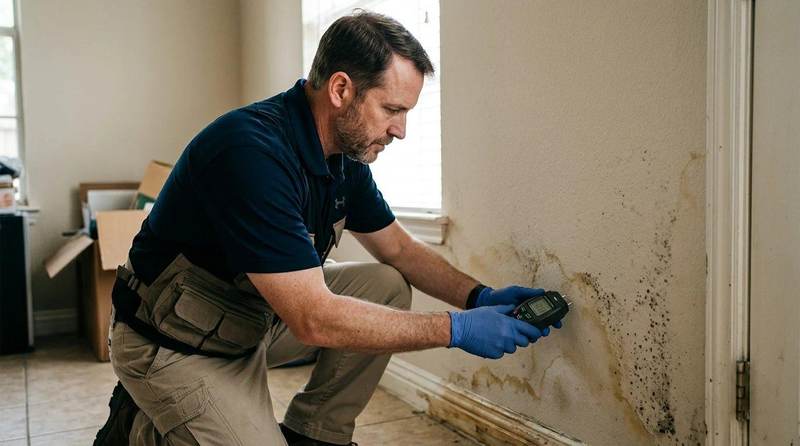
Mold Inspection vs Mold Testing in Texas: Which One You Actually Need and When Testing Is Worth It (2026)
Read the guide →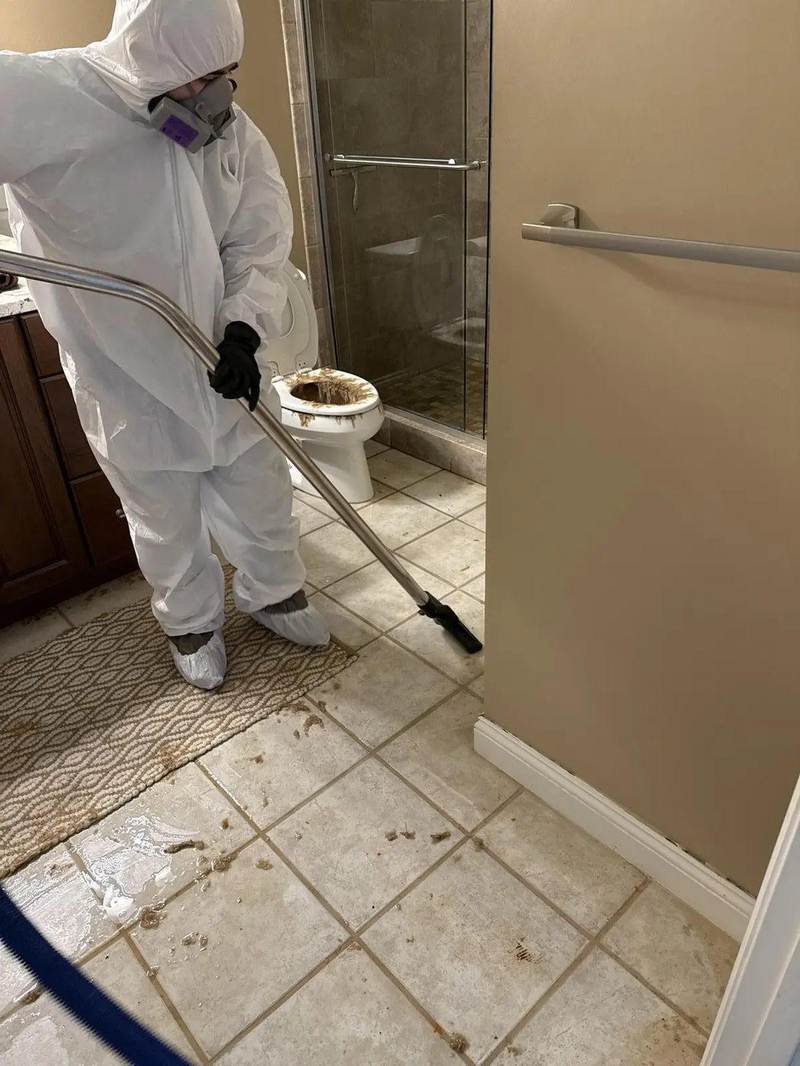
Sewer Backup in Your Texas Home: Cleanup, Health Risks and Prevention
Read the guide →Mold Remediation Timeline in Texas: How Long Each Step Takes From Inspection to Clearance (2026)
Read the guide →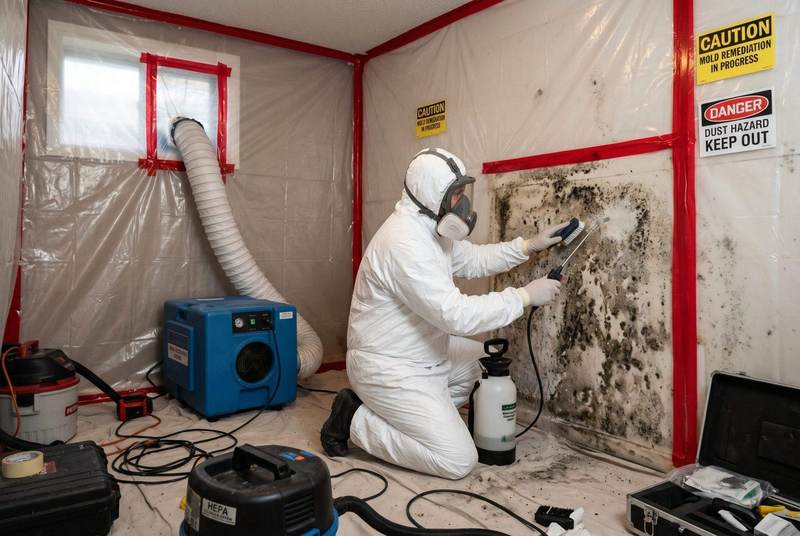
Mold Remediation Cost in Texas: 2026 Estimated Ranges by Job Size
Read the guide →
Slab Leak in Dallas-Fort Worth Signs, Detection and Damage Prevention (2026)
Read the guide →