
Water Damage Restoration in Texas
Burst pipe? Flooding? Sewage backup? Water spreads fast through floors, walls, and ceilings. We extract the water, dry the structure, and restore your property step by step.
- Water extraction
- Structural drying
- Mold remediation
Serving homeowners and businesses across 30+ Texas cities
Need Water Damage Help Right Now?
24/7 emergency water damage help is available. Call (469) 548-7594 to discuss your situation and find out what steps to take next.
Emergency Water Damage in Texas
When water is actively entering your home or business, the situation can change quickly.
Common emergency water damage situations include burst or leaking pipes, water heater failures, washing machine leaks, dishwasher or refrigerator supply-line leaks, overflowing toilets, roof leaks, storm water intrusion, flooding, and sewage backups.
If the water source is still active and you can safely stop it, shut off the appropriate water supply. If standing water is near electrical outlets, appliances, wiring, or other electrical equipment, do not enter the water or attempt electrical repairs yourself. If the property is unsafe, leave the affected area and contact the appropriate emergency service.
Once the immediate safety issue is controlled, the next step is determining where the water traveled and which materials need to be extracted, dried, cleaned, removed, or repaired.
Get Help Fast
Tell us what happened. Calling is the fastest way to reach us right now.
When Water Is Still Coming In
If water is actively entering the property, focus first on safety and stopping the source when it is safe to do so. Once the immediate hazard is controlled, the next priority is removing standing water and determining how far moisture has traveled.
What to Do First After Water Damage
You do not need to figure out the entire restoration process yourself. Start with the basics.
- 1
Stop the Water Source If Safe
For a plumbing leak, shut off the appropriate water supply if you can safely reach it.
- 2
Stay Away From Electrical Hazards
Never assume standing water is safe around electrical equipment, outlets, or wiring.
- 3
Protect Your Belongings
If it is safe, move important belongings away from the affected area. Do not move items through potentially contaminated water unnecessarily.
- 4
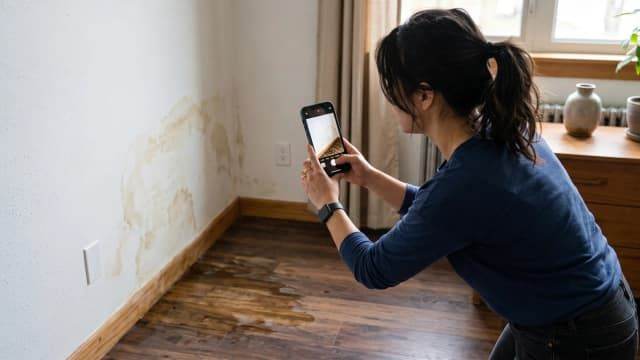
Document the Damage
Take photographs and videos of the affected areas before cleanup or removal when it is safe to do so.
- 5
Get the Property Assessed
Visible water does not always show the full extent of the damage. Moisture can remain beneath flooring, inside walls, behind cabinets, and in other concealed areas.
Water Damage Restoration Services
Different water problems require different restoration approaches.
Emergency Water Damage
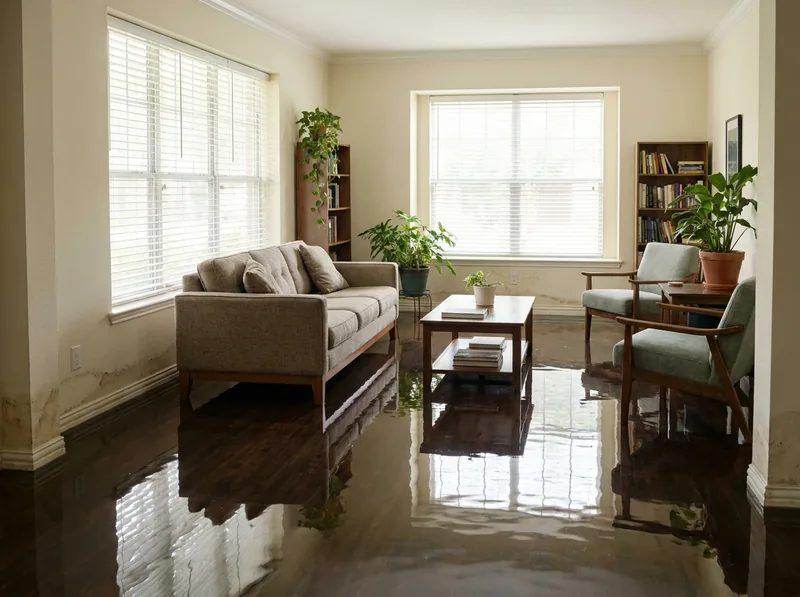
Emergency restoration focuses on active or recent water losses: identifying the source, controlling additional water entry, removing standing water, and beginning appropriate drying.
Emergency Water Damage →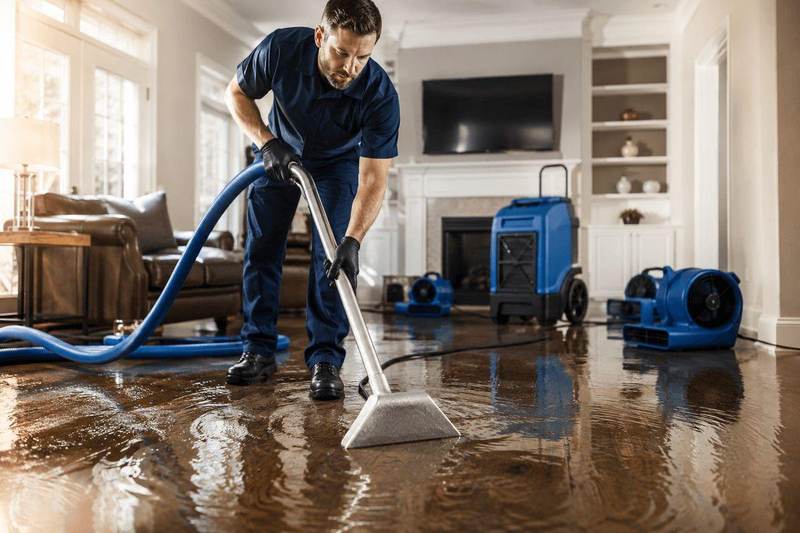
Water Extraction
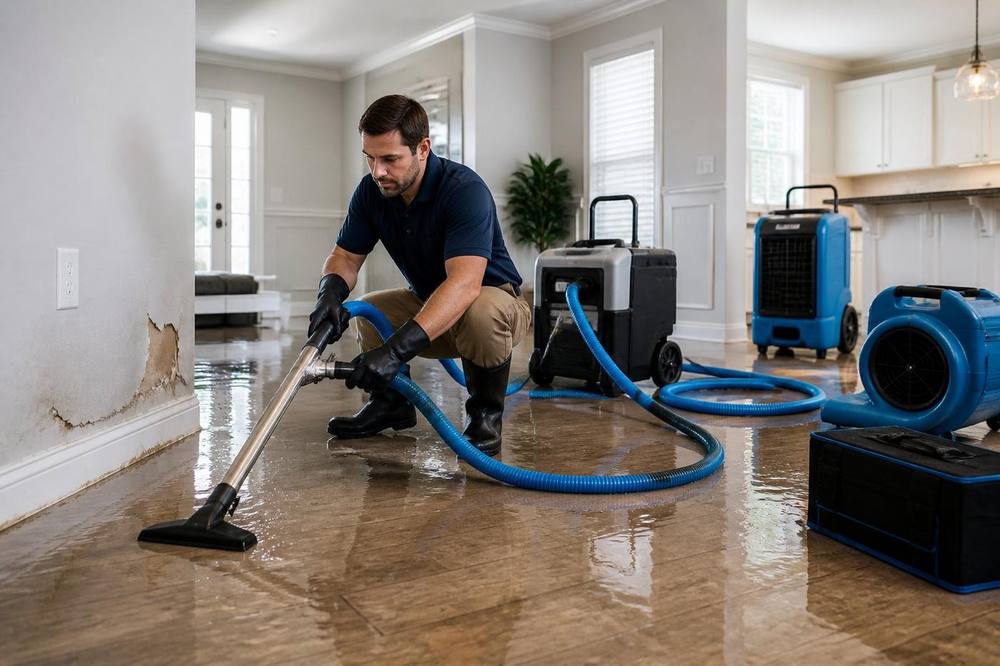
Water extraction removes standing water from affected areas. Removing visible water is only one part of restoration, since moisture can remain inside building materials afterward.
Water Extraction →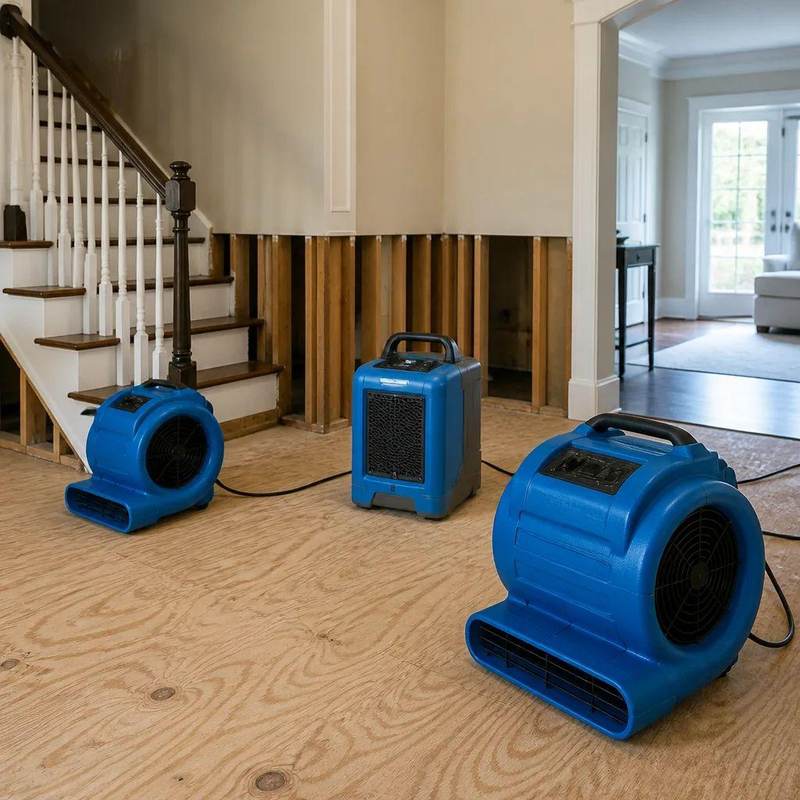
Structural Drying
Structural drying addresses moisture remaining inside drywall, subfloors, framing, insulation, and wall cavities, with moisture measurements tracking drying progress.
Structural Drying →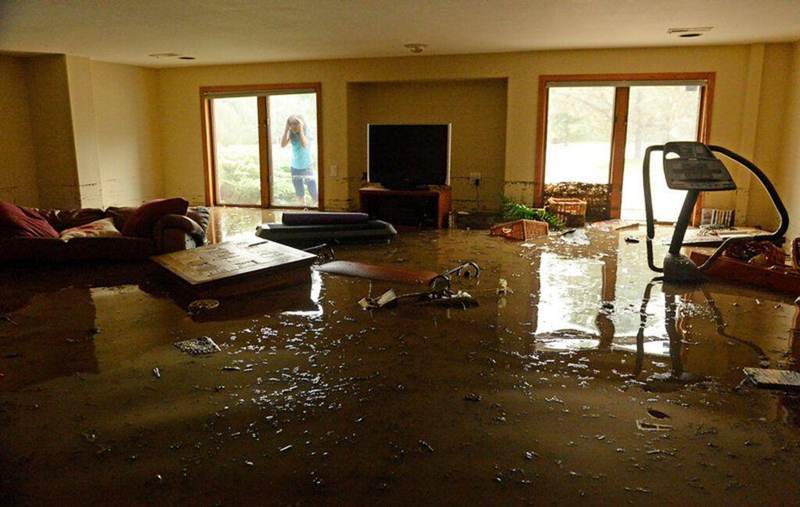
Flood Damage Restoration
Floodwater creates different cleanup concerns from a clean-water plumbing leak, from water removal and assessment to cleaning, disinfection, and drying.
Flood Damage Restoration →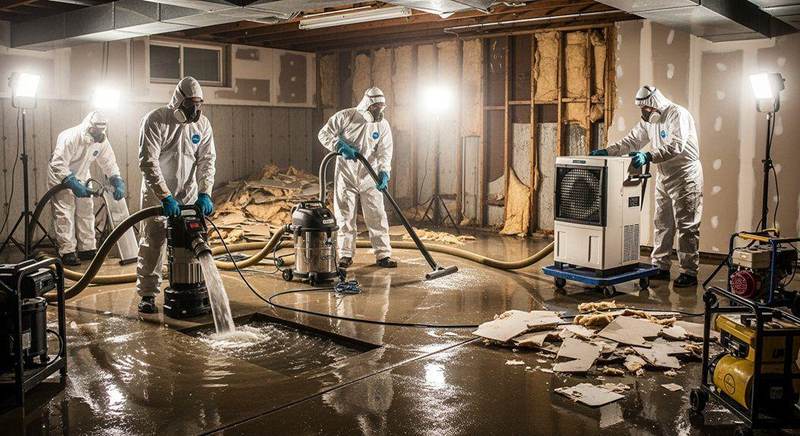
Sewage Cleanup
Sewage-contaminated water should be treated as a potential health hazard, with containment, removal, cleaning, disinfection, and drying handled step by step.
Sewage Cleanup →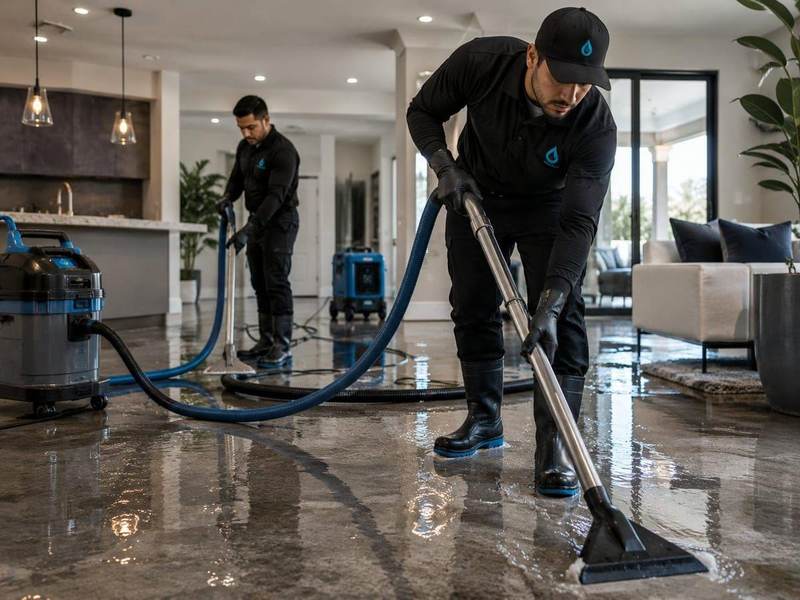
Burst Pipe Water Damage
A burst pipe can release a large amount of water in a short period. The first priority is stopping the water source when it is safe to do so.
Burst Pipe Water Damage →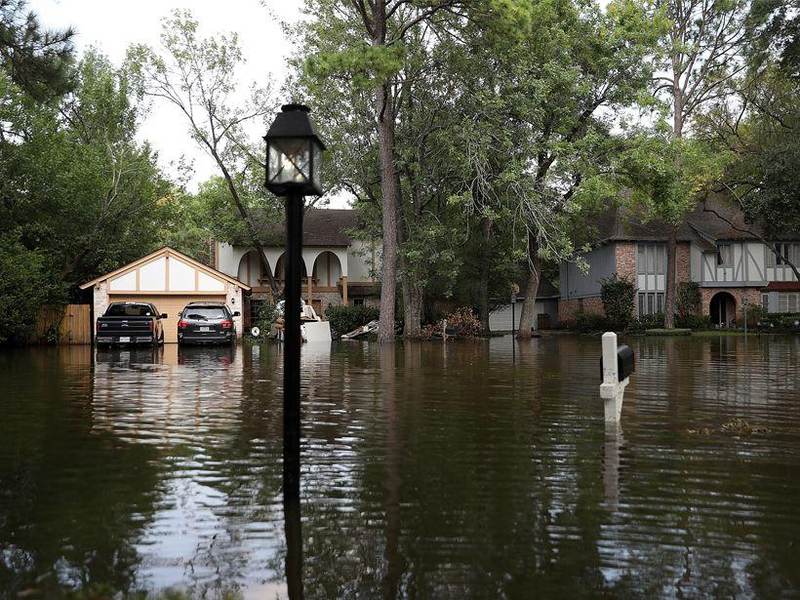
Storm Water Damage
Texas storms can drive water through damaged roofing, windows, doors, and other exterior openings. Inspect the property only when conditions are safe.
Storm Water Damage →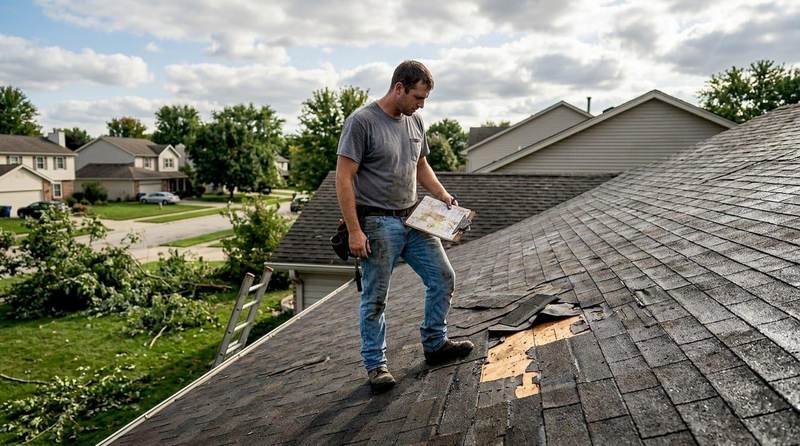
Roof Leak Water Damage
A roof leak may not produce an obvious puddle. Water can travel along roofing materials, framing, and insulation before becoming visible inside.
Roof Leak Water Damage →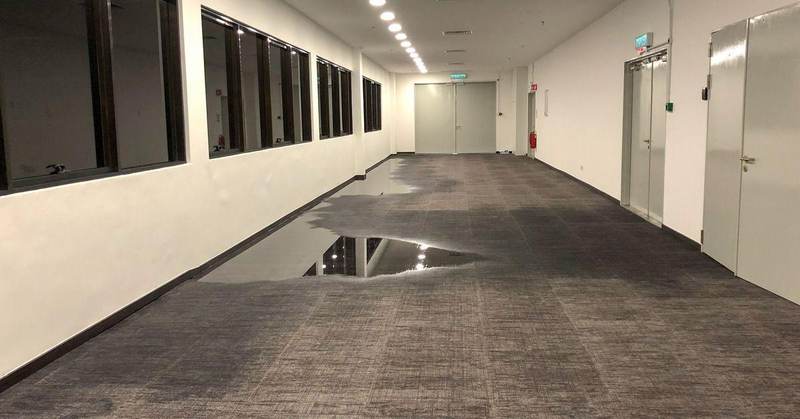
Commercial Water Damage
For a business, water damage can affect the building, employees, customers, inventory, equipment, and daily operations. The approach depends on the property and its needs.
Commercial Water Damage →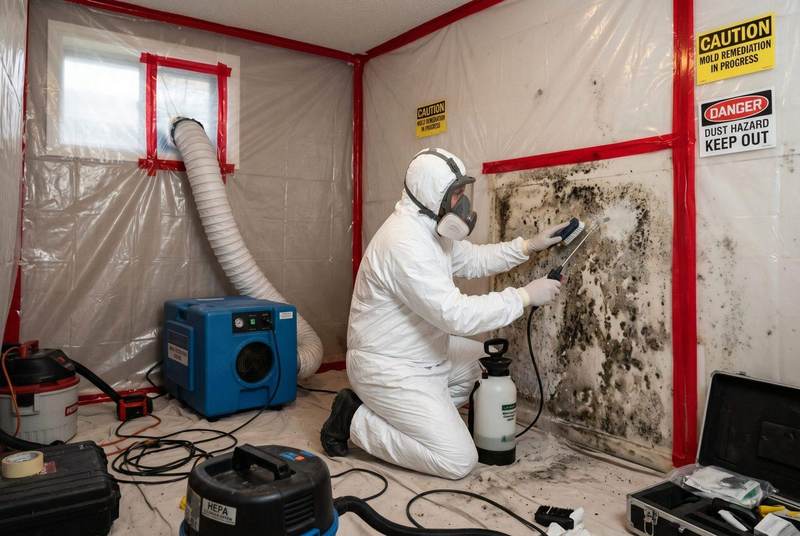
Mold After Water Damage
Moisture that remains inside a building can create conditions that support mold growth. Addressing the moisture source is an important part of the solution.
Mold Remediation →Common Causes of Water Damage in Texas
Not every water loss begins with a major flood. Many problems start with a plumbing failure, appliance leak, roof problem, or drainage issue.
- Burst pipes and plumbing leaks
- Failed water heaters and washing machine hoses
- Dishwasher leaks and refrigerator water lines
- HVAC condensate problems
- Toilet and drain overflows
- Roof leaks and storm water intrusion
- Sewage backups and flooding
- Exterior drainage problems
A visible stain does not necessarily represent the full extent of the moisture. Water can move behind walls, beneath floors, through insulation, and into other concealed areas. Water damage can begin with a plumbing failure inside the property or with water entering from outside. Identifying the source helps determine the appropriate cleanup, drying, and restoration approach.
How Water Damage Restoration Works
The exact process depends on the source, severity, materials, and condition of the property.
- 1
Identify the Source
A burst pipe, a roof leak, a sewage backup, an appliance failure, and a flood each need a different approach.
- 2
Assess the Affected Areas
Visible water does not always show the full extent of moisture. Affected rooms, flooring, walls, ceilings, and other materials should be assessed to determine where moisture has traveled.
- 3
Remove Standing Water
Standing water is removed using appropriate extraction methods. The amount of water, affected materials, accessibility, and property layout influence the process.
- 4
Dry the Structure
After visible water has been removed, remaining moisture must be addressed. Air movers increase air circulation across wet materials, while dehumidification helps reduce moisture in the surrounding air.
- 5
Clean and Address Contamination
Cleaning requirements depend on the source and condition of the water. A clean-water plumbing loss should not automatically be treated the same way as sewage or floodwater.
- 6
Repair and Restore
Once affected areas have been appropriately dried and cleaned, damaged materials such as drywall, flooring, trim, cabinets, insulation, and paint can be repaired or replaced as necessary.
Why Hidden Moisture Matters
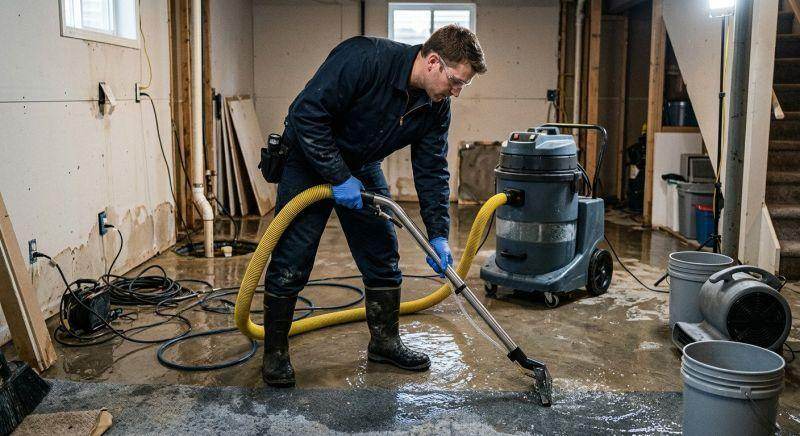
One of the biggest mistakes after water damage is assuming that visible dryness means the structure is completely dry. It does not.
Water can remain behind drywall, under flooring, inside wall cavities, beneath cabinets, in insulation, inside subfloors, and around framing. A surface can feel dry while moisture remains underneath. That is why moisture assessment and appropriate structural drying can be important after significant water intrusion.
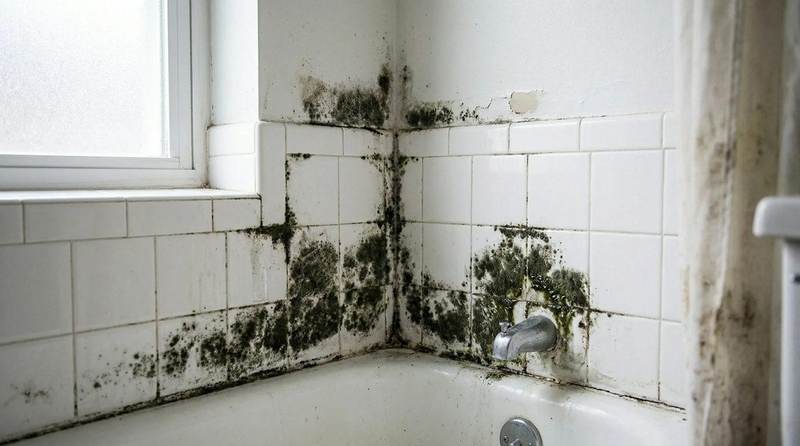
Water Damage Risks Across Texas
Texas covers a large geographic area, so water-related risks vary by region.
North Texas and Dallas-Fort Worth
North Texas properties can experience severe thunderstorms, hail, roof damage, plumbing failures, and occasional freezing conditions. Storm-related roof damage can allow rain to enter attics, ceilings, and upper floors.
Houston and the Gulf Coast
Heavy rainfall, tropical systems, drainage limitations, and coastal conditions can contribute to flooding and water intrusion. Floodwater may require different cleanup procedures from a clean interior plumbing leak.
Central Texas
Central Texas can experience intense rainfall and rapid runoff. Properties in areas vulnerable to flash flooding may face sudden water intrusion during severe weather.
South and West Texas
Severe storms, heavy rainfall events, plumbing failures, and property-specific drainage conditions can contribute to water damage. The restoration process should always be based on the actual source and condition of the water.
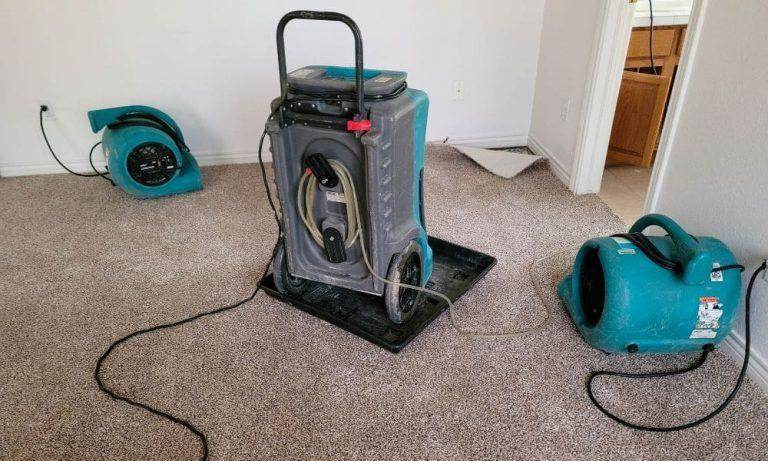
Residential Water Damage Restoration
Water damage inside a home can spread beyond the room where the problem started, reaching kitchens, bathrooms, laundry rooms, bedrooms, attics, garages, ceilings, flooring, walls, and cabinets. The objective is to identify affected areas, remove water, address remaining moisture, clean where necessary, and determine which materials can be restored.
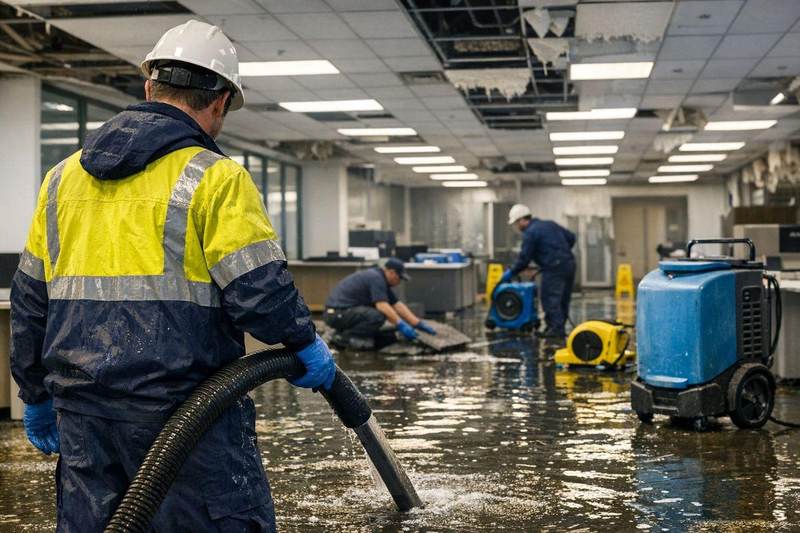
Commercial Water Damage Restoration
A commercial water loss can affect employees, customers, inventory, equipment, building materials, and daily operations. A small office leak may require a very different response from extensive damage affecting a restaurant, apartment building, retail property, or warehouse.
Water Damage Documentation and Insurance
Insurance coverage depends on the specific policy, cause of loss, exclusions, endorsements, and circumstances surrounding the damage.
A sudden plumbing failure may be treated differently from gradual seepage. Flooding from outside the property may also involve different coverage considerations. Do not assume every water loss is covered. Contact your insurance company or agent for a coverage determination.
What Should You Document?
When safe, document the source of the water, date and time discovered, photos, videos, affected rooms, damaged belongings, visible water, damaged materials, restoration work, and estimates and invoices. Keep copies of relevant records.
When Water Damage Needs Immediate Attention
Some situations deserve immediate attention because water is still moving or because safety and contamination are involved.
- Active plumbing leaks: water continues entering the property.
- Standing water: water has accumulated across flooring or other surfaces.
- Sewage contamination: wastewater has entered the building.
- Floodwater: water has entered from outside the property.
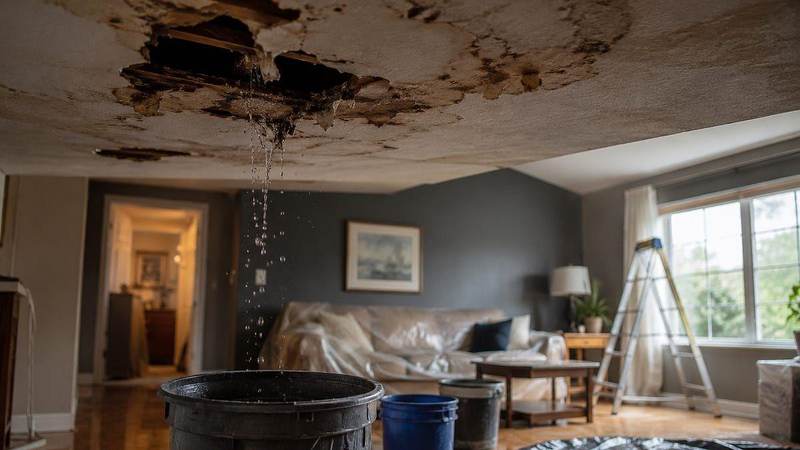
- Water inside walls or ceilings: moisture may have moved into concealed building materials.
- Electrical concerns: water has reached electrical equipment, outlets, wiring, or appliances.
- Extensive roof leaks: rain continues entering through damaged roofing.
Personal safety should always come before property protection.
Frequently Asked Questions
If you can safely identify and stop the source, do so. Keep away from standing water when electrical hazards may be present. Move valuables only if it is safe. Take photographs of the damage and arrange an appropriate assessment.
As soon as reasonably possible. Water can move into building materials and concealed spaces, and prolonged moisture can increase the risk of additional damage.
Mold growth depends on moisture, temperature, material, humidity, and other environmental conditions. Warm and humid conditions can increase the risk. Addressing the moisture source and beginning appropriate drying can help reduce the conditions that support mold growth.
There is no universal drying time. It depends on the amount and type of water, materials affected, temperature, humidity, air circulation, and extent of hidden moisture. Moisture measurements are more useful than choosing an arbitrary number of days.
It depends on the policy and cause of damage. Sudden and accidental losses may be covered under some policies, while gradual leaks, maintenance issues, and flooding may have exclusions or separate coverage requirements. Contact your insurance company or agent for a coverage decision.
There is no reliable single price for every property. Cost can depend on the size of the affected area, amount and type of water, materials affected, demolition and drying requirements, cleaning, and repairs. An assessment is needed to understand the actual scope.
Sometimes. A small, contained loss may not require relocation. Sewage contamination, extensive flooding, electrical hazards, structural concerns, or major demolition may make leaving the property the safer option.
Yes. Persistent moisture can create conditions that support mold growth. The risk depends on moisture, temperature, humidity, materials, and other environmental conditions.
Service availability depends on the specific location. Visit our Areas We Serve page for current coverage and individual city information.
Texas Water Damage Service Areas
Our website is organized around Texas communities so property owners can find information relevant to their location.
Water Damage Does Not Always Stay Where You See It
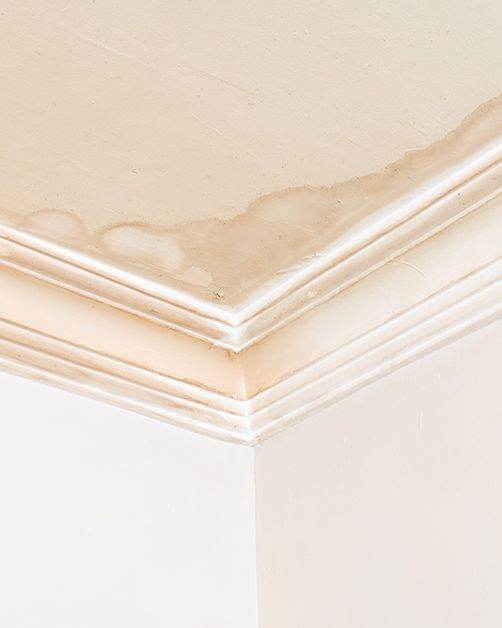
A small ceiling stain can be connected to moisture above it. Water around a washing machine can reach the subfloor. A roof leak can travel through insulation before becoming visible. Flood or sewage water can create additional cleanup and safety concerns.
The right response starts with safety, source control, assessment, water removal, drying, and appropriate cleanup. If you are dealing with water damage in your Texas home or business, Texas Water Damage Solutions can help you understand the next steps and determine what the situation requires.
Need Water Damage Help in Texas?
Call (469) 548-7594 to discuss your situation.
(469) 548-759424/7 Emergency Water Damage Help
Request a Callback
Describe what happened and where the damage is.