Professional Leak Detection in Texas Costs a Fraction of the Water Damage It Prevents
A hidden leak running behind a wall or under a concrete slab for weeks causes thousands of dollars in water damage restoration, potential mold remediation and structural repairs. Professional electronic leak detection pinpoints the exact location without exploratory demolition saving time, money and the integrity of your home's structure. The detection cost is almost always the smallest line item on the final invoice.
Schedule Leak Detection Call (469) 548-7594
(469) 548-7594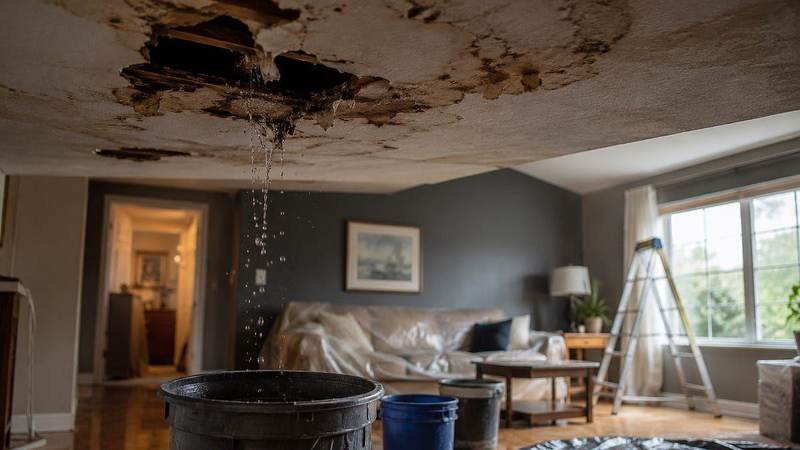
Texas Leak Detection Costs at a Glance
| Detection Type | Estimated Cost Range | Best For |
|---|---|---|
| Standard residential leak detection (acoustic + thermal) | $150 - $400 | Single suspected leak in a home |
| Slab leak detection (full protocol with pressure testing) | $250 - $600 | Suspected leak under concrete foundation |
| Wall and ceiling leak detection | $150 - $350 | Hidden leaks behind finished surfaces |
| Underground water line detection (yard/main) | $200 - $500 | Leak between meter and house |
| Pool and spa leak detection | $200 - $500 | Pressure testing, dye testing, structural |
| Commercial building leak detection | $400 - $1,500+ | Multi-floor, multi-system, complex routing |
| Sewer and drain line camera inspection | $150 - $400 | Drain line cracks, bellies, root intrusion |
| Thermal imaging survey (whole home) | $200 - $500 | Comprehensive moisture mapping |
What You Are Actually Paying For The Technology Behind Each Detection Method
Professional leak detection is not a plumber listening at the wall with a stethoscope. Modern electronic detection uses multiple technologies in combination to pinpoint leaks within inches, non-invasively, through concrete, tile, drywall and soil.
Acoustic leak detection uses highly sensitive ground microphones and contact sensors that amplify the sound of pressurized water escaping through a pipe crack or failed joint. The technician places sensors at grid points across the floor or wall surface and compares signal strength at each point the loudest signal marks the leak location directly above or behind the failure. Pressurized supply line leaks produce the strongest acoustic signature because the water is under constant pressure. This technology works through concrete slabs up to 6 inches thick and is the primary method for slab leak detection in DFW.
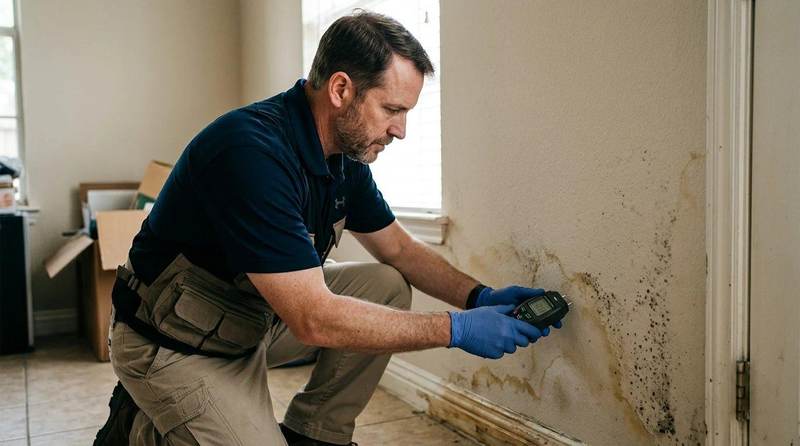
Thermal imaging uses infrared cameras that detect temperature differentials on surfaces. A hot water supply leak shows as a warm plume spreading from the leak point across the floor or down a wall. A cold water leak creates a cooler zone. Moisture in wall cavities evaporates and cools the wall surface, creating a thermal signature visible through paint and drywall. This is especially effective for identifying hidden leaks behind walls where no visible moisture is present on the finished surface.
Pressure isolation testing determines which specific pipe contains the leak. The technician caps and pressurizes each supply line independently hot, cold and any dedicated lines and monitors the pressure gauge over 15 to 30 minutes. The line that drops pressure contains the leak. Applied to drain lines using air inflation or hydrostatic testing, the same principle identifies drain-side failures. This does not locate the leak but narrows the search to a specific pipe system before acoustic and thermal methods pinpoint the exact position.
Electromagnetic pipe locating maps the path of metallic pipes through walls, slabs and underground. A transmitter sends a signal through the pipe, and a receiver traces the signal path at the surface. This tells the technician exactly where to focus acoustic and thermal testing critical in homes where pipes do not follow expected layouts due to previous repairs, additions or non-standard construction.
Video camera inspection for drain and sewer lines sends a waterproof camera head through the pipe to visually identify cracks, joint separations, bellies (sagging sections that hold water), root intrusion and corrosion. The camera records footage with a distance counter so the technician knows exactly how far from the cleanout access the problem is located. This is the definitive method for diagnosing sewer line problems without excavation.
When Leak Detection Saves You Thousands The Most Common Texas Scenarios
The Rising Water Bill With No Visible Leak
Your water bill has increased $40 to $100 per month with no change in usage habits. The water meter test confirms a leak the low-flow indicator moves with everything off. But nothing is visibly wet anywhere in the house. This is the classic hidden supply line leak: running behind a wall, under the slab or in the yard between the meter and the house. Detection cost of $150 to $400 identifies the location so repair is targeted rather than exploratory.
Warm Spot on the Floor Possible Slab Leak
A warm area on tile or hard flooring, especially in a bathroom or kitchen, suggests a hot water supply line leak under the slab. In DFW's Blackland Prairie clay soil, slab leaks are endemic the swell-shrink cycle of expansive clay stresses rigid copper pipes until they crack. Full slab leak detection with acoustic, thermal and pressure testing costs $250 to $600 and pinpoints the leak within inches so the plumber cuts only the necessary section of concrete.
Musty Smell but No Visible Mold
A persistent musty or damp smell in a room without any visible moisture suggests a hidden leak feeding mold growth inside a wall cavity, under flooring or in a crawl space. Thermal imaging and moisture mapping identify where the moisture is accumulating without opening walls. Early detection at this stage prevents full-scale mold remediation that costs $1,500 to $9,000.
Foundation Cracks Appearing With No Obvious Cause
New diagonal cracks at window and door corners, doors that suddenly stick and gaps between trim and the ceiling may indicate a hidden leak that is saturating the soil under part of the foundation. In DFW clay soil, this causes differential foundation movement. Leak detection combined with moisture mapping determines whether a plumbing failure is driving the foundation issue information that changes the repair sequence and prevents spending $10,000+ on foundation piers before fixing the $800 pipe that caused the problem.
Post-Storm Roof Leak With No Attic Access Point
After a Texas hail storm or heavy rain, moisture appears on a ceiling but the leak path through the attic is not obvious because water travels along rafters and can emerge feet from the actual roof penetration. Thermal imaging traces the moisture path from the ceiling spot backward to the entry point. Detection cost of $150 to $350 eliminates the roofing contractor's guesswork and prevents multiple repair attempts at the wrong location.
What Affects Leak Detection Pricing in Texas
Property type and size. A 1,500-square-foot single-story home with standard plumbing layout takes two to three hours. A 4,000-square-foot two-story home with multiple bathrooms, a pool and an outdoor kitchen may take four to six hours. Commercial buildings with complex multi-floor plumbing systems, fire suppression lines and chilled water loops require specialized equipment and may need multiple visits.
Access difficulty. Slab-on-grade foundations with direct floor access cost less to inspect than raised foundations where the technician must work in a crawl space, or second-floor leaks where equipment must reach above-ceiling spaces. Finished basements with multiple floor coverings add complexity.
Number of suspected leak areas. A single suspected leak in one room costs less than a whole-home leak survey where the homeowner knows there is a leak somewhere but cannot narrow the area. Some companies charge a base fee for the first leak location and a reduced fee for additional locations found during the same visit.
Time of service. Standard business-hours detection is the baseline price. Emergency after-hours detection a supply line spraying inside a wall at midnight typically carries a 15 to 25 percent premium because the technician is called from on-call status. However, the emergency response premium is almost always less than the additional water damage from waiting until morning.
Questions Texas Homeowners Ask Before Scheduling Leak Detection
Can I Find a Hidden Leak Myself Without Professional Equipment?
You can narrow the area using the water meter test, visual inspection for stains and bulging, and physical checks for warm floor spots. But pinpointing the exact location through a concrete slab or behind a finished wall requires acoustic sensors, thermal cameras and pressure testing equipment that costs $5,000 to $20,000 for a professional kit. The DIY alternative cutting open walls and chipping concrete until you find it costs more in repair than the detection fee.
Does My Insurance Cover Leak Detection in Texas?
Most Texas homeowners policies do not cover the detection cost itself but do cover the resulting water damage once a leak is confirmed. Some policies cover "tear-out and repair" which includes the reasonable cost of accessing the leak. Check your policy language for "access to the source" coverage this provision, when present, can reimburse detection and the cost of opening walls or slabs to reach the pipe.
How Accurate Is Electronic Leak Detection?
With a skilled technician using acoustic, thermal and pressure methods in combination, accuracy within 6 to 12 inches is standard. Single-method detection is less reliable acoustic alone can be thrown off by ambient noise, thermal alone can miss small leaks, and pressure testing alone identifies which pipe leaks but not where. The combination approach costs more per hour but reduces the chance of cutting into the wrong location.
Should I Call a Plumber or a Leak Detection Specialist?
Most plumbers can diagnose visible leaks and obvious failures. For hidden leaks especially slab leaks, in-wall leaks and underground line failures a dedicated leak detection specialist with electronic equipment produces faster, more accurate results. Many plumbing companies subcontract detection to specialists for exactly this reason. Some restoration companies offer detection as part of the initial assessment because identifying the water source is the first step of any water damage restoration project.
How Often Should I Have My Texas Home Checked for Leaks?
Annual professional leak surveys are not necessary for most homes. Instead, check your water meter monthly with everything off any movement indicates a leak. Monitor your water bill for unexplained increases. Walk barefoot on hard floors periodically to feel for warm spots. These free checks catch most leaks early enough that professional detection finds a small problem rather than a large one.
Texas Regions Where Leak Detection Demand Is Highest
Dallas-Fort Worth Blackland Prairie clay soil creates the highest slab leak rate in Texas. DFW homes built between 1960 and 1995 with original copper supply lines are at peak risk. We serve Rockwall, Southlake, Keller, Red Oak and Caddo Mills.
Houston Expansive clay in western Harris County and high water table in eastern Harris County create different leak mechanisms but equal demand. AC condensate leaks in attics are a Houston specialty because systems run 8+ months per year. We serve Katy, Humble, Magnolia and Crosby.
San Antonio Older homes on the near south and west sides have cast-iron drain pipes that crack and corrode after decades. Edwards Aquifer karst geology creates ground movement that stresses plumbing. We serve Adkins, Castroville and Elmendorf.
Austin Rapid growth means new construction with occasional installation defects plus older central Austin homes with aging copper and galvanized plumbing. We serve Pflugerville, Wimberley and Georgetown.
The Leak Will Not Stop Running While You Decide Whether to Call
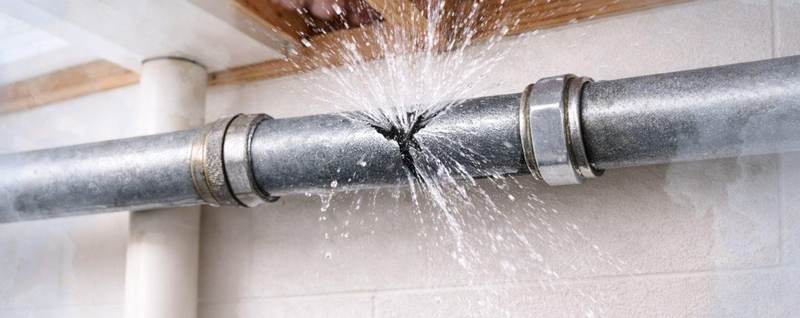
A pressurized supply line leak runs 24 hours a day at a constant rate. The water damage, mold risk and structural exposure grow every day the leak continues. Detection takes hours. The leak itself may have been running for weeks. One phone call starts the clock on finding it, fixing it and drying the damage before mold colonization turns a plumbing repair into a remediation project.
Call (469) 548-7594 24/7 Leak Detection and Water Damage Response
More Texas Water Damage Guides
Practical, no-pressure guides written for Texas homeowners.
Slab Leak in Dallas-Fort Worth Signs, Detection and Damage Prevention (2026)
Read the guide →
9 Signs of Water Damage in Walls: What Texas Homeowners Should Check Before Mold Spreads (2026)
Read the guide →
Water Under a Pier-and-Beam House in Texas: Crawl Space Drying, Mold Prevention and Long-Term Fixes
Read the guide →
When Is Mold Remediation Required in Texas? TDLR Rules, Size Thresholds and Homeowner Options (2026)
Read the guide →
Texas Hail Damage Roof Leaks: How Storms Break Your Roof and What to Do Next (2026)
Read the guide →
Texas Drought and Slab Leaks: Why Dry Summers Break Pipes Under Your Foundation (2026)
Read the guide →
AC Leaking Water in Your Texas Home: 7 Causes, What to Do Now, and How to Stop the Damage (2026)
Read the guide →