
What Water Damage Restoration Actually Costs in Texas and Why the Range Is So Wide
Every water damage job prices differently because the IICRC S500 Standard divides water into three contamination categories and four damage classes each combination changes the equipment, labor hours and disposal requirements. Texas heat accelerates mold colonization within 24 to 48 hours, which means delayed response always increases the final bill. Understanding what drives restoration pricing protects you from overpaying and from choosing a company that underbids by skipping critical steps.
Get a Free Estimate Call (469) 548-7594
(469) 548-7594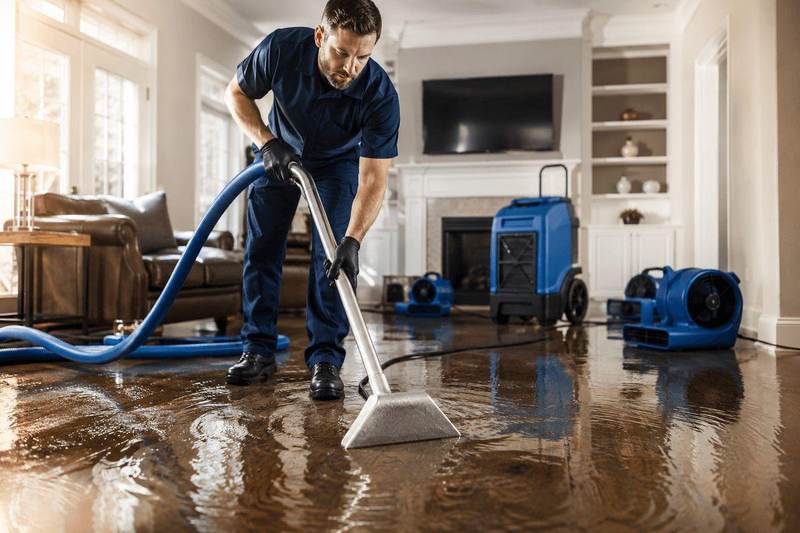
Texas Water Damage Restoration Costs at a Glance
| Factor | Estimated Range |
|---|---|
| Category 1 clean water single room (broken supply line, ice maker) | $1,500 - $5,000 |
| Category 2 gray water single room (dishwasher, washing machine, AC overflow) | $3,000 - $8,000 |
| Category 3 black water single room (sewage backup, flood water) | $7,000 - $15,000+ |
| Full-home flood restoration (1,500+ sq ft affected) | $10,000 - $35,000+ |
| Water extraction only (no drying or rebuild) | $500 - $2,500 |
| Structural drying only (dehumidifiers, air movers, monitoring) | $1,000 - $4,000 |
| Drywall removal and replacement per room | $800 - $3,000 |
| Mold remediation if colonization has started | $1,500 - $9,000+ |
| Content pack-out, cleaning and storage | $1,000 - $5,000 |
| Emergency after-hours surcharge | 10% - 25% premium |
These are estimated ranges based on typical Texas residential jobs not quotes. Actual cost depends on your specific damage, water source, response time and materials affected.
Why Water Category Changes the Price More Than Square Footage
The IICRC S500 Standard classifies water damage into three categories based on contamination level, and this classification drives restoration cost more than the size of the affected area.
Category 1 Clean Water originates from a sanitary source: a broken supply line under a sink, a leaking water heater pressure relief valve or an ice maker connection failure. This water contains no significant contamination at the point of origin. Restoration involves extraction, drying and material replacement no antimicrobial treatment or biohazard protocols required. A burst pipe in a single bathroom that gets addressed within hours is the least expensive scenario.
Category 2 Gray Water carries significant contamination that can cause illness if ingested. Sources include washing machine drain overflows, dishwasher leaks, AC condensate line failures and toilet overflows containing urine but no feces. Gray water requires antimicrobial treatment of all affected porous materials and protective equipment for workers. The cost increase over Category 1 comes from treatment chemicals, PPE and the higher likelihood that porous materials like carpet pad and lower drywall need replacement rather than drying.
Category 3 Black Water contains pathogenic agents including E. coli, Salmonella, Hepatitis A, Giardia and Cryptosporidium. Sources include sewage backups, river and bayou flooding, and any Category 1 or 2 water that has contacted soil or sat stagnant for 72 hours or longer in Texas heat. Black water restoration requires full biohazard protocols all porous materials in the affected area must be removed and disposed of as contaminated waste, structural materials require antimicrobial treatment and clearance testing, and workers need full PPE including respirators. This is why flood damage restoration after a Texas storm costs dramatically more than a clean supply line break of similar size.
The critical detail most homeowners miss: water migrates through building materials over time, and Category 1 water that sits on drywall for 48 hours in a Texas summer becomes Category 2 or 3 as it picks up biological contamination from dust, cellulose and organic matter. Delayed response does not just mean more area affected it means the water category escalates, and the entire job shifts to a higher-cost protocol.
The Seven Line Items That Make Up a Restoration Invoice
Understanding what each phase costs helps you evaluate whether an estimate is reasonable or whether a company is padding the bill or worse, skipping steps to underbid.
Emergency Response and Assessment
The first truck roll includes initial moisture mapping with thermal imaging cameras and pin-type moisture meters, contamination assessment to determine water category, documentation photographs for insurance and a scope-of-work estimate. Most Texas restoration companies do not charge separately for the initial assessment if you proceed with the work. Emergency response within 60 minutes is standard for reputable companies emergency water damage response time directly affects final cost because every hour of delay means more material absorption and potential category escalation.
Water Extraction
Truck-mounted extractors pull hundreds of gallons per minute from flooded structures. Submersible pumps handle standing water deeper than two inches. Weighted extraction wands pull water from carpet and pad. This phase typically costs $500 to $2,500 depending on volume and access a ground-floor slab extraction costs less than a second-story water extraction where equipment must be carried upstairs and water must be pumped down.
Demolition and Controlled Removal
Saturated drywall gets cut at a minimum of two feet above the visible water line this is called a flood cut. Wet insulation is pulled from wall cavities. Baseboards, door casings and any laminate or engineered flooring that absorbed water come out. For Category 3 jobs, all porous materials in the affected zone are removed regardless of visible damage. Demolition runs $1,000 to $4,000 depending on area and contamination level. Disposal of Category 3 materials costs more because contaminated debris requires special handling. Read our detailed guide on when to save versus replace water-damaged drywall for the specific decision criteria.
Structural Drying and Monitoring
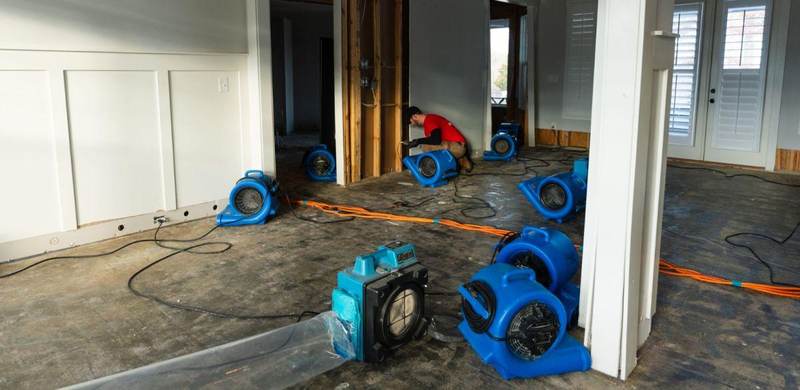
This is the phase that separates professional restoration from a homeowner with a box fan. LGR dehumidifiers pulling 130 to 200 pints per day, high-velocity air movers creating evaporative airflow across wet surfaces, wall-cavity drying systems injecting dry air behind intact upper drywall and floor-drying mats pulling moisture through tile and hardwood without removing the floor. Structural drying runs three to five days minimum, with daily moisture readings documented for insurance. Cost runs $1,000 to $4,000 depending on equipment count and duration.
Antimicrobial Treatment and Mold Prevention
Every Category 2 and 3 job requires antimicrobial application to exposed framing, subfloor and remaining building materials. If mold colonization has already started which happens within 24 to 48 hours in Texas humidity a licensed TDLR mold assessor must write a remediation protocol, and a separate licensed remediator performs the work. Mold remediation adds $1,500 to $9,000+ to the total depending on area and severity. See our mold remediation cost breakdown for detailed ranges.
Reconstruction and Material Replacement
New drywall, insulation, baseboards, paint, flooring and any damaged cabinetry or fixtures. This phase often costs as much as the restoration itself. Reconstruction runs $2,000 to $15,000+ depending on finish quality, area size and whether flood-resistant materials are specified for future protection. Using moisture-resistant drywall on the lower four feet of walls in flood-prone rooms, luxury vinyl plank instead of hardwood in ground-floor areas and closed-cell spray foam insulation in exterior wall cavities costs more upfront but eliminates the same expense in the next water event.
Contents Cleaning, Pack-Out and Storage
Furniture, electronics, clothing and personal items affected by water damage may be cleaned and restored, or they may be total losses. A professional contents pack-out inventorying, boxing, transporting to a climate-controlled facility, cleaning and returning costs $1,000 to $5,000 depending on volume. Insurance typically covers contents restoration when it costs less than replacement value.
What Texas Homeowners Ask About Restoration Pricing Before Signing
Does Homeowners Insurance Cover Water Damage Restoration in Texas?
Most Texas homeowners policies cover sudden and accidental water damage a burst pipe, a failed appliance connection, an ice maker line rupture. Policies typically exclude flood damage (that requires separate NFIP or private flood coverage), gradual leaks the homeowner should have noticed, and damage from deferred maintenance. Your deductible applies first, and most Texas policies carry a 1% to 2% deductible based on dwelling coverage amount.
Why Do Restoration Estimates Vary So Much Between Companies?
Three legitimate companies can give three different prices for the same job because they are scoping differently. One may plan to dry carpet in place while another plans to remove it. One may include reconstruction while another prices only the mitigation phase. The key is comparing scope of work, not bottom-line price. Ask every company whether their estimate covers extraction, drying, demolition, antimicrobial treatment, mold prevention and reconstruction or only some of these phases.
Can I Save Money by Doing Part of the Water Damage Cleanup Myself?
You can safely handle Category 1 clean water in a small area a water heater leak confined to a utility closet, for example. Extract the water with a wet vacuum, remove wet materials and run fans. But for anything involving gray or black water, any area larger than a single room, or any situation where water has been sitting for more than 24 hours in Texas heat, professional equipment and protocols save money in the long run by preventing mold remediation costs that dwarf the original restoration. Read our honest DIY vs. professional flood cleanup comparison for specific scenarios.
Should I Get an Independent Moisture Reading Before Signing Off on Drying?
Yes. Before your restoration company removes equipment and declares the job dry, verify that wood framing reads below 15% on a pin-type moisture meter and that concrete slab relative humidity measures below 75%. Some companies rush drying to move equipment to the next job if you close walls over wet framing, you pay for mold remediation three to six weeks later. An independent moisture verification costs $150 to $300 and can save thousands.
What Is the Most Expensive Mistake Homeowners Make After Water Damage?
Waiting. Every hour of delay increases total cost. Water migrates through drywall at roughly one inch per hour through capillary action. A Category 1 event at 8 AM becomes a Category 2 event by the next morning if water sits on organic materials in Texas temperatures above 80°F. A single-room $2,000 job on Monday becomes a three-room $8,000 job by Wednesday. The companies that answer the phone at 2 AM and have equipment on site within 60 minutes exist because the math proves that emergency response pays for itself.
Water Damage Restoration Costs Across Texas Regions
Dallas-Fort Worth Metroplex The Blackland Prairie clay soil under DFW creates a swell-shrink cycle that stresses plumbing and foundations. Slab leaks are the most common cause of residential water damage in this region, and detection costs add $150 to $500 before restoration begins. Dallas flooding and severe hail storms that penetrate roofing cause seasonal spikes in restoration demand. We serve Aledo, Argyle, Caddo Mills, Rockwall and Southlake.
Houston and Gulf Coast Hurricane Harvey dropped over 60 inches of rain on parts of Harris County in August 2017, and Tropical Storm Imelda hit the same region again in September 2019. Houston restoration costs tend to run 10 to 20 percent higher during hurricane season due to demand surges. Gulf Coast homes face salt air corrosion that weakens roofing and plumbing connections, creating more frequent failure points. We serve Crosby, Katy, Humble and Sweeny.
Austin and Central Texas Flash flooding from Hill Country terrain drives water damage in this region. The Wimberley Memorial Day flood of May 2015 killed 13 people when the Blanco River rose 33 feet in one hour. Austin flash flood preparation is critical because Central Texas limestone drains poorly during intense rainfall. We serve Wimberley, Manchaca and Pflugerville.
San Antonio and South Texas San Antonio flash flooding follows the same Hill Country drainage patterns, with low-water crossings and older neighborhoods along San Pedro Creek and Olmos Basin seeing repeated damage. We serve Castroville, Adkins and Cotulla.
The Cost of Waiting Is Always Higher Than the Cost of Calling
Restoration pricing follows one rule: the longer water sits, the more it costs. A water extraction crew on site within the first hour contains the damage to the smallest possible footprint, keeps the water category from escalating, prevents mold colonization and reduces the total bill by thousands. Our crews carry truck-mounted extractors, commercial LGR dehumidifiers and thermal imaging equipment on every call the full professional response from the first minute.
Call (469) 548-7594 24/7 Water Damage Cost Estimates

More Texas Water Damage Guides
Practical, no-pressure guides written for Texas homeowners.
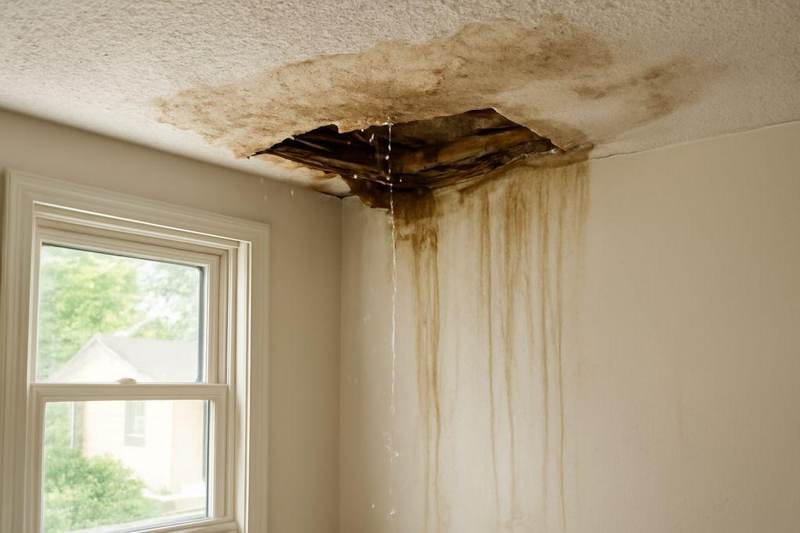
AC Leaking Water in Your Texas Home: 7 Causes, What to Do Now, and How to Stop the Damage (2026)
Read the guide →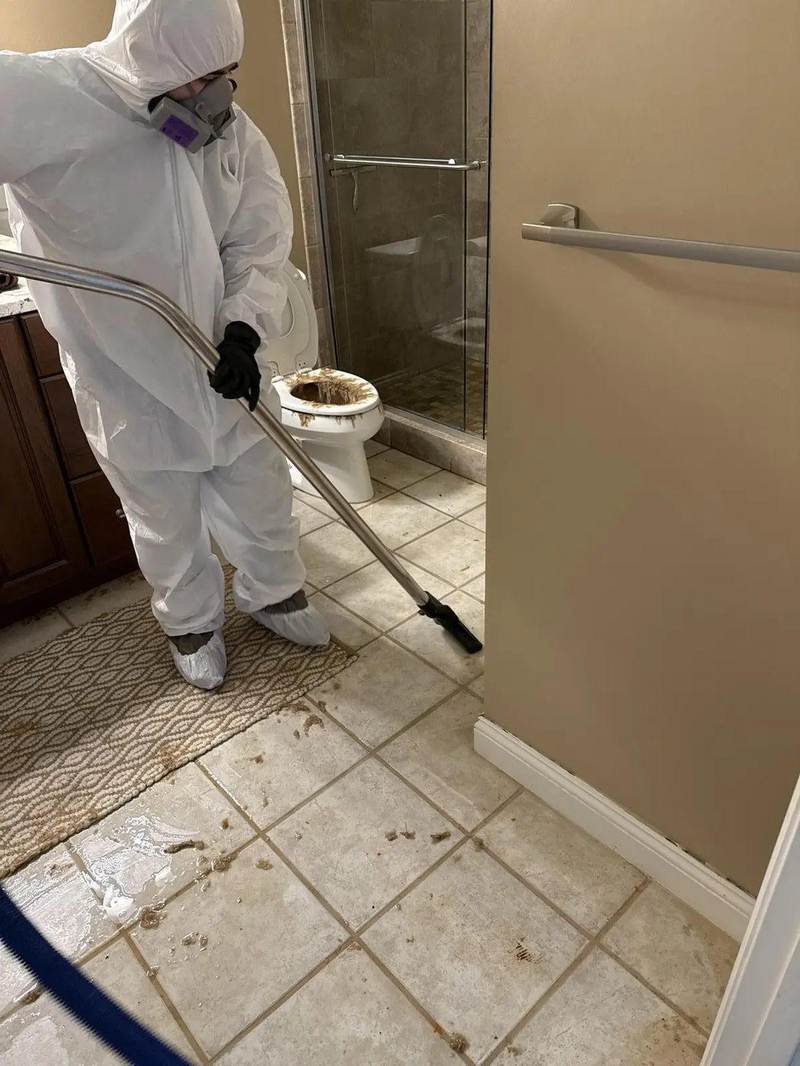
Sewer Backup in Your Texas Home: Cleanup, Health Risks and Prevention
Read the guide →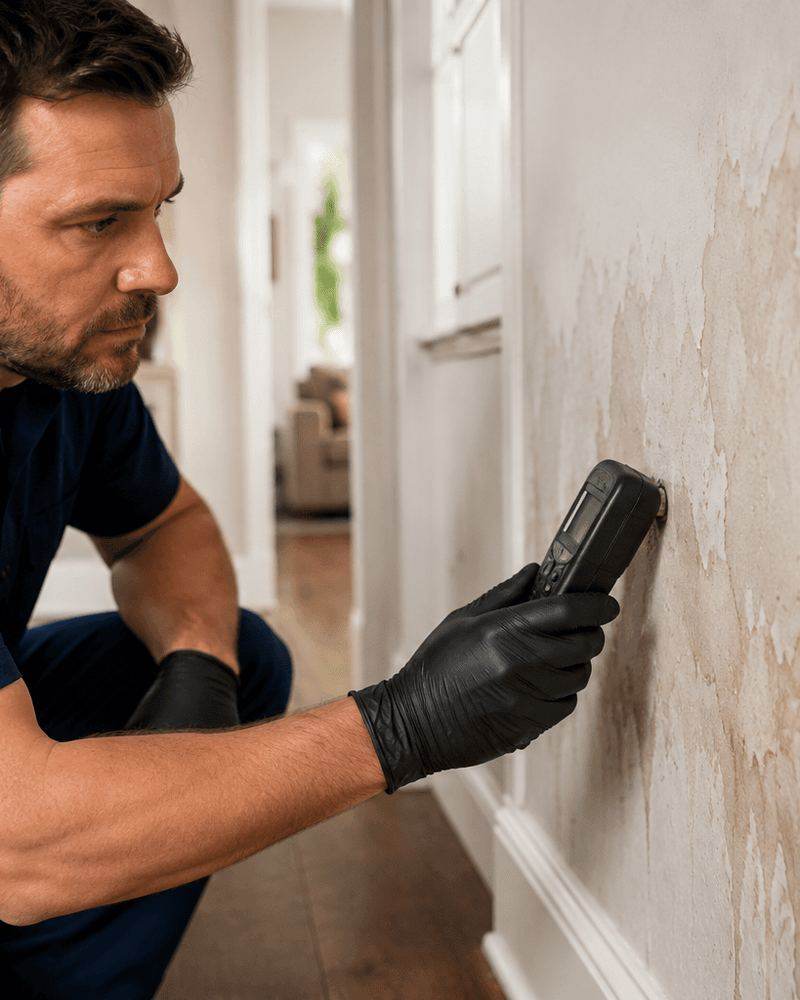
Drywall Water Damage: When to Dry It in Place and When to Replace It
Read the guide →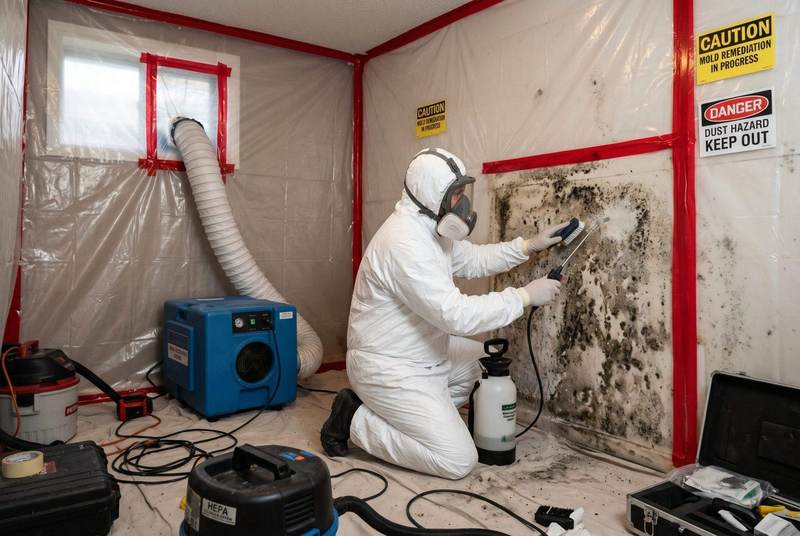
Mold Remediation Cost in Texas: 2026 Estimated Ranges by Job Size
Read the guide →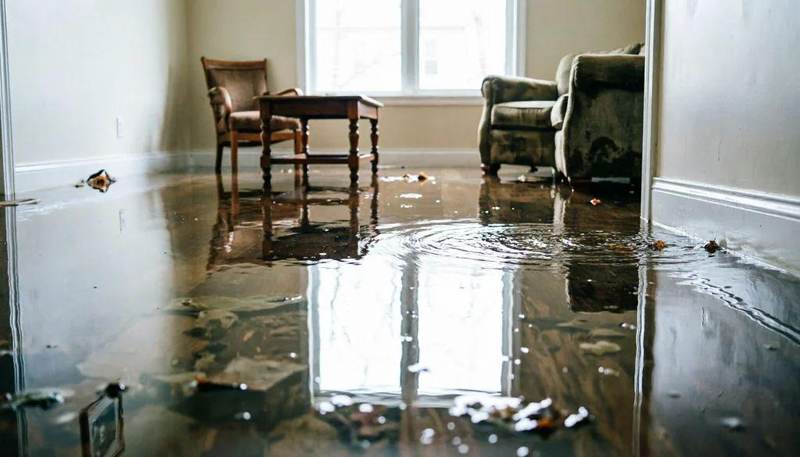
Water Heater Leaking? What to Do Right Now Before 50 Gallons Ruin Your Texas Home (2026)
Read the guide →
DIY vs Professional Flood Cleanup in Texas: When to Handle It Yourself and When You Need a Crew (2026 Honest Guide)
Read the guide →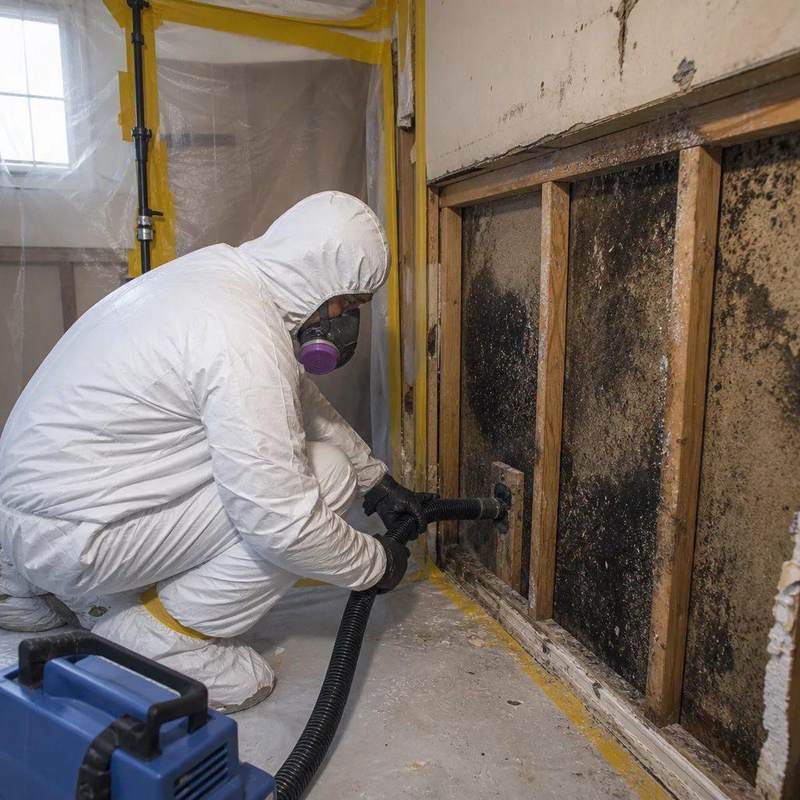
Mold Remediation Timeline in Texas: How Long Each Step Takes From Inspection to Clearance (2026)
Read the guide →
Slab Leak in Dallas-Fort Worth Signs, Detection and Damage Prevention (2026)
Read the guide →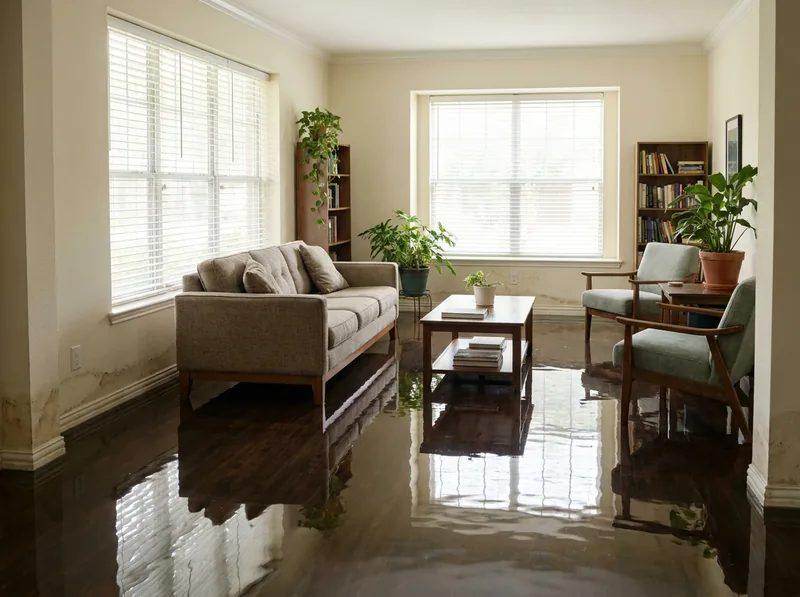
Dallas Flooding: Why DFW Homes Flood and How to Dry Them (2026 Guide)
Read the guide →
Texas Hail Damage Roof Leaks: How Storms Break Your Roof and What to Do Next (2026)
Read the guide →
Austin Flooding: Flash Flood Warnings and Home Cleanup Guide
Read the guide →