
Water Extraction in Texas
Standing water will not wait, and it will not dry on its own. Here is how professional extraction removes it before it destroys your floors, walls, and subfloor.
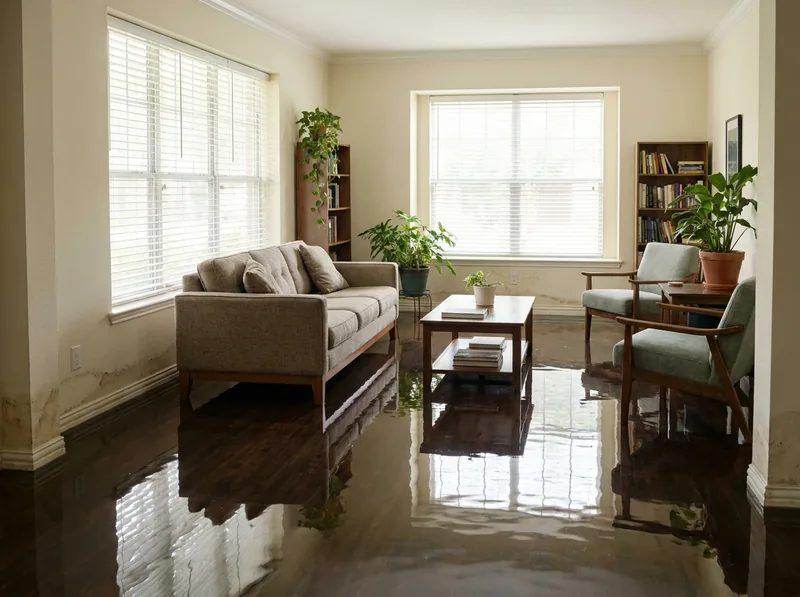
Water can spread across floors and move into carpet, carpet padding, flooring, drywall, wall cavities, subfloors, wood framing, and other building materials. Removing accessible water is an important early step in the water damage restoration process.
Texas Water Damage Solutions provides water extraction for residential and commercial properties in Texas. The process focuses on removing accessible liquid water, identifying areas that may still contain moisture, and determining whether additional structural drying, cleaning, or restoration is needed.
What Is Water Extraction?
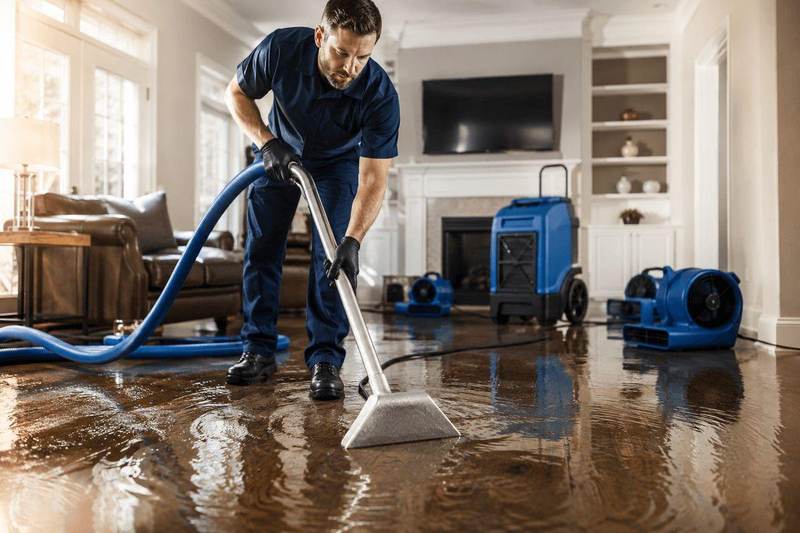
Water extraction means removing liquid water from an affected property.
Depending on the situation, this can include removing:
- Standing water from floors
- Water from carpet and carpet padding
- Water trapped in low areas
- Water remaining after a plumbing leak
- Water left behind by flooding or storms
The goal is to remove accessible liquid water before moving into the next stages of the restoration process.
Water extraction is different from simply wiping or mopping a visible surface. Water can move beneath flooring, into porous materials, and into areas that cannot be identified through a basic visual inspection.
Water Extraction vs. Water Removal
The terms water extraction and water removal are often used interchangeably, but they can describe slightly different parts of the process.
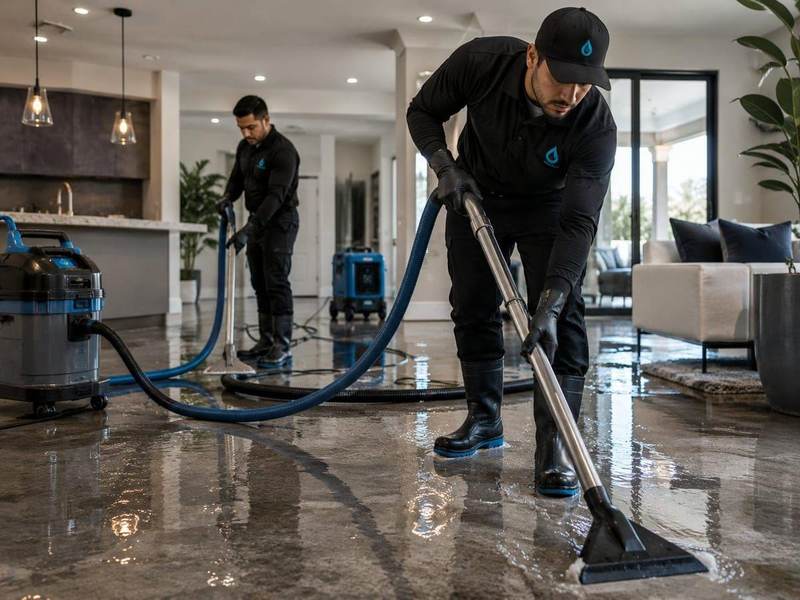
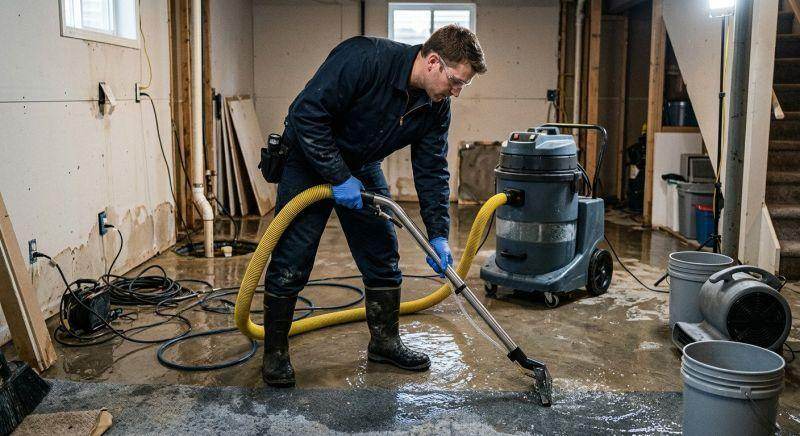
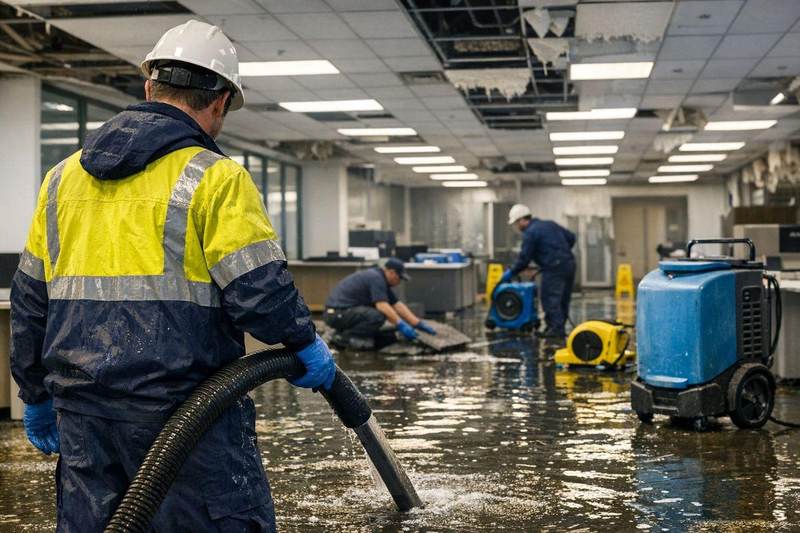
Water extraction generally refers to the physical removal of liquid water using equipment such as pumps, extractors, extraction wands, or wet/dry vacuums.
Water removal is a broader term that can include removing standing water and addressing water that has entered affected areas of a property.
After water is removed, additional moisture may still remain inside building materials. That is where moisture assessment and structural drying become important.
Why Water Extraction Comes Before Structural Drying
Water extraction and structural drying are not the same process.
Water Extraction
Water extraction removes accessible liquid water from the property.
Structural Drying
Structural drying focuses on removing remaining moisture from affected building materials and areas.
For example, a burst pipe may leave standing water across a carpeted room. After the visible water is extracted, moisture may still be present inside:
- Carpet
- Carpet pad
- Subfloor
- Drywall
- Baseboards
- Wall cavities
- Wood framing
- Insulation
- Other porous materials
Removing standing water does not automatically mean that the property is dry. Extraction removes liquid water. Drying addresses remaining moisture.
Professional Water Extraction Equipment
The equipment used during water extraction depends on the amount of water, affected materials, accessibility, and conditions at the property.
Submersible Pumps
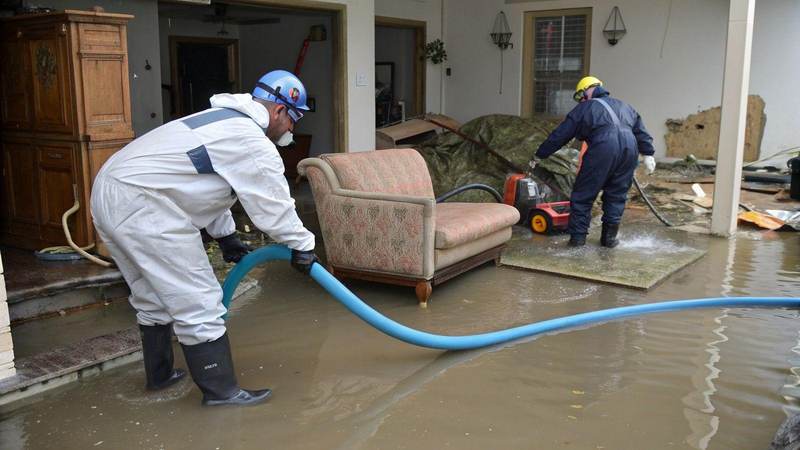
Submersible pumps can be used when a property has a significant amount of standing water. They are designed to move larger quantities of water from affected areas so the remaining water can be addressed through extraction and drying.
Truck-Mounted Extractors
Truck-mounted extraction systems can provide high-capacity water extraction for appropriate water-loss situations. They may be useful when larger quantities of water need to be removed from affected flooring and other accessible areas.
Portable Extractors
Portable extractors go where truck-mounted units cannot reach, such as upper floors, tight interiors, or properties without close vehicle access.
Carpet Extraction Wands
Extraction wands can be used to remove water from carpet and other appropriate flooring surfaces. The condition of the carpet, carpet pad, and subfloor may also need to be evaluated.
Wet/Dry Vacuums
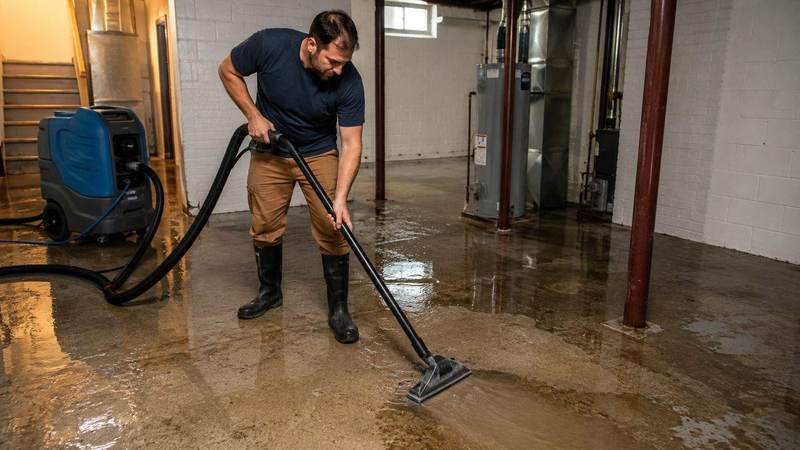
Wet/dry vacuums handle smaller amounts of accessible water in contained areas.
Air Movers and Dehumidifiers
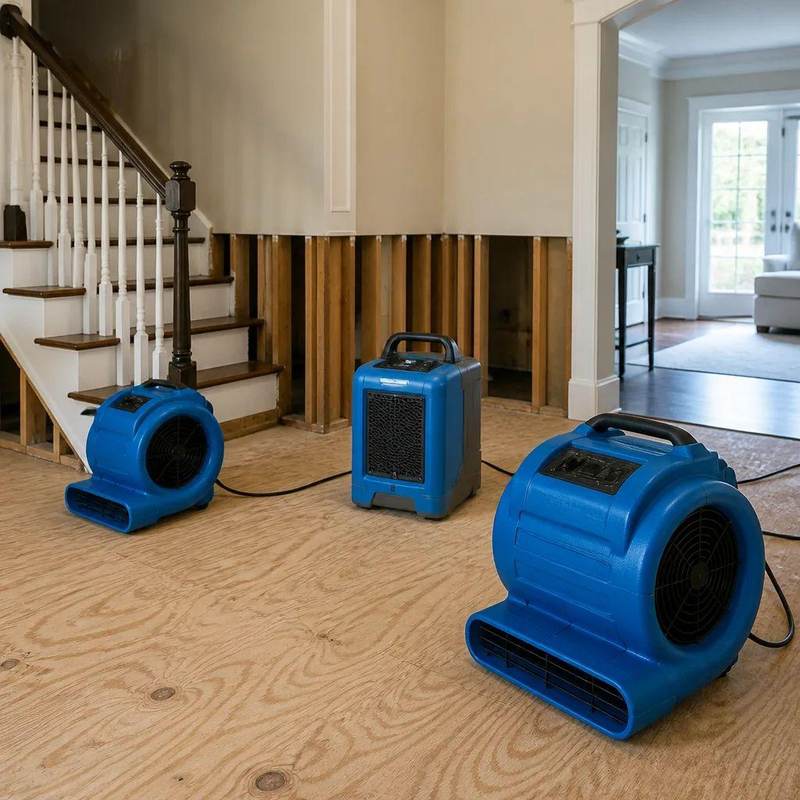
Air movers and dehumidifiers are generally associated with the structural drying stage rather than bulk water extraction. They can help address moisture that remains after accessible liquid water has been removed.
The equipment selected should match the size and type of water loss.
How the Water Extraction Process Works
A professional water extraction job usually follows these steps.
- 1
Identify the Water Source
The first step is to identify where the water came from. Common sources include burst pipes, plumbing leaks, water heaters, washing machines, dishwashers, refrigerators, roof leaks, storm water, flooding, sewage backups, and HVAC-related water problems. When possible, the source should be controlled so additional water does not continue entering the property.
- 2
Assess the Water Condition
The source and condition of the water matter. Water may come from a clean supply line, a plumbing system, an appliance, outside flooding, or a sewage backup. The appropriate handling, removal, cleaning, and safety procedures can vary depending on the source and level of contamination. Sewage and potentially contaminated floodwater require additional precautions.
- 3
Remove Standing Water
Once the situation has been assessed, accessible standing water can be removed using appropriate equipment such as submersible pumps, truck-mounted extractors, portable extractors, extraction wands, or wet/dry vacuums. The goal is to remove accessible liquid water from affected areas.
- 4
Extract Water From Saturated Materials
Water may remain inside or beneath materials even after visible standing water has been removed. Affected materials can include carpet, carpet padding, flooring, subfloor, baseboards, and other porous materials. These materials should be evaluated to determine whether extraction, drying, cleaning, removal, or replacement is appropriate.
- 5
Check for Hidden Moisture
Visible water is only part of a water-loss event. Moisture can remain in wall cavities, subfloors, carpet padding, wood framing, insulation, baseboards, cabinets, areas beneath flooring, and other building materials. Moisture assessment helps identify areas that may require additional drying.
- 6
Begin Structural Drying When Needed
After liquid water has been removed, affected materials may still contain moisture. Structural drying may involve appropriate combinations of air movers, dehumidifiers, moisture monitoring, and targeted drying techniques. The exact approach depends on the materials, moisture conditions, property layout, and extent of the water damage. Related service: Structural Drying
Water Extraction for Different Types of Water Damage
Water extraction can be required after many different types of water damage.
Burst Pipe Water Extraction
A burst or broken pipe can release water rapidly and spread it across flooring and into nearby building materials. The general process runs in order: source control, water extraction, moisture assessment, then structural drying. Related service: Burst Pipe Water Damage
Water Heater Water Extraction
A leaking or failed water heater can release water into surrounding areas. Water may affect flooring, walls, baseboards, cabinets, and nearby rooms. The affected area should be evaluated after the water source is controlled.
Appliance Water Extraction
Appliance failures can release water into kitchens, laundry rooms, utility areas, and other parts of a property. Common examples include washing machines, dishwashers, refrigerators, ice makers, and other water-connected appliances. Water extraction can help remove accessible water before further drying and restoration work.
Flood Water Extraction
Flooding can introduce large amounts of water into a property. Floodwater may also contain contaminants depending on its source. The appropriate extraction, cleaning, and restoration process depends on the conditions of the loss. Related service: Flood Damage Restoration
Sewage Water Extraction
Sewage backups require additional safety and contamination considerations. Sewage-related water should not be treated like ordinary clean water because it may contain harmful contaminants. Professional assessment and appropriate handling may be necessary. Related service: Sewage Cleanup
Storm Water Extraction
Texas storms can result in water entering through roof openings, doors, windows, exterior walls, drainage problems, and other building openings. After the source of intrusion is controlled, accessible water can be removed and affected materials evaluated. Related service: Storm Water Damage
Water Extraction for Carpet and Flooring
Carpet can hold a substantial amount of water after a leak or flood. Water extraction may involve removing accessible water from the carpet and evaluating the materials underneath.
The process may include:
- Removing standing water
- Extracting water from the carpet
- Evaluating the carpet pad
- Checking the subfloor
- Inspecting nearby walls and baseboards
- Assessing remaining moisture
- Determining the appropriate drying approach
The condition of the carpet and padding can vary depending on the amount of water, exposure time, water source, and contamination.
Can Water Be Extracted From Under Flooring?
Sometimes. The ability to remove water from underneath flooring depends on factors such as flooring type, installation method, amount of water, accessibility, condition of the flooring, condition of the subfloor, and how long the water has been present.
Water can become trapped beneath certain flooring systems, including some vinyl, laminate, and engineered flooring installations. Removing visible surface water does not necessarily mean the area underneath the flooring is dry. A moisture assessment can help identify whether additional drying or material removal may be needed.
Water Extraction and Subfloors
The subfloor can be affected when water travels through carpet, flooring, seams, or other openings. Depending on the construction of the property, moisture may reach plywood subfloors, OSB subfloors, underlayment, floor joists, wood framing, and other structural components.
A floor may appear dry on the surface while moisture remains below it. This is one reason water extraction should be followed by appropriate moisture assessment when water has affected building materials.
Water Extraction and Drywall
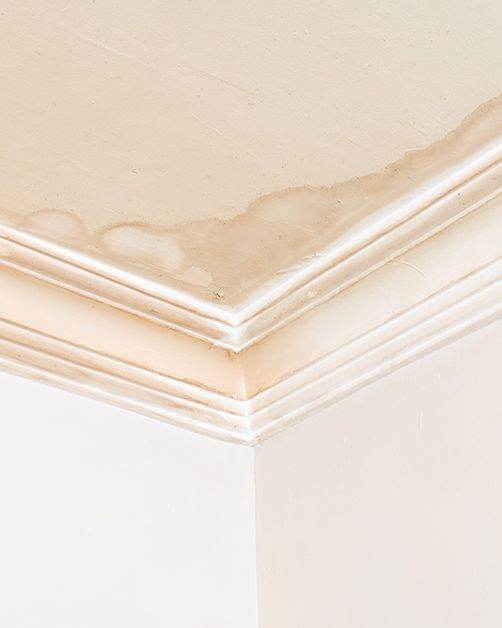
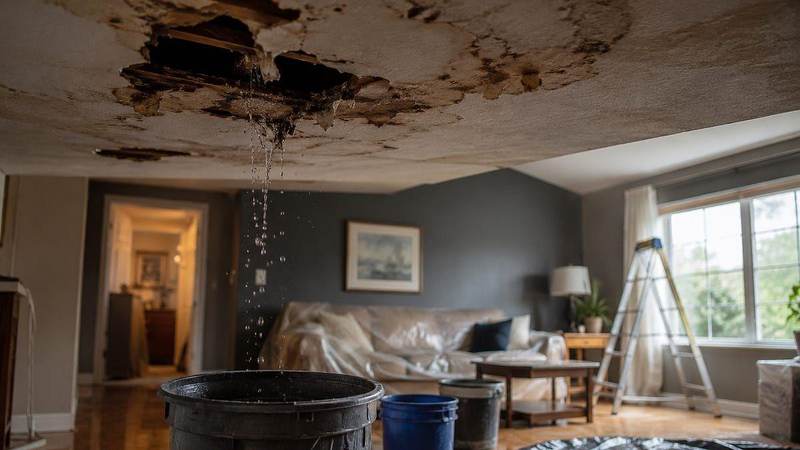
Drywall can absorb water after plumbing leaks, floods, roof leaks, appliance failures, and other water-loss events. Water may also travel into wall cavities. Affected drywall may require moisture assessment, drying, monitoring, removal, or replacement. The appropriate decision depends on the actual condition of the material and the source of the water.
Hidden Moisture After Water Extraction
One of the biggest mistakes after water damage is assuming that visible water is the entire problem. Water can move into areas that are not immediately visible.
Potential hidden moisture areas include:
- Wall cavities
- Under flooring
- Carpet padding
- Behind baseboards
- Beneath cabinets
- Subfloors
- Wood framing
- Insulation
- Around plumbing penetrations
This is why professional water damage assessment may involve checking both visible and less accessible areas.
Why Fast Water Extraction Matters
Water that remains in contact with building materials for longer periods can create additional damage. Fast extraction can help limit prolonged exposure to flooring, carpet, drywall, wood, cabinets, insulation, and other affected materials.
However, fast extraction does not mean every property will be completely dry immediately. Water extraction is an important first step. Structural drying may still be required afterward.
What Water Extraction Cannot Do
Water extraction is an important part of water damage restoration, but it does not solve every part of a water-loss event. Water extraction alone does not automatically repair a broken pipe, fix a roof leak, repair damaged drywall, restore damaged flooring, remove every contaminated material, dry every hidden area, repair structural damage, guarantee that mold will never develop, or return every damaged material to its original condition.
Additional cleaning, drying, repair, removal, or restoration may be necessary depending on the situation.
Can You Extract Water Yourself?
For a small amount of clean and accessible water, a property owner may be able to remove some water safely. Professional help becomes more important when water covers a large area, water has entered walls, flooring is saturated, water is coming from an unknown source, sewage is involved, floodwater entered the property, electrical hazards may exist, water continues entering the property, or hidden moisture may be present.
Safety First
Do not enter standing water if electrical hazards may exist. If sewage or potentially contaminated water is involved, avoid direct contact and use appropriate safety precautions. If the situation is beyond what can be handled safely, contact a qualified water damage professional.
Water Extraction for Texas Homes and Businesses
Texas properties can experience water damage from many different sources, including plumbing failures, appliance leaks, storms, flooding, roof leaks, sewage backups, and water heater failures.
Residential Water Extraction
Common residential areas affected by water include kitchens, bathrooms, laundry rooms, living rooms, bedrooms, garages, and utility areas.
Commercial Water Extraction
Commercial water damage can affect offices, retail spaces, restaurants, warehouses, multi-unit properties, and other commercial buildings. Commercial water losses may also require consideration of affected operations and occupied areas. Related service: Commercial Water Damage
What To Do Before Water Extraction
If it is safe to do so:
- Stop the water source.
- Keep children and pets away from affected areas.
- Stay away from electrical hazards.
- Move valuable belongings away from water when practical.
- Take photos or videos of visible damage.
- Do not unnecessarily disturb contaminated water.
- Contact a qualified water damage professional when the situation is beyond what you can safely handle.
If the water source is still active, stopping the source can help prevent additional water from entering the property.
Water Extraction vs. Structural Drying vs. Restoration
Understanding the difference between these services can make the restoration process easier to follow.
| Service | Main Purpose |
|---|---|
| Water Extraction | Removes accessible liquid water |
| Water Removal | Broad term for removing water from affected areas |
| Moisture Assessment | Identifies remaining moisture in affected materials |
| Structural Drying | Removes remaining moisture from building materials |
| Water Damage Restoration | Broader process addressing the affected property |
These services can overlap, but they serve different purposes within the overall water damage restoration process.
Frequently Asked Questions About Water Extraction
Standing water should generally be addressed as soon as it can be removed safely and appropriately. The longer water remains in contact with building materials, the greater the potential for additional damage.
No. Water extraction is one stage of the broader water damage restoration process.
Water extraction can remove accessible liquid water, but drywall and surrounding materials may still contain moisture that requires assessment and drying.
Yes. Appropriate extraction equipment can remove accessible water from carpet. The carpet pad and subfloor may also need to be evaluated.
No. Extraction removes liquid water. Remaining moisture may require structural drying.
Sometimes. The approach depends on the flooring system, installation method, accessibility, amount of water, and condition of the materials.
Often, yes, when affected building materials still contain moisture. The need for drying depends on the actual moisture conditions at the property.
Depending on the situation, equipment may include submersible pumps, truck-mounted extractors, portable extractors, extraction wands, and wet/dry vacuums.
Small amounts of safe, accessible water may sometimes be handled by a property owner. Larger losses, contaminated water, hidden moisture, or electrical hazards require greater caution and may warrant professional assistance.
After accessible water is removed, the property may need moisture assessment, structural drying, cleaning, material removal, repairs, or other restoration work depending on the condition.
Continue With the Restoration Process
Water extraction is only one part of the water damage restoration process.
Standing water needs to go. Fast.
Texas Water Damage Solutions helps homeowners and businesses understand the water extraction, moisture assessment, structural drying, and restoration process after water damage. Whether the problem involves a burst pipe, appliance leak, flooding, storm water, sewage backup, water heater failure, or another source of water damage, the first priority is to address the water safely and determine what needs to happen next.
Request Water Extraction Service
Let us know where the water is and we will respond quickly.