
Mold Remediation in Texas
Mold is not just a surface-cleaning problem. Mold is a moisture problem.
If moisture remains inside drywall, wood, insulation, flooring, ceilings, or other building materials, simply cleaning the visible growth does not address the condition that allowed it to develop.
Mold remediation focuses on: Finding the moisture, correcting the source, containing the affected area, removing affected materials, cleaning remaining surfaces, drying the structure, verifying the result.
Texas Water Damage Solutions helps homeowners, property managers, and businesses understand and address mold problems associated with water damage and persistent moisture.
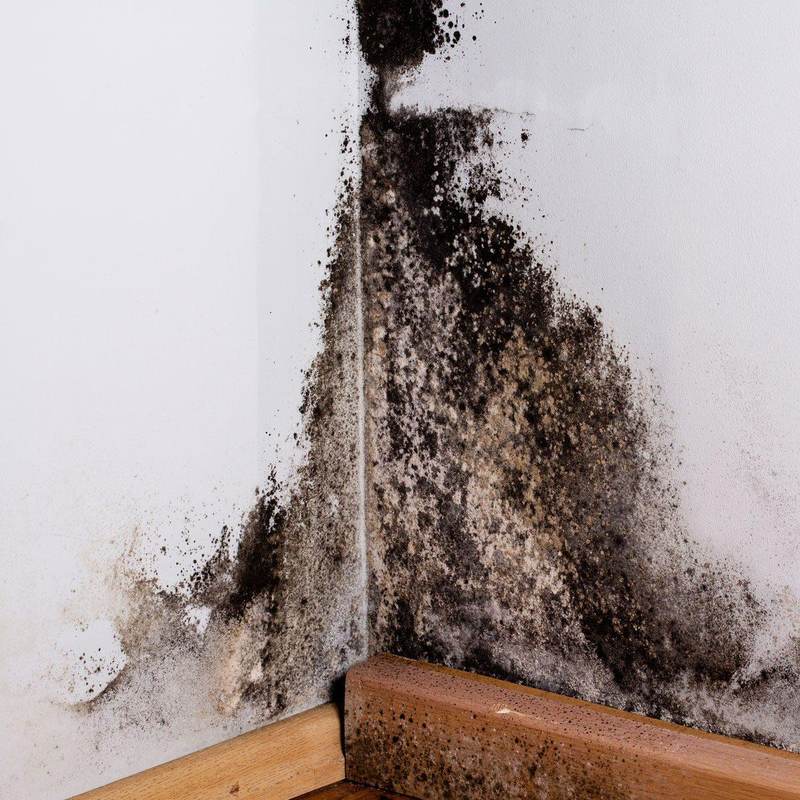
What Is Mold Remediation?
Mold remediation is the controlled process of addressing existing mold growth and the moisture conditions that support it.
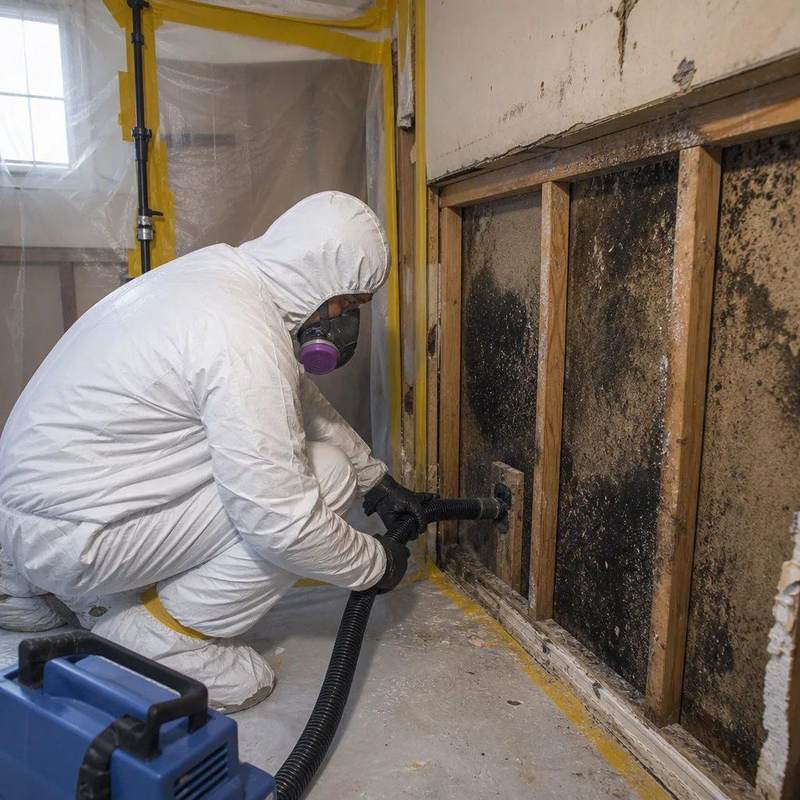
It is different from simply spraying a product on a visible surface. A proper remediation process may involve moisture-source identification, moisture mapping, containment, air filtration, controlled material removal, HEPA vacuuming, surface cleaning, drying, moisture verification, and restoration.
The exact scope depends on the amount of growth, affected materials, moisture source, building conditions, and applicable requirements.
Mold Starts With Moisture
Mold growth is strongly connected to persistent moisture. Potential moisture sources include burst pipes, plumbing leaks, roof leaks, slab leaks, flooding, storm water intrusion, HVAC condensation, wet insulation, incomplete structural drying, and high indoor humidity.
The most important question is not simply: "Where is the mold?" It is: "Why is this area staying wet?" If the moisture source remains unresolved, mold can return after cleaning.
The Mold Remediation Process
A typical mold remediation process follows a controlled sequence: Assessment, Moisture Mapping, Source Correction, Containment, Air Filtration, Material Removal, Cleaning, Drying, Verification, Restoration.
Step 1: Mold Assessment and Moisture Mapping
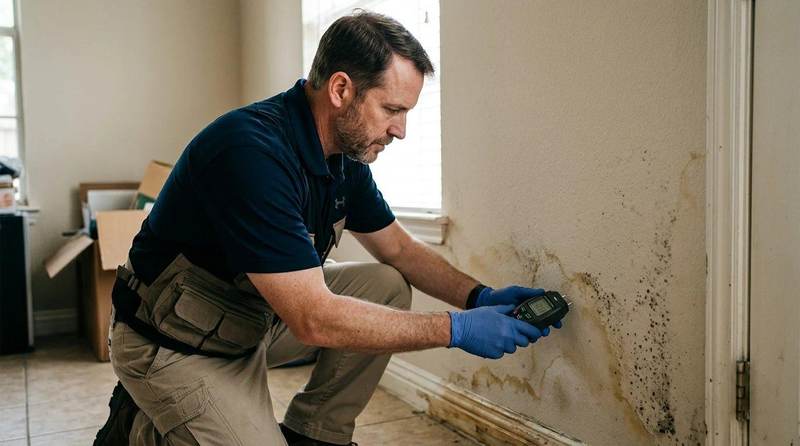
The first step is understanding the extent of the problem. The assessment may consider visible mold, musty odors, previous water damage, moisture readings, affected building materials, hidden areas, HVAC considerations, and moisture-source location. Moisture meters can help identify moisture conditions within accessible materials. Thermal imaging can sometimes help identify temperature differences associated with moisture patterns, but it does not directly measure moisture.
Step 2: Find the Moisture Source
Mold remediation should not ignore the reason the area became wet. Possible sources include plumbing leaks, roof leaks affecting attics, insulation, ceilings, and walls, slab leaks beneath or within a slab, HVAC condensation from poor drainage or condensation problems, and previous water damage where the property was not completely dried.
Step 3: Containment
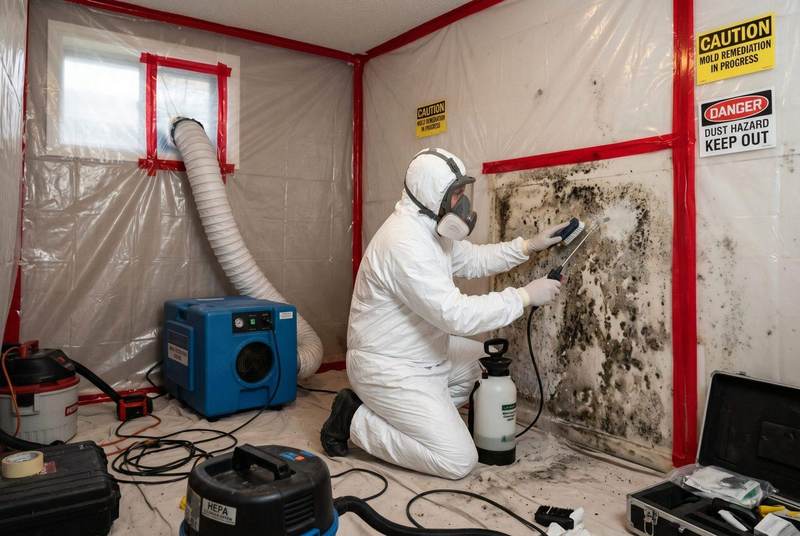
When remediation requires removal or disturbance of mold-affected materials, the work area may need to be isolated. Containment can involve plastic barriers, sealed openings, controlled access, appropriate airflow management, and negative pressure where appropriate. The purpose is to reduce the movement of airborne particles from the affected work area into cleaner areas.
Step 4: Air Filtration
Air filtration can be used during remediation to help manage airborne particles. Appropriate equipment may include HEPA-filtered air scrubbers. Depending on the building and affected area, HVAC systems serving the work zone may need to be isolated or controlled so particles are not unnecessarily distributed through the building.
Step 5: Remove Materials That Cannot Be Properly Restored
Not every mold-affected material has to be removed. The decision depends on material type, extent of growth, moisture condition, porosity, physical condition, and ability to clean and dry the material. Potentially removable materials may include mold-affected drywall, insulation, carpet padding, certain ceiling materials, and severely damaged porous materials. Hard, non-porous surfaces such as certain metals, glass, and hard plastics may often be cleaned rather than discarded, depending on their condition.
Step 6: Cleaning and Treatment
After affected materials are addressed, remaining surfaces can be cleaned using appropriate methods. Depending on the surface, the process may involve HEPA vacuuming, physical cleaning, surface treatment, appropriate antimicrobial products, and detailed cleaning of surrounding areas. A treatment product is not a substitute for removing materials that cannot be properly cleaned and dried.
Step 7: Drying
The property must be returned to appropriate moisture conditions. Drying may involve air movement, dehumidification, moisture monitoring, and targeted drying. The objective is not simply to make the surface look dry. The objective is to correct the moisture conditions that contributed to the mold problem.
Step 8: Moisture Verification
A mold remediation project should not be considered complete simply because visible growth is gone. The affected area should be evaluated for remaining moisture, wet building materials, moisture-source correction, and conditions that could support recurrence. For projects subject to applicable Texas requirements, the appropriate post-remediation verification process should also be followed.
Step 9: Restoration
Once remediation and drying are appropriately completed, removed building materials can be restored. Depending on the project, restoration may include drywall, insulation, paint, flooring, baseboards, ceiling materials, and other interior finishes. Remediation comes before reconstruction.
Where Mold Can Hide
Mold on Drywall
Drywall is porous. When mold growth has penetrated or substantially affected drywall, cleaning only the visible surface may not be enough. Depending on the extent of damage, controlled removal of the affected section may be appropriate. The surrounding structure should then be assessed for remaining moisture.
Mold in Insulation
Wet or mold-affected insulation may require removal depending on material type, extent of contamination, moisture condition, ability to properly dry, and physical condition. Replacing insulation before correcting the moisture source can simply recreate the same problem.
Mold Under Flooring
Mold and moisture may exist below visible flooring. Possible areas include carpet padding, subfloor, flooring adhesive, wood assemblies, baseboards, and wall-floor junctions. Visible flooring may look normal while moisture remains below it. This is why moisture mapping matters.
Mold Behind Walls
Hidden mold can be more difficult to identify. Potential clues include persistent musty odor, previous water damage, discoloration, bubbling paint, damaged drywall, moisture readings, repeated condensation, and mold that keeps returning. If mold is suspected inside a wall cavity, the affected assembly may need further investigation before deciding on the appropriate remediation scope.
Mold After Water Damage Events
Mold After a Burst Pipe
A burst pipe can create significant moisture inside walls, ceilings, flooring, cabinets, and insulation. If the affected structure is not appropriately dried, secondary mold growth may become a concern. Related service: Burst Pipe Water Damage
Mold After a Roof Leak
Roof leaks can introduce moisture into attics, insulation, ceiling assemblies, walls, and flooring. The roof source should be corrected while interior moisture and affected materials are addressed. Related service: Roof Leak Water Damage
Mold After Flooding
Floodwater can introduce both moisture and contaminants into a building. Flood-damaged materials require evaluation based on water source, contamination, material type, exposure, and drying condition. Related service: Flood Damage Restoration
Mold After Sewage Damage
Sewage-related water damage requires additional contamination controls. Mold concerns are only one part of the restoration problem. The response may involve containment, contaminated-material removal, cleaning, disinfection, and structural drying. Related service: Sewage Cleanup
Mold Remediation vs Mold Prevention
These are not the same thing.
Mold Remediation
Remediation addresses existing or suspected mold growth. It may involve containment, removal, cleaning, drying, and verification.
Mold Prevention
Prevention focuses on stopping mold from developing in the first place. For example, after water damage: Extract water, dry the structure, monitor moisture, correct the source. Proper water damage restoration is therefore an important part of mold prevention.
How Fast Can Mold Develop After Water Damage?
The timeline depends on material, temperature, humidity, moisture availability, air movement, and building conditions. Some mold growth can develop relatively quickly when materials remain wet. That is why the best mold-prevention strategy after water damage is fast water removal and proper structural drying, rather than waiting until visible mold appears.
Signs You May Have a Mold Problem
Look for visible mold growth, persistent musty odor, recurring discoloration, mold returning after cleaning, water-damaged drywall, damp insulation, previous flooding, long-term plumbing leaks, persistent condensation, moisture behind walls, damp flooring, and mold around HVAC or condensation areas. A musty odor alone does not prove the presence or location of mold, but persistent odor after a water event deserves investigation.
Mold That Keeps Coming Back
If mold repeatedly returns after cleaning, the underlying moisture condition may not have been corrected. Possible reasons include hidden plumbing leak, roof intrusion, wet wall cavity, damp insulation, moisture beneath flooring, HVAC condensation, incomplete structural drying, and persistent humidity. The correct question is: What keeps the material wet?
Can You Clean Mold Yourself?
Small, accessible areas may sometimes be manageable by a property owner depending on the circumstances. However, professional evaluation becomes more important when mold is extensive, hidden, inside walls, associated with significant water damage, repeatedly returning, affecting HVAC-related areas, or located in a larger commercial property. Do not disturb large areas of mold unnecessarily before the affected area and appropriate remediation approach are understood.
Why Painting Over Mold Does Not Solve the Problem
Paint can cover a visible surface. It does not automatically remove mold or correct the moisture condition underneath. Painting over an unresolved mold or moisture problem can hide the visible evidence while the underlying problem remains. Find the moisture. Correct the moisture. Address the affected material. Then restore the surface.
Mold and HVAC Systems
HVAC systems require special consideration when mold or suspected mold is located near air-handling components or ductwork. The question is not simply whether mold exists in the room. The assessment should consider whether affected areas could interact with the building's air-distribution system. HVAC isolation or additional evaluation may be appropriate depending on the circumstances.
Texas Mold Remediation Requirements
Texas has specific requirements governing mold assessment and remediation.
The Texas Department of Licensing and Regulation (TDLR) regulates mold assessment and remediation activities under the applicable Texas mold rules. For a project subject to Texas licensing requirements, the property owner should verify who is performing the assessment, who is performing remediation, whether the appropriate licenses apply, whether a remediation protocol is required, and whether post-remediation verification applies.
Important: Do not rely on a website simply claiming that a company is licensed. For Texas mold work, verify applicable licensing information directly with TDLR before signing a contract.
Assessment vs Remediation
For projects where Texas licensing requirements apply, assessment and remediation can involve separate roles. A mold assessment professional may determine where mold is located, what materials are affected, and what work is required. A remediation professional performs the work according to the applicable remediation scope or protocol. This separation is intended to provide independent oversight. Always verify the current Texas requirements and license status before work begins.
The 25-Square-Foot Question
Texas mold requirements can depend on the size and circumstances of the affected area. The Texas mold rules identify 25 contiguous square feet as an important threshold. Because regulations and applicability can depend on the specific project, property, and current TDLR rules, do not use the threshold alone to determine whether a project requires licensed professionals. For a significant or uncertain mold problem, verify the requirements with TDLR or an appropriately licensed Texas mold professional.
What You Should Do If You Find Mold
1. Identify the Moisture Source
Look for plumbing, roof, HVAC, flooding, condensation, or previous water damage.
2. Stop the Water When Safe
Correct the active source before remediation whenever possible.
3. Document the Condition
Take photographs and videos of mold, water damage, moisture source, and affected materials.
4. Avoid Unnecessary Disturbance
Large mold-affected areas should not be aggressively disturbed before an appropriate remediation plan is established.
5. Keep People Away From the Work Area
Restrict unnecessary access to affected areas.
6. Call (469) 548-7594
Tell us: where the mold is, approximate size, whether there was previous water damage, whether the moisture source is still active.
What Not to Do With Mold
Do Not Paint Over Mold
Painting does not correct the underlying moisture problem.
Do Not Ignore Persistent Musty Odors
Especially after water damage.
Do Not Keep Re-Cleaning the Same Mold
Repeated regrowth can indicate an unresolved moisture source.
Do Not Remove Large Areas Without a Plan
Uncontrolled demolition can disturb affected materials unnecessarily.
Do Not Ignore Wet Building Materials
Moisture hidden behind surfaces can continue feeding the problem.
Do Not Assume Every Dark Spot Is Mold
Discoloration can have different causes. Proper assessment matters.
Mold Remediation and Insurance
Insurance coverage for mold varies by policy, cause of loss, endorsements, exclusions, circumstances, and reporting history. Do not assume mold damage is automatically covered. If mold developed after a covered water event, documentation of the original loss and mitigation work may be important. Keep photos, videos, dates, moisture readings, water-source information, restoration records, remediation documentation, and repair records. We do not guarantee insurance coverage or interpret policy language.
How Long Does Mold Remediation Take?
There is no universal mold-remediation timeline. The duration depends on the size of affected area, number of materials involved, moisture source, extent of removal, containment requirements, drying conditions, cleaning requirements, verification, and reconstruction. A small localized problem can be very different from mold affecting multiple rooms or concealed building assemblies.
Can Mold Come Back After Remediation?
It can if the underlying moisture problem remains. Common reasons include continuing leak, hidden moisture, high humidity, wet insulation, incomplete drying, condensation, and unresolved HVAC moisture. The goal of remediation is therefore not simply: "Remove what you can see." It is: "Remove the affected growth and correct the conditions supporting it."
Frequently Asked Questions
Mold removal focuses on physically removing mold-affected materials or growth. Mold remediation is broader and includes containment, removal, cleaning, moisture correction, drying, and verification.
The moisture source must be corrected, but the trade responsible for the source may be different. A plumber may handle plumbing, while a roofer handles roofing.
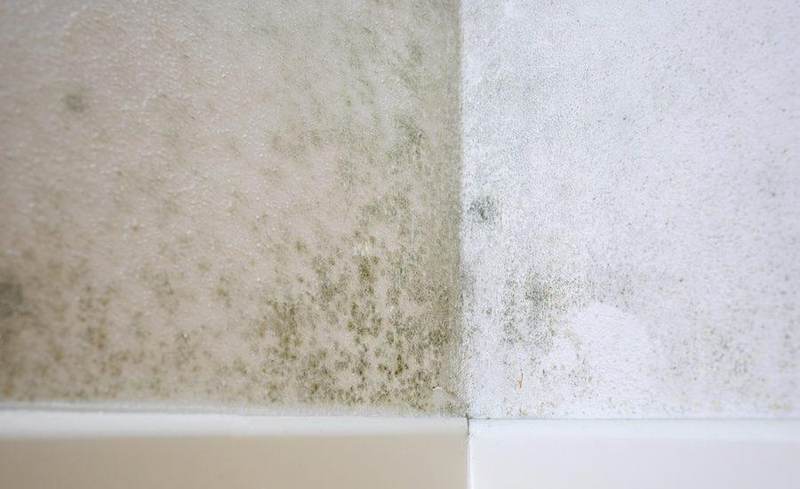
Color alone does not determine the health significance or remediation requirements of a mold growth. Proper assessment should focus on the actual conditions and affected materials.
Yes. Hidden moisture can create conditions for mold growth inside wall cavities and other concealed spaces.
Yes. Moisture can remain beneath carpet, flooring, or within subfloor assemblies.
No. A water loss that is promptly extracted and properly dried may not develop mold. Remediation is for existing or suspected mold growth rather than every water event.
Testing requirements depend on the project and applicable Texas requirements. Testing is not automatically the same thing as remediation, and regulatory requirements should be verified for the specific project.
Fast extraction, complete structural drying, moisture monitoring, and source correction can significantly reduce the conditions that support mold growth.
It can. Depending on the project, reconstruction may include drywall, insulation, flooring, paint, and other finishes after remediation and drying are appropriately completed.
The visible condition, moisture source, affected materials, drying condition, and applicable verification requirements should all be considered. For projects subject to Texas requirements, follow the applicable post-remediation verification process.
Mold remediation cost depends on how far the growth has spread, what materials are affected, and whether the moisture source also needs repair. A small contained area is a very different job from growth inside wall cavities across several rooms. We find the source, explain the plan before starting, and document the work. Call (469) 548-7594 to discuss your situation.
Fix the moisture first. Then deal with the mold.
A proper mold remediation process should connect the entire chain: Moisture Source, Assessment, Containment, Removal, Cleaning, Drying, Verification, Restoration. Texas Water Damage Solutions can help with water-related mold problems in residential and commercial properties.
Concerned About Mold? Tell us where the mold is, what happened before it appeared, and whether the area is still wet.
Request Mold Help
Tell us about the mold situation and we will respond promptly.