AC Leaking Water in Your Texas Home: Why It Happens, What to Do Now, and How to Prevent Costly Damage
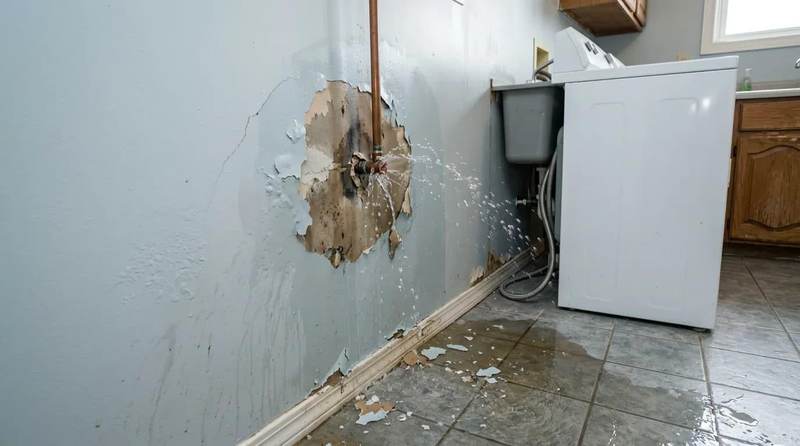
Texas air conditioners run 8 to 10 months a year, pulling gallons of moisture from humid Gulf air every single day. That water has to go somewhere down the condensate drain line, through the secondary drain, and outside. When anything in that path clogs, cracks, overflows or disconnects, water pours into your ceiling, walls, floors or attic insulation instead.
AC Leaking? Call (469) 548-7594 We Dry the Damage While Your HVAC Tech Fixes the Unit
(469) 548-7594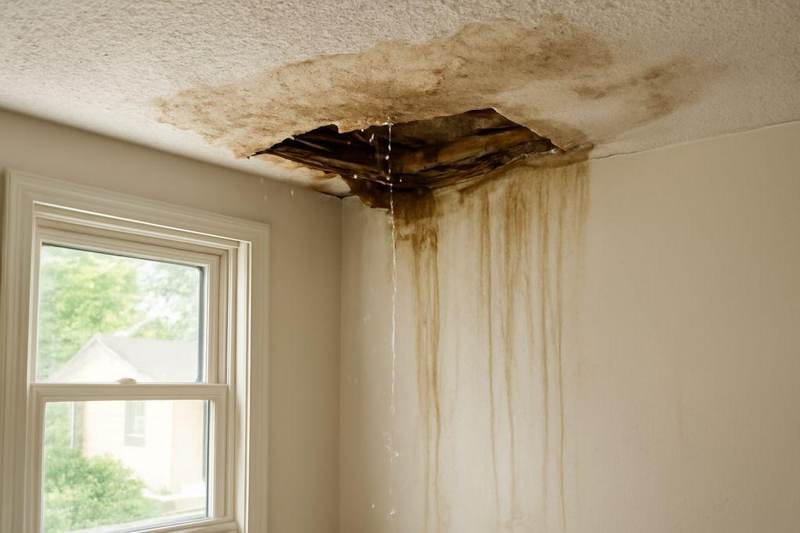
Texas AC Water Damage at a Glance
| Detail | What to Know |
|---|---|
| Why TX ACs leak more | Longer cooling season, higher humidity, attic-mounted air handlers |
| Gallons removed daily | A residential AC can pull 5-20 gallons of moisture per day in Texas humidity |
| #1 cause of AC leaks | Clogged primary condensate drain line (algae, mold, dust buildup) |
| Most damaging location | Attic-mounted air handler water travels through ceiling and walls |
| Mold timeline | 24-48 hours on wet insulation and drywall at TX summer temperatures |
| Secondary drain line | Your early warning if you see water dripping outside, the primary line is already clogged |
| Insurance coverage | Usually covered if sudden and accidental; denied if caused by maintenance neglect |
| Prevention cost vs damage cost | 200 annual HVAC maintenance vs 15,000+ water damage restoration |
Why Texas Air Conditioners Leak More Than Anywhere Else
Three factors combine to make AC leaks one of the most common sources of water damage in Texas homes.
The Season Never Ends
In most of Texas, the AC runs from March through November sometimes year-round in Houston, the Valley and coastal areas. That means 8 to 10 months of continuous condensate production, compared to 3 to 4 months in northern states. More runtime means more water flowing through drain lines, more opportunity for buildup, and more months for a slow leak to go unnoticed.
Gulf Humidity Produces Enormous Amounts of Condensate
Texas humidity regularly exceeds 70% to 90% relative humidity outdoors. The evaporator coil wrings moisture out of that air all day. A typical 3- to 5-ton residential system can produce 5 to 20 gallons of condensate per day during a Houston or Dallas summer. That volume overwhelms a drain line that is even partially clogged.
Attic-Mounted Air Handlers Are a Texas Builder Standard
Many Texas homes especially slab-on-grade construction built from the 1970s onward have the air handler and evaporator coil in the attic. This keeps the unit out of living space and away from flood risk, but it means any leak drops water onto the attic floor, soaks ceiling insulation and drips through drywall into rooms below. A garage- or closet-mounted unit leaks onto a floor where you notice it quickly. An attic unit can leak for days before a ceiling stain appears.
The 7 Most Common Reasons Your Texas AC Is Leaking Water
1. Clogged Condensate Drain Line
This is the most common cause of AC water damage in Texas. Algae, mold, dust and mineral deposits build up inside the PVC drain line over months of continuous use. The line blocks, the drain pan fills, and water overflows onto whatever is below the unit. In an attic, that means insulation and ceiling drywall. In a closet, it means the floor and adjacent walls.
What to check: The primary drain line exits outside your home, usually near the outdoor condenser. If no water drips from it while the AC is running on a humid day, the line may be clogged.
2. Cracked or Rusted Drain Pan
The drain pan under the evaporator coil catches condensate and funnels it to the drain line. Metal pans rust over time. Plastic pans crack. Either way, water bypasses the drain line entirely and drips directly onto the structure below. Auxiliary (secondary) pans under attic units also deteriorate.
3. Frozen Evaporator Coil
A dirty air filter, low refrigerant or restricted airflow can freeze the evaporator coil. When the ice melts usually when the system cycles off or you turn it off it releases a surge of water that overwhelms the drain pan. One defrost cycle can dump several gallons at once.
What to check: Ice on the refrigerant lines at the indoor unit, warm air blowing from vents, or the AC running constantly without cooling are signs of a frozen coil.
4. Disconnected or Damaged Drain Line
Vibration, settling or poor installation can loosen PVC drain line joints. The connection slips, and condensate pours into the attic or wall cavity instead of reaching the exit point. This is common in older attic installations where the PVC was not properly glued or supported.
5. Clogged Secondary Drain Line
Many Texas attic installations have a secondary (overflow) drain line that exits at a visible spot often above a window or the front door specifically so you notice the drip. If you see water dripping from that secondary line, it means the primary line is already clogged and the secondary is now handling the load. If the secondary also clogs, the pan overflows.
6. Dirty or Blocked Evaporator Coil
Dust and debris on the coil reduce its efficiency and can redirect condensate to drip outside the pan. This is more common in homes with pets, construction dust or poor filtration.
7. Improper Installation or Slope
The drain pan and drain line must slope toward the exit. If the unit was installed on an uneven surface or if attic framing shifts over time water pools in the pan instead of draining. Eventually it overflows on the low side.
Your AC Is Leaking Right Now What to Do in the Next 30 Minutes
- Turn off the AC at the thermostat. This stops condensate production immediately.
- Check the air filter. A clogged filter causes frozen coils. Replace it if it is dirty.
- Find the drain pan. If the unit is accessible, check for standing water in the pan. Use towels or a wet-dry vacuum to remove it.
- Look for the secondary drain. Water dripping from a pipe above a window or door means the primary drain is clogged.
- Do not run the AC again until the cause is identified. Each hour of operation adds gallons of water to the problem.
- Move furniture and valuables away from wet areas. Water from an attic leak travels unpredictably through ceiling cavities.
- Call an HVAC technician for the unit and a water damage restoration crew for the structure. These are two separate problems that need two separate specialists.
AC Leak Water Damage by Unit Location Where It Goes and What It Destroys
Attic-Mounted Unit (Most Common in Texas)
Water soaks attic insulation first. Fiberglass batt insulation absorbs water and holds it against the ceiling drywall. Blown cellulose insulation clumps into a wet mass. The ceiling drywall absorbs moisture from above, softens, and eventually sags or collapses. Water travels along ceiling joists and can emerge in rooms far from the unit. Electrical wiring in the attic may also be affected.
This is the most expensive scenario because the damage is hidden, widespread and directly feeds mold growth in attic spaces. By the time you see a ceiling stain, the insulation above may have been wet for days.
Closet-Mounted Unit
Water flows onto the closet floor, under the wall into adjacent rooms, and along the slab edge. Baseboards swell, laminate or wood flooring cups, and carpet pad absorbs moisture that you cannot see from above. The signs of water damage in walls bubbling paint, soft drywall, swollen baseboards appear on walls shared with the closet.
Garage-Mounted Unit
Water pools on the garage slab and wicks into the shared wall with the house. Drywall on the house side absorbs moisture through the bottom plate. Carpet on the other side of that wall gets wet from below. A garage unit leak is easier to spot but still damages the shared wall if not dried quickly.
Professional AC Water Damage Drying What a Restoration Crew Does That Your HVAC Tech Cannot
Your HVAC technician fixes the unit clears the drain, replaces the pan, recharges refrigerant. But they do not dry the structure. That requires a different crew with different equipment.
Professional water extraction and structural drying for an AC leak includes:
- Moisture mapping Infrared cameras and penetrating moisture meters trace the full extent of the water path, including hidden saturation in ceiling cavities and wall bases
- Insulation removal Wet fiberglass or cellulose insulation in the attic is removed and bagged. It cannot be dried in place and holds moisture against the ceiling drywall
- Ceiling drywall assessment Sagging or saturated drywall is cut out. Drywall that is wet but structurally sound may be dried in place with cavity drying techniques
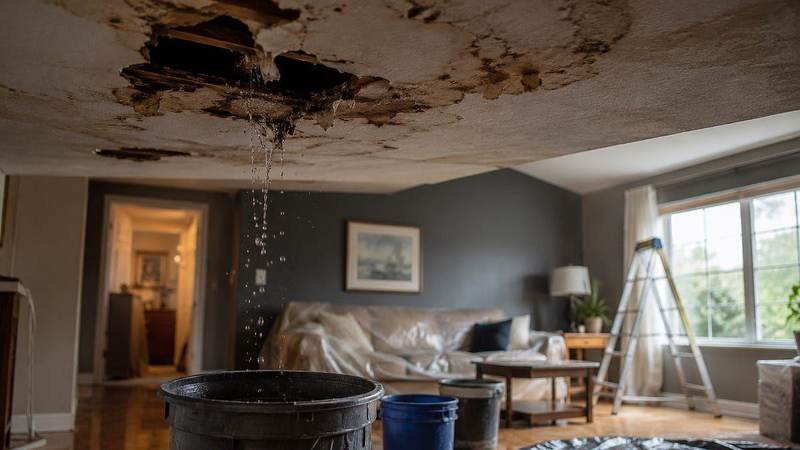
- Structural drying LGR dehumidifiers (pulling 130-200 pints per day) and commercial air movers directed into open ceiling and wall cavities. Structural drying continues until daily moisture readings match dry reference areas
- Antimicrobial treatment Exposed framing and sheathing treated to prevent mold colonization during the drying period
- Documentation Daily moisture logs, photos and drying records for your insurance file
AC Leak vs Other Leak Sources Ceiling Water Is Not Always the AC
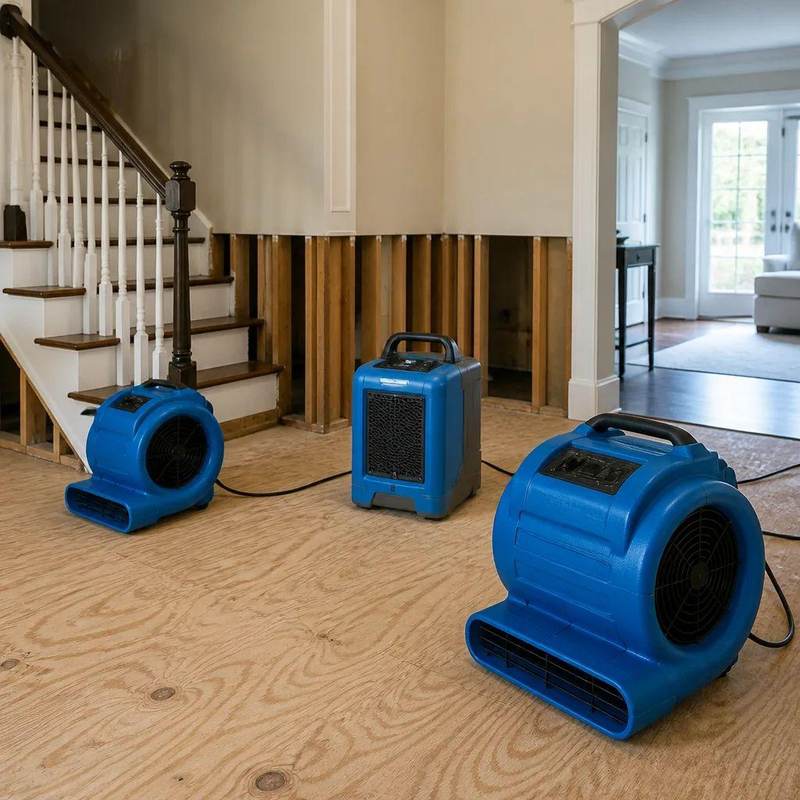
A wet spot on the ceiling does not always mean the AC is leaking. Before you call the HVAC tech, consider:
- Roof leak After a storm, hail damage or wind damage can cause leaks that look identical to an AC leak from inside the home
- Plumbing leak above the ceiling A supply line or drain line in the attic or second floor can leak onto the ceiling below. A hidden pipe leak in the wall can also travel horizontally along a top plate
- Bathroom overflow above In two-story homes, a bathtub overflow or toilet supply line failure upstairs sends water through the floor into the ceiling below
- Water heater in the attic Some Texas homes have the water heater in the attic alongside the air handler. A leaking T&P valve, corroded tank or failed supply fitting produces a similar ceiling stain
A moisture survey with infrared imaging identifies the source before you spend money on the wrong repair.
How to Prevent AC Leaks in Your Texas Home
Schedule HVAC Maintenance Before Summer
An annual tune-up includes clearing the drain line, checking the pan, inspecting the coil and verifying the drain slope. This single visit prevents most AC leaks. Schedule it in February or March, before the cooling season starts.
Change the Air Filter Every 30 to 90 Days
A clogged filter restricts airflow, causes the coil to freeze, and leads to water surges when the ice melts. In Texas homes with pets, check it monthly.
Know Where Your Secondary Drain Line Exits
Walk around the exterior and find the PVC pipe that drips only when the primary drain is clogged. If you ever see water dripping from it, your primary line needs clearing immediately before the secondary clogs too.
Install a Drain Line Safety Switch
A float switch on the drain pan or drain line shuts off the AC automatically when water rises above a safe level. It costs $20 to $50 installed and prevents overflow entirely. Many HVAC companies include this in a tune-up.
Pour a Cup of Vinegar Down the Drain Line Monthly
During the cooling season, pour a cup of distilled white vinegar into the drain line access point monthly. It slows algae and mold buildup that causes clogs.
What Texas Homeowners Ask About AC Leaks and Water Damage
Why is my AC leaking water inside the house?
The most common cause is a clogged condensate drain line. Algae, mold and dust build up inside the PVC drain pipe during months of continuous use in Texas humidity. When the line blocks, the drain pan overflows onto your ceiling, walls or floor.
Can AC condensate cause mold in my attic?
Yes. Condensate soaking attic insulation creates ideal conditions for mold growth within 24 to 48 hours. Attic temperatures in a Texas summer accelerate colonization. Learn more about how long mold remediation takes and whether you need a mold inspection or testing.
Does homeowners insurance cover water damage from an AC leak?
Usually yes if the leak was sudden and accidental. If the insurer determines the leak resulted from lack of maintenance a drain line that was never serviced, for example the claim may be denied. Document the leak immediately and keep your HVAC maintenance records.
How much does it cost to dry water damage from an AC leak?
It depends on the unit's location (attic vs closet vs garage), how long the leak ran, and how much material must be removed. See our water damage restoration cost guide for estimated ranges.
Should I turn off my AC if it is leaking water?
Yes. Turn it off at the thermostat immediately. Every hour of operation adds gallons of condensate to the leak. Do not restart it until an HVAC technician identifies and fixes the cause.
Texas Cities Where AC Leaks Cause the Most Water Damage
AC condensate leaks are the number one cause of hidden water damage in Texas homes with attic-mounted air handlers. Our crews respond to AC leak water damage across Magnolia, Montgomery, Crosby, Katy, Humble, Pflugerville, Kyle, Georgetown, Rockwall and across our full service area.
Your HVAC Tech Fixes the Unit We Dry the Damage
An AC leak that ran for days does not dry on its own. Wet insulation holds moisture against drywall. Wall cavities trap humid air. Mold starts in 24 to 48 hours. Our local crews bring infrared cameras to find every wet surface, LGR dehumidifiers to pull the moisture out, and HEPA air scrubbers to keep spores contained. We document every reading for your insurance claim. Learn more about our emergency water damage response.
Call (469) 548-7594 Now 24/7 AC Leak Water Damage Drying
More Texas Water Damage Guides
Practical, no-pressure guides written for Texas homeowners.
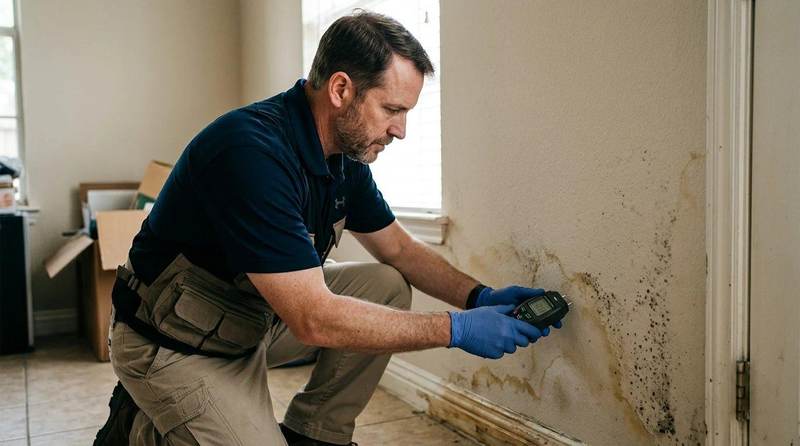
Mold Inspection vs Mold Testing in Texas: What You Need
Read the guide →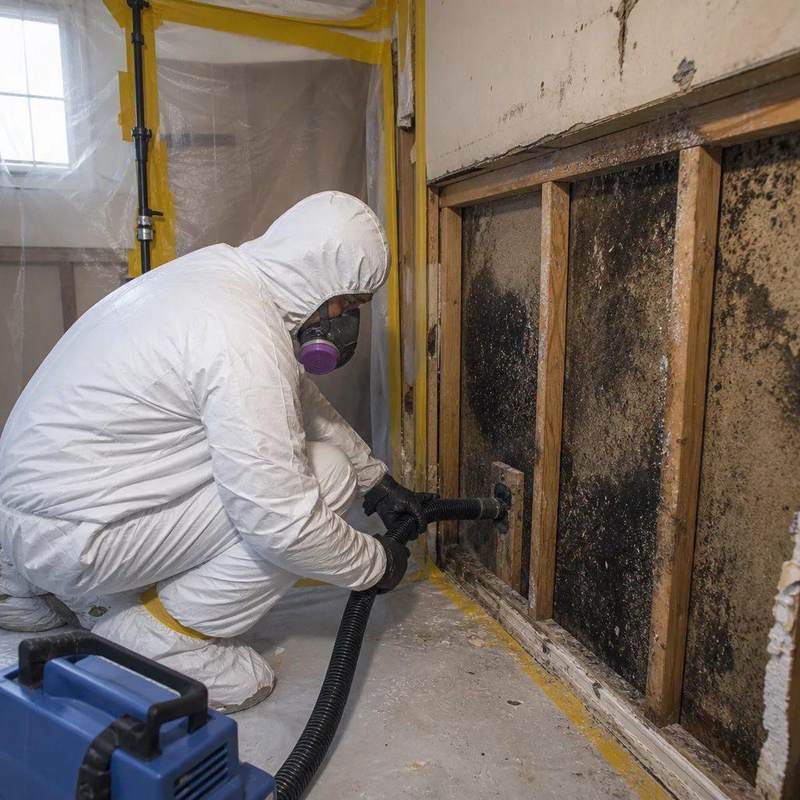
Mold Remediation Timeline: How Long Does It Take in Texas?
Read the guide →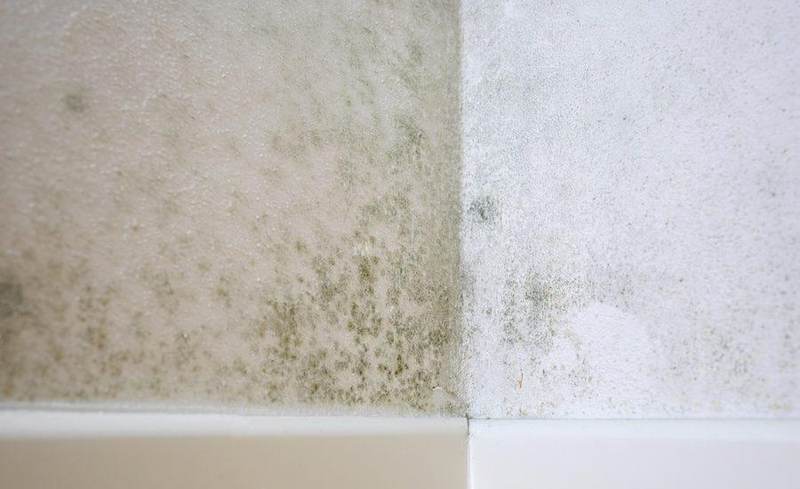
9 Signs of Water Damage in Walls: What Texas Homeowners Should Check Before Mold Spreads (2026)
Read the guide →
Texas Hail Damage Roof Leaks: How Storms Break Your Roof and What to Do Next (2026)
Read the guide →
Water Damage Restoration Cost in Texas (2026 Estimates)
Read the guide →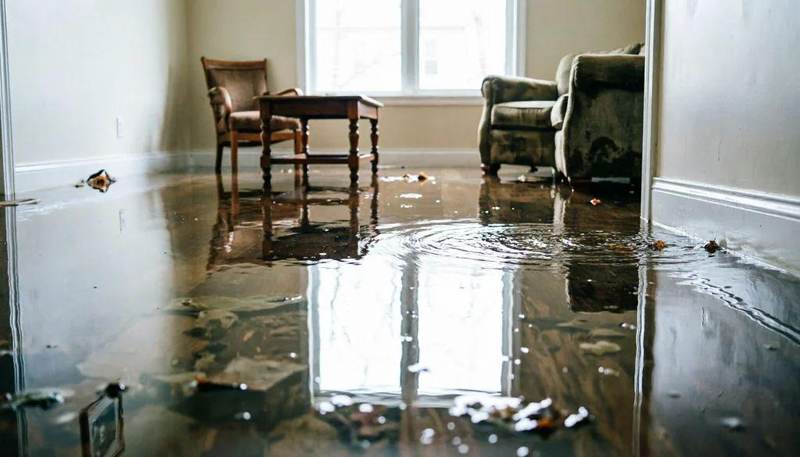
Water Heater Leaking? What to Do Right Now Before 50 Gallons Ruin Your Texas Home (2026)
Read the guide →