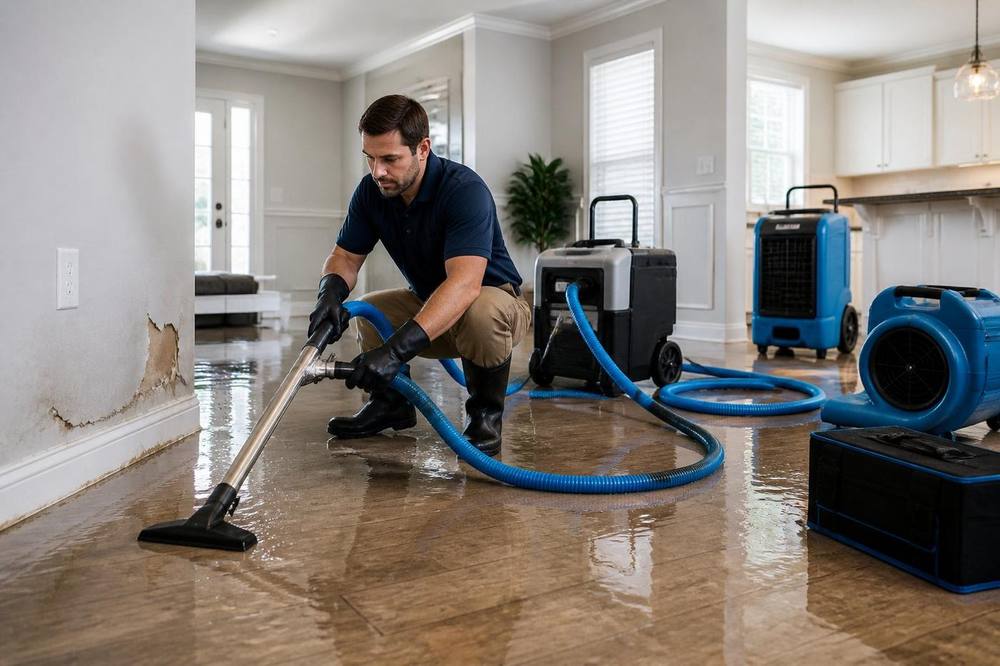
Texas Winter Storm Frozen Pipes: Why Our Homes Break in a Hard Freeze and Exactly What to Do About It
Texas homes are built to survive 105-degree summers, not single-digit winter nights. Water lines run through attics, exterior walls and unheated garages locations that would never be allowed in Minnesota or Michigan. When a hard freeze hits, those exposed pipes are the first to go. Winter Storm Uri in February 2021 proved it: millions lost power, temperatures dropped into the single digits statewide, and burst pipes flooded houses from El Paso to Beaumont.
Pipe Burst in the Freeze? Shut Off the Main, Then Call (469) 548-7594 Any Hour
(469) 548-7594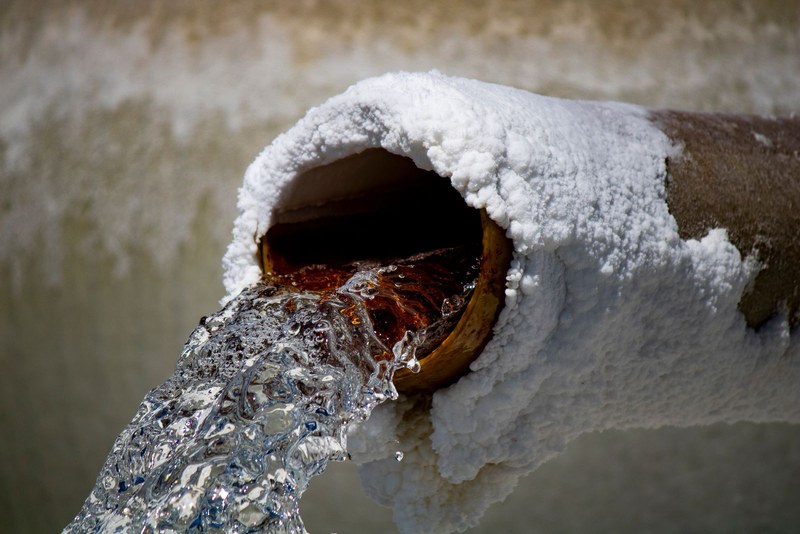
Texas Freeze Pipe Damage at a Glance
| Detail | What to Know |
|---|---|
| Why TX homes are vulnerable | Built for heat pipes in attics, exterior walls, unheated garages, slab edges |
| Freeze risk threshold | Pipes in unprotected locations at risk below ~20°F for several hours |
| Most destructive event | Winter Storm Uri, February 2021 days of record cold, millions without power |
| Most at-risk pipes | Copper supply lines in attics and exterior walls, outdoor faucets, irrigation backflows |
| Why burst happens on the thaw | Ice plugs the crack while frozen leak appears only when ice melts |
| Mold risk | Starts in 24-48 hours on wet drywall and carpet pad in a warming house |
| First action | Shut off main water valve immediately, then turn off water heater |
| Key prevention | Drip faucets, insulate exposed pipes, open cabinet doors, steady thermostat |
Why Texas Homes Freeze So Badly Compared to Northern States
In states that expect hard winters, building codes push water lines deep inside heated wall cavities, through insulated basements and below frost lines that can reach four feet deep. Texas has none of that infrastructure.
Texas builders design for heat. Attics are ventilated to shed 150-degree summer air, which means they drop to outdoor temperatures within hours of a cold front. Water lines routed through those attics a common practice in Texas slab-on-grade construction sit in air that can hit the teens during a winter storm. Pipes in exterior walls often have only a thin layer of fiberglass between them and the outside sheathing. Garages with water heaters and supply lines are unheated, sometimes with no insulation on the shared wall. Outdoor faucets and irrigation backflow preventers jut straight through the exterior with no protection.
Pier-and-beam homes add another weak point: supply lines and drain lines running through a ventilated crawl space where cold air flows freely under the floor.
All of this means a hard freeze that a home in Chicago would shrug off can rupture pipes across an entire Texas neighborhood in a single night.
Winter Storm Uri The Freeze Texas Will Not Forget
In February 2021, an Arctic air mass settled over the entire state for nearly a week. Temperatures dropped into the single digits as far south as San Antonio and Houston. The power grid buckled under heating demand, and rolling blackouts left millions of homes without electricity and without heat for days.
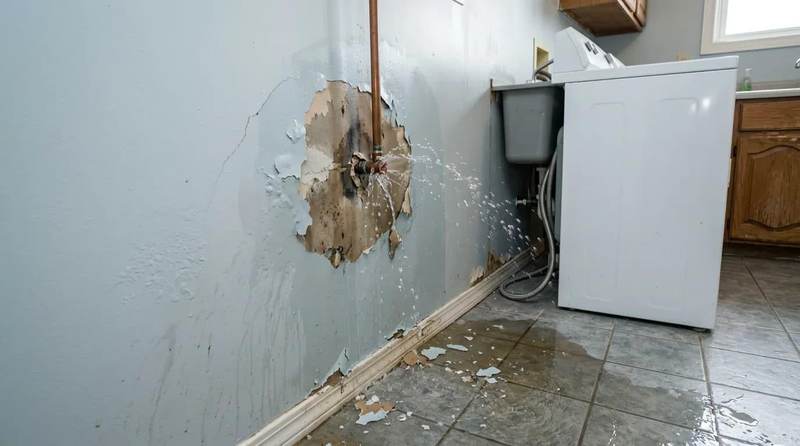
With no heat in the house, every pipe became vulnerable. Attic lines froze first, then interior pipes as homes dropped below freezing inside. When the thaw came, burst pipes flooded kitchens, bedrooms and living rooms across the state. Plumbers were booked for weeks. Restoration companies ran 24-hour shifts for months. Insurance carriers processed more water-damage claims from Uri than from most hurricanes.
Uri was extreme, but it was not the last hard freeze. Significant cold snaps have hit Texas again in the winters since, and climate patterns make future polar vortex events likely. The lesson is clear: preparing pipes before a freeze costs a fraction of what drying and rebuilding after a burst costs.
The Before-Freeze Checklist That Prevents Most Burst Pipes
| Step | Why It Works |
|---|---|
| Know where your main shutoff is and test it now | You can stop a burst in seconds instead of minutes; a seized valve wastes critical time |
| Disconnect garden hoses from outdoor faucets | A frozen hose traps water in the faucet and the pipe behind it |
| Cover outdoor faucets with insulated foam covers | Outdoor faucets are the first thing to freeze in most Texas homes |
| Wrap the irrigation backflow preventer | It is exposed, expensive to replace and often forgotten |
| Insulate attic pipes, garage pipes and crawl-space lines with foam sleeves | Slows heat loss enough to survive a short freeze |
| Open cabinet doors under sinks on exterior walls | Lets warm room air circulate around pipes that sit against a cold wall |
| Drip faucets on outside walls both hot and cold | Moving water is harder to freeze, and a drip relieves pressure if ice forms |
| Keep the thermostat at a steady temperature day and night | A warm house keeps pipes in walls above freezing; dropping the temp at night removes that protection |
| Close garage doors | Keeps the water heater and garage pipes warmer |
| Seal gaps where pipes enter the house | Stops cold drafts from blowing directly on supply lines |
| If leaving town, shut off the main and drain the lines | No water in the pipes means nothing to freeze and nothing to burst |
If the power goes out during a freeze, open cabinet doors wider and drip faucets more aggressively. If you lose heat for an extended period in deep cold, shutting off the main valve and draining the lines may be the safest decision you can make.
How to Tell a Pipe Is Frozen and How to Thaw It Safely
4 Signs a Pipe Is Frozen
A faucet gives only a trickle or nothing at all when temperatures are below freezing. Frost or ice is visible on an exposed pipe in the attic, garage or crawl space. A visible bulge or crack appears on an exposed section of line. A drain gives off an unusual smell because a frozen section is blocking sewer-gas venting.
Safe Thawing Steps
Open the faucet first so melting water has somewhere to flow. Warm the pipe slowly with a hair dryer, heating pad or warm towels, starting at the faucet side and working toward the frozen section. Never use an open flame, a propane torch or a heat gun on a pipe the rapid temperature change can crack the line or ignite nearby insulation.
If you cannot reach the frozen section common when the pipe is buried in an attic or inside a wall cavity call a plumber. Watch for leaks as the ice melts: a split pipe often leaks only once the ice plug thaws and pressure returns.
Pipe Just Burst The First 30 Minutes That Decide Everything
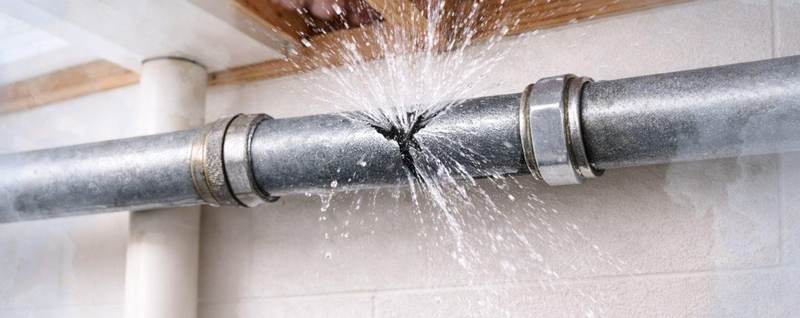
The speed of your response in the first half hour determines whether you are looking at a small drying job or a full-scale water damage restoration project.
Minute 1 Shut off the main water valve. The valve is usually in a box near the curb, in the garage wall or where the main supply enters the house. Every second the line stays pressurized, gallons pour into your home.
Minute 2 Turn off the water heater. Gas units go to pilot or off. Electric units get the breaker flipped. An empty tank heating with no water can overheat or crack.
Minute 3 Kill power to wet areas from a dry location. Standing water and live electricity are a lethal combination. If the panel is in a wet area, call your electric provider or an electrician do not walk through water to reach it.
Minutes 4-5 Open all faucets to drain remaining water. This relieves pressure in the system and reduces the volume that can still leak out of the broken section.
Minutes 5-10 Photograph everything before moving anything. The insurance adjuster will want photos of the break, the standing water, wet ceilings, walls and floors, and the serial numbers on the water heater and any damaged appliances.
Minutes 10-20 Move valuables and furniture out of standing water. Electronics, documents, photos and upholstered furniture sitting in water deteriorate fast.
Minutes 20-30 Call for help. A plumber fixes the pipe. A water damage restoration crew extracts the water and starts drying before mold gets a foothold.
More Texas Water Damage Guides
Practical, no-pressure guides written for Texas homeowners.