
Sewage Cleanup in Texas
A sewage backup is more than a water problem. It is a contamination problem that requires careful handling, material assessment, cleaning, disinfection, and drying.
Sewage can contain bacteria, pathogens, organic matter, and other contaminants. When sewage enters a home or business, affected areas should be isolated from people and pets while the source and extent of the loss are assessed.
Texas Water Damage Solutions helps with sewage cleanup, contaminated water extraction, affected-material removal, cleaning, disinfection, structural drying, and restoration.
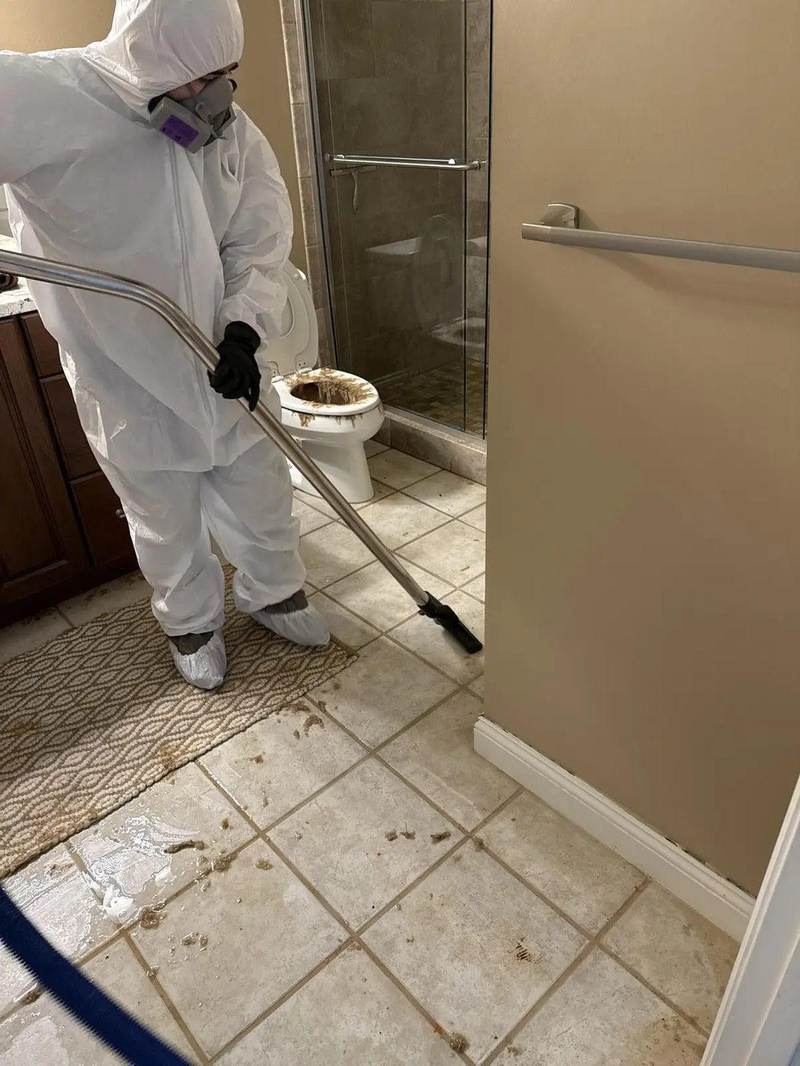
Why Sewage Cleanup Is Different
Clean water from a supply line and sewage from a backup may look similar at first, but the cleanup requirements can be very different.
Sewage may contain:
- Bacteria
- Pathogens
- Organic waste
- Chemicals
- Debris
- Other contaminants
That changes how the affected area should be handled. A sewage loss may require restricted access, personal protective equipment, containment, water extraction, removal of contaminated porous materials, cleaning, disinfection, structural drying, moisture monitoring, odor control, and final verification.
The objective is not simply to make the floor look clean. The objective is to remove contamination, address affected materials, and return the area to an appropriate condition for use.
What Is Category 3 Water?
In water damage restoration terminology, Category 3 water refers to grossly contaminated water that can contain harmful microorganisms and other contaminants. Sewage is a common example.
Category 3 conditions require more careful handling than clean-water losses because contaminated water can affect building materials and indoor areas beyond the visible water. The response may involve containment, protective equipment, extraction, material removal, cleaning, disinfection, drying, and moisture verification. The exact response depends on the source, extent, and condition of the water.
What to Do Right Now After a Sewage Backup
If sewage has backed up into your property, take safety seriously.
Stop Using Affected Plumbing
Avoid using toilets, sinks, showers, washing machines, dishwashers, or other fixtures connected to the affected drainage system until the cause has been addressed. Additional water entering a blocked drainage system can make the backup worse.
Keep People and Pets Away
Keep children, pets, and other occupants away from contaminated areas. Do not allow anyone to walk through or play in sewage-contaminated water.
Avoid Direct Contact
Do not unnecessarily touch contaminated water or materials.
Be Careful With Electricity
If water is near outlets, electrical equipment, wiring, or other electrical hazards, do not enter the area or operate equipment unless it is safe to do so.
Do Not Use Household Vacuums
A standard household vacuum is not designed to safely handle sewage-contaminated water.
Do Not Mix Cleaning Chemicals
Never mix household cleaning products together. Chemical reactions can create additional hazards.
Call for Professional Help
Tell the restoration professional where the sewage entered, which fixtures are backing up, how much of the property is affected, whether the water is still rising, and whether walls or flooring are affected.
Our Sewage Cleanup Process
Sewage cleanup can involve several stages.
Assessment, containment, extraction, material removal, cleaning, disinfection, structural drying, moisture verification, restoration.
The exact process depends on the source, size, contamination level, building materials, and condition of the property.
Step 1: Assessment and Containment
The first step is determining where the sewage came from and how far it traveled. Potential sources include blocked sewer lines, drain backups, sewer lateral problems, municipal sewer issues, plumbing failures, and other drainage problems. The affected area may need to be isolated to reduce unnecessary movement through contaminated areas. Containment can help prevent contaminated water, debris, and dust from spreading into unaffected parts of the property.
Step 2: Sewage Water Extraction
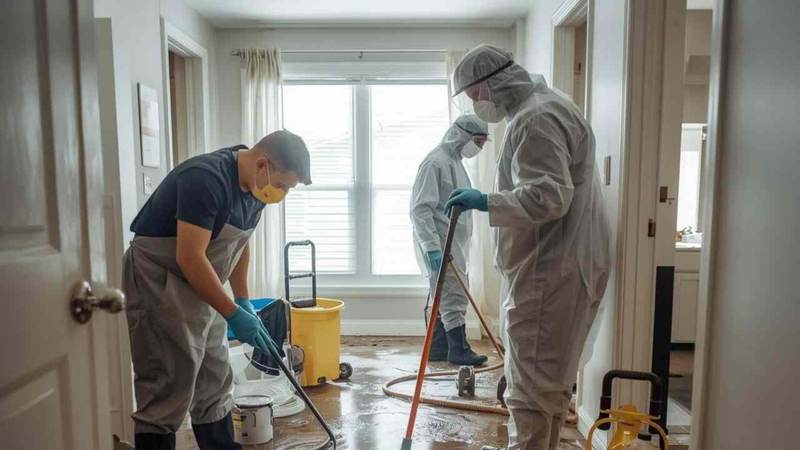
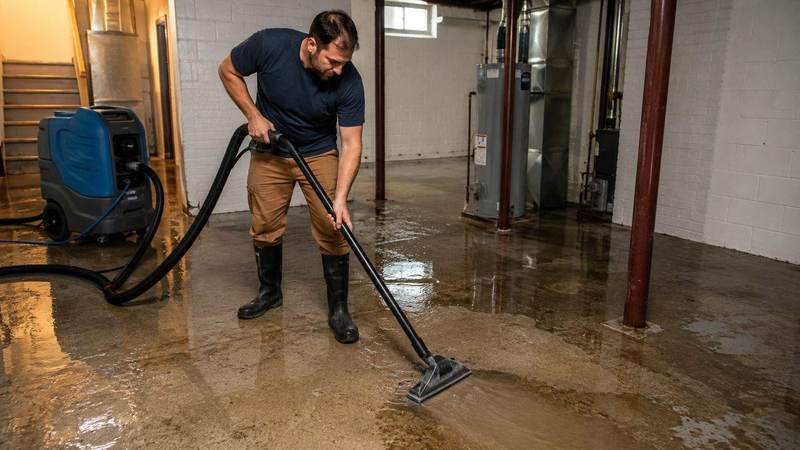
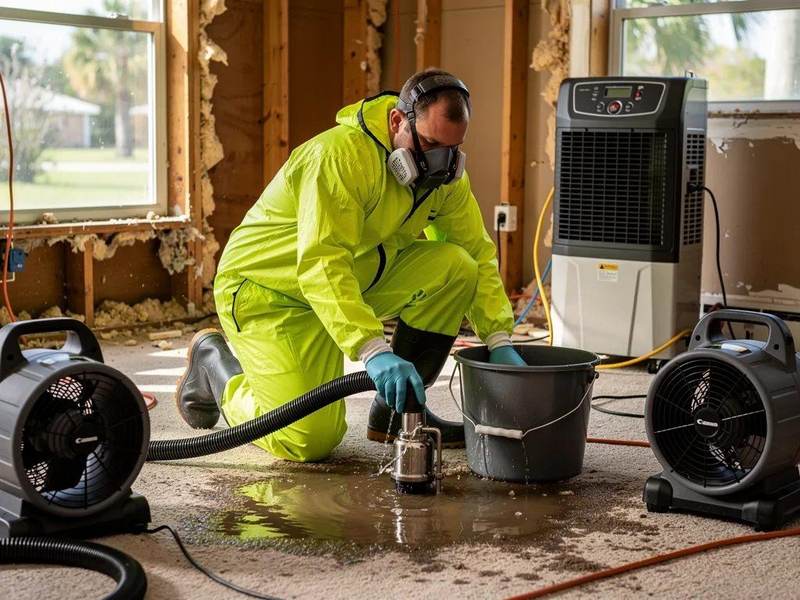
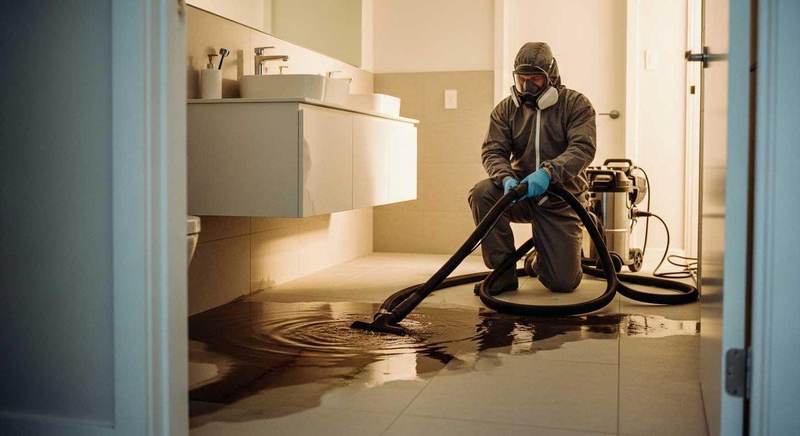
Standing sewage and contaminated water should be removed using appropriate extraction equipment. Depending on the situation, extraction may involve pumps, commercial extractors, wet vacuums rated for restoration work, and other specialized equipment. The goal is to remove contaminated water and residue while controlling the affected area. Household equipment is generally not appropriate for significant sewage losses.
Step 3: Removal of Unsalvageable Materials
Sewage can penetrate porous materials. Depending on the condition, contaminated materials may require removal. Potential examples include carpet, carpet padding, saturated drywall, wet insulation, certain upholstered materials, some fiberboard products, contaminated paper products, and severely affected baseboards. The decision depends on the material, contamination, saturation, exposure time, and whether the material can be safely cleaned and restored.
Step 4: Cleaning and Disinfection
Cleaning and disinfection are separate steps. Cleaning removes physical contamination such as sewage residue, dirt, organic material, debris, and visible soil. After appropriate surfaces have been cleaned, a suitable disinfectant may be used according to its label directions and compatibility with the material. This sequence matters because visible organic contamination can interfere with disinfectant effectiveness. Clean first. Disinfect afterward.
Step 5: Structural Drying
After contaminated water and unsalvageable materials have been addressed, remaining moisture may still exist inside the property. Moisture can remain in drywall, wood framing, subfloors, concrete, flooring, wall cavities, cabinets, and baseboards. Structural drying may involve air movers, dehumidifiers, moisture meters, moisture monitoring, and targeted drying methods. The objective is to reduce remaining moisture and verify the condition of affected materials. Related service: Structural Drying
Step 6: Odor Control and Final Verification
Sewage can leave persistent odors when contaminated material or moisture remains. Odor control should be part of the broader cleanup process rather than a substitute for removing the source of the odor. The priority is: Remove contamination, clean, disinfect where appropriate, dry, verify, address remaining odor. Once the affected area has been properly cleaned and dried, remaining odor sources can be evaluated.
What Usually Gets Removed?
Porous materials that have absorbed sewage can be difficult to clean and disinfect completely. Materials that may require removal include carpet padding, heavily contaminated carpet, saturated insulation, severely affected drywall, certain upholstered furniture, contaminated mattresses, contaminated paper products, and materials that cannot be adequately cleaned or dried.
Removal decisions should be based on the actual condition of the material rather than appearance alone.
What Can Sometimes Be Cleaned and Sanitized?
Some hard, non-porous materials may be suitable for cleaning and disinfection. Examples can include tile, concrete, glass, metal, certain hard surfaces, and some solid wood components. Materials should be evaluated individually. A surface that looks clean is not necessarily ready for use until the appropriate cleaning, disinfection, drying, and assessment steps have been completed.
Carpet After a Sewage Backup
Carpet and carpet padding can absorb contaminated water. The padding underneath carpet can be especially difficult to clean and dry after sewage exposure. Depending on the contamination and saturation, carpet and padding may require removal. Simply rinsing or cleaning the visible carpet surface does not automatically make the underlying padding safe.
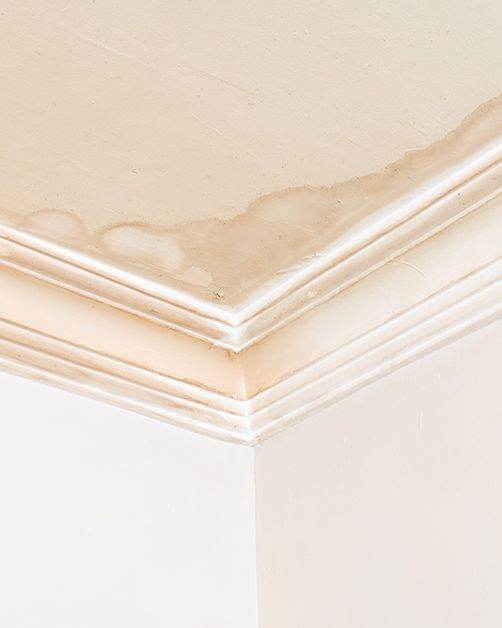
Drywall After Sewage Damage
Drywall can absorb sewage and moisture. If drywall has been heavily contaminated or saturated, removal may be necessary. Affected wall sections may also allow contamination or moisture to move into wall cavities, wood framing, insulation, baseboards, and electrical areas. The appropriate removal and drying approach depends on the actual condition of the wall assembly.
Insulation After a Sewage Backup
Insulation inside affected walls or other areas can hold moisture and contaminants. Depending on the insulation type and degree of exposure, contaminated insulation may require removal. The goal is to avoid leaving contaminated or persistently wet material trapped inside an enclosed space.
Moisture Monitoring During Sewage Cleanup
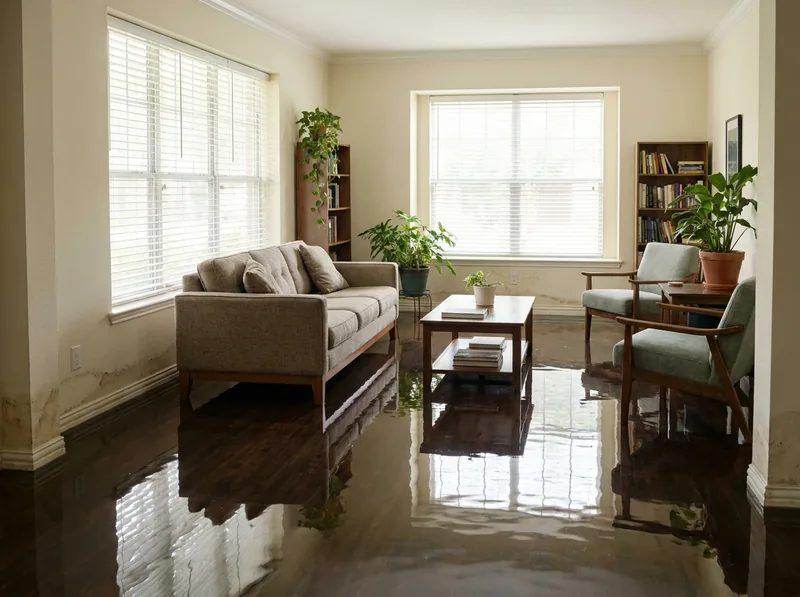
A property should not be considered dry simply because the visible water is gone. Moisture readings can help identify wet building materials, slow-drying areas, hidden moisture, moisture inside affected assemblies, and areas requiring additional drying. Monitoring can also help determine when the drying process has reached an appropriate endpoint.
Can You Stay in Your Home During Sewage Cleanup?
It depends on the extent and location of the contamination. If the backup is limited to a contained area and the affected space can be properly isolated, occupants may sometimes remain in unaffected parts of the property. However, temporary relocation may be more appropriate when sewage has reached living areas, multiple rooms are affected, HVAC may spread contaminants, strong odors are present, contamination cannot be effectively isolated, vulnerable occupants are present, or the property cannot be safely occupied.
Children, pets, older adults, and people with certain health vulnerabilities should be kept away from contaminated areas. A professional assessment can help determine what areas should remain restricted during cleanup.
Sewage Cleanup and HVAC Systems
HVAC systems deserve additional attention when sewage affects an area near air returns, ducts, or equipment. If contaminated material may have entered an HVAC system or the system could distribute air from the affected area throughout the property, professional evaluation may be appropriate. Do not automatically assume that turning the HVAC system on or off is safe in every situation. The correct approach depends on the property and contamination pathway.
Sewage Backup Insurance in Texas
Insurance coverage for sewage backup depends on the policy and the cause of the loss. Some homeowners policies may provide limited coverage through a sewer or drain backup endorsement, while other policies may exclude certain backup-related losses. Coverage can vary based on policy language, endorsements, coverage limits, deductibles, cause of the backup, property conditions, and insurance carrier.
Do not rely on a generic dollar amount to determine whether your loss is covered. Check your declarations page and policy documents, then contact your insurer or insurance professional for a coverage determination.
Document Your Sewage Damage
Documentation can help organize information about the loss. When safe, photograph the affected area, water levels, sewage residue, damaged flooring, damaged drywall, damaged contents, materials removed, and visible source of the backup. Useful restoration records may also include moisture readings, equipment used, areas treated, materials removed, cleaning performed, disinfection performed, and drying progress. Documentation does not guarantee insurance coverage or payment, but it can provide a useful record of the loss and restoration work.
What Causes Sewage Backups in Texas Homes?
Sewage backups can have several causes. Common possibilities include:
Sewer Line Blockages
A blockage can prevent wastewater from leaving the property properly.
Tree Root Intrusion
Roots can enter damaged or aging sewer lines and restrict wastewater flow.
Grease and Foreign Materials
Grease, wipes, paper products, and other materials can contribute to blockages.
Damaged Sewer Laterals
The private sewer line connecting a property to the larger sewer system can develop problems.
Municipal Sewer Problems
A problem farther downstream can sometimes contribute to backups affecting connected properties.
Heavy Rain
Heavy rainfall can place additional pressure on drainage and sewer systems in some areas.
How to Help Prevent Future Sewage Backups
Prevention starts with understanding your property's plumbing and sewer system.
Know Where Your Sewer Cleanout Is
Locate the sewer cleanout before an emergency occurs.
Avoid Flushing Problem Materials
Do not flush wipes, grease, paper towels, hygiene products, or other materials not designed to be flushed.
Consider a Sewer Camera Inspection
For older properties or recurring drainage problems, a sewer camera inspection may help identify root intrusion, cracks, blockages, deterioration, and other line problems.
Consider a Backwater Valve
A properly installed backwater valve can help reduce the risk of sewage flowing backward through certain drainage systems. Whether one is appropriate depends on the property's plumbing configuration and local requirements.
Sewage Cleanup vs. Regular Water Damage Restoration
Sewage cleanup is a specialized form of water damage restoration. Regular water damage may involve water extraction, structural drying, moisture monitoring, cleaning, and repairs. Sewage damage may additionally require containment, protective equipment, contaminated-material removal, specialized cleaning, disinfection, controlled disposal, and additional safety precautions. The source and condition of the water determine the appropriate restoration approach.
How Long Does Sewage Cleanup Take?
There is no single timeline for every sewage loss. A contained backup affecting one area may be addressed faster than a multi-room loss involving walls, flooring, cabinets, and subfloors. The timeline can depend on the amount of sewage, contamination level, number of affected rooms, materials affected, material removal requirements, drying conditions, cleaning requirements, and reconstruction needs. Extraction and initial cleanup may happen quickly, while drying and reconstruction can require additional time. The property should be considered ready for normal use based on the actual cleanup, drying, and verification process rather than an arbitrary number of hours.
What Not to Do After a Sewage Backup
Avoid these common mistakes:
Do Not Walk Through Contaminated Water
Unnecessary contact can increase exposure.
Do Not Seal Contaminated Materials Behind New Construction
Affected materials should be properly evaluated before rebuilding.
Do Not Assume Surface Cleaning Is Enough
Contamination can remain in porous materials and hidden areas.
Do Not Delay Assessment After a Major Backup
Moisture and contamination can spread into surrounding materials.
Frequently Asked Questions
Coverage depends on the policy, endorsements, cause of the loss, and other circumstances. Some policies provide sewer or drain backup coverage through an endorsement, while others may not. Check your policy and contact your insurer for a coverage determination.
A sewer backup endorsement is an optional policy provision that may provide coverage for certain losses involving backed-up sewers or drains. Coverage limits, deductibles, exclusions, and conditions vary by policy.
Carpet and padding can absorb contaminated water. The backing and padding can be difficult to fully clean and disinfect, so heavily contaminated carpet systems may require removal.
Persistent moisture can create conditions that support microbial growth. Proper extraction, material handling, cleaning, and structural drying can help address moisture-related risks.
Stop using affected plumbing fixtures, keep people and pets away from contaminated areas, avoid electrical hazards, do not attempt unsafe cleanup, and arrange appropriate assessment and cleanup.
Sometimes, depending on the extent of contamination and condition of the drywall. Heavily contaminated or saturated drywall may require removal.
A sewage backup should not be treated like an ordinary water spill.
Contaminated water can affect flooring, drywall, insulation, carpet, subfloors, cabinets, and other materials. Texas Water Damage Solutions can help with containment, sewage water extraction, contaminated-material assessment, material removal, cleaning, disinfection, structural drying, moisture monitoring, and restoration.
If sewage is standing in your property right now, keep people and pets away from the affected area and avoid unnecessary contact with the water.
Request Sewage Cleanup Help
Describe the sewage situation and we will respond as soon as we can.