
Storm Water Damage in Texas
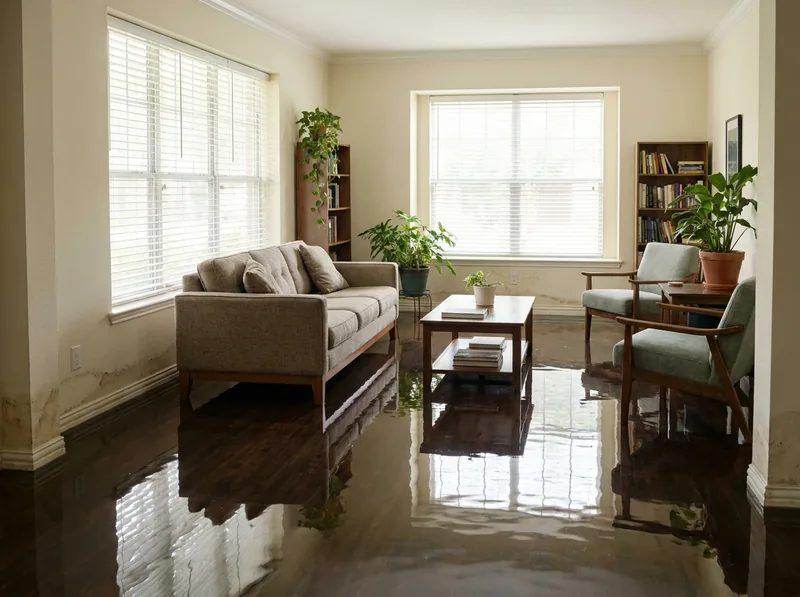
A storm can damage your property even when there is no flooding outside.
Wind-driven rain can enter through damaged roofing, windows, doors, vents, siding, and other openings. Hail can damage roofing materials. Fallen branches can create openings that allow rain into the attic and interior.
Once water gets inside, the problem changes. Water can move through ceilings, attics, insulation, wall cavities, flooring, drywall, wood framing, and cabinets.
Texas Water Damage Solutions helps address the interior water damage caused by storms, including moisture assessment, water extraction, structural drying, moisture monitoring, material evaluation, cleaning, and restoration.
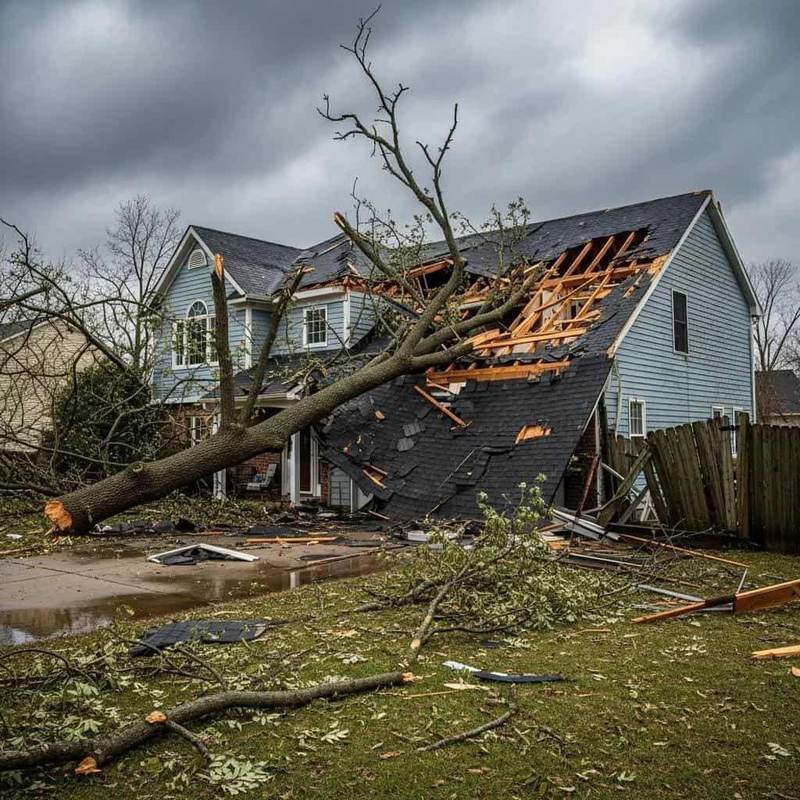
What Is Storm Water Damage?
Storm water damage occurs when weather conditions allow water to enter or affect a building.
Common storm-related water intrusion includes:
- Wind-driven rain
- Roof leaks
- Hail-damaged roofing
- Fallen-tree damage
- Damaged flashing
- Window leaks
- Door leaks
- Attic water intrusion
- Gutter overflow
- Exterior drainage problems
Storm water does not always appear as standing water. Sometimes the first sign is simply a ceiling stain, damp wall, wet insulation, peeling paint, or musty odor. That makes hidden moisture an important part of storm damage assessment.
How Does Storm Water Get Inside a Texas Home?
Wind-Driven Rain
Strong winds can push rain toward areas of a building that normally remain dry. Water may enter around roofing materials, flashing, windows, doors, vents, siding, and exterior penetrations. A small opening can allow enough water inside to damage interior materials.
Hail-Damaged Roofs
Hail can damage roofing materials and create pathways for water intrusion. After a hailstorm, homeowners may notice damaged shingles, missing roofing material, damaged flashing, water stains, wet attic insulation, and ceiling discoloration. Some roof damage may not be obvious from the ground.
Fallen Trees and Branches
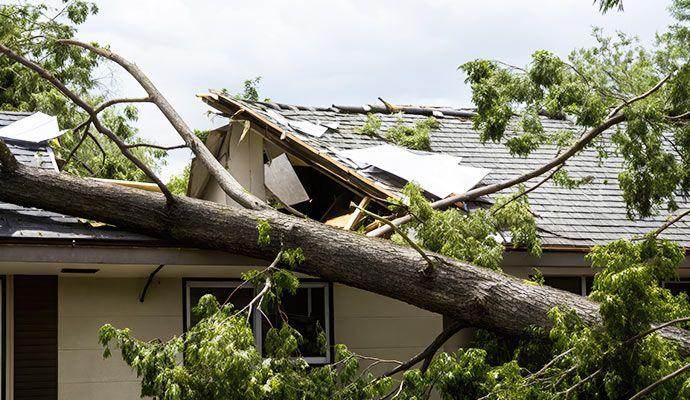
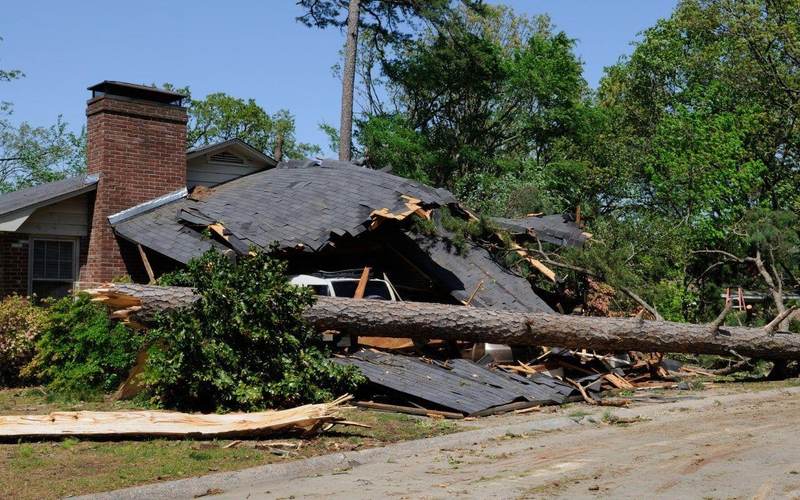
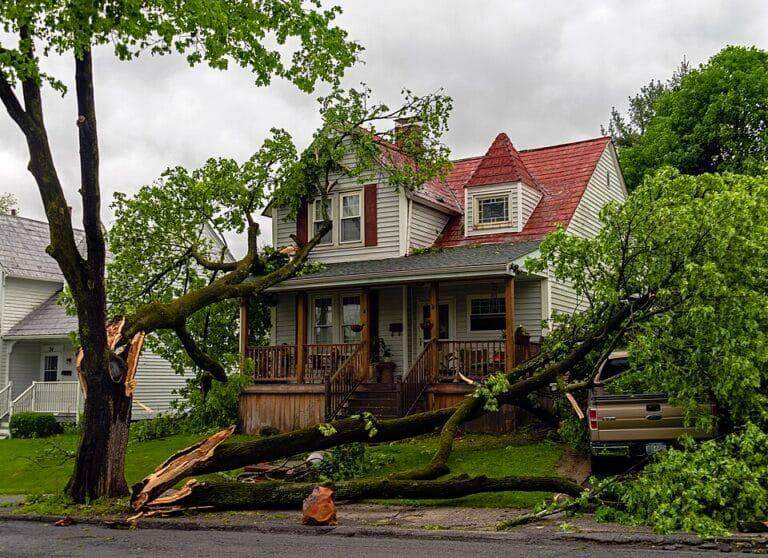
A fallen limb can damage roofing, siding, windows, gutters, and exterior walls. If the impact creates an opening, subsequent rainfall can enter the structure.
Window and Door Leaks
Storm pressure can expose weaknesses around window frames, door frames, sills, headers, seals, and flashing. Water can then travel inside a wall rather than appearing directly beneath the opening.
Gutter and Drainage Overflow
Heavy rainfall can overwhelm gutters and drainage systems. Water may collect around roof edges, foundations, exterior walls, and door thresholds. Poor drainage can contribute to water intrusion depending on the property's design and conditions.
Storm Water Damage vs Flood Damage
These are related but not identical problems.
Storm Water Damage
Usually refers to water entering from weather-related intrusion such as roof leaks, wind-driven rain, hail damage, broken windows, and exterior openings.
Flood Damage
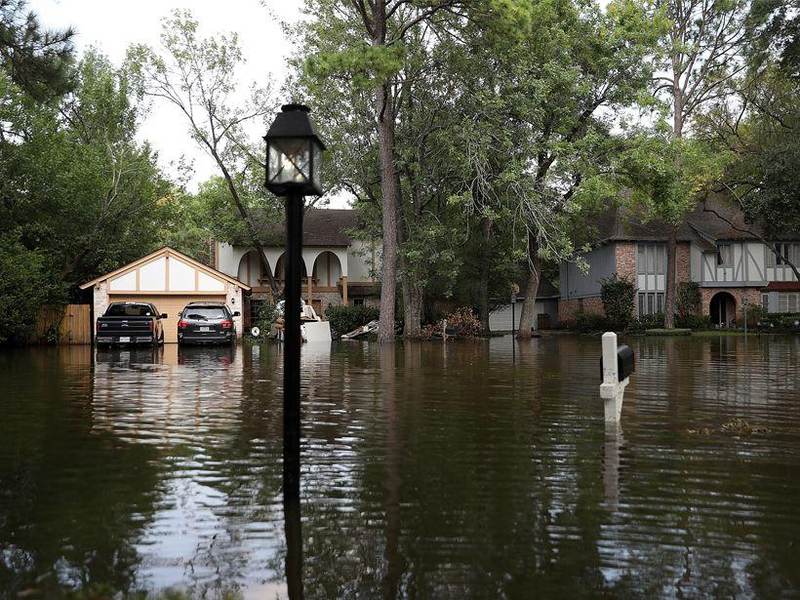
Generally involves rising or accumulating water from outside the structure affecting the property.
The source of the water matters because it can affect safety, cleanup procedures, material handling, insurance considerations, and restoration methods. For rising or external floodwater, see: Flood Damage Restoration
What to Do Immediately After Storm Water Enters Your Property
- 1
Put Safety First
Do not investigate storm damage if conditions are unsafe. Stay away from downed power lines, unstable trees, severely damaged structures, broken glass, exposed electrical wiring, and active severe weather. Never climb onto a damaged roof during unsafe weather.
- 2
Control the Water When Safe
If water is actively dripping inside, use containers to catch water where practical. Move furniture and valuables away from affected areas if doing so is safe. Do not place yourself underneath a severely damaged ceiling.
- 3
Do Not Go Onto the Roof
Roof inspection should be performed by an appropriately qualified professional. Storm damage can involve loose shingles, structural damage, hidden openings, unstable roofing, and fallen branches. A roof that looks safe from the ground may not be safe to walk on.
- 4
Document the Damage
Photograph and record exterior storm damage, roof damage visible from the ground, wet ceilings, wet walls, flooring damage, water stains, damaged belongings, broken windows, and fallen branches. Also keep receipts for reasonable emergency measures and temporary protection.
- 5
Contact the Right Professionals
Storm restoration can involve two different scopes. Roofer: exterior roof and weatherproofing repairs. Water damage restoration company: interior water extraction, drying, moisture assessment, and restoration. Both may need to coordinate. Call (469) 548-7594 for interior storm water damage help.
Storm Water Damage Restoration Process
A typical interior restoration sequence is: Safety, Source Control, Moisture Mapping, Extraction, Material Evaluation, Controlled Removal, Structural Drying, Moisture Monitoring, Cleaning, Restoration.
Step 1: Moisture Mapping
Visible staining does not always show the entire affected area. Moisture assessment can investigate ceiling cavities, wall cavities, attic insulation, drywall, flooring, subfloors, and wood framing. Moisture meters can help identify wet materials. Thermal imaging may help locate temperature differences that warrant further investigation. The goal is to understand where the water traveled, not simply where the stain appeared.
Step 2: Water Extraction
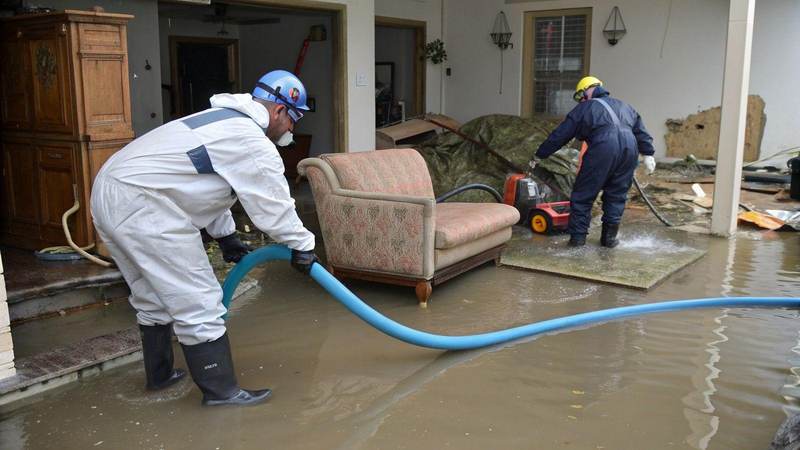
If storm water has created standing water, extraction should begin as soon as safely practical. Depending on the situation, equipment may include pumps, portable extractors, commercial wet vacuums, and extraction wands. Extraction removes accessible water. It does not automatically remove moisture from building materials. That is why structural drying follows extraction when needed. Related service: Water Extraction
Step 3: Controlled Material Removal
Not every damaged material needs to be demolished. The decision depends on material type, amount of saturation, water source, duration of exposure, physical condition, and ability to dry the material. Potentially affected materials may include drywall, insulation, ceiling materials, carpet, padding, baseboards, and other porous materials. The objective is to remove materials that cannot be appropriately restored while preserving materials that can be dried and restored.
Step 4: Structural Drying
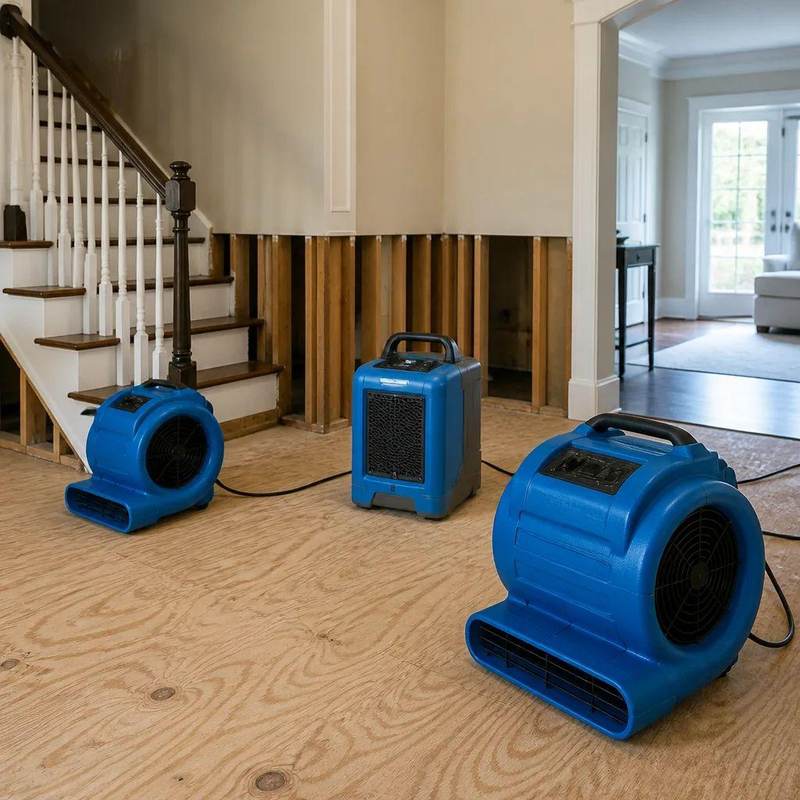
Storm water can remain inside building materials after visible water has disappeared. Structural drying may involve air movers, dehumidifiers, moisture meters, moisture monitoring, and targeted drying methods. Affected areas can include ceilings, wall cavities, attics, framing, flooring, subfloors, and cabinets. Related service: Structural Drying
Step 5: Moisture Monitoring
Drying should not be based solely on appearance. Monitoring helps identify remaining moisture, slow-drying areas, hidden moisture, wet insulation, wet framing, and moisture beneath flooring. Equipment can then be adjusted according to the actual drying conditions.
Step 6: Cleaning
Storm water can carry dirt and debris into the property. Depending on the source and conditions, affected surfaces may require appropriate cleaning before restoration. Storm water that entered through a damaged roof, attic, or exterior opening should not automatically be treated exactly like a clean plumbing leak.
Step 7: Repairs and Restoration
Once affected areas have been appropriately dried and evaluated, restoration can begin. Depending on the loss, repairs may involve drywall, ceiling texture, paint, insulation, flooring, baseboards, trim, cabinets, and other interior finishes.
Storm Damage to Ceilings, Attics, and Walls
Storm Damage to Ceilings
Ceiling damage is one of the most common visible signs of storm water intrusion. Watch for brown stains, yellow stains, sagging drywall, bulging areas, peeling paint, dripping water, and damp insulation above the ceiling. A ceiling can remain wet even after the rain has stopped. If the ceiling is severely bulging or sagging, avoid standing underneath it.
Storm Water Damage in the Attic
The attic can hide a significant amount of storm water damage. A roof breach can allow water to enter the attic and affect insulation, roof decking, framing, ceiling drywall, electrical components, and HVAC-related areas. Insulation can absorb water and make the affected area difficult to evaluate visually. This is why attic moisture assessment can be important after a roof-related storm loss.
Storm Water Damage to Insulation
Wet insulation can retain moisture. Depending on insulation type, degree of saturation, contamination, accessibility, and ability to dry, the insulation may be dried or may require removal. Leaving persistently wet insulation inside an enclosed assembly can interfere with proper drying.
Storm Water Damage to Walls
Water entering around windows, doors, roofs, or exterior penetrations can travel into wall assemblies. Possible affected materials include drywall, insulation, wood framing, baseboards, and electrical components. A wall can therefore show damage several feet away from the original water-entry point.
Signs of Hidden Storm Water Damage
New Ceiling Stains
A new stain after a storm can indicate water entered through the roof or another upper opening.
Damp Walls
Especially around windows, doors, exterior walls, and ceiling transitions.
Musty Odors
An unexplained odor after a storm may indicate remaining moisture.
Peeling Paint
Moisture can cause paint to bubble, peel, or separate.
Wet Insulation
Attic insulation may retain water even when the ceiling below looks relatively normal.
Water Far From the Entry Point
Water appearing in another room does not rule out storm-related intrusion.
Why Does Storm Water Sometimes Appear Far From the Leak?
Water follows available pathways. For example: Roof opening to attic to insulation to ceiling cavity to wall cavity to floor. Or: Window opening to wall cavity to framing to lower wall to flooring. This is why the visible stain does not necessarily identify the exact location of the water entry.
Hail Storm Water Damage
Hail can contribute to water intrusion by damaging roofing and exterior components. After a major hailstorm, look from the ground for missing shingles, lifted shingles, damaged flashing, damaged gutters, broken windows, fallen branches, and roof debris. Do not climb onto the roof yourself to investigate damage. A qualified roofing professional can inspect the exterior.
Wind-Driven Rain Damage
Wind-driven rain behaves differently from ordinary rainfall. Strong winds can force water under roofing components, around windows, through vents, behind siding, through damaged flashing, and into wall assemblies. This means a property can experience interior water damage without any major flooding outside.
Storm Water Damage From a Roof Leak
A roof leak can affect more than the ceiling stain you see. Water can spread into attic insulation, roof decking, ceiling drywall, wall cavities, framing, and flooring. The source should be addressed while the interior damage is assessed and dried. Related service: Roof Leak Water Damage
Roofer vs Water Damage Restoration Company
This distinction is extremely important.
What the Roofer Handles
A roofing professional may handle roof inspection, shingle repair, roof replacement, flashing, roof penetrations, tarping, and exterior weatherproofing.
What the Restoration Company Handles
A water damage restoration company may handle moisture assessment, water extraction, interior drying, moisture monitoring, material evaluation, controlled removal, cleaning, and interior restoration.
Why Both May Be Needed
The roof prevents new water from entering. The restoration process addresses water that has already entered. One does not automatically replace the other.
Can Drying Start Before the Roof Is Repaired?
Sometimes interior drying can begin before permanent exterior repairs are completed, provided the property has been made sufficiently protected from additional water intrusion. For example, temporary weatherproofing may help prevent another rainfall event from adding more water. The exact approach depends on the condition of the building.
Storm Water Damage vs Roof Leak Water Damage
These overlap, but they are not the same job. Storm water damage covers weather-driven intrusion: wind-driven rain, hail damage, storm runoff, fallen branches, and storm-created openings. Roof leak water damage covers water entering through the roofing system itself. A storm can cause a roof leak, but not every roof leak comes from a storm. Related service: Roof Leak Water Damage
Storm Water Damage vs Emergency Water Damage
If storm water is actively entering your property right now, treat it as an emergency first and get the water under control. Related service: Emergency Water Damage
Storm Water Damage and Insurance
Insurance coverage depends on the policy, cause of loss, exclusions, endorsements, and circumstances. Do not assume that every type of storm water damage is covered. Document the loss carefully. Keep records of photos, videos, emergency measures, temporary protection, restoration work, moisture readings, damaged materials, repair estimates, and receipts. Documentation can help organize information for a claim. Insurance coverage decisions depend on the applicable policy and insurer.
Document Storm Damage in Three Stages
- Damage as found: photograph the property before unnecessary changes are made.
- Emergency measures: document tarping, board-up, water extraction, temporary protection, and emergency repairs.
- Drying and restoration: keep records of moisture readings, equipment, drying progress, material removal, and repairs. This creates a chronological record of the loss.
How Long Does Storm Water Damage Take to Dry?
There is no universal drying timeline. A small ceiling leak can be very different from a storm that saturates attic insulation, ceiling drywall, wall cavities, flooring, and multiple rooms. Drying time depends on the amount of water, materials affected, humidity, temperature, airflow, dehumidification, accessibility, and hidden moisture. Moisture readings should guide the drying process rather than an arbitrary number of days.
What Happens If Storm Water Is Not Dried?
Persistent moisture can affect building materials and create conditions favorable to microbial growth. It may also contribute to material deterioration, odors, damaged finishes, swollen materials, and longer restoration timelines. The goal is to identify and address moisture before affected areas are closed or rebuilt.
Can Storm Water Damage Cause Mold?
Persistent moisture can create conditions that support microbial growth. Risk depends on moisture, temperature, material, duration, and drying conditions. Prompt moisture assessment, extraction, and drying can help reduce prolonged moisture exposure. If established mold growth is present, the appropriate response depends on the extent and circumstances. Related service: Mold Remediation
Preventing Future Storm Water Damage
You cannot prevent every storm, but you can reduce vulnerabilities.
Inspect the Roof
Regularly check for signs of damaged shingles, missing materials, deteriorated flashing, and roof penetrations.
Maintain Gutters
Keep gutters and downspouts clear enough to direct water away from the structure.
Inspect Windows and Doors
Check seals and areas where water may enter.
Trim Problematic Trees
Branches close to the roof can become hazards during severe storms.
Know Your Emergency Shutoffs
Know where important utility controls are located before an emergency.
Have a Storm Plan
Keep basic emergency supplies available and know which professionals to contact after severe weather.
What Not to Do After Storm Water Damage
Do Not Climb Onto a Damaged Roof
Roof work can be dangerous after a storm.
Do Not Ignore a Small Ceiling Stain
A small stain can represent moisture inside a larger assembly.
Do Not Close Wet Walls
Affected materials should be appropriately evaluated and dried first.
Do Not Assume the Attic Is Dry
Insulation can hide moisture.
Do Not Use Electrical Equipment in Unsafe Areas
Water and electricity can create serious hazards.
Do Not Wait for the Next Storm
Temporary weatherproofing may be necessary when an opening remains.
Frequently Asked Questions
Prioritize safety, avoid climbing onto the roof, document the damage, protect the property from additional water intrusion when safely possible, and arrange appropriate roofing and restoration help.
Strong winds can force rain through weaknesses around roofing, windows, doors, siding, vents, flashing, and other exterior openings.
You may need both. The roofer addresses the exterior source, while the restoration company addresses interior water damage, extraction, drying, and moisture monitoring.
It depends on the amount of moisture, ceiling materials, insulation, humidity, airflow, and hidden moisture. Moisture readings should guide the process.
Coverage depends on the specific policy and circumstances. Review the policy and contact the insurer for a coverage determination.
Temporary weatherproofing may help reduce additional intrusion. Contact the appropriate roofing professional and document any new damage.
As soon as it is safe to assess the situation. Early moisture assessment and extraction can help address water before it remains inside building materials for longer periods.
Yes. Attic and wall insulation can become wet after storm intrusion. Depending on the material and condition, it may be dried or require removal.
Yes. Wind-driven rain or a roof/window opening can cause substantial interior water damage without external flooding.
Yes. Water can move from roof and attic areas into ceiling and wall cavities and appear in locations away from the original entry point.
Yes. Moisture can remain inside drywall, insulation, framing, or ceiling cavities even when the visible surface appears dry.
No. The correct approach depends on the material condition, amount of moisture, exposure, accessibility, and ability to dry it effectively.
Storm damage costs depend on how the water entered, how much came in, and what it damaged on the way. Wind-driven rain through a roof is a different job from rising water through doors. Because every storm loss is different, we assess the property first, explain the scope clearly, and document for insurance. Call (469) 548-7594 after the storm passes.
Related Water Damage Services
The storm may be over. The water damage may not be.
Water that entered through a roof, window, door, attic, or exterior opening can remain inside ceilings, walls, insulation, flooring, framing, and other building materials. Texas Water Damage Solutions can help with moisture assessment, water extraction, controlled material removal, structural drying, moisture monitoring, cleaning, and interior restoration.
Request Storm Damage Help
Tell us about the storm damage and we will get back to you promptly.