Slab Leaks in Dallas-Fort Worth Are a Foundation and Water Damage Problem Wrapped Into One
The Blackland Prairie clay soil stretching from Sherman to Waco creates more residential slab leaks per capita than almost any other soil type in the United States. This expansive clay swells when wet and shrinks when dry a seasonal cycle that shifts foundations, stresses copper supply lines and cracks cast-iron drain pipes buried beneath concrete slabs that were never designed to flex. DFW homeowners file more slab leak insurance claims than any other single category of water damage, and the ones who catch the leak early spend a fraction of what homeowners who wait until the foundation visibly shifts end up paying.
Call Texas Water Damage Solutions (469) 548-7594
(469) 548-7594
Dallas-Fort Worth Slab Leaks at a Glance
| Detail | What to Know |
|---|---|
| Primary cause | Blackland Prairie clay soil swell-shrink cycle stressing pipes |
| Most common pipe failures | Copper supply lines (corrosion/pinhole leaks) and cast-iron drains (cracks/bellies) |
| Peak season | Late summer through fall (soil at maximum shrinkage after drought) |
| Warning signs | Warm spot on floor, running water meter with everything off, sudden water bill spike |
| Detection method | Electronic leak detection (acoustic sensors, thermal imaging, pressure testing) |
| Detection cost estimate | $150 - $500 |
| Supply line repair options | Spot repair, re-route through attic, full re-pipe (PEX or copper) |
| Typical total cost (detection + repair + water damage restoration) | $2,500 - $15,000+ depending on duration and damage extent |
| Insurance coverage | Most policies cover resulting water damage; few cover the plumbing repair itself |
| Foundation risk | Prolonged slab leaks saturate soil, causing differential settlement and structural cracking |
Why DFW Clay Soil Creates More Slab Leaks Than Anywhere Else in Texas
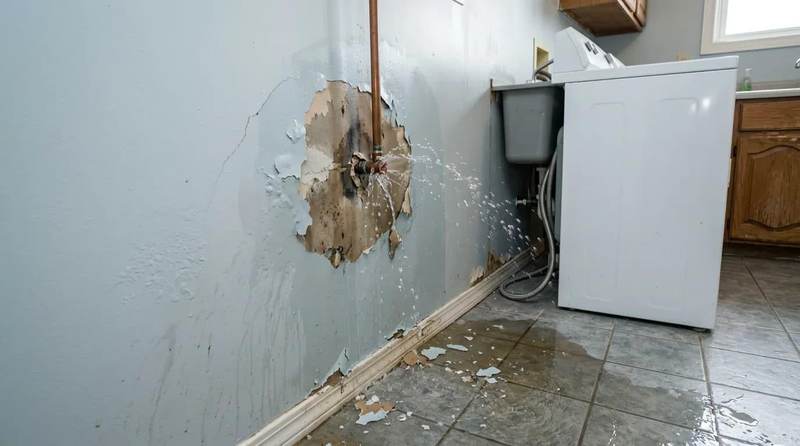
The Blackland Prairie formation runs through the center of the Dallas-Fort Worth Metroplex from Denton County south through Ellis County. This soil is classified as high-plasticity clay with a plasticity index exceeding 35 in most of the region meaning it undergoes extreme volume changes with moisture content fluctuation.
During a typical DFW year, this soil cycle works like this: spring rains saturate the clay, which expands and pushes upward against the foundation. Summer drought bakes the clay dry, and it contracts pulling away from the foundation edge and creating voids underneath the slab. This seasonal heave-and-settle cycle produces differential movement across the foundation, and the copper supply lines and cast-iron drain pipes buried in or below the slab were installed rigid. They cannot flex with the foundation, and eventually they crack, separate at joints, or develop pinhole corrosion leaks accelerated by the stress.
The 2011 drought the driest year on record for Texas produced a surge of slab leak claims across DFW that continued for two years as the clay cycle restabilized. More recently, the drought-to-deluge pattern of 2022 and 2023 repeated the same mechanical damage. When 12 inches of rain fell on east Dallas in August 2022 after months of extreme drought, the rapid soil rehydration cracked foundations that had settled during the dry period, and the pipe failures followed.
The geology means slab leaks are not a matter of if in DFW they are a matter of when. Homes built on Blackland Prairie clay between the 1950s and 1990s with original copper supply lines are the highest-risk properties.
How to Know You Have a Slab Leak Before It Destroys Your Foundation
The Water Meter Test Every DFW Homeowner Should Know
Turn off every water fixture in the house, including ice makers and irrigation systems. Go to your water meter and check whether the low-flow indicator (the small triangle or dial) is still moving. If it moves with everything off, you have a leak somewhere in the supply side. This does not confirm a slab leak specifically the leak could be in a wall, at a fixture connection, or in the yard irrigation line but it confirms water is leaving the system.
Warm or Damp Spots on the Floor
A hot water supply line leaking under the slab creates a warm spot on the floor surface directly above the leak. Walk barefoot across tile or hard flooring and note any area that feels noticeably warmer than surrounding surfaces. On carpet, look for spots that feel damp without any visible source. This is one of the most reliable early indicators because the thermal signature appears before visible water damage.
Water Bill Spikes Without Usage Changes
A supply line slab leak can waste 50 to 200 gallons per day depending on the pipe diameter and crack size. If your water bill jumps $30 to $100 or more with no change in usage patterns, compare usage numbers from the same month in the previous year. A consistent upward trend over two or three months strongly suggests a hidden leak.
Foundation Cracks and Door Alignment Problems
A slab leak that has been running for weeks or months saturates the clay soil beneath part of the foundation, causing that section to heave upward while drier sections settle. The result is differential foundation movement interior doors that suddenly stick or swing open on their own, diagonal cracks at window and door corners, gaps between crown molding and the ceiling, and visible cracks in the exterior brick veneer. By the time these signs appear, both the plumbing and the foundation need professional evaluation.
Sound of Running Water When Nothing Is On
In a quiet house at night, you may hear the hiss or rush of water flowing through pipes when nothing is turned on. Stand near bathrooms and the kitchen where supply lines run closest to the slab surface. A pressurized supply line leak produces a constant sound; a drain line leak only sounds when fixtures are used upstream.
How Professional Electronic Leak Detection Finds the Exact Location
Digging up a concrete slab to find a leak by trial and error would cost thousands and risk hitting other pipes. Electronic leak detection uses non-invasive technology to pinpoint the leak location within inches before any concrete is cut.
Acoustic listening equipment amplifies the sound of pressurized water escaping through a pipe crack. Technicians place sensors on the floor surface at grid points and listen for the loudest signal, which marks the leak location directly. Supply line leaks under pressure produce the strongest acoustic signature.
Thermal imaging cameras detect temperature differentials on the floor surface. A hot water leak shows as a warm plume spreading from the leak point. A cold water leak appears as a cooler area in summer months. This technology works best on tile and concrete surfaces that transmit temperature changes to the surface.
Pressure isolation testing determines which line is leaking. The technician caps and pressurizes each supply line individually and monitors pressure drop over time. The line that loses pressure contains the leak. This same technique applied to drain lines using an air or hydrostatic test identifies drain side failures.
Electromagnetic pipe locating maps the path of metallic pipes through the slab so the technician knows where to focus acoustic and thermal testing. This also identifies re-routed lines from previous repairs that may not follow original plumbing layouts.
Detection typically costs $150 to $500 in the DFW market and takes two to four hours. This cost pays for itself many times over by allowing targeted repair instead of exploratory demolition.
Slab Leak Repair Options and What Each Costs in DFW
Spot repair Cut through the slab at the pinpointed leak location, repair or replace the damaged pipe section, backfill and patch the concrete. This is the least expensive option at $800 to $2,500 but only makes sense for a single, isolated leak on an otherwise sound pipe system. If the pipe is corroded at the leak point, it is likely corroded throughout, and spot repair becomes a recurring expense.
Re-route through the attic or walls Abandon the leaking underground pipe section and run a new line through the attic or interior walls. This avoids cutting the slab entirely and costs $1,500 to $4,000 per line re-routed. It is the preferred option when the underground pipe section is in poor condition but the rest of the plumbing system is sound.
Full re-pipe with PEX Replace all supply lines throughout the home with cross-linked polyethylene (PEX) tubing run through the attic and walls. PEX is flexible, corrosion-resistant and freeze-resistant it eliminates the rigid-pipe-on-shifting-clay problem entirely. Full re-pipe costs $4,000 to $10,000 depending on home size but solves the slab leak problem permanently. For homes with original copper supply lines on Blackland Prairie clay, this is the long-term answer.
Epoxy pipe lining A resin liner is pulled through the existing pipe, coating the interior and sealing small leaks and corrosion points. This works for drain lines and some supply lines at $2,000 to $6,000 depending on pipe length. It extends pipe life without excavation but is not a permanent solution for severely deteriorated pipes.
Water Damage From Slab Leaks Why Drying Must Start Before Plumbing Repair Finishes
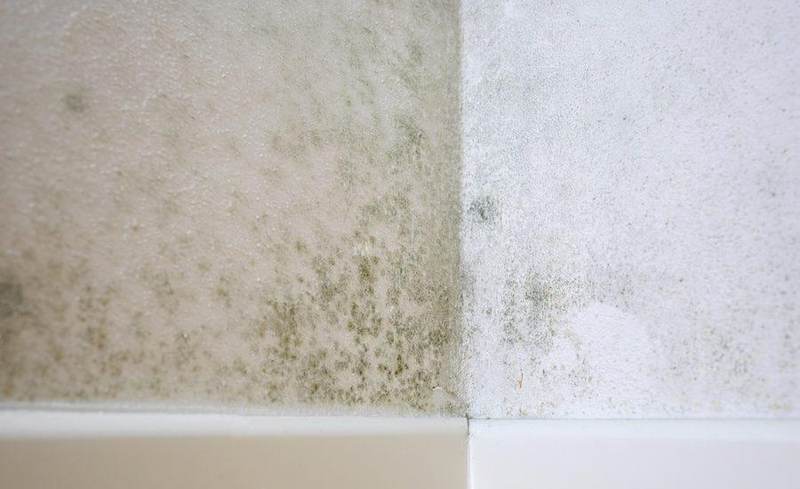
Most DFW homeowners focus entirely on fixing the pipe and overlook the water damage that has been accumulating for days, weeks or months under and around the slab. A slab leak does not just waste water it saturates the subgrade, wicks moisture up through the concrete by capillary action and raises indoor humidity to levels where mold colonizes drywall, baseboards, cabinetry and any organic material in ground-floor rooms.
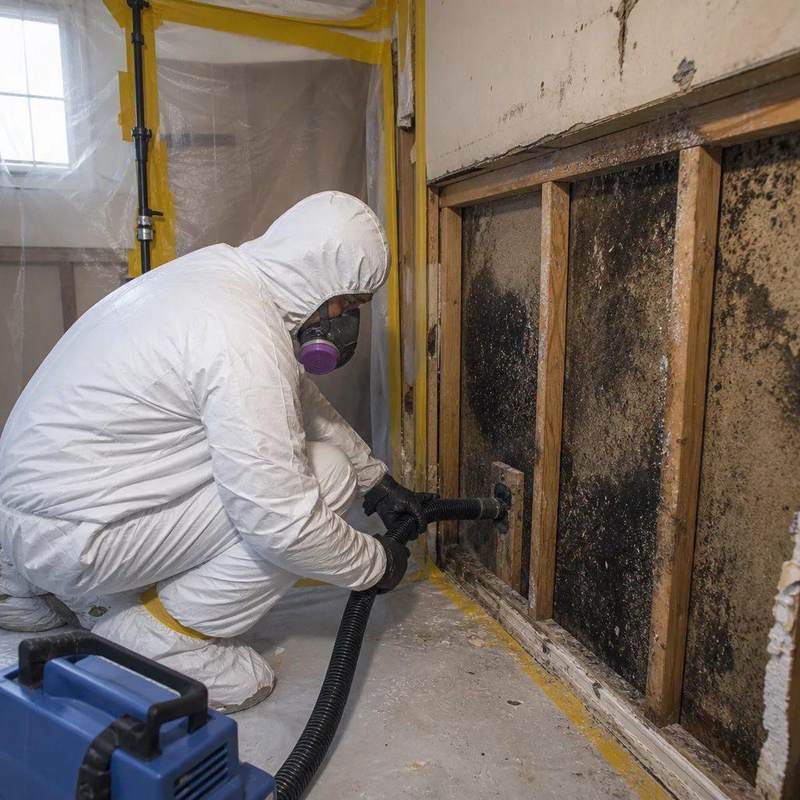
Structural drying should begin as soon as the leak is identified, not after the plumber finishes. Our crews set up LGR dehumidifiers and air movers while the plumber works so that the drying timeline does not start days late. For extensive slab leak damage, water extraction removes accumulated moisture from flooring and wall cavities, and mold remediation addresses colonization that has already started in wall cavities where moisture has been present for weeks.
The signs of hidden water damage in walls bubbling paint, musty smell, soft drywall at the base often appear in rooms that are not directly above the slab leak because moisture migrates laterally through the subgrade and up through the slab at multiple points.
DFW Slab Leak Questions From Homeowners Dealing With Foundation Soil
Does Homeowners Insurance Cover Slab Leak Damage in Texas?
Most Texas homeowners policies cover the resulting water damage the wet drywall, damaged flooring, mold remediation but exclude the plumbing repair itself and the leak detection cost. Some policies also exclude foundation damage caused by long-term leaks. File the claim for water damage, get a separate plumbing estimate for the pipe repair, and document everything with photographs and moisture readings before restoration begins.
Can Foundation Watering Prevent Slab Leaks in DFW?
Foundation watering with soaker hoses maintains consistent soil moisture around the perimeter, reducing the swell-shrink cycle that stresses pipes. It does not prevent pipe corrosion or joint failure from age, but it significantly reduces the mechanical stress that clay soil movement puts on buried plumbing. Run soaker hoses 6 to 12 inches from the foundation during drought months, watering enough to keep the soil from pulling away from the slab edge.
How Long Can a Slab Leak Go Before Causing Serious Damage?
The damage timeline depends on leak volume and location. A small pinhole leak in a supply line may run for months before producing visible symptoms but the entire time it is saturating subgrade soil, raising indoor humidity and creating conditions for hidden mold growth. A larger crack can produce visible floor damage within days. The water meter test catches even small leaks if you check monthly during the high-risk summer-to-fall season.
Should I Re-Pipe My Entire DFW Home After One Slab Leak?
If your home was built between 1960 and 1995 with original copper supply lines on Blackland Prairie clay and you have had one slab leak, the probability of a second leak within five years is high. The same soil movement and pipe corrosion that caused the first failure is present throughout the system. A full PEX re-pipe through the attic eliminates the underground pipe risk entirely and typically costs less than two or three spot repairs plus the water damage restoration each leak causes.
What Is the Difference Between a Supply Line Slab Leak and a Drain Line Slab Leak?
A supply line leak wastes pressurized clean water continuously your meter runs, your bill climbs, and the leak produces a constant sound. A drain line leak only leaks when fixtures drain, produces no meter movement, and releases Category 2 or 3 contaminated water containing bacteria and organic waste. Drain line slab leaks are harder to detect and more expensive to remediate because the contamination requires biohazard protocols. A foul smell from the foundation or recurring drain flies in a bathroom often indicate a drain line crack under the slab.
DFW Communities Where Slab Leaks Hit the Hardest
North Dallas and Richardson Homes built in the 1960s through 1980s on deep Blackland Prairie clay with original copper supply lines and cast-iron drains. These neighborhoods see the highest concentration of slab leak calls in the entire Metroplex.
Arlington and Grand Prairie The transition zone between Blackland Prairie and Cross Timbers geology creates unpredictable soil behavior. Foundation movement patterns vary block by block depending on the specific clay content.
Rockwall and East DFW Rockwall sits on some of the most expansive clay in the region. Rapid new construction in the 2000s and 2010s means newer plumbing on the same problematic soil.
Keller and Southlake Keller and Southlake homes on the western edge of the Metroplex sit on the transition to sandy loam, but older neighborhoods still have clay pockets that create localized slab leak risk.
South DFW and Ellis County Red Oak, Palmer and Ferris sit squarely on deep Blackland Prairie clay. Drought years hit these communities especially hard because the clay shrinkage is extreme at the southern end of the formation.
A Slab Leak Is a Race Between Detection and Damage
The pipe will keep leaking until it is found and fixed. The water damage and foundation risk increase every day. Our crews bring electronic leak detection, emergency water damage response and full structural drying capability in a single mobilization detect the leak, begin drying the damage and coordinate the plumbing repair so nothing waits on anything else.
Call (469) 548-7594 24/7 Slab Leak Detection and Water Damage Response
More Texas Water Damage Guides
Practical, no-pressure guides written for Texas homeowners.