
Flood Damage Restoration in Texas
Flooding can bring large amounts of water, mud, sediment, debris, and other contaminants into a property.
Unlike a typical plumbing leak, floodwater can come from outside the building and may have traveled through soil, streets, drainage systems, sewage infrastructure, or other contaminated areas.
If rising water has entered your property, stay out of unsafe water, protect people and pets, and address the situation as soon as it is safe to do so.
Texas Water Damage Solutions helps homeowners and businesses understand and manage the flood damage restoration process, including water extraction, debris removal, cleaning, structural drying, moisture monitoring, and restoration.
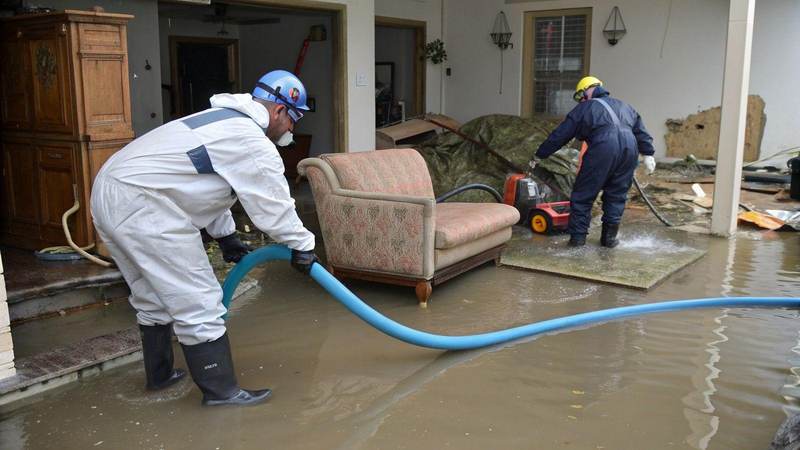
What Counts as Flood Damage?
Flood damage generally involves water entering a property from an external source or rising from the ground.
Examples can include:
- River flooding
- Creek flooding
- Bayou overflow
- Storm surge
- Heavy rainfall
- Street drainage overflow
- Surface water entering a property
- Water rising from surrounding land
Flood damage is different from a water loss caused by a broken pipe or appliance inside the property. The source of the water matters because it can affect safety, contamination concerns, material handling, cleaning procedures, drying requirements, insurance considerations, and restoration decisions.
Flood Damage vs. Storm Water Damage
Flooding and storm-related water intrusion can occur during the same weather event, but the source of the water matters.
Flood Damage
Flood damage involves rising or accumulating water entering a property from outside or from surrounding land.
Storm Water Damage
Storm water damage can involve rain entering through damaged roofs, broken windows, doors, exterior openings, or compromised building components.
A property can experience both conditions during the same storm. Tell the restoration professional where the water came from and how it entered the property because different water sources can require different cleanup and restoration procedures. Related service: Storm Water Damage
Is Floodwater Contaminated?
Floodwater should be treated with caution because its contents and contamination level may be unknown.
As floodwater travels through streets, soil, drainage systems, buildings, and other areas, it can collect dirt, mud, sewage, chemicals, debris, bacteria, and other contaminants. For this reason, people should avoid unnecessary contact with floodwater.
Keep Children and Pets Away
Children and pets should be kept away from standing floodwater and contaminated areas.
Avoid Direct Contact
Do not unnecessarily touch or walk through floodwater.
Be Careful With Electrical Hazards
Water and electricity can create serious hazards. Do not enter water where electrical equipment, outlets, wiring, or other electrical hazards may be present.
Do Not Assume It Is Safe Because It Looks Clear
Floodwater can contain contaminants that cannot be identified visually.
What to Do When Floodwater Enters Your Property
If flooding has affected your home or business, safety should come before cleanup.
- 1
Stay Out of Unsafe Water
Do not walk through floodwater to retrieve belongings.
- 2
Keep Children and Pets Away
Prevent unnecessary exposure to potentially contaminated water.
- 3
Avoid Electrical Hazards
Do not operate electrical systems in affected areas until a qualified professional has evaluated them.
- 4
Document the Damage
When it is safe, take photographs and videos of water levels, water lines, damaged rooms, flooring, walls, furniture, contents, and visible debris.
- 5
Protect Valuables When Safe
Move accessible belongings to a dry area only if you can do so without entering unsafe water.
- 6
Contact Your Insurer When Appropriate
If you have flood insurance, follow your insurer's claim instructions and document the loss.
- 7
Arrange Professional Assessment When Needed
Large, contaminated, or extensive flood losses may require professional extraction, cleaning, drying, and restoration. Call (469) 548-7594 for flood damage help.
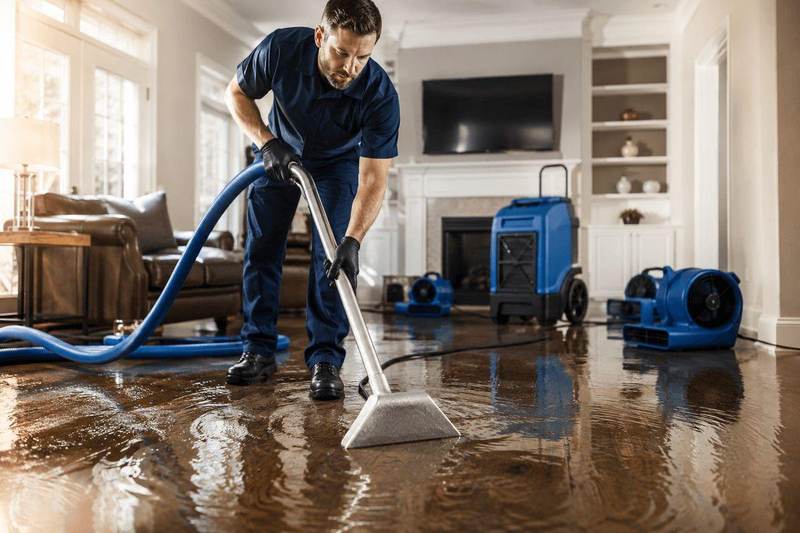
The Flood Damage Restoration Process
Flood restoration is more than pumping out water.
A typical process may include: Safety assessment, water extraction, mud and debris removal, material assessment, cleaning, disinfection where appropriate, structural drying, moisture verification, restoration.
The exact sequence depends on the source of the floodwater, contamination level, building materials, and condition of the property.
Step 1: Safety and Property Assessment
Before cleanup begins, the affected property should be evaluated for potential hazards. This may include electrical hazards, structural instability, gas concerns, contaminated water, damaged flooring, unstable debris, and other site-specific hazards. The property should not be entered or worked in when conditions are unsafe.
Step 2: Flood Water Extraction
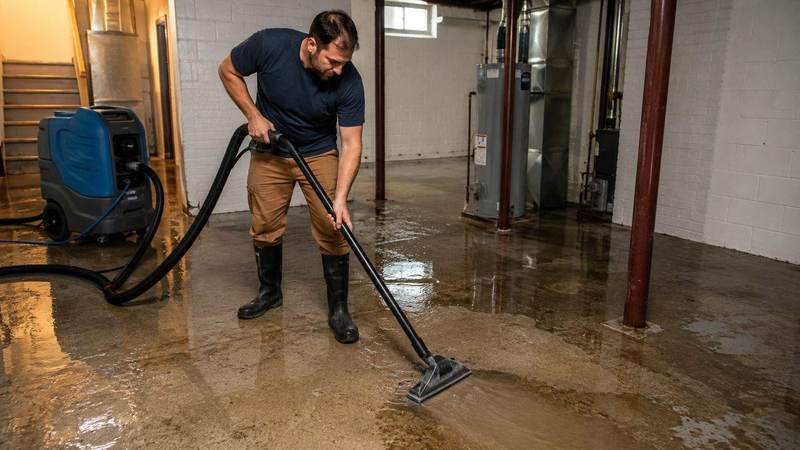
Once the area can be safely accessed, standing water can be removed using appropriate pumps and extraction equipment. Floodwater may contain mud, silt, debris, and contaminants. The extraction approach depends on the volume of water and condition of the property. Related service: Water Extraction
Step 3: Mud and Debris Removal
Flooding can leave behind mud, silt, sediment, and debris after the water recedes. These materials should be removed carefully. Mud can hide broken glass, metal, sharp objects, damaged flooring, structural problems, and other hazards. Removing debris also allows affected surfaces and materials to be properly evaluated.
Step 4: Evaluate Damaged Materials
Not every material affected by floodwater can be restored in the same way. Materials are evaluated based on type of material, water source, contamination, length of exposure, degree of saturation, physical condition, and ability to clean and dry the material. Some materials may be cleaned and restored. Others may require removal.
Step 5: Cleaning and Disinfection
Flood cleanup generally begins with removal of visible soil, mud, and debris. Cleaning and disinfection are different steps. Cleaning removes dirt, mud, sediment, organic material, and other visible contamination. After suitable surfaces have been cleaned, an appropriate disinfectant may be used when necessary and compatible with the material. Product directions, ventilation, and appropriate protective measures should be followed. Cleaning contaminated surfaces first is important because visible soil and organic material can interfere with the effectiveness of disinfectants.
Step 6: Structural Drying
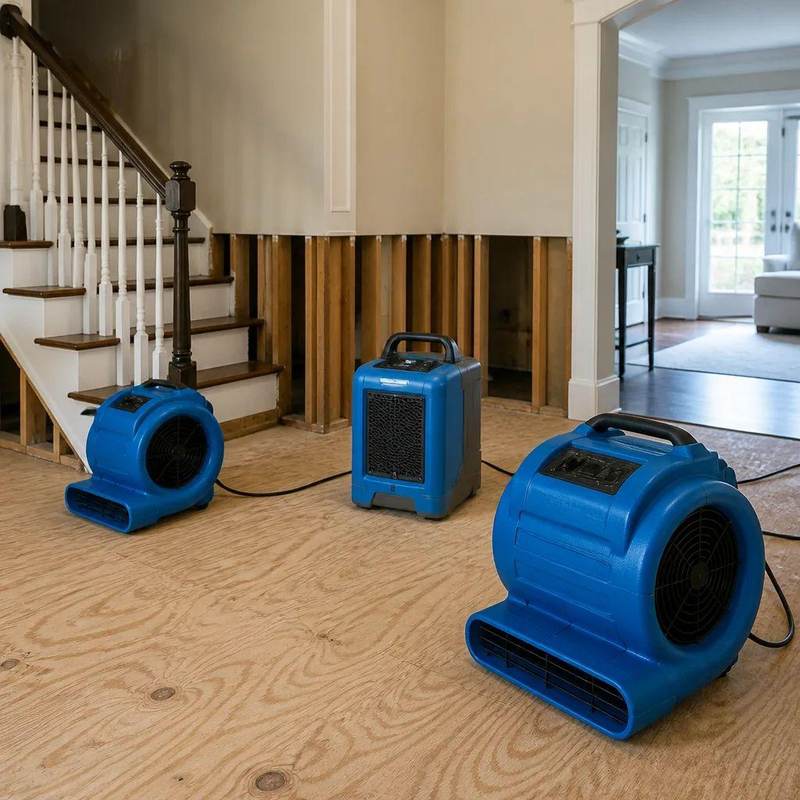
After standing water and damaged materials have been addressed, remaining moisture can still exist inside the structure. Moisture may remain in drywall, wood framing, subfloors, concrete, flooring, wall cavities, and other building materials. Structural drying may involve air movers, dehumidifiers, moisture meters, moisture monitoring, and targeted drying methods. The objective is to remove remaining moisture and verify the condition of affected materials. Related service: Structural Drying
Step 7: Moisture Verification
A property should not be considered dry simply because surfaces look dry. Moisture readings can help determine whether affected materials have reached an appropriate drying condition. Monitoring may identify areas that remain wet, materials drying slowly, hidden moisture, areas requiring additional airflow, and areas requiring additional dehumidification. Drying decisions should be based on actual moisture conditions rather than appearance alone.
Step 8: Restoration and Repairs
After the affected structure has been cleaned, dried, and evaluated, restoration work can begin. Depending on the damage, this may include drywall replacement, insulation replacement, flooring replacement, trim replacement, painting, cabinet repairs, and other reconstruction. The restoration scope depends on what the flood damaged and what could be safely restored. Related service: Water Damage Restoration
What Materials May Need to Be Removed After Flooding?
Floodwater can affect porous materials that are difficult to clean and dry safely. Depending on the water source and level of contamination, materials that may require removal can include saturated carpet padding, water-damaged insulation, severely damaged drywall, certain upholstered materials, some particleboard products, heavily contaminated porous contents, and materials that cannot be adequately cleaned or dried.
The decision should be based on the actual condition of the material and the contamination involved.
What Materials Can Sometimes Be Saved?
Some materials may be salvageable depending on their condition and the type of water involved. Potential examples can include solid wood components, certain hard flooring surfaces, ceramic or porcelain tile, metal surfaces, glass, and other non-porous materials. Salvage decisions should be made individually. A material that looks acceptable may still require cleaning, disinfection, drying, or additional evaluation.
Drywall After Flooding
Drywall can absorb floodwater and may be affected above the visible water line through capillary movement. Whether drywall can remain depends on factors such as water source, contamination, saturation, exposure duration, material condition, and ability to properly dry and restore the area. Drywall that has been heavily contaminated or physically damaged may require removal. Drywall that remained unaffected may not require removal. There is no single removal height that applies to every flood-loss situation.
Wet Insulation After Flooding
Insulation can hold moisture inside wall cavities and other enclosed areas. Depending on the insulation type, contamination, saturation, and ability to dry the material, removal may be appropriate. The condition should be evaluated rather than assuming every insulation product has exactly the same response to water.
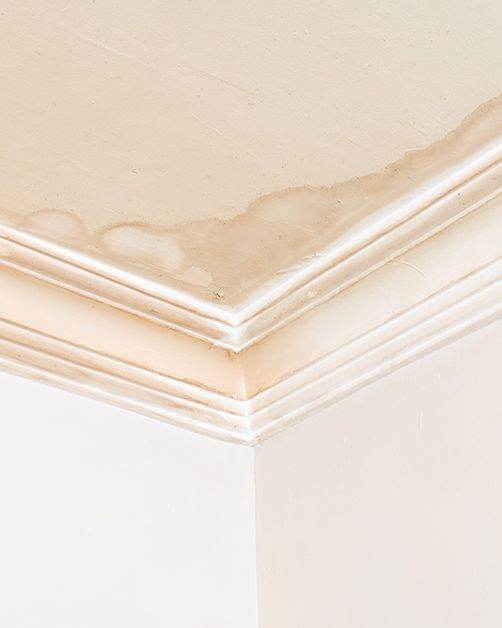
Why Texas Properties Can Experience Flood Damage
Texas has several different environments that can contribute to flooding. Flood risk can come from heavy rainfall, rivers, creeks, bayous, coastal storms, storm surge, flash flooding, urban drainage problems, saturated ground, and rapid runoff. Central Texas can experience rapid runoff during intense rainfall, while coastal areas can face storm surge and other water-related hazards. Flooding is not limited to one part of Texas.
Flooding Can Happen Outside High-Risk Flood Zones
A property does not have to be located in a mapped high-risk flood zone for flooding to occur. Local drainage, rainfall intensity, nearby waterways, terrain, development, and other conditions can influence whether water reaches a property. Flood risk and flood insurance requirements are separate questions. If you are concerned about your property's flood exposure, review the situation with an appropriate insurance or flood-risk professional before a loss occurs.
Flood Damage and Insurance
Flood insurance and homeowners insurance are not necessarily the same thing. Coverage depends on policy type, policy terms, cause of loss, property, circumstances of the event, applicable exclusions, and insurance carrier. Do not assume that every flood-related loss is covered by a standard homeowners policy. If you have flood insurance, contact your insurer and follow its claim instructions.
Document Your Flood Damage
Good documentation can help organize information about the loss. When it is safe, document water levels, water lines, affected rooms, damaged walls, flooring, furniture, appliances, personal belongings, debris, materials removed, and visible structural damage. Take photographs and videos before cleanup changes the condition of the property whenever possible. Keep receipts and other records associated with the loss. Documentation does not guarantee insurance coverage or payment, but it can provide a useful record of the damage and restoration work.
How Long Does Flood Damage Restoration Take?
There is no single timeline for every flood-loss situation. The restoration process can depend on the amount of water, water depth, contamination, size of the property, number of affected rooms, building materials, amount of mud and debris, materials requiring removal, drying conditions, and extent of reconstruction. A small, contained flood loss may be addressed relatively quickly. A major flood affecting multiple rooms, wall cavities, flooring, and contents can require substantially more time. The restoration schedule should be based on the actual condition of the property.
Flood Damage vs. Plumbing Water Damage
Floodwater and plumbing water should not automatically be handled the same way. Floodwater may have traveled through soil, streets, drainage systems, sewage infrastructure, outdoor debris, and other contaminated areas. This creates additional contamination considerations. A plumbing loss may originate from supply pipes, appliance connections, water heaters, plumbing fixtures, or other internal systems. The source and condition of the water determine the appropriate response.
Can Flood-Damaged Carpet Be Saved?
Carpet exposed to contaminated floodwater may not be suitable for restoration. The decision depends on water source, contamination, length of exposure, carpet condition, padding condition, and ability to clean and dry the material. Carpet padding is particularly difficult to restore when heavily saturated or contaminated. A professional assessment can determine whether removal is appropriate.
Can Hardwood Flooring Be Saved After Flooding?
Some solid wood materials may be salvageable depending on the extent and duration of water exposure. Factors include type of wood, construction, water source, duration of exposure, degree of swelling or warping, and ability to dry the assembly. Some flooring can be cleaned and dried, while severely damaged materials may require replacement.
Can Flood Damage Cause Mold?
Flooding creates conditions that can support microbial growth because building materials can remain wet for extended periods. The risk depends on factors such as moisture, temperature, material type, exposure duration, and drying conditions. This is why water extraction, material assessment, cleaning, and structural drying should begin as soon as safely possible. If established mold growth is present, additional remediation may be required. Related service: Mold Remediation
What Not to Do After Flooding
Avoid these common mistakes:
Do Not Walk Through Unsafe Floodwater
Floodwater may contain contaminants, hidden hazards, or electrical risks.
Do Not Use Electrical Equipment in Wet Areas
Electrical hazards should be evaluated before affected systems are used.
Do Not Assume Floodwater Is Clean
Water that looks clear can still contain contaminants.
Do Not Seal Wet Materials Behind New Construction
Materials should be properly evaluated and dried before rebuilding.
Do Not Throw Away Everything Without Documentation
When safe, photograph damaged belongings and materials before disposal.
Do Not Delay Professional Assessment After Major Flooding
Large or contaminated losses can involve hidden moisture and materials that require specialized handling.
Frequently Asked Questions
Floodwater should be treated as potentially contaminated because its source and travel path can expose it to soil, sewage, chemicals, debris, and other contaminants.
No. Both are forms of water damage, but the source and potential contamination can be different. Floodwater can introduce contaminants from outside the building, which can change cleanup and material-handling decisions.
It depends on the water source, contamination, saturation, exposure time, and condition of the drywall. Heavily contaminated or damaged drywall may require removal, while unaffected material may remain.
Carpet exposed to contaminated floodwater may require removal. The decision depends on the source of the water, contamination, exposure time, and condition of the carpet and padding.
Flood cleanup should begin as soon as it can be done safely. Prompt water removal, material assessment, cleaning, and drying can help limit prolonged moisture exposure and additional damage.
It depends on the amount of water, contamination, property size, materials affected, demolition requirements, drying conditions, and reconstruction needs.
Coverage depends on the policy and cause of loss. Flood insurance is generally separate from standard homeowners coverage, so review your specific policy with your insurer or insurance professional.
Being outside a mapped high-risk zone does not mean a property cannot flood. Whether flood insurance is appropriate depends on the property's location, exposure, finances, and individual risk.
Texas Water Damage Solutions can organize technical restoration information such as photos, moisture readings, affected materials, and the work performed. Insurance coverage and policy interpretation remain the responsibility of the property owner, insurance professional, and carrier.
Flooding can create moisture conditions that support microbial growth. Prompt extraction, appropriate material handling, cleaning, and structural drying can help address moisture-related risks.
Flood restoration pricing depends on how deep the water got, how many rooms were affected, and whether the water was clean or contaminated. Contaminated floodwater requires removal of porous materials, which changes the scope completely. We inspect first, walk you through what is needed, and provide documentation your insurer can use. Call (469) 548-7594 for an assessment.
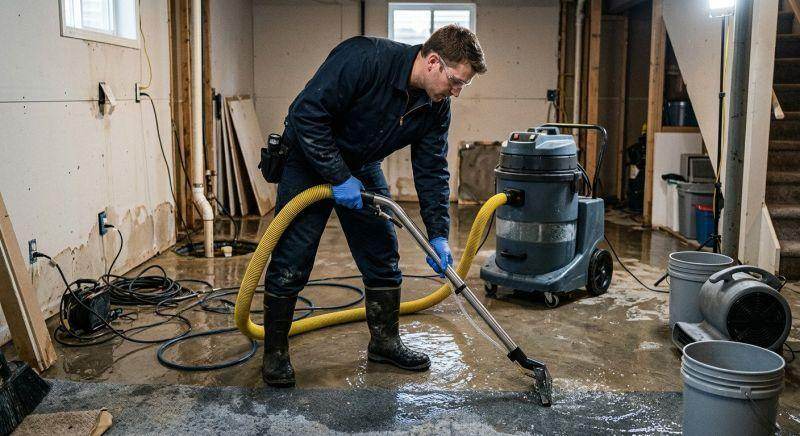
Floodwater can leave behind more than standing water.
Mud, debris, moisture, contaminated materials, damaged drywall, affected flooring, and hidden moisture can all become part of the restoration process. Texas Water Damage Solutions can help with water extraction, mud and debris removal, material assessment, cleaning, disinfection where appropriate, structural drying, moisture monitoring, and restoration.
If water is still rising, prioritize safety first. Do not enter unsafe floodwater or electrical hazards to retrieve belongings.
Request Flood Damage Help
Describe the flooding and we will get back to you as soon as possible.