What to Do After a Flash Flood in Texas: The Critical First 48 Hours
Flash floods across Texas leave Category 3 black water inside homes contaminated with sewage, chemicals and bacteria. Every hour that water sits against drywall, carpet pad and wood framing pushes damage deeper into the structure and brings mold colonization closer to the 24-to-48-hour threshold the EPA warns about.
Get Emergency Flood Help Now Call (469) 548-7594
(469) 548-7594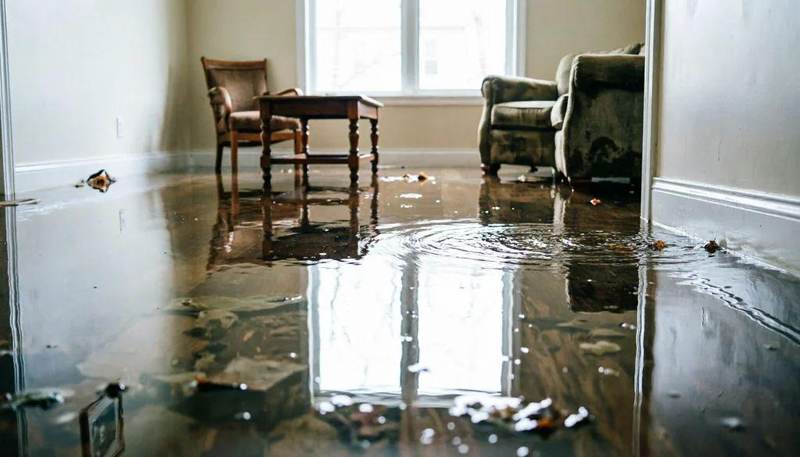
Texas Flash Flood First 48 Hours at a Glance
| Detail | What You Need to Know |
|---|---|
| Water classification | Category 3 black water under IICRC S500 sewage, fuel, pesticides, animal waste |
| Mold risk window | 24-48 hours on wet porous materials in Texas heat |
| Required PPE | Rubber boots, waterproof gloves, N95 respirator, eye protection |
| First action | Confirm safety do not enter standing floodwater near electrical sources |
| Insurance step | Document every room with photos and video before any cleanup |
| Drying goal | Professional dehumidifiers and air movers running within 24 hours |
| Generator safety | Never run indoors or in a garage carbon monoxide kills silently |
| Typical drying time | 3-7 days with commercial equipment after wet materials are removed |
Why the First 48 Hours Decide Whether You Rebuild One Room or Five
Flash floods in Texas move fast. Storms over the Balcones Escarpment, the Hill Country limestone or the flat Gulf Coast prairies can raise creeks and streets in minutes. The water may recede in an hour, but the damage timeline is just starting.
Within the first six hours, floodwater wicks up drywall past the visible waterline, soaks carpet pad all the way through, and seeps under laminate and vinyl plank flooring along the slab joint. Within 24 hours, particleboard cabinet bases swell and crack, fiberglass insulation holds contaminated water like a sponge, and wood framing absorbs enough moisture to begin softening. By the 48-hour mark in Texas summer humidity where dew points regularly sit above 70°F Aspergillus, Penicillium and Cladosporium spores begin colonizing every wet porous surface behind your walls.
The difference between a $6,000 dry-out and a $25,000 rebuild often comes down to what happens inside these 48 hours.
Hour 0 to 1 Safety Before You Step Inside
Floodwater is not rainwater. It picks up raw sewage from overloaded municipal lines, fertilizer from lawns, motor oil from driveways, pesticides from storage sheds and bacteria from animal waste. Under the IICRC S500 standard, this is Category 3 black water the highest contamination level carrying pathogens including E. coli, Salmonella, Hepatitis A, Giardia and Cryptosporidium.
Do Not Enter Standing Water Near Electrical Sources
Six inches of moving floodwater can knock an adult down. If water covers any electrical outlet, do not step in until the main breaker is off and only turn it off from a dry location. If you cannot reach the panel safely, call your utility company for a remote disconnect.
Check for Gas Leaks Before Using Any Switch
Smell sulfur or rotten eggs? Leave immediately. Do not flip any switch even a light switch can create a spark. Call your gas provider from outside. Propane tanks shifted by floodwater can leak at every fitting.
Carbon Monoxide from Generators Kills More People After Texas Floods Than the Water Itself
Never run a portable generator inside a home, garage or carport, even with the door open. Place it at least 20 feet from any window or door with the exhaust pointing away from the house. Carbon monoxide is colorless and odorless emergency water damage situations after floods include CO poisoning from improper generator placement.
The Turn Around Don't Drown Rule Applies Inside Too
If water still flows through the home, wait. Floodwater can hide open manholes, displaced foundation sections and downed wiring under the surface. Once flow stops and you confirm the power is off, wear rubber boots, waterproof gloves, an N95 respirator and eye protection before entering.
Hour 1 to 6 Document Everything Before You Move a Single Item
Your phone camera is the most important tool in this window. What you photograph now becomes your proof of loss for insurance, your FEMA application evidence and your legal protection if a contractor dispute arises later.
What to Photograph and How
- Wide shots of every room showing the waterline on walls
- Close-ups of damaged items with a tape measure for scale
- Exterior shots of the waterline on the house, debris and the street
- Model and serial numbers of every appliance water heater, HVAC air handler, refrigerator, washer
- Video walkthroughs narrating the damage while panning slowly
Record the Waterline Height It Determines Everything
The waterline height on your walls dictates how high flood cuts during drywall removal need to go. Restoration crews typically cut 12 to 24 inches above the highest moisture reading not just above the visible stain. Photograph the waterline in every room before any cleanup disturbs it.
Call Your Insurance Company for a Claim Number
Standard Texas homeowners insurance does not cover flood damage from outside water. That coverage requires a separate flood policy, usually through the National Flood Insurance Program or a private carrier. File the claim immediately and get a claim number. Keep every receipt from this point forward hotels, meals, supplies, emergency services, dumpster rental.
Do Not Wait for the Adjuster to Begin Cleanup
Your policy requires you to prevent further damage. Document first, then start. An adjuster who arrives three days later expects to see that you took reasonable steps not that you sat in a flooded house waiting.
Hour 6 to 24 Get the Water Out and Strip What Cannot Be Saved
This is the most labor-intensive phase and the one that determines how much of your home survives.
Standing Water Extraction
Professional crews use truck-mounted extractors that pull hundreds of gallons per hour and submersible pumps for deeper water. For smaller amounts, a wet/dry vacuum works but empty it outside, away from the house and any well or septic system. Every hour standing water sits on carpet pad and flooring adds damage to the subfloor and slab joint.
Professional water extraction equipment can remove water from a typical 2,000 sq ft home in 2-4 hours a process that takes days with household shop vacuums alone.
Floodwater-Soaked Materials That Must Come Out
| Material | Keep or Remove? | Reason |
|---|---|---|
| Carpet pad | Remove | Absorbs Category 3 water completely cannot be sanitized |
| Wall-to-wall carpet | Usually remove | Floodwater contaminates the backing and tufting |
| Drywall below and above the waterline | Remove | Wicks contaminated water and harbors bacteria inside the paper facing |
| Wet fiberglass insulation | Remove | Holds water for weeks, creates mold habitat, cannot be cleaned |
| Particleboard and MDF cabinets | Usually remove | Swell irreversibly and trap contaminated water |
| Mattresses, pillows, upholstered furniture | Remove | Cannot be sanitized after Category 3 contact |
| Food, medicine, cosmetics that touched water | Discard | Unsafe regardless of packaging |
| Solid wood furniture | Often save | Clean, disinfect and dry slowly in a ventilated area |
| Tile, metal, glass, hard plastic | Keep | Clean and disinfect thoroughly |
| Photos and important papers | Try to save | Rinse gently in clean water, freeze or air-dry immediately |
Flood Cuts Where Restoration Crews Cut Your Drywall
A flood cut removes drywall from the floor to above the highest moisture reading typically 2 to 4 feet up, and sometimes higher when wicking has traveled vertically through the paper facing. The cut exposes wall cavities so studs, sill plates and electrical wiring can be cleaned, sanitized and dried. Learn more about when to save or replace water-damaged drywall.
Debris Separation for Curbside Pickup
Most Texas cities and counties schedule special debris pickup after major floods. Separate materials into the categories your municipality requires typically construction debris, appliances, electronics, hazardous waste and vegetation in separate piles. Check your city's emergency management page for current pickup schedules.

Hour 24 to 48 Dry the Structure Before Mold Takes Hold
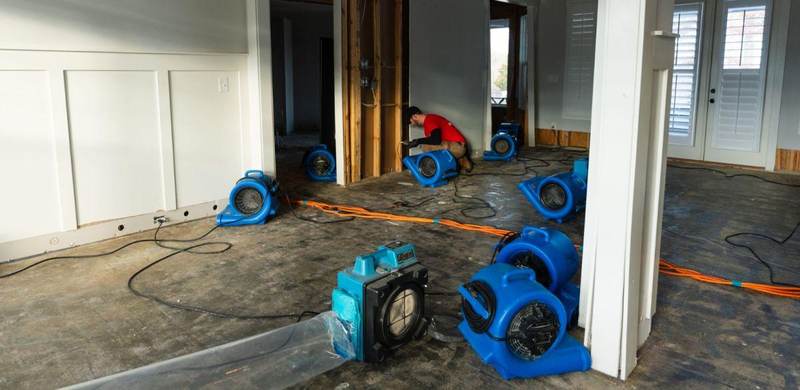
Removing water and wet materials is only half the restoration. Wood framing, concrete slabs and subfloors still hold enormous amounts of trapped moisture that will feed mold growth if not addressed with commercial drying equipment.
Flood Cuts and Cavity Exposure
Drywall is cut 12 to 24 inches above the highest moisture meter reading not just above the visible waterline. This exposes the wall cavity so that studs, sill plates, electrical boxes and the back of adjacent drywall can be cleaned, treated with antimicrobial solution and dried with directed airflow.
Professional Drying Equipment and Why Open Windows Are Not Enough
Opening windows in Texas after a flood often makes things worse. Gulf Coast humidity above 70% relative humidity means outdoor air adds moisture instead of removing it. Professional structural drying uses LGR dehumidifiers pulling 130 to 200 pints per day, commercial air movers directing airflow across wet surfaces, and HEPA air scrubbers filtering airborne spores at 99.97% efficiency down to 0.3 microns.
Moisture Monitoring Drying Is Done When the Numbers Say So
Restoration crews take daily moisture readings with pin meters in wood framing and pinless meters on drywall and flooring. Drying is complete when wet area readings match dry reference readings from unaffected areas of the same material not on a calendar schedule. Ask your crew for the daily drying log. This document also supports your insurance claim.
Do Not Close Walls Early
The single most expensive mistake after a Texas flood is hanging new drywall on damp studs. Mold colonies that start behind sealed walls can spread for months before a musty smell or visible signs of water damage in walls alert you. By then, the remediation cost under Texas mold rules requiring licensed assessors above 25 contiguous square feet can exceed $10,000.
Special Systems That Need Professional Checks After a Texas Flood
Floodwater damages more than walls and floors. These systems need inspection before you use them again:
HVAC System: If water reached the air handler, ductwork or the outdoor condenser unit, do not run the system until an HVAC technician inspects it. Running wet ducts blows contaminated moisture into every room and can spread mold throughout the house. A flooded attic air handler can cause the same AC condensate damage patterns that slow leaks cause except across the entire ceiling at once.
Water Heater: Gas controls, thermocouples and electronic ignition modules that went underwater must be checked or replaced. Running a flood-damaged gas water heater risks CO leaks. See our guide on what to do when a water heater leaks for shutoff steps.
Electrical Panel and Outlets: A licensed electrician must inspect every circuit, outlet and switch that was submerged before power is restored to those areas. Arc-fault and ground-fault breakers that went underwater should be replaced, not just dried.
Private Wells: If floodwater reached the wellhead, drink bottled water until the well is disinfected with bleach and tests clear for coliform bacteria. Texas A&M AgriLife Extension provides free well-testing guidance.
Septic Systems: Minimize water usage until the drain field dries. Do not pump a septic tank while the ground is saturated the empty tank can float out of position in waterlogged soil, cracking inlet and outlet pipes.
Sewer Backup: If raw sewage came up through floor drains, toilets or shower drains during the flood, the contamination level is even higher than surface floodwater. Call for professional sewage cleanup and sanitization this is not a DIY situation.
Costly Mistakes Texas Homeowners Make After Flash Floods
Waiting for the insurance adjuster before extracting water. Your policy requires you to mitigate further damage. Photograph everything first, then start extraction. Adjusters expect documentation, not a house that sat in water for a week.
Using household fans without dehumidifiers. Fans move humid air around. Without commercial dehumidifiers pulling water vapor out of the air, fans can actually accelerate mold growth by spreading spores across wet surfaces.
Painting or texturing over damp drywall. Paint traps moisture inside the wall cavity and hides the problem until mold has colonized the entire stud bay. Always verify drywall moisture readings before any finish work.
Bleaching visible mold instead of removing contaminated materials. Bleach kills surface mold on hard, non-porous materials but cannot penetrate the paper facing of drywall or the fibers of carpet pad. Contaminated porous materials must be physically removed. Read more about professional mold remediation processes and timelines.
Hiring the first door-knocker. After major Texas floods, out-of-state contractors flood neighborhoods. Get written estimates from two or three companies, verify insurance and local references, and never pay the full amount upfront. Compare DIY cleanup versus professional restoration before signing anything.
Forgetting the crawl space. Pier-and-beam homes across Texas trap floodwater under the subfloor. Standing water in a crawl space rots joists, soaks insulation and creates a mold reservoir that feeds spores into the living space above.
What Texas Homeowners Ask After Every Flash Flood
What should I do first after a flash flood fills my Texas home?
Confirm everyone is safe, keep power off until you can reach the breaker from dry ground, and photograph every room before moving or removing anything. Then start getting water out within 24 hours emergency water damage crews can usually begin extraction the same day.
How fast does mold grow after flash flood water sits inside a house?
Mold spores can begin colonizing wet drywall, carpet pad and wood framing within 24 to 48 hours when indoor temperatures exceed 70°F and humidity stays high conditions that describe a Texas home in every month except December through February. Removing wet materials and running commercial dehumidifiers inside that window is the most effective mold prevention.
Can I clean up Category 3 floodwater myself or do I need a professional?
Small amounts of contaminated water on hard, non-porous surfaces can be cleaned with proper PPE and disinfectant. But flood-damaged drywall, insulation and carpet pad are porous materials saturated with Category 3 black water they cannot be sanitized and must be removed. Professional water extraction and structural drying equipment dries a structure in days rather than weeks, and moisture-verified drying documentation supports your insurance claim.
Is it safe to stay in a flooded house while it dries?
Only if the structure is sound, power and gas are safe, and the flooded areas can be sealed off from living spaces. Most families stay elsewhere during demolition and active drying the noise, dust, antimicrobial treatments and lack of functional kitchen and bathroom make it impractical.
How much does flash flood cleanup cost in Texas?
Costs vary by square footage, water depth, how long water sat and how much material must be removed. A single-room extraction and dry-out may cost a few thousand dollars, while a whole-house flood with full demolition and rebuild can exceed $30,000. See our water damage restoration cost guide for estimated ranges by project type.
Regional Flash Flood Guides Across Texas
Flash flooding looks different in every part of the state. Find the guide for your area:
- Houston and the Gulf Coast: Bayou overflow, street flooding and prolonged standing water after tropical systems. Read our Houston flooding home cleanup guide and check Houston flood zone maps for your neighborhood.
- Dallas-Fort Worth: Blackland Prairie clay rejects rainfall, creeks flash quickly, and slab foundations trap water underneath. See our Dallas flooding and DFW storm guide.
- Austin and Central Texas: Greenbelt flooding, low-water crossings and Hill Country canyon runoff. Read our Austin flash flood guide.
- San Antonio and South Texas: Low-water crossings, creek flooding and rapid runoff on Edwards Plateau limestone. See our San Antonio flash flooding cleanup guide.
- Hill Country: Wimberley, Kerrville, Blanco River corridor narrow canyons funnel runoff into catastrophic flash floods. Read our Kerrville and Hill Country flood recovery guide.
Planning to Rebuild After the Dry-Out? Start Right
Once moisture readings confirm dry framing, the rebuild phase begins and there are ways to make the next flood cheaper to recover from. Flood-resistant materials like closed-cell spray foam insulation, waterproof vinyl plank flooring and PVC baseboards survive future water events. Raising electrical outlets and HVAC equipment above historical flood levels reduces replacement costs. Our complete rebuilding after a flood in Texas guide covers permits, the 50-percent substantial damage rule, contractor selection and flood-resistant material choices.
Your Texas Home Does Not Have to Stay Flooded Tonight
Our local crews handle emergency water damage from the first pump-out through the final moisture reading across Dallas, Houston, Austin, San Antonio and small towns throughout the state. We bring truck-mounted extractors, LGR dehumidifiers and HEPA air scrubbers, and we document every reading for your insurance file. Find your town on our areas we serve page.
Call (469) 548-7594 Now 24/7 Emergency Flood Response
More Texas Water Damage Guides
Practical, no-pressure guides written for Texas homeowners.
AC Leaking Water in Your Texas Home: 7 Causes, What to Do Now, and How to Stop the Damage (2026)
Read the guide →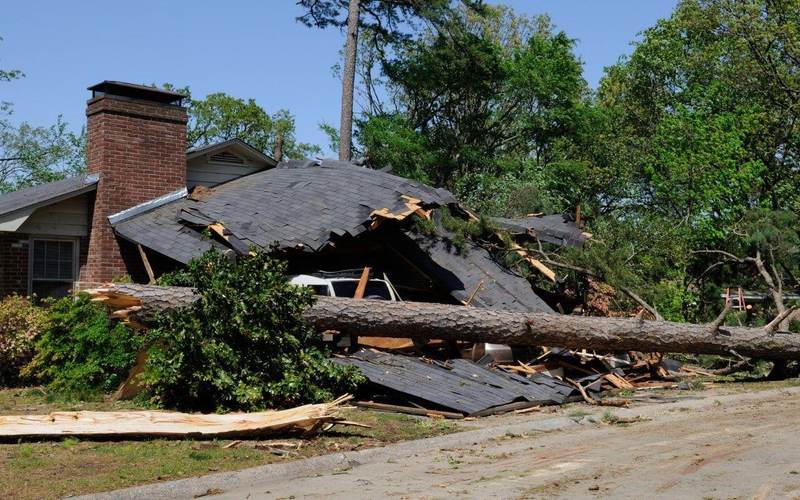
Austin Flooding: Flash Flood Warnings and Home Cleanup Guide
Read the guide →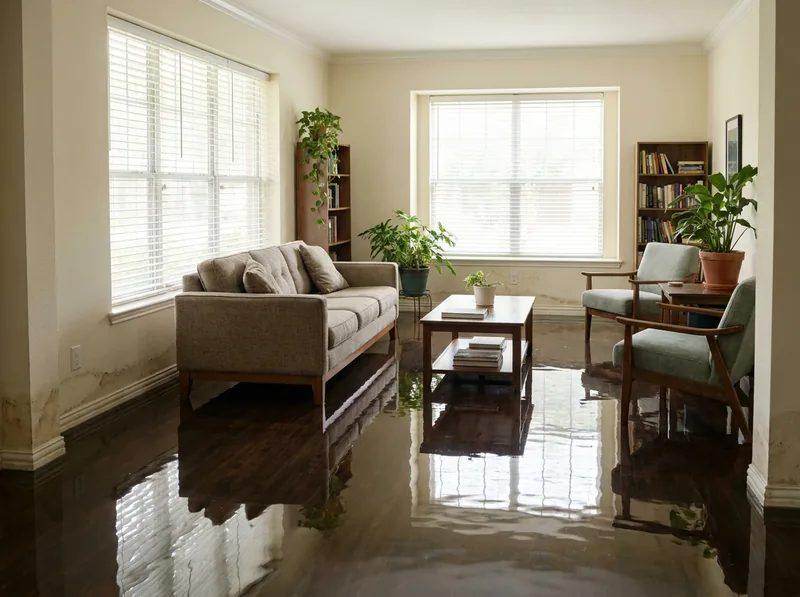
Dallas Flooding: Why DFW Homes Flood and How to Dry Them (2026 Guide)
Read the guide →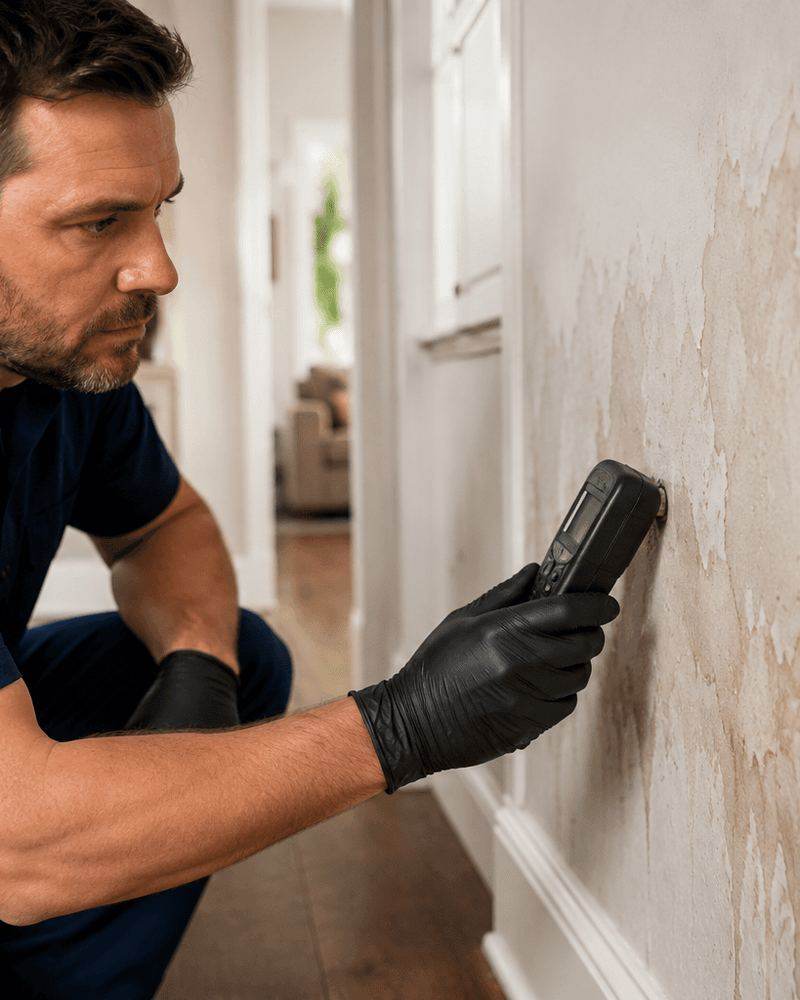
Drywall Water Damage: When to Dry It in Place and When to Replace It
Read the guide →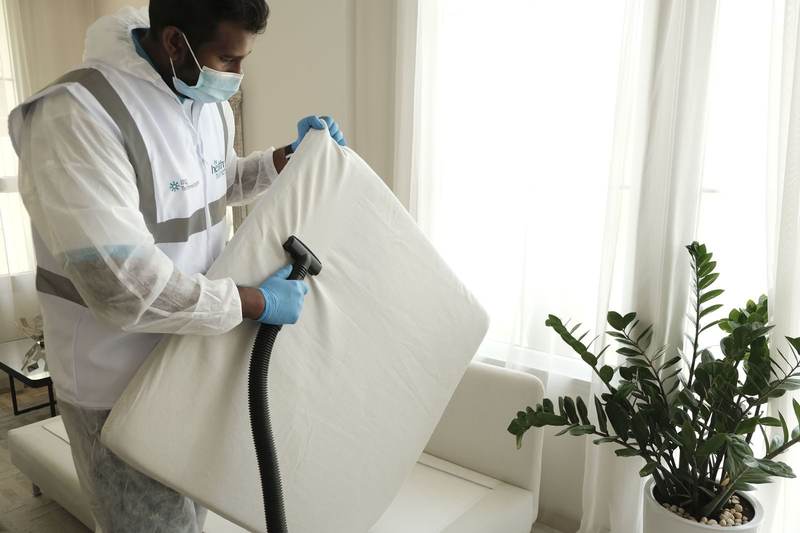
DIY vs Professional Flood Cleanup in Texas: When to Handle It Yourself and When You Need a Crew (2026 Honest Guide)
Read the guide →
Houston Flood Zone Map Explained: Check Your Home's Risk
Read the guide →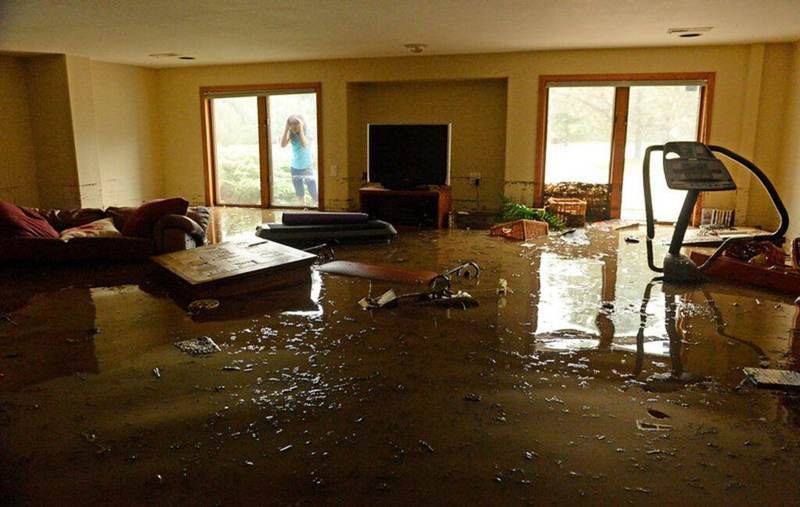
Houston Flooding: Home Cleanup Steps After Water Gets In
Read the guide →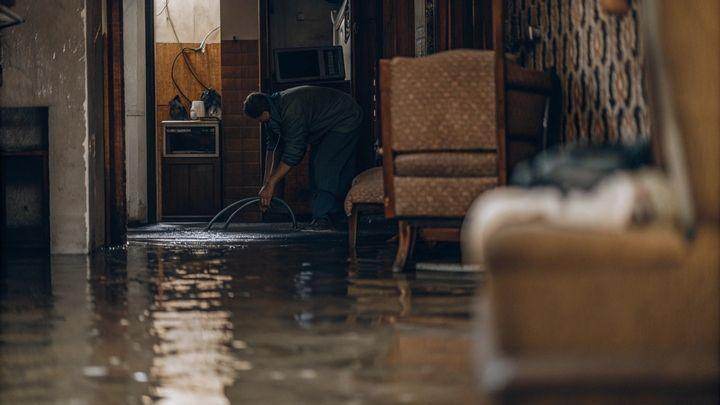
Kerrville Flooding Recovery: Hill Country Home Cleanup Guide
Read the guide →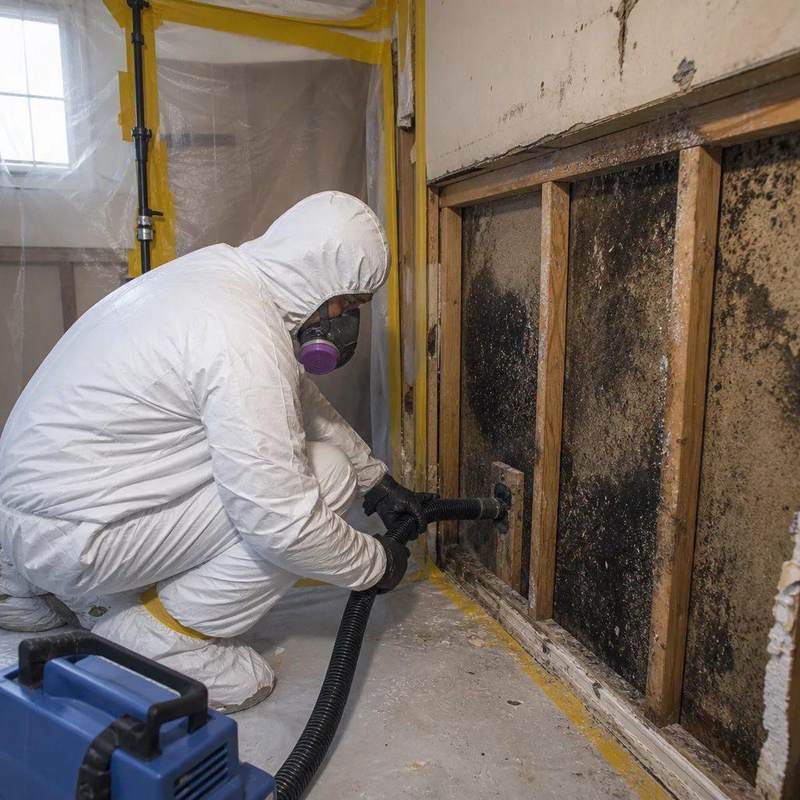
Mold Remediation Timeline: How Long Does It Take in Texas?
Read the guide →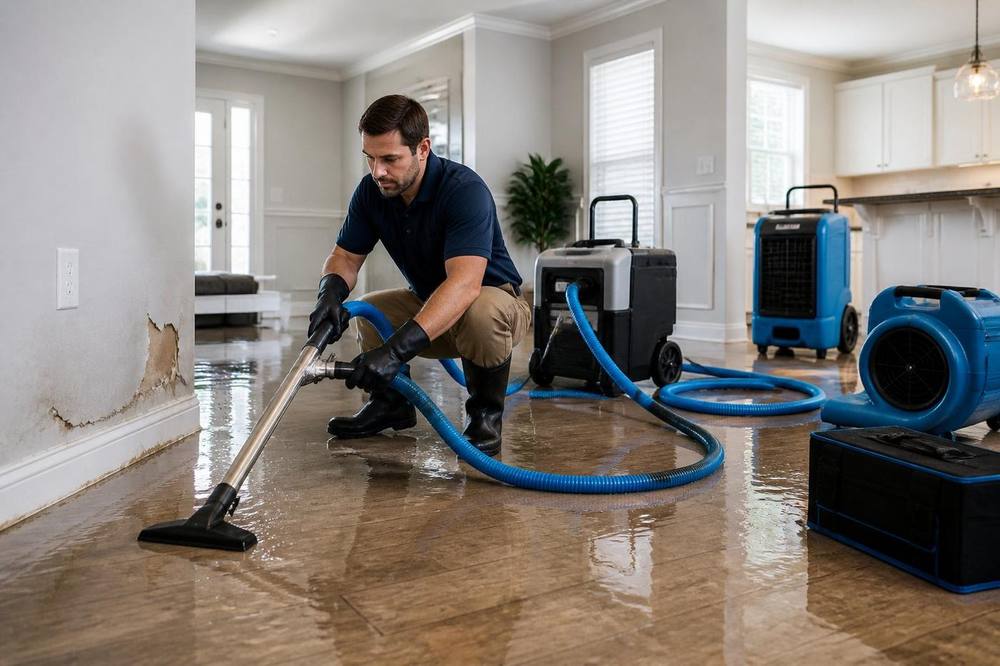
Water Under a Pier-and-Beam House in Texas: Crawl Space Drying, Mold Prevention and Long-Term Fixes
Read the guide →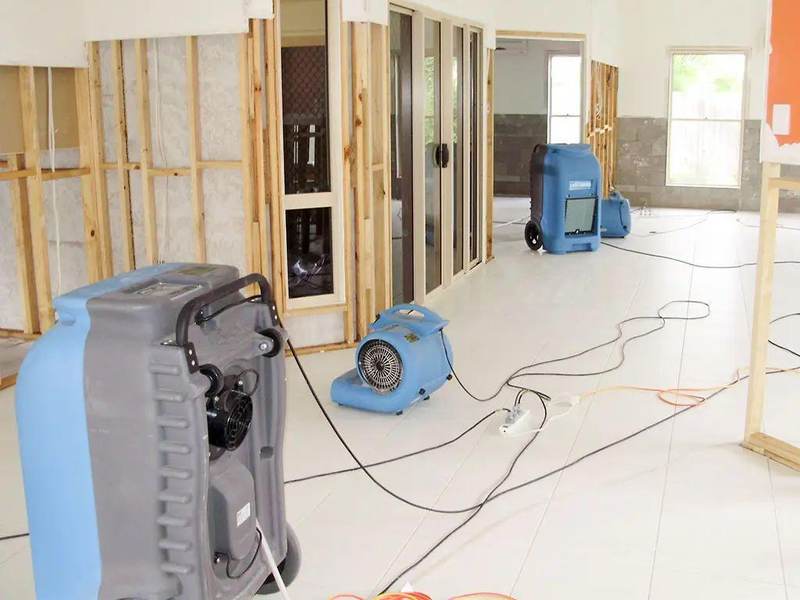
Rebuilding After a Flood in Texas: Step-by-Step Guide
Read the guide →San Antonio Flash Flooding: Safety and Home Cleanup Guide
Read the guide →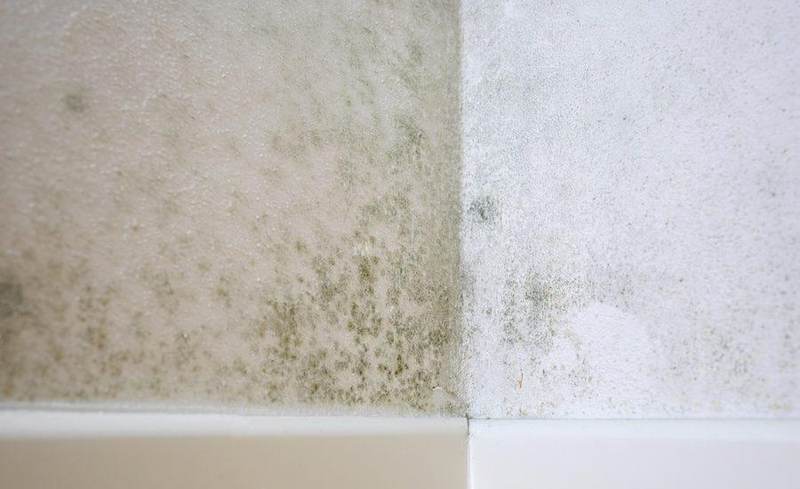
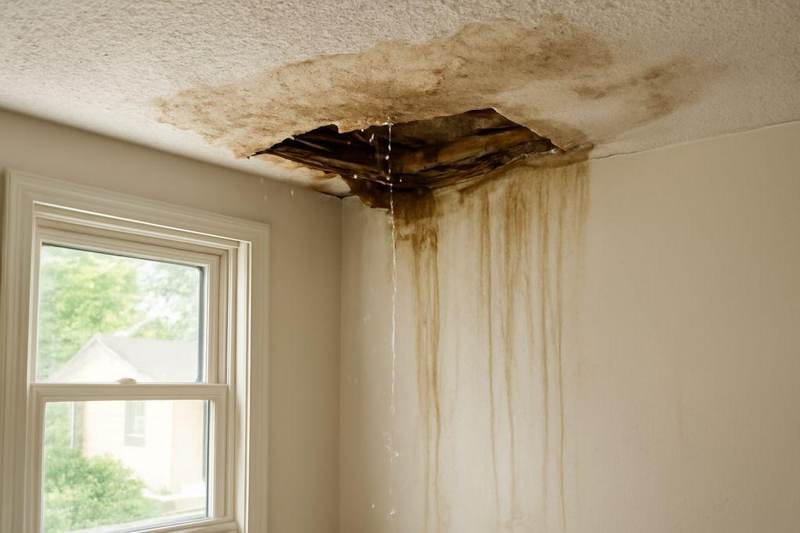
9 Signs of Water Damage in Walls: What Texas Homeowners Should Check Before Mold Spreads (2026)
Read the guide →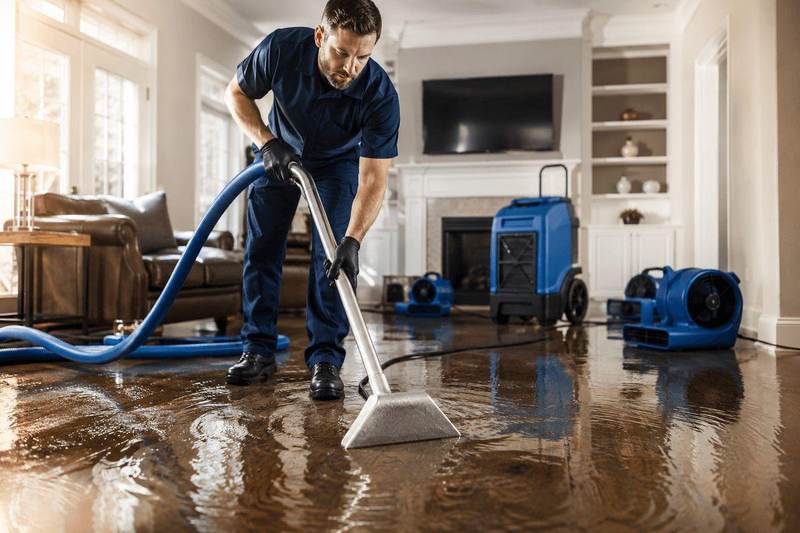
Water Damage Restoration Cost in Texas (2026 Estimates)
Read the guide →Water Heater Leaking? What to Do Right Now Before 50 Gallons Ruin Your Texas Home (2026)
Read the guide →