Dallas Flooding: Why DFW Homes Take Water and What to Do Before Mold Starts
Dallas-Fort Worth sits on Blackland Prairie clay that rejects rainfall like concrete, feeds it into undersized storm drains and sends creeks like White Rock, Turtle, Five Mile and Cedar over their banks every spring. When that water pushes through your door, under your garage slab joint or back up through your floor drain, every hour it sits drives damage deeper into flooring, baseboards and wall cavities and brings mold colonization closer to the 24-to-48-hour threshold.
DFW Storm Water Inside? Call (469) 548-7594 24/7 Extraction
(469) 548-7594
Dallas Flooding at a Glance
| Detail | What DFW Homeowners Need to Know |
|---|---|
| Primary cause | Blackland Prairie expansive clay absorbs rain slowly, then sheds runoff fast |
| Peak season | March through June (supercell season), with a secondary fall window |
| Worst recent event | August 2022 12+ inches in east Dallas County in under 24 hours |
| Water classification | Storm and creek water is Category 3 black water under IICRC S500 |
| Mold risk | 24-48 hours on wet drywall and carpet pad in DFW summer heat |
| Foundation risk | Clay swell-shrink cycle stresses slab foundations and under-slab pipes |
| Flood insurance | Standard homeowners policies exclude flood separate policy required |
| Drying timeline | 3-7 days with commercial LGR dehumidifiers after wet materials removed |
Three Reasons DFW Floods Harder Than Most Texas Metros
Blackland Prairie Clay Turns Yards Into Parking Lots
The expansive clay soil under Dallas, Collin, Rockwall, Kaufman and Tarrant counties absorbs water at a fraction of the rate that sandy or loamy soils do. Once the top two inches are saturated which can happen in the first 15 minutes of a heavy storm every additional drop runs off across the surface toward the nearest low point. That low point is often a home’s foundation, a below-grade garage or a neighborhood creek channel.
This same clay is what makes drought-related slab leaks so common in North Texas. The soil shrinks in summer, the slab settles, pipes crack and when fall rains return, the swelling clay shifts everything again.
Explosive Growth Outpaces Drainage Infrastructure
DFW added more than a million residents between 2010 and 2024. Every new subdivision, commercial center and highway interchange replaces permeable soil with rooftops, concrete and asphalt that funnel rainfall into storm drain systems originally sized for smaller populations. Suburbs like Frisco, McKinney, Prosper and Celina that were farmland a decade ago now generate runoff volumes their drainage networks were never designed to carry.
Supercell Thunderstorms Drop Inches Per Hour
North Texas sits where warm Gulf moisture collides with dry west Texas air and cooler fronts from the north the classic supercell recipe. These storms routinely drop 2 to 4 inches per hour, sometimes more, and often bring damaging hail that cracks roofs and creates secondary leak paths. The August 2022 storm that parked over east Dallas County dumped more than 12 inches in less than 24 hours, flooding homes that had never taken water before.
Where DFW Takes Water Creek by Creek
| Waterway | Areas Affected | Flood Behavior |
|---|---|---|
| Trinity River | Dallas and Fort Worth urban core | Protected by levees centrally; lowlands and nearby areas flood during prolonged wet periods |
| White Rock Creek | Northeast Dallas, Lake Highlands, White Rock Lake | Fast rises after heavy rain trails and low roads flood first |
| Turtle Creek | Uptown, Highland Park corridor | Flash flooding in the narrow creek channel |
| Five Mile Creek | South Dallas, southwest neighborhoods | Older homes close to the creek channel |
| Cedar Creek | Southwest Dallas County | Residential flooding in low-lying areas |
| Prairie and Duck Creeks | East Dallas County, Mesquite, Garland | Hardest hit in the August 2022 event |
| Clear Fork and West Fork Trinity | Fort Worth, Weatherford corridor | River and creek flooding, dangerous underpasses |
| Rowlett Creek | Plano, Allen, Murphy | Rapid rises after upstream storms |
You do not have to live near a creek. A clogged storm drain inlet, a yard that slopes toward the house, a low garage entry or a poorly graded patio can let water inside during a single 30-minute storm cell.
Six Ways Water Enters a DFW Home During a Storm
Under exterior doors when rainwater ponds on a patio, driveway or porch that drains toward the threshold. Garage doors without weatherstripping are especially vulnerable.
Through brick veneer weep holes when water stands against the wall long enough to enter the air gap and soak the interior drywall. This is one of the hardest leaks to find signs of water damage in walls often appear days later as bubbling paint or swollen baseboards.
Up through the slab joint where the garage floor meets the house foundation. Water pressure on the exterior forces moisture through this cold joint and under flooring on the other side.
Down from a storm-damaged roof. Wind-driven rain enters through cracked shingles, damaged flashing and broken vent boots. Hail storms in DFW are among the most frequent in the country read our Texas hail storm and roof leak guide for the full picture.
Back up through drains when the municipal sewer system is overloaded. Raw sewage pushing through floor drains, toilets and showers turns a storm flooding event into a Category 3 sewage cleanup emergency requiring full sanitization.
Into crawl spaces of older pier-and-beam homes in neighborhoods like Lakewood, Oak Cliff, parts of Fort Worth and University Park. Floodwater that fills a crawl space soaks subfloor joists and insulation from below. See our pier-and-beam crawl space water damage guide for drying strategies specific to raised foundations.
DFW Storm Flooding Safety What Kills People Is Not the House
Most flood deaths in Texas happen in vehicles. Six inches of moving water can stall a car. A foot of moving water can float a pickup truck. Never drive into a flooded underpass, low street or drainage crossing the depth is invisible and the current is deceptive.
Inside, stay out of standing water until you confirm the breaker is off from a dry location. Watch alerts from the National Weather Service Fort Worth office and your city’s emergency management page. Move vehicles to higher ground before the storm if your street has a history of flooding.
Step-by-Step DFW Flood Cleanup From Standing Water to Dry Framing
Step 1 Make the House Safe to Enter
Turn off power from a dry location. Leave immediately if you smell gas. Do not walk through standing water until you confirm no live circuits are submerged. Wear rubber boots, waterproof gloves, an N95 respirator and eye protection storm and creek water is IICRC Category 3 contaminated water.
Step 2 Photograph Every Room Before You Touch Anything
Wide shots of every room, close-ups of the waterline with a tape measure, exterior shots showing debris and street conditions, model and serial numbers of submerged appliances. This documentation drives your insurance payout skipping it costs thousands.
Step 3 Extract Standing Water Within 24 Hours
Professional crews use truck-mounted extractors and submersible pumps. On DFW’s slab foundations, water extraction equipment must pull water from under laminate, vinyl plank and tile because water travels along the slab surface far beyond the visible wet zone. Weighted extraction wands pull water from carpet pad without removing the carpet, but after Category 3 storm flooding, the pad almost always comes out.
Step 4 Remove Contaminated Porous Materials
Flood cuts take drywall above the highest moisture reading, typically 2 to 4 feet up. Fiberglass insulation, carpet pad, MDF baseboards and particleboard cabinet bases come out entirely. These materials absorb Category 3 water and cannot be sanitized. Learn the criteria for saving versus replacing water-damaged drywall.
Step 5 Sanitize and Apply Antimicrobial Treatment
Stubb, sill plates, the slab surface and the back of adjacent drywall above the flood cut are cleaned with detergent, then treated with an antimicrobial agent that prevents bacterial and mold colonization during the drying phase.
Step 6 Structural Drying with Commercial Equipment
DFW’s spring humidity often 60% to 80% relative humidity makes natural drying nearly impossible. Professional structural drying crews deploy LGR dehumidifiers pulling 130 to 200 pints per day and commercial air movers directing airflow across exposed wall cavities, subfloors and the slab. Daily moisture readings confirm progress. Drying is complete when readings match dry reference areas typically 3 to 7 days after wet materials are removed.
Step 7 Rebuild Only After Verified Dry Readings
New drywall, insulation, paint and flooring go in only after the drying log confirms dry framing. Rebuilding on damp studs traps moisture behind new walls and creates a mold problem that can cost more than the original flood damage.

Flooding and Your DFW Foundation A Double Problem
Blackland Prairie clay swells when wet and shrinks when dry. A flood soaks the soil on one side of the house while the opposite side stays drier, creating uneven pressure that can stress the slab. After a DFW flood, watch for new drywall cracks, sticking doors, gaps around windows and uneven floors. A foundation specialist should evaluate the slab once the house is dry.
The same clay cycle that causes flood damage also causes drought-related slab leaks across North Texas. Many DFW homes built in the 1970s through 1990s have copper supply lines under the slab that are thinning from decades of movement and hard water. A slab leak during drought can run for weeks before anyone notices read our DFW slab leak guide for warning signs.
Sewer Backups During Dallas Storms
When storms overload municipal sewer lines, raw sewage pushes up through floor drains, shower drains and toilets. This is the worst contamination level Category 3 black water carrying E. coli, Salmonella and other pathogens. Do not attempt DIY cleanup on sewage flooding. Keep everyone out of the affected area and call for professional sewage cleanup and decontamination. A backwater valve on your sewer lateral is the most effective prevention it stops sewage from entering through drains during overloaded conditions.
Mold After a DFW Flood The 48-Hour Clock
Mold spores begin colonizing wet drywall, carpet pad and wood framing within 24 to 48 hours at DFW summer temperatures. Growth happens fastest inside wall cavities where humidity stays trapped and airflow is zero. Watch for musty smells near baseboards, dark spots spreading from corners and allergy symptoms that worsen at home. If the affected area exceeds 25 contiguous square feet, Texas law requires a licensed mold assessor and a separate licensed remediator the same company cannot do both. See our mold remediation service for how the process works and our mold remediation cost guide for estimated ranges.
Lower Your DFW Flood Risk Before the Next Spring Storm
- Clean gutters and extend downspouts 4 to 6 feet from the slab foundation
- Grade soil so the surface slopes away from the house on all sides
- Keep the storm drain inlet in front of your house clear of leaves and debris
- Seal gaps at the garage-to-house threshold with a door sweep or weatherstrip
- Install a sewer backwater valve on the lateral line
- Check your address on the FEMA flood map flood insurance is separate from homeowners insurance
- Photograph every room now as a "before" record for future claims
What DFW Homeowners Ask After Every Spring Storm
Why does my Dallas home flood when there is no creek nearby?
Blackland Prairie clay rejects rainfall once the surface is saturated, sending sheets of water across yards and driveways. A clogged storm drain, a yard that slopes toward the foundation, a low garage entry or a patio without proper drainage can funnel enough water inside to damage flooring and walls in a single 30-minute storm cell.
Which DFW neighborhoods flood the most during spring storms?
Low-lying areas near White Rock Creek, Turtle Creek, Five Mile Creek, Cedar Creek, Prairie Creek and Duck Creek see the most frequent flooding. East Dallas County, Mesquite and Garland were hardest hit in the August 2022 event. But DFW flooding also affects homes far from any creek when storm drains cannot keep up with intense rainfall.
Does standard homeowners insurance cover DFW storm flooding?
Generally no. Standard policies exclude flood damage from water entering from outside the home. Rain that enters through a storm-damaged roof may be covered under the dwelling portion. Flood coverage requires a separate policy, usually through NFIP or a private flood insurer.
How long does it take to dry a flooded DFW home?
After wet materials are removed, professional drying with LGR dehumidifiers and commercial air movers typically takes 3 to 7 days. Spring and summer humidity in North Texas extends drying time compared to drier months. Moisture readings not calendar days determine when the structure is dry enough to rebuild.
How much does flood cleanup cost in the Dallas-Fort Worth area?
Costs depend on square footage affected, water category, depth, duration and how much material must be removed. See our water damage restoration cost guide for estimated ranges by project size and scope.
DFW Towns and Cities We Serve After Storm Flooding
Our local crews respond to storm water damage across Dallas, Fort Worth and surrounding communities including Ferris, Palmer, Crandall, Caddo Mills, Josephine, Farmersville, Wills Point, Aledo, Haslet and dozens more. Find your town on our areas we serve page.
Flooded in DFW? Every Hour Counts
A spring storm can end in an hour, but the water it left behind keeps soaking deeper into your flooring, walls and foundation. Our crews bring truck-mounted extractors, LGR dehumidifiers and HEPA air scrubbers and we document every moisture reading for your insurance file. Learn more about our full water damage restoration process.
Call (469) 548-7594 Now 24/7 DFW Storm Response
More Texas Water Damage Guides
Practical, no-pressure guides written for Texas homeowners.

Drywall Water Damage: When to Dry It in Place and When to Replace It
Read the guide →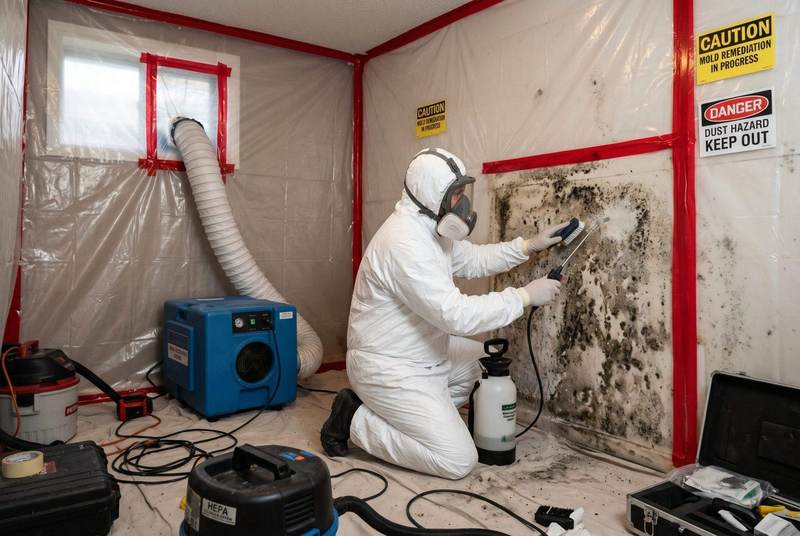
Mold Remediation Cost in Texas: 2026 Estimated Ranges by Job Size
Read the guide →
Water Under a Pier-and-Beam House in Texas: Crawl Space Drying, Mold Prevention and Long-Term Fixes
Read the guide →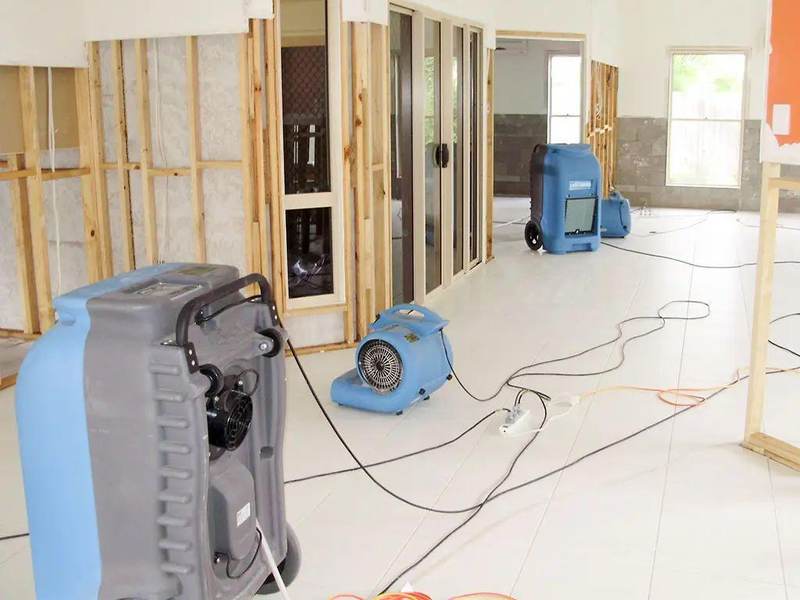
Rebuilding After a Flood in Texas: Step-by-Step Guide
Read the guide →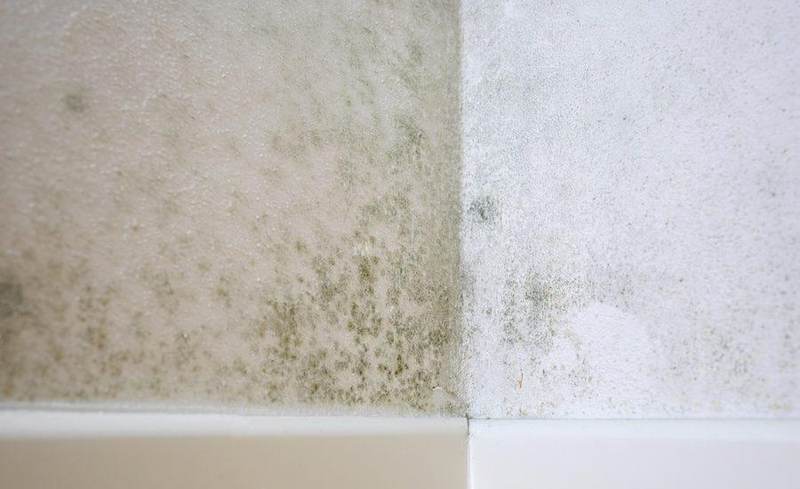
9 Signs of Water Damage in Walls: What Texas Homeowners Should Check Before Mold Spreads (2026)
Read the guide →
Slab Leak Repair in Dallas-Fort Worth: Signs, Causes and Options
Read the guide →
Texas Drought and Slab Leaks: Why Dry Summers Break Pipes Under Your Foundation (2026)
Read the guide →
Texas Hail Damage Roof Leaks: How Storms Break Your Roof and What to Do Next (2026)
Read the guide →
Water Damage Restoration Cost in Texas (2026 Estimates)
Read the guide →