Mold Remediation Timeline in Texas: How Long Every Step Takes and What Slows the Job Down
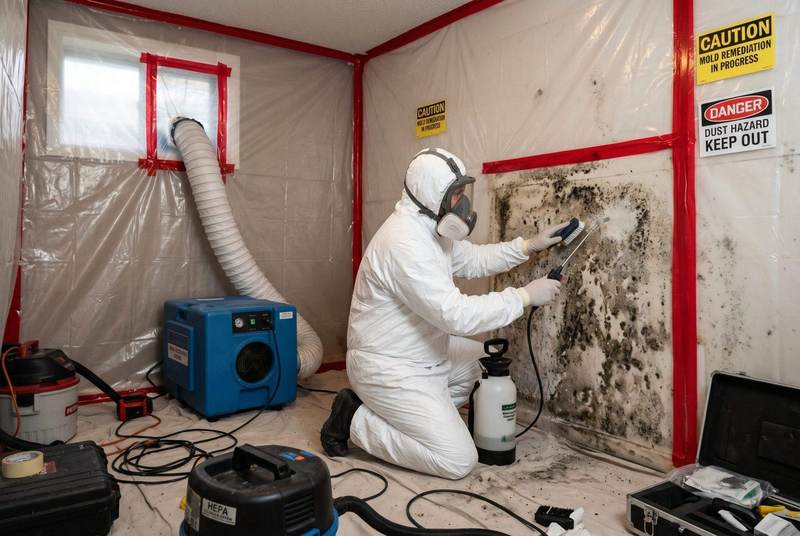
Small mold jobs finish in one to three days of active work. A room-sized problem takes three to seven days. Large jobs covering multiple rooms or an entire attic can run one to three weeks before the rebuild even starts. In Texas, any mold area over 25 contiguous square feet triggers additional steps under TDLR Chapter 1958 a licensed assessment, a written protocol, a state notification before work begins and a post-remediation clearance check that add days to the calendar before a single piece of drywall gets cut.
Found Mold After a Leak? Call (469) 548-7594 Stopping the Moisture First Saves Days on the Timeline
(469) 548-7594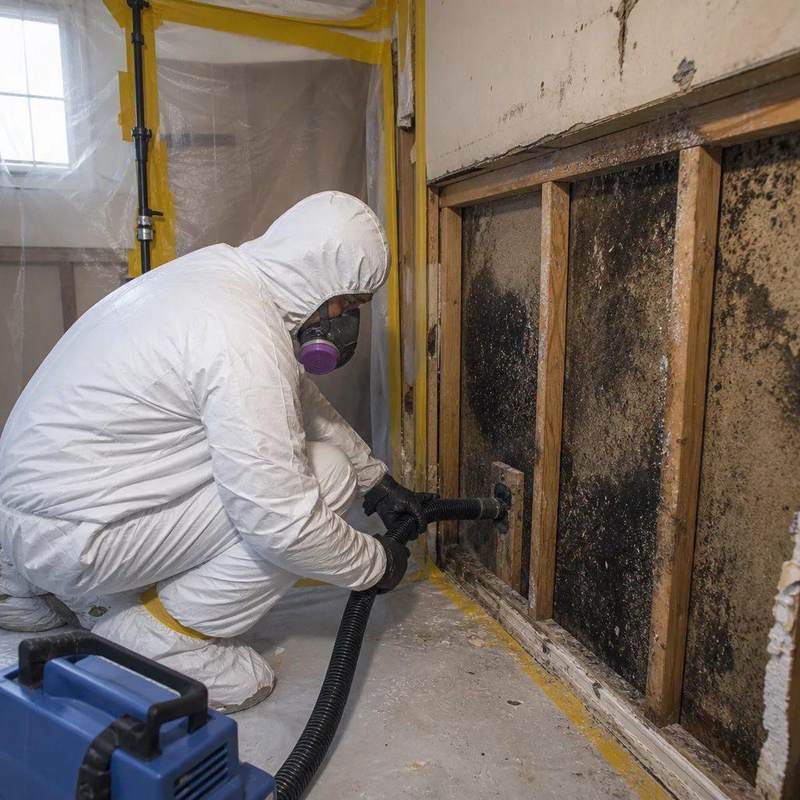
Mold Remediation Timeline at a Glance
| Job Size | Example | Active Remediation | Total With Assessment and Clearance |
|---|---|---|---|
| Small (under ~10 sq ft) | Spot under a sink, small bathroom patch | 1-2 days | A few days |
| Medium (10-25 sq ft) | Part of a wall, one closet | 2-4 days | About a week |
| Large (25-100 sq ft) | A room, a long wall run after a leak | 3-7 days | 1-2 weeks plus TX notice period |
| Very large (100+ sq ft) | Attic, crawl space, flood-damaged floor | 1-3 weeks | 2-4 weeks or more |
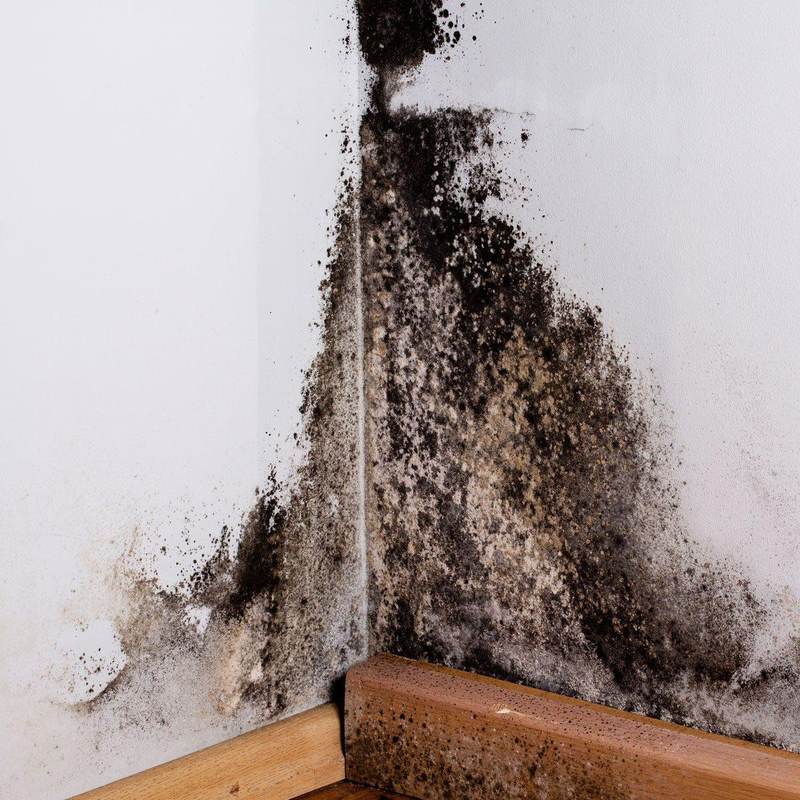
Every timeline depends on what is found once walls are opened and on how quickly the moisture source is fixed. Mold behind drywall is almost always larger than the visible patch on the surface.
The Complete Step-by-Step Mold Remediation Process in Texas
Step 1 Inspection and Moisture Check (Day 1)
A technician or licensed mold assessor examines the home for visible growth, measures moisture in walls and floors with pin and pinless meters, and uses thermal imaging to find hidden wet areas behind drywall. If air or surface samples are needed, they are collected during this visit. Lab results typically return in two to four business days.
The inspection always looks for the water source. Mold cannot grow without moisture, and remediation fails if the source a roof leak, a slab leak, an AC condensate leak or high humidity is not corrected. To understand the difference between a visual inspection and lab testing, read our guide on mold inspection vs mold testing in Texas.
Step 2 Protocol, Plan and Texas State Notification (Days 1-5)
For mold areas of 25 contiguous square feet or more being handled by a hired company, Texas law under TDLR Chapter 1958 requires three things before work starts. A licensed mold assessment consultant writes a remediation protocol describing what must be removed and how. A separate licensed mold remediator writes a work plan based on that protocol. The remediator then notifies the state before starting typically at least five business days ahead, with exceptions for emergencies.
This paperwork phase is the part of the timeline most homeowners do not expect. It can add a full week to the calendar. The critical rule: the assessor and the remediator must be independent of each other. The same company cannot write the protocol and do the removal on the same project. Read the full rules in our guide on when mold remediation is required in Texas.
Step 3 Fix the Water and Start Drying (Meanwhile)
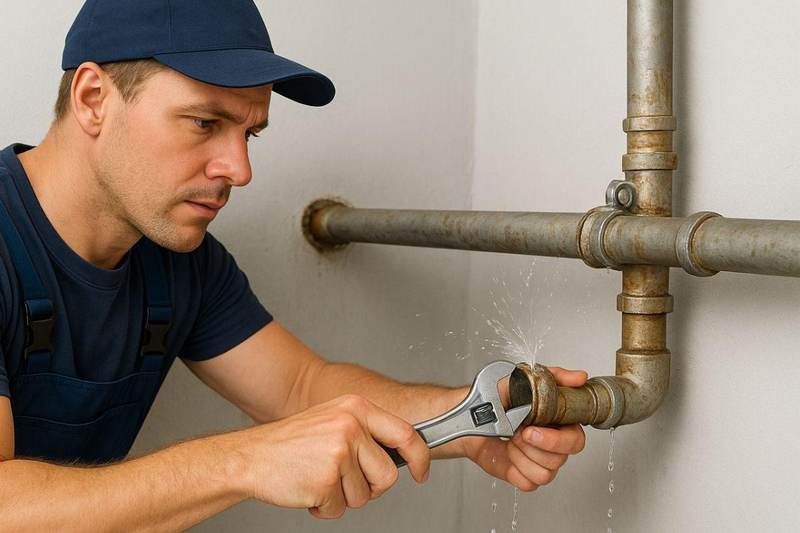
Mold remediation fails if wet materials stay wet. The leak, AC drain, plumbing problem or humidity issue must be repaired before or during remediation. Drying is water damage mitigation and does not have to wait for the mold paperwork. A water damage restoration crew can extract standing water and begin structural drying while the assessment and protocol are being prepared this overlap is one of the most effective ways to shorten the overall timeline.
Step 4 Containment Setup (Day 1 of Active Work)
The crew seals the work area with polyethylene sheeting and zipper doors, covers HVAC supply and return vents to prevent cross-contamination, and establishes negative air pressure using HEPA air scrubbers filtering 99.97% of particles at 0.3 microns. Containment setup typically takes several hours. For a large job covering multiple rooms, it can take most of a day.
Step 5 Removal of Contaminated Materials (Days 1-3 of Work)
Moldy porous materials are cut out and double-bagged: water-damaged drywall, fiberglass insulation, carpet pad, ceiling tiles, and sometimes cabinets and trim. Framing, studs and other hard surfaces are cleaned HEPA vacuumed, wiped with antimicrobial solution, and sanded or media-blasted for heavy colonization. Common Texas mold species found on wet building materials include Aspergillus, Penicillium, Cladosporium and Stachybotrys.
Step 6 Cleaning, Treatment and Drying (Days 2-5 of Work)
The area is HEPA vacuumed a second time, wiped down, and dried with LGR dehumidifiers until wood framing reaches normal moisture content. Antimicrobial treatment or encapsulant may be applied where the protocol allows. This step takes longer in humid Texas conditions particularly in Gulf Coast areas where outdoor humidity fights the drying process.
Step 7 Post-Remediation Clearance
The licensed assessor returns for a post-remediation verification. This includes a visual inspection, moisture readings and sometimes air or surface sampling. If the area passes, containment comes down. If it fails, the remediator cleans again and clearance is repeated adding days to the timeline.
Step 8 Certificate and Rebuild
On licensed Texas jobs, a Certificate of Mold Damage Remediation (CMDR) is issued after successful clearance. Then the rebuild begins: insulation, drywall, texture, paint, flooring and trim. Rebuild can take several days to several weeks depending on scope and material availability.
What Slows a Texas Mold Job Down
| Delay | Why It Happens | How to Avoid It |
|---|---|---|
| Hidden mold found after opening walls | Visible spots are often the tip of the problem | Good moisture mapping before the plan |
| Active leak not fixed | Mold returns if materials stay wet | Fix the water source first |
| Waiting on lab results | Sample analysis takes business days | Ask whether testing is truly needed |
| Texas notice period | Required for larger licensed jobs | Book the assessment early |
| Failed clearance | Area not clean or still damp | Use experienced crews who dry fully |
| HVAC contamination | Ducts and air handler need separate cleaning | Inspect the HVAC system at the start |
| Insurance adjuster delays | Adjuster review before authorization | Document early, communicate often |
| Rebuild materials on backorder | Cabinets, flooring or specialty trim | Order materials once scope is confirmed |
Can You Stay Home During Mold Remediation?
For small, contained jobs in a section of the house you do not use daily, staying home is usually fine. Containment barriers and negative air pressure keep spores in the work zone. Consider staying elsewhere when the work covers the kitchen, main living areas or the only bathroom. If mold has reached the HVAC system, spores may be circulating through every room. Anyone with asthma, allergies, a weakened immune system, or who is pregnant, elderly or very young should stay out during active remediation. Jobs involving sewage-contaminated materials or heavy demolition also warrant temporary relocation.
Timelines for Common Texas Mold Situations
After a slab leak (DFW, Houston, Austin): Mold at the base of walls and under flooring. Expect one to two weeks with drying included. The drought slab leak scenario is common a leak runs quietly for weeks, and mold is already established by the time the homeowner discovers the damp floor.
After an attic AC leak: Ceiling drywall and insulation affected. Usually several days of active work plus ceiling repair. AC condensate leaks are one of the most common mold triggers in Texas read our AC leaking water guide for prevention steps.
After a flood: Lower walls throughout the home, often addressed during the initial flood damage restoration cleanup. Several weeks with the full rebuild. See our first 48 hours after a flash flood guide.
Bathroom with poor ventilation: Small area, often one to two days of work plus installing a proper exhaust fan.
Crawl space under a pier-and-beam home: Joists and subfloor. A week or more of active work plus installation of a vapor barrier.
6 Ways to Shorten Your Mold Remediation Timeline
Stop the water the same day you find it. Start drying wet materials within 24 to 48 hours fast drying can prevent a mold job entirely. Do not disturb visible mold by scrubbing or fanning before containment is in place that spreads spores into clean rooms. Book the mold assessment early so the Texas notice period runs while you line up the work crew. Clear furniture and belongings from the work area before the crew arrives. Ask about rebuild timing at the start so materials can be ordered while remediation is underway.
Mold Timeline Questions Texas Homeowners Ask First
How Long Does Mold Remediation Take From Start to Finish?
Small jobs take one to three days of active work. A typical room-sized job takes three to seven days. Large or multi-room jobs can take one to three weeks of remediation, not counting the rebuild. Add the Texas assessment, protocol and notice period for any job over 25 contiguous square feet.
Why Does Mold Remediation Take Longer in Texas Than Other States?
Texas requires a separate licensed assessor, a written protocol, a state notification before work starts and a clearance check afterward for any job over 25 contiguous square feet done by a hired company. High humidity especially along the Gulf Coast also extends drying times during the remediation process. See our mold remediation cost guide for how these extra steps affect pricing.
How Soon After Mold Remediation Can I Move Back In?
Usually once the area passes clearance and containment is removed. For small jobs, that can be the same day the work ends. For large jobs, you may return while rebuild work continues in the remediated zone.
Does Mold Come Back After Professional Remediation?
Not if the moisture source is repaired and the area is dried properly. Mold returns when leaks continue, when AC drain lines clog again or when indoor humidity stays high. Keeping relative humidity below 60% is the single most effective prevention measure.
How Fast Does Mold Grow After Water Damage in Texas?
The EPA states mold can colonize wet porous materials within 24 to 48 hours. In Texas summer conditions warm temperatures and high humidity growth can begin even faster. That is why emergency water extraction within the first day is so critical to avoiding a remediation job altogether.
Texas Communities Where Humidity Extends Mold Timelines
Homes in high-humidity areas need longer drying before clearance testing can pass. We serve Crosby, Winnie, Diboll, Pinehurst and West Columbia all Gulf Coast and East Texas communities where outdoor humidity regularly exceeds 80% and fights the drying process from the outside.
Start With the Water, Finish Faster
Most mold timelines are decided in the first two days after a leak. Fast drying can mean no mold job at all. When mold is already growing, a dry structure helps it pass clearance the first time saving days of re-cleaning and retesting. Our crews handle water extraction, moisture-verified structural drying and coordinate with licensed mold remediation teams when needed.
Call (469) 548-7594 24/7 Water Damage and Mold Response

More Texas Water Damage Guides
Practical, no-pressure guides written for Texas homeowners.
Slab Leak in Dallas-Fort Worth Signs, Detection and Damage Prevention (2026)
Read the guide →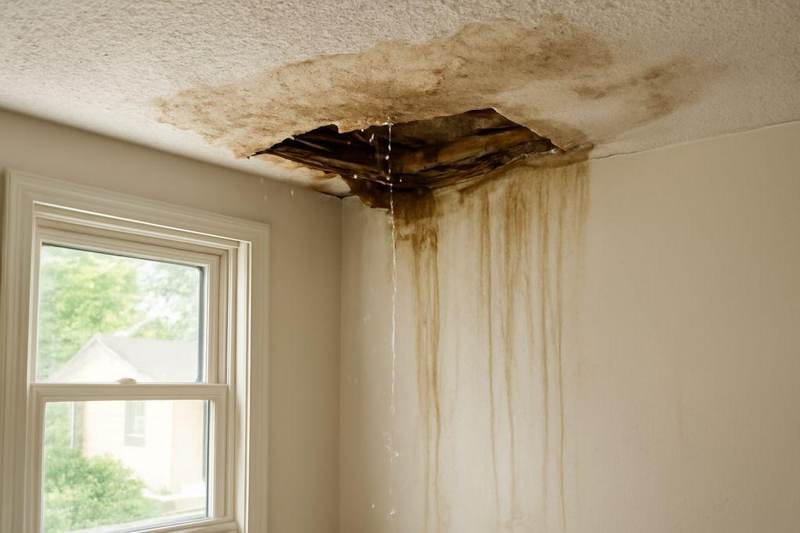
AC Leaking Water in Your Texas Home: 7 Causes, What to Do Now, and How to Stop the Damage (2026)
Read the guide →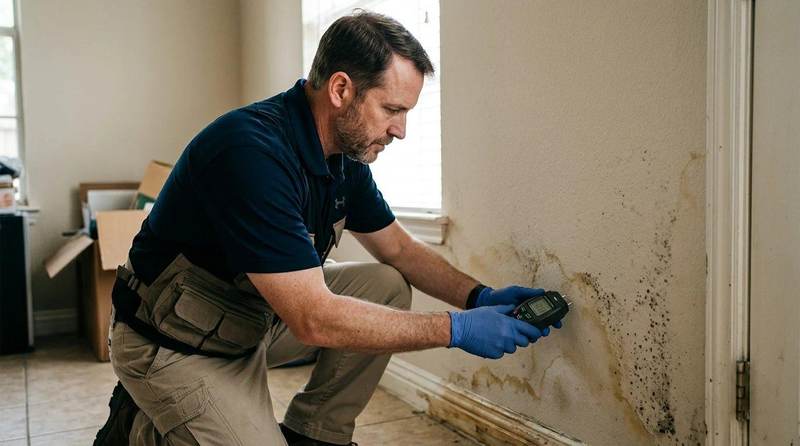
Mold Inspection vs Mold Testing in Texas: Which One You Actually Need and When Testing Is Worth It (2026)
Read the guide →
When Is Mold Remediation Required in Texas? TDLR Rules, Size Thresholds and Homeowner Options (2026)
Read the guide →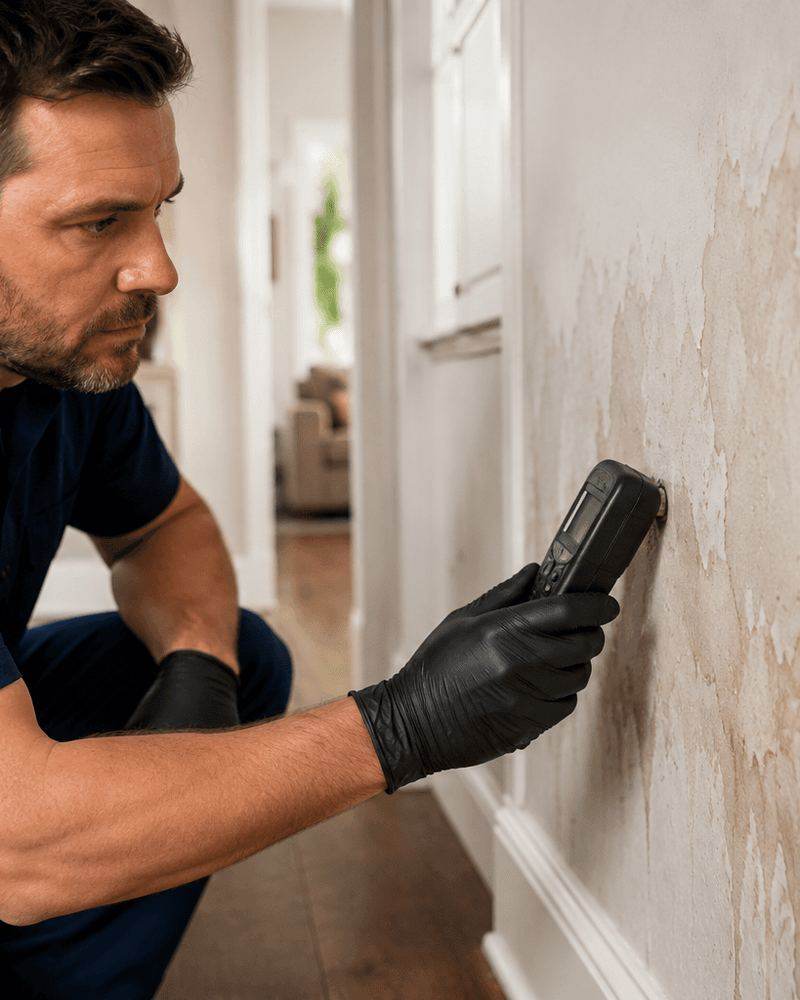
Drywall Water Damage: When to Dry It in Place and When to Replace It
Read the guide →
Texas Drought and Slab Leaks: Why Dry Summers Break Pipes Under Your Foundation (2026)
Read the guide →
After a Flash Flood in Texas: First 48 Hours Checklist (2026 Guide)
Read the guide →
Water Under a Pier-and-Beam House in Texas: Crawl Space Drying, Mold Prevention and Long-Term Fixes
Read the guide →