Houston Floods More Often Than Any Major City in America and Cleanup Follows the Same Critical Sequence Every Time
Houston sits on a coastal plain where 2,500 miles of bayous and drainage channels carry stormwater through neighborhoods built on drained marshland. The Harris County Flood Control District manages this system, but when rainfall exceeds the engineered capacity as it did during Hurricane Harvey (August 2017), Tropical Storm Imelda (September 2019), the Tax Day flood (April 2016), the Memorial Day flood (May 2015) and Hurricane Beryl (July 2024) water enters homes through every possible path. The cleanup protocol is the same regardless of which storm put the water there.
Call Texas Water Damage Solutions (469) 548-7594
(469) 548-7594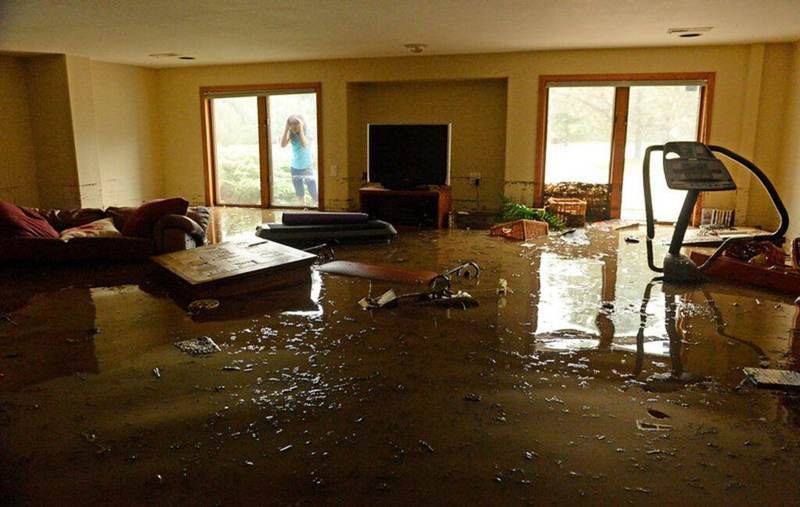
Houston Flood Cleanup Process at a Glance
| Phase | What Happens | Critical Timing |
|---|---|---|
| Safety assessment | Confirm electrical disconnect, check gas lines, document water line height | Before entering the home |
| Documentation | Photograph every room, video exterior, mark water line on walls | Before moving or cleaning anything |
| Water extraction | Truck-mounted extractors, submersible pumps remove standing water | Start within hours of water receding |
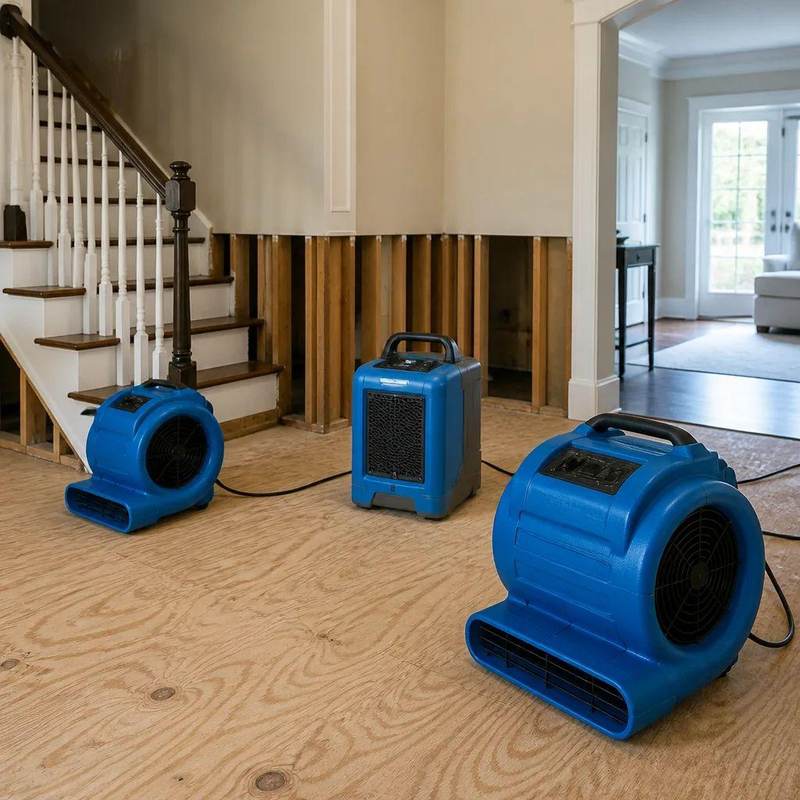
| Gut-out | Strip drywall 2 ft above water line, pull insulation, remove carpet/pad/flooring | Within 24-48 hours |
| Antimicrobial treatment | Treat exposed framing, subfloor, remaining structural surfaces | Immediately after gut-out |
| Structural drying | LGR dehumidifiers, air movers, daily moisture monitoring | 3-7 days after gut-out |
| Mold assessment | Licensed TDLR assessor evaluates if colonization started | After drying if any delay occurred |
| Contents cleaning | Salvageable furniture, clothing, electronics cleaned/restored | Concurrent with drying |
| Reconstruction | New drywall, insulation, flooring, paint, fixtures | After verified dry and mold clearance |
| Insurance documentation | Final photos, moisture logs, contractor invoices | Throughout the entire process |
Why Houston Flooding Is Always Category 3 Black Water
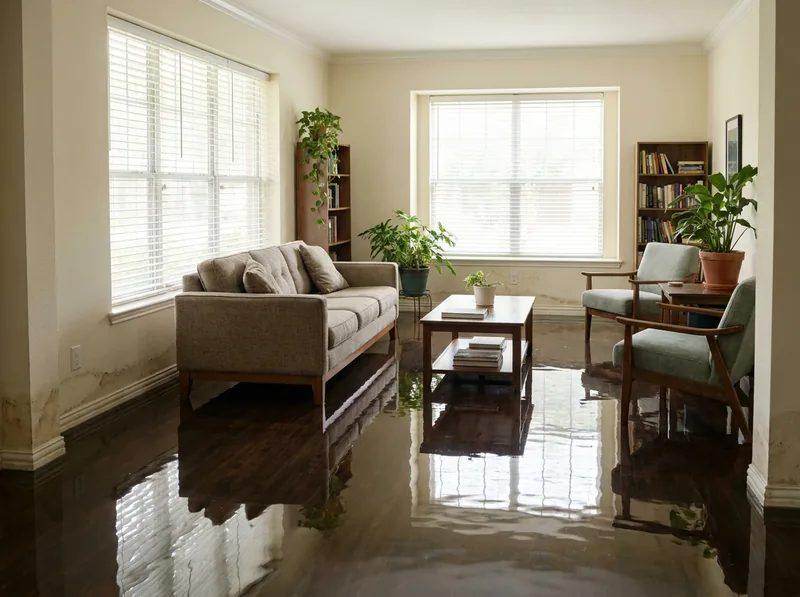
Every bayou, ditch, channel and street flood in Houston is Category 3 black water under the IICRC S500 Standard. There is no exception. Houston floodwater is a mixture of stormwater runoff from streets carrying motor oil and chemical residue, overwhelmed sanitary sewer system discharge, septic system overflow from unincorporated Harris County, agricultural drainage from surrounding counties, industrial runoff from the Houston Ship Channel watershed, and residential chemical storage (pool chemicals, pesticides, automotive fluids) from every flooded garage and shed upstream.
This means every porous material that contacted floodwater must be removed not dried, not cleaned, removed. Drywall, insulation, carpet, carpet pad, particle board cabinetry, paper-backed anything, cardboard, and any upholstered furniture that was submerged. The pathogens present E. coli, Salmonella, Hepatitis A, Giardia, Cryptosporidium require full PPE for cleanup workers and antimicrobial treatment of every remaining structural surface.
Houston homeowners who try to "dry out" their flooded home without removing contaminated materials are building a mold incubator. Sewage-contaminated water absorbed into drywall and insulation cannot be sanitized in place the contamination has penetrated the material. This is the most expensive mistake Houston homeowners make after a flood, and it leads to mold remediation jobs that cost more than the original cleanup.
The First 48 Hours After Houston Floodwater Recedes What to Do and What Not to Do
This timeline is not a suggestion. It is the difference between a manageable cleanup and a catastrophic mold situation that doubles the total cost.
Hours 0-6: Safety and Documentation
Do not enter your home until you confirm the electrical panel is de-energized. If the panel was submerged, call CenterPoint Energy to disconnect at the meter. Check for gas smell if present, leave immediately and call CenterPoint's gas emergency line. Once safe to enter, photograph everything before touching anything. Every wall surface showing a water line, every room, every piece of furniture. Video the exterior showing the water entry points. This documentation is irreplaceable for insurance claims.
Hours 6-24: Extraction and Initial Gut-Out
Water extraction should begin as soon as standing water is accessible. Truck-mounted extractors and submersible pumps remove the bulk water. Then the gut-out starts: drywall cut at a minimum of two feet above the water line (mark the high water line on studs before cutting your adjuster needs it), all insulation pulled from wall cavities, all carpet and pad pulled up and removed, all wet baseboard and shoe molding removed. Open every wall cavity to air. The first 48 hours after a flash flood dictates everything that follows.
Hours 24-48: Antimicrobial Treatment and Equipment Setup
Apply antimicrobial solution to all exposed framing, subfloor and remaining structural surfaces. Set up LGR dehumidifiers and air movers throughout the affected area. Open windows if humidity allows cross-ventilation to supplement mechanical drying. Begin daily moisture readings at mapped grid points. The 24-to-48-hour window is when mold colonization begins on any wet organic material in Houston's temperatures which means any delay past this point virtually guarantees a mold problem on top of the flood damage.
What NOT to do: Do not turn on the HVAC system until ductwork is inspected flooded ducts distribute contaminated air and mold spores to every room. Do not use household bleach as a mold preventive on wood bleach kills surface mold on non-porous surfaces but does not penetrate wood grain where mold roots colonize. Do not stack wet debris inside the house while waiting for pickup it continues releasing moisture and contamination into the space you are trying to dry.
Houston's Drainage Geography Why Your Neighborhood Floods and What It Means for Cleanup
Houston's flooding is not random. The bayou and channel system creates predictable flood patterns that determine the type of water entering your home and the contamination load it carries.
Buffalo Bayou watershed The central artery of Houston's drainage. Homes along Buffalo Bayou from the Katy Prairie to the Houston Ship Channel flood from bayou overbank flow during major events. The Addicks and Barker Reservoirs controlled release during Harvey sent water into homes that had never flooded before, adding reservoir sediment to the contamination mix.
Brays Bayou watershed Runs through Meyerland, Bellaire and the Texas Medical Center area. Meyerland flooded three times in three years (2015, 2016, 2017), and many homes were rebuilt with flood-resistant materials after the second or third event. If your home is on Brays Bayou and you are rebuilding after a flood, flood-resistant construction is not optional it is survival.
Greens Bayou and Halls Bayou North Houston and Greenspoint area. These bayous carry industrial runoff from the FM 1960 corridor, adding chemical contamination beyond standard sewage exposure. Cleanup in this watershed should include environmental testing for industrial contaminants in addition to standard biological protocols.
Clear Creek and Dickinson Bayou Southeast Houston, League City, Dickinson and Texas City. These coastal watersheds face compound flooding simultaneous bayou flooding from upstream rain and tidal/surge influence from Galveston Bay. Salt water in the flood mix accelerates corrosion of metal fasteners, electrical components and mechanical systems beyond what freshwater flooding produces.
San Jacinto River East Harris County communities including Crosby and Huffman. The San Jacinto's wide floodplain and Lake Houston's controlled releases create prolonged flooding events homes may stay flooded for days rather than hours, which means maximum material saturation and Category 3 contamination penetration into every building component.
Houston Flood Cleanup Questions Every Flooded Homeowner Asks
How Do I File a Houston Flood Insurance Claim Correctly?
Contact your insurance company within 24 hours. Separate your flood claim (NFIP or private flood policy) from your homeowners claim they are different policies with different adjusters. Document the high water mark before gut-out. Keep samples of removed materials a 12-inch square of drywall, a section of carpet in a sealed bag for the adjuster. Get a signed proof-of-loss from the adjuster during inspection. NFIP claims must be filed within 60 days of the flood event.
How Long After Houston Flooding Does Mold Start?
Mold spores begin colonizing wet organic materials within 24 to 48 hours at Houston's temperatures. Visible colonies appear within 72 hours on saturated drywall. Hidden mold behind walls and under flooring may not produce visible or olfactory signs for two to three weeks by which time a licensed mold remediation project is required under Texas TDLR rules if the area exceeds 25 contiguous square feet.
Can I Gut My Own Houston Home After a Flood?
Yes. The homeowner exemption under Texas Chapter 1958 allows you to remediate your own property without a license. Many Houston homeowners perform their own gut-out it is physically demanding but straightforward: cut drywall, pull insulation, remove flooring, bag and dispose. However, structural drying after gut-out requires commercial LGR dehumidifiers that most homeowners do not own. Renting commercial dehumidifiers runs $100 to $200 per unit per day a professional drying company deploys them more efficiently and documents the moisture readings your insurance company requires.
Should I Replace All Flooring After a Houston Flood?
Any flooring that was submerged in Category 3 floodwater should be replaced. Hardwood floors that were submerged cannot be reliably sanitized because contamination penetrates the wood grain. Tile can survive if the grout is intact and the subfloor beneath is dried and treated. For the rebuild, luxury vinyl plank, ceramic tile or sealed concrete resist future flood damage far better than carpet, hardwood or laminate.
When Is It Cheaper to Sell a Flooded Houston Home Than to Rebuild?
When the 50% substantial damage rule triggers and elevation is required. If your pre-flood home value is $180,000 and the repair cost including elevation reaches $120,000, the economics may favor selling especially if the home has flooded repeatedly. FEMA buyout programs through Harris County have purchased repeatedly flooded homes at pre-flood appraised value in previous disaster cycles.
Houston Communities Where We Handle Flood Cleanup
Meyerland and Bellaire Brays Bayou's most flood-impacted neighborhoods. Three major floods in three years (2015-2017) made these communities the epicenter of Houston's flood resistance movement.
Kingwood and Humble Humble and Kingwood along the San Jacinto River experienced catastrophic flooding during Harvey with homes submerged for days. Lake Houston's watershed feeds directly through these communities.
Katy and West Houston Katy and the Energy Corridor flooded from Addicks and Barker Reservoir controlled releases during Harvey. Reservoir-adjacent neighborhoods face unique flood risk that standard flood maps do not capture.
Crosby and East Harris County Crosby sits in the San Jacinto floodplain where sustained flooding lasts longer than bayou-driven events. Chemical plant proximity during Harvey added industrial contamination concerns.
Dickinson, Texas City and Galveston County Coast Dickinson and Texas City face compound freshwater-saltwater flooding. Cleanup protocols must address salt corrosion on top of standard Category 3 contamination.
Magnolia, Montgomery and North Harris Magnolia and Montgomery in the Spring Creek watershed. Rapid development has increased impervious cover and runoff volume, making these growing communities increasingly flood-prone.
Houston Will Flood Again The Only Variable Is Whether You Are Ready
The bayou system, the clay soil, the coastal plain geography and the rainfall patterns guarantee future flooding. Our crews bring truck-mounted extraction, commercial drying equipment and thermal imaging to Houston flood sites within hours because the difference between a $10,000 cleanup and a $30,000 cleanup is measured in the first 48 hours.
Call (469) 548-7594 24/7 Houston Flood Cleanup
More Texas Water Damage Guides
Practical, no-pressure guides written for Texas homeowners.
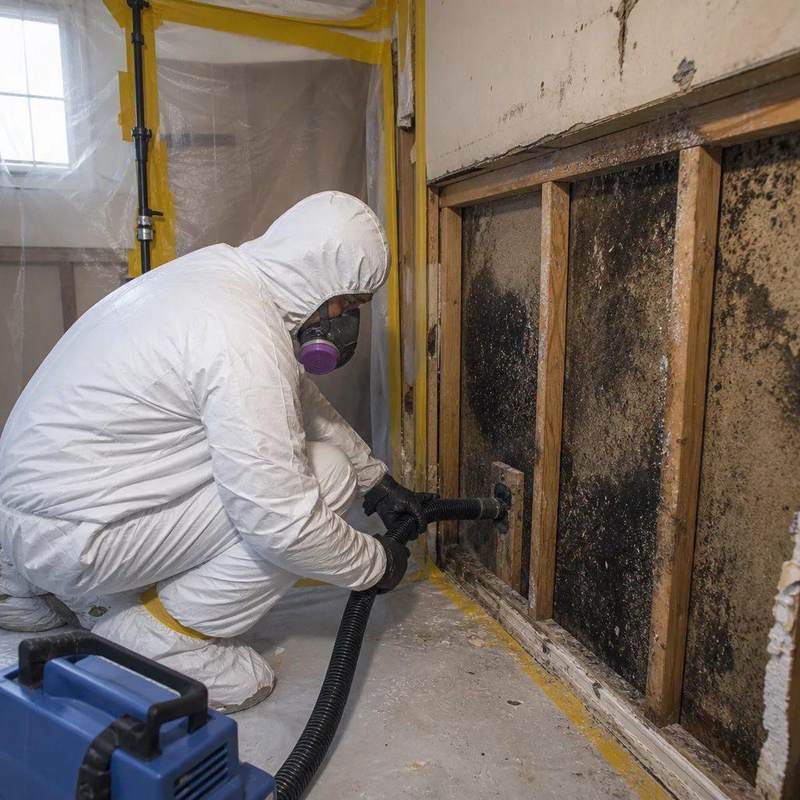
Mold Remediation Timeline in Texas: How Long Each Step Takes From Inspection to Clearance (2026)
Read the guide →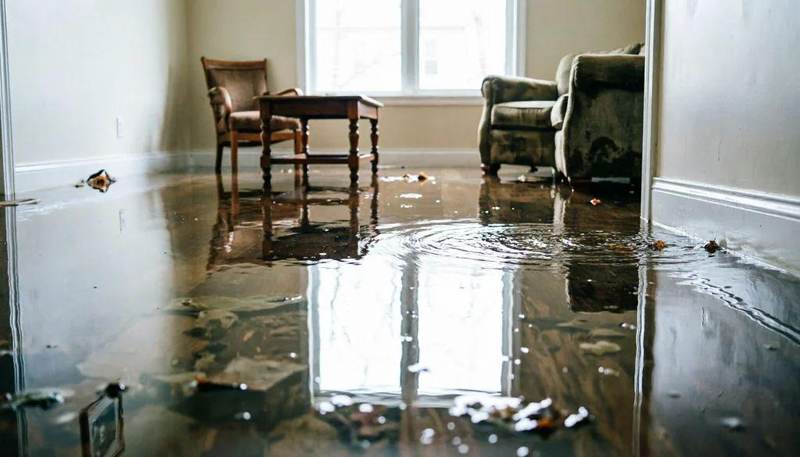
After a Flash Flood in Texas: First 48 Hours Checklist (2026 Guide)
Read the guide →
When Is Mold Remediation Required in Texas? TDLR Rules, Size Thresholds and Homeowner Options (2026)
Read the guide →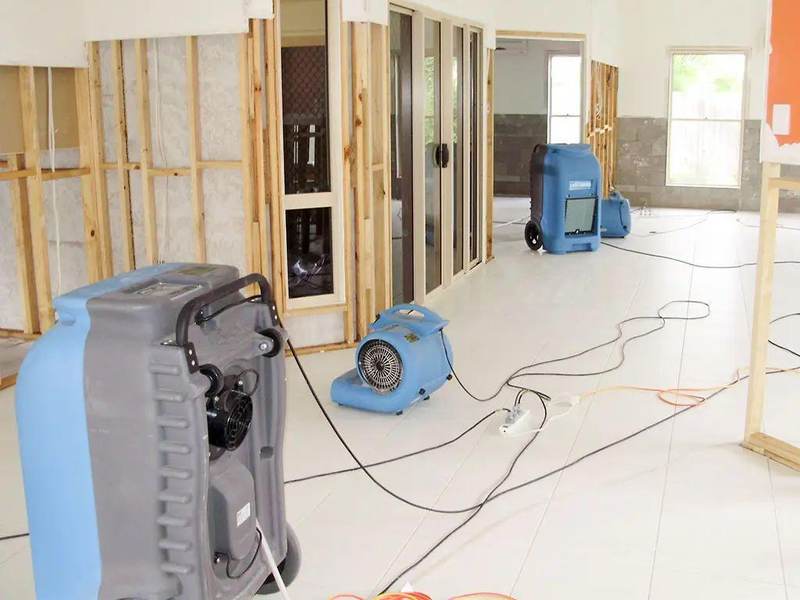
Rebuilding After a Flood in Texas Step-by-Step Recovery Guide (2026)
Read the guide →
Mold Remediation Cost in Texas: 2026 Estimated Ranges by Job Size
Read the guide →