Rebuilding After a Flood in Texas: Permits, Dry-Out and Materials That Hold Up
Before you hang new drywall, two things need to be true. First, the framing and slab have to be dry, proven with moisture readings, not just dry to the touch. Second, if you're in a floodplain, you need to check with your city or county about permits before repairs start. Skip either one and you can end up tearing it out again, either because of mold inside the wall or because the repair didn't meet floodplain rules.
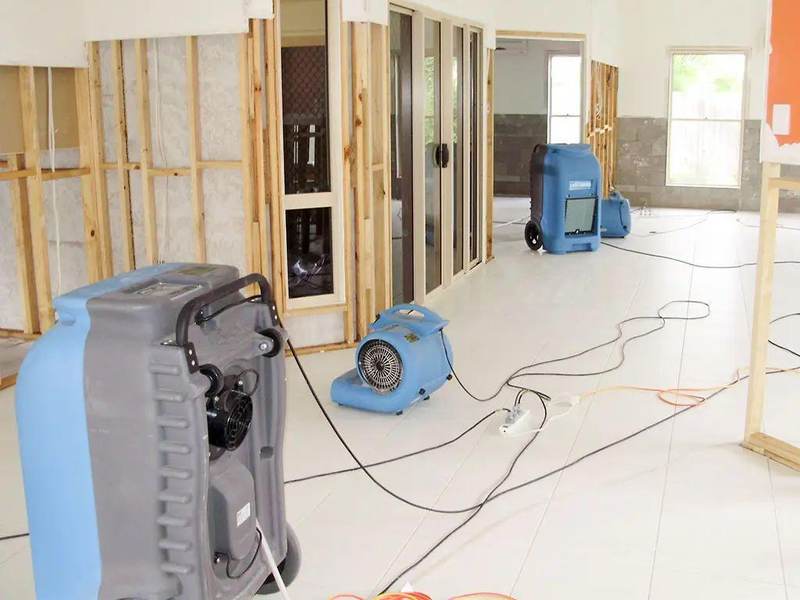
Step 1: Prove the House Is Dry
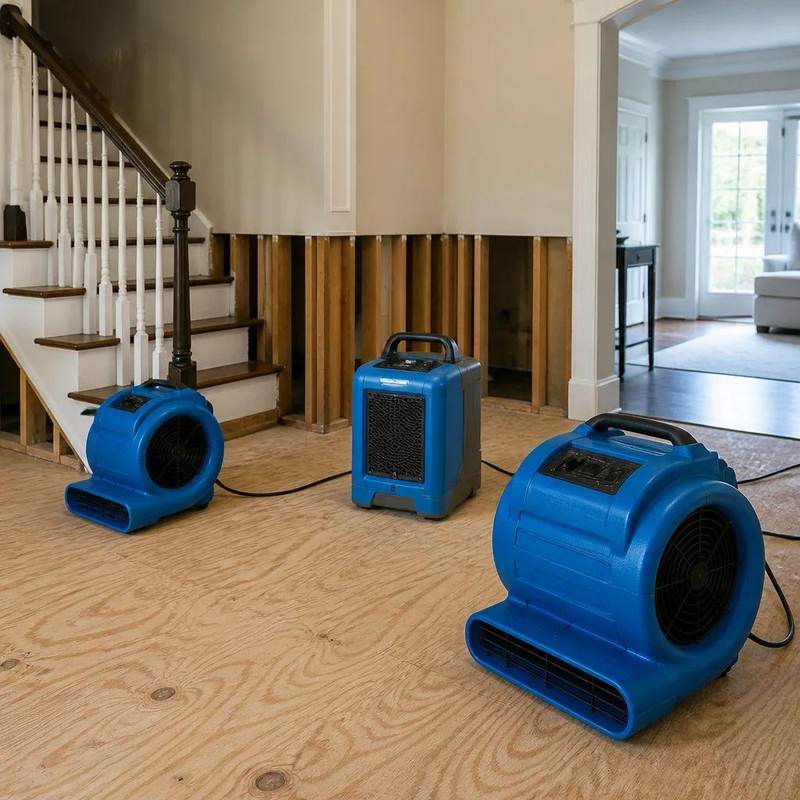
After muck-out and flood cuts, the framing, bottom plates and slab still hold water. Professionals take readings on wet materials and compare them to the same materials in a dry area. Rebuild only when they match. Closing up wet walls is how mold ends up inside brand-new drywall. See .
Step 2: Get a Permit Before Repairs
Communities in the National Flood Insurance Program have to review repairs to flood-damaged buildings in the floodplain. That usually means:
- Calling your city or county building department or floodplain manager before work starts
- Getting a permit for the repair
- In some cases, getting a substantial damage determination first
Some Texas counties put out repair permit packets after big floods. Check your local building or floodplain office website.
The Substantial Damage Rule (the "50% Rule")
General information only; your local officials make the call.
- If repairing the building would equal 50% or more of its pre-flood market value, it's generally considered substantially damaged.
- A substantially damaged building in the floodplain usually has to be brought into compliance, which can mean elevating it to or above the base flood elevation, relocating it, or demolishing it.
- The determination is made by your local community, usually the floodplain manager.
- Some communities also track repetitive damage, when flood repairs happen twice in 10 years and add up past a set share of the home's value.
ICC Coverage for NFIP Policyholders
If you have an NFIP flood policy and your home is declared substantially damaged, ICC coverage, a separate part of NFIP flood policies, can help pay for elevating, relocating or demolishing it, up to $30,000. It's filed separately from your regular flood claim and usually needs the substantial damage letter and permit. Ask your flood insurer. See .
Rebuild So the Next Flood Hurts Less
| Instead of | Consider |
|---|---|
| Drywall tight to the slab | Drywall held slightly off the floor, or moisture-resistant board low on the wall |
| Fiberglass batts low on walls | Closed-cell foam in the lower wall |
| Carpet or laminate | Tile or waterproof vinyl plank |
| MDF baseboards | PVC or tile baseboards |
| Particleboard cabinets | Plywood boxes with raised toe kicks |
| Water heater, AC and outlets low | Raised platforms and outlets where code allows |
These choices won't stop water, but they make the next cleanup faster and cheaper.
Avoid Rebuilding Scams
- Get written estimates and read contracts before signing
- Don't pay the full amount up front
- Ask for proof of insurance and local references
- Check that the contractor will pull the permits
- Ask for moisture logs showing the drying was finished before rebuild
A Typical Texas Flood Recovery Timeline
| Stage | Typical timing |
|---|---|
| Muck-out and flood cuts | Days 1 to 2 |
| Cleaning and disinfecting | Days 2 to 3 |
| Drying with daily readings | Days 2 to 10, longer in Gulf Coast humidity |
| Permits and substantial damage review | Varies by community |
| Rebuild | Weeks after readings show dry |
Texas Flood Rebuilding FAQs
Do I need a permit to repair flood damage in Texas?
If your home is in a floodplain, usually yes, and often for other repairs too. Check with your city or county before starting.
What is the substantial damage rule?
If repairs equal 50% or more of the building's pre-flood market value, it's generally considered substantially damaged and may need to be elevated or otherwise brought into compliance.
What is ICC coverage?
NFIP coverage that can help pay up to $30,000 to elevate, relocate or demolish a substantially damaged home. It's claimed separately.
When can I put drywall back after a flood?
When moisture readings on the framing and slab match dry materials, and any required permits are in place.
What materials hold up best in a flood?
Tile, waterproof vinyl plank, PVC baseboards, closed-cell foam low on walls and plywood cabinets recover better than carpet, laminate, MDF and particleboard.
Can I start repairs before the adjuster comes?
Start drying right away and document everything. Check with your insurer and local officials before rebuilding.
Need Your Texas Home Dried Before Rebuilding? Call (469) 548-7594
Texas Water Damage Solutions handles muck-out, drying and the moisture logs your contractor, adjuster and building official will ask for.
Sources: FEMA: Substantial damage and improvement · FEMA: ICC coverage · FloodSmart (NFIP) · Texas Water Development Board: Floodplain management