
Water Damage Restoration Is a Controlled Scientific Process Not Just Drying Out a Wet House
Water damage restoration follows the IICRC S500 Standard for Professional Water Damage Restoration a science-based protocol that dictates how water is classified, how affected materials are evaluated, what equipment is deployed and how drying is verified through documented moisture readings. Every decision from the first truck roll to the final moisture verification follows this standard because skipping or shortcutting any step leads to mold colonization, structural failure or insurance claim denial.
Call Texas Water Damage Solutions (469) 548-7594
(469) 548-7594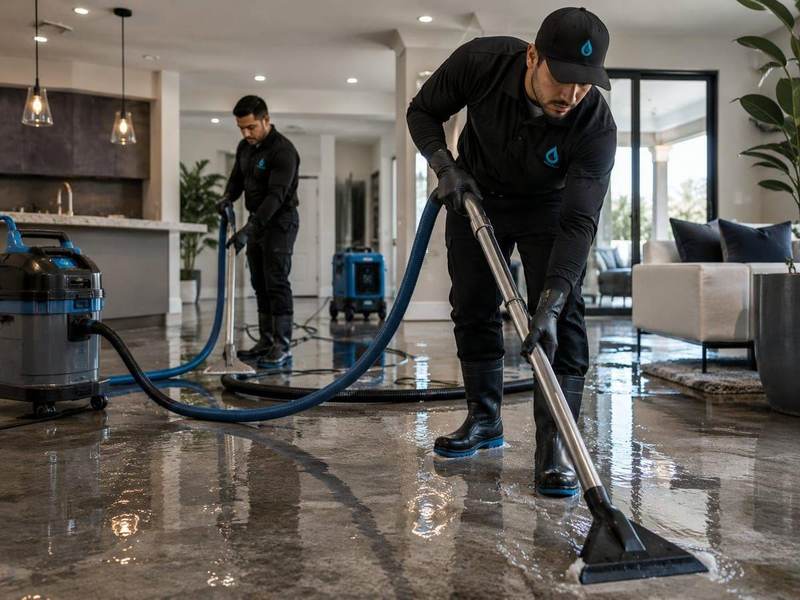
Water Damage Restoration Process at a Glance
| Phase | What Happens | Typical Duration |
|---|---|---|
| Emergency contact and triage | 24/7 call, dispatch, initial safety assessment | 30-60 minutes to arrive |
| Inspection and damage assessment | Moisture mapping, thermal imaging, water category and damage class determination | 1-3 hours |
| Water extraction | Truck-mounted extractors, submersible pumps, weighted wands remove standing and absorbed water | 2-8 hours |
| Demolition and controlled removal | Flood cuts on drywall, saturated insulation removal, contaminated material disposal | 4-12 hours |
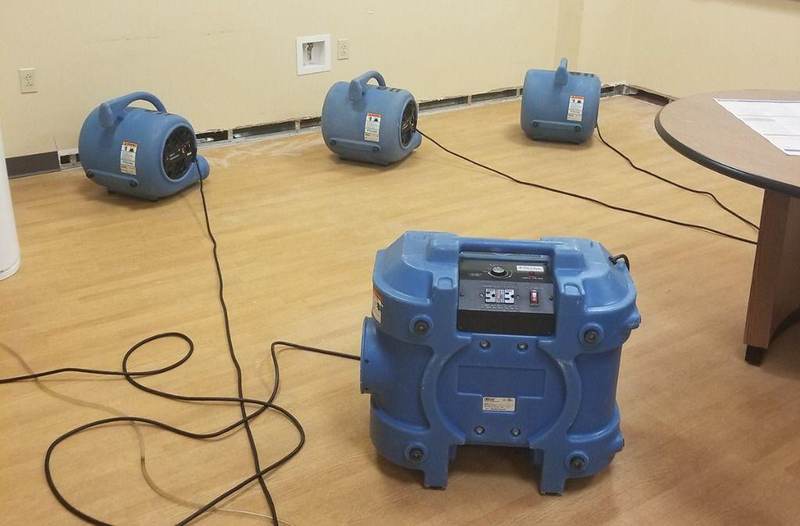
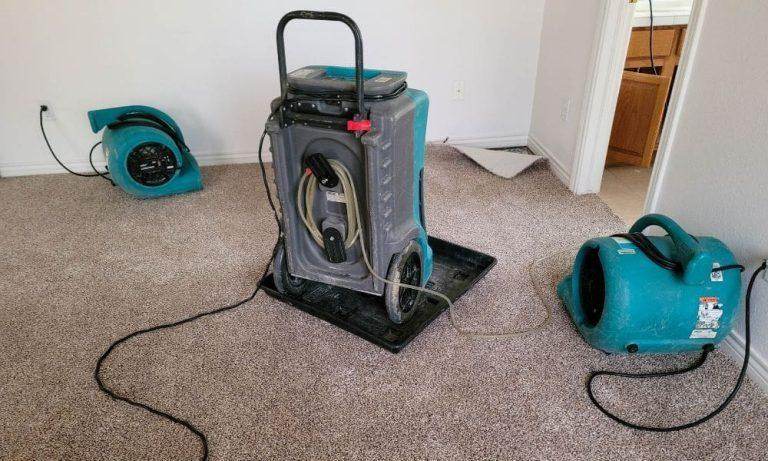
| Structural drying and dehumidification | LGR dehumidifiers, air movers, wall-cavity systems, daily moisture monitoring | 3-5 days minimum |
| Antimicrobial treatment | Application to exposed framing, subfloor and structural surfaces | Same day as demolition |
| Mold assessment (if needed) | Licensed TDLR assessor evaluates colonization, writes protocol | 1-2 days |
| Cleaning and sanitizing | Contents cleaning, HEPA air scrubbing, odor treatment | 1-3 days |
| Reconstruction | Drywall, insulation, flooring, paint, trim, fixtures | 3-14 days |
| Final documentation | Moisture verification, photo documentation, insurance paperwork | 1 day |
Water Categories Why the Source Determines the Entire Restoration Approach
The IICRC S500 Standard classifies water into three categories based on contamination level. This classification drives every decision that follows which materials can be dried in place, which must be removed, what PPE workers wear and what antimicrobial protocols apply.
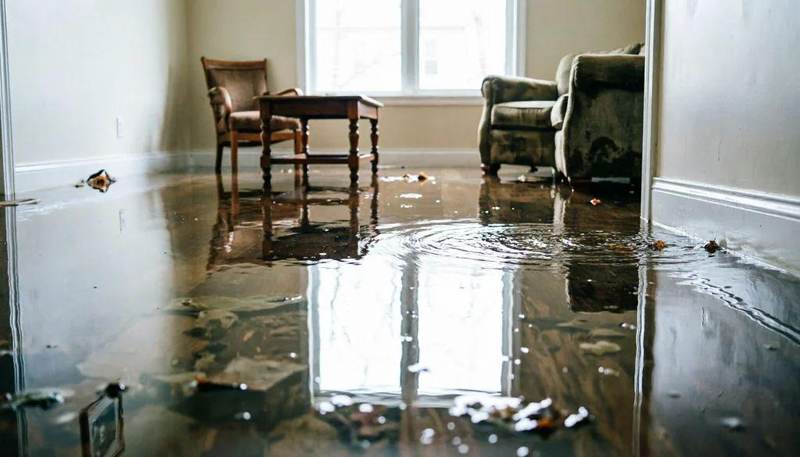
Category 1 Clean Water originates from a sanitary source with no substantial contamination. A broken supply line under a kitchen sink, a failed ice maker connection, a leaking water heater pressure relief valve or rainwater through a fresh roof leak that has not contacted insulation or stored materials. Category 1 allows the most material to be dried in place carpet, pad, drywall and hardwood may all be saved if extraction and drying begin within the first 24 hours.
Category 2 Gray Water carries significant contamination that can cause illness. Sources include washing machine and dishwasher discharge, AC condensate overflow, toilet overflow with urine but no feces, and sump pump failures. Gray water requires antimicrobial treatment of all contacted surfaces. Porous materials like carpet pad that absorbed Category 2 water are replaced, not dried.
Category 3 Black Water contains pathogenic agents E. coli, Salmonella, Hepatitis A, Giardia, Cryptosporidium. Sources include sewage backups, river and bayou flooding, storm surge from hurricane events and any Category 1 or 2 water that has contacted soil or sat stagnant for 72+ hours. All porous materials in the affected area must be removed and disposed of as contaminated waste. Full biohazard PPE is mandatory.
The critical escalation rule: Category 1 water that sits on organic materials in Texas temperatures above 80°F escalates to Category 2 within 24 to 48 hours as it picks up biological contamination from dust, cellulose and environmental bacteria. By 72 hours, any standing water is treated as Category 3 regardless of its original source. This time-based escalation is the single biggest reason rapid emergency water damage response reduces total restoration cost.
Damage Classes How Saturation Depth Determines Equipment Requirements
While water category describes contamination, the IICRC damage class describes how much material absorbed water and how deeply. The damage class determines how much drying equipment is needed and how long structural drying takes.
Class 1 Least Absorption. Water affected a small area with minimal absorption into materials. A toilet supply line leak on tile flooring that was caught within an hour. One to two air movers and one dehumidifier may be sufficient.
Class 2 Significant Absorption. Water has wicked up walls at least 12 inches but less than 24 inches. Carpet and pad are saturated. Structural materials have absorbed moisture but are not saturated through. This is the most common residential damage class a burst pipe that ran for several hours or an appliance failure overnight. Multiple air movers, LGR dehumidifiers and wall-cavity drying systems are deployed.
Class 3 Greatest Absorption. Water has come from overhead a roof leak during a storm, an upstairs bathroom overflow, a fire sprinkler activation saturating walls, ceilings, insulation, subfloor and flooring from top to bottom. Ceilings may sag with trapped water. Maximum equipment deployment with ceiling-directed air movers, dehumidifiers at capacity and potentially controlled ceiling drainage.
Class 4 Specialty Drying. Water has penetrated deep into dense materials hardwood flooring, plaster walls, concrete subfloor, stone countertops. These materials have very low permeance and require specialty drying techniques: floor-drying mats that create a sealed low-pressure chamber to pull moisture through hardwood and tile, wall-injection systems that push dry air into plaster cavities, desiccant dehumidifiers that achieve lower humidity levels than refrigerant-based LGR units, and significantly longer drying times often 7 to 14 days versus 3 to 5 for Class 2.
Inside Each Phase of the Restoration Process
Emergency Contact and Safety Assessment
The first call sets the entire timeline. Restoration companies that answer 24/7 and dispatch within 30 minutes exist because every hour of delay escalates water category and damage class. The first crew member on site evaluates safety is the electrical panel wet, is there gas smell, is the structure safe to enter? Power may need to be disconnected at the meter before extraction begins. This safety check takes minutes but prevents electrocution and gas exposure fatalities that occur after water events every year.
Moisture Mapping and Damage Documentation
Before anything is moved or extracted, the crew documents existing conditions with photographs and video evidence that your insurance company requires for claim processing. Thermal imaging cameras identify moisture behind walls and ceilings that are not visibly wet. Pin-type and pinless moisture meters measure moisture content in wood, drywall and concrete at grid points throughout the affected area. This moisture map becomes the baseline that all drying progress is measured against.
Water Extraction The Most Time-Sensitive Phase
Truck-mounted extractors connected to the restoration vehicle pull hundreds of gallons per minute through 2-inch vacuum hoses. Submersible pumps handle standing water deeper than two inches. Weighted extraction wands push into carpet and upholstery to pull absorbed water that surface extraction misses. The goal is to remove as much water as mechanically possible before evaporative drying begins every gallon extracted is a gallon the dehumidifiers do not have to process as vapor, reducing drying time and equipment hours.
Controlled Demolition Removing What Cannot Be Saved
Flood cuts on drywall at a minimum of two feet above the visible water line. Saturated fiberglass batt insulation pulled from wall cavities. Baseboards, shoe molding and door casings removed to expose the wall-to-floor junction where moisture concentrates. Laminate and engineered flooring that has swollen at seams. Carpet pad that absorbed Category 2 or 3 water. Every piece of removed material is photographed for insurance documentation before disposal. The decision framework for saving versus replacing water-damaged drywall depends on water category, saturation duration and material type.
Structural Drying The Phase That Determines Whether Mold Grows
LGR dehumidifiers pulling 130 to 200 pints per day create the low-humidity environment that drives evaporation from wet structural materials. High-velocity air movers create airflow across wet surfaces at 2,000+ cubic feet per minute per unit, accelerating evaporative transfer from the material surface into the air where the dehumidifier captures it. Wall-cavity drying systems inject dry air into closed wall cavities above the flood cut line. Floor-drying mats pull moisture through tile and hardwood without removing the floor covering.
Daily moisture readings at every mapped point track drying progress. The job is not done when floors feel dry to bare feet it is done when pin-type moisture meters read below 15% in wood framing and concrete slab relative humidity measures below 75%. These verified numbers are what separate professional restoration from a homeowner running box fans and hoping for the best.
What Texas Homeowners Ask When They Are Standing in a Wet House
How Long Does Water Damage Restoration Take From Start to Finish?
The mitigation phase extraction, demolition and drying takes 5 to 10 days for a typical residential job. Reconstruction drywall, insulation, flooring, paint and fixtures adds 5 to 14 days depending on scope and material availability. Total timeline from first call to move-back ranges from two weeks for a single-room Category 1 event to two months or longer for a full-home Category 3 flood restoration with mold remediation.
Can I Stay in My House During Water Damage Restoration?
For Category 1 clean water confined to one or two rooms, most homeowners stay in the house. Dehumidifiers and air movers run 24/7 and generate significant noise and heat sleeping near operating equipment is uncomfortable. For Category 2 and 3 events, the affected area is not safe to occupy during demolition and drying due to airborne contaminants and mold spore release. Insurance loss-of-use coverage typically pays for temporary housing during restoration.
Does Water Damage Restoration Cost More If I Wait to Call?
Yes, and the math is not subtle. A burst pipe caught within the first hour might be a $2,000 extraction and drying job. The same pipe running for 24 hours becomes a $5,000 to $8,000 job with flood cuts, antimicrobial treatment and potential mold prevention. Running for a week, it becomes a $10,000 to $20,000 job with full demolition, mold remediation and reconstruction. The cost breakdown follows the delay directly.
What Is the Difference Between Mitigation and Restoration?
Mitigation stops the damage from getting worse extraction, drying, demolition of unsaveable materials, antimicrobial treatment. Restoration puts the property back together reconstruction, flooring, paint, fixtures. Most insurance policies cover mitigation under emergency services provisions without prior authorization, while reconstruction typically requires adjuster approval. Many companies handle both phases; some specialize in mitigation only and subcontract reconstruction.
How Do I Know If a Restoration Company Is Following the IICRC Standard?
Ask for daily moisture documentation a company following S500 records moisture readings at mapped grid points every 24 hours and adjusts equipment placement based on the readings. Ask what moisture targets they are drying to and what instruments they use to verify. Ask whether they classify water category and damage class at the start and document any category escalation. A company that cannot answer these questions specifically is not following the standard that the insurance industry, courts and building science community all reference.
Where We Respond to Water Damage Emergencies Across Texas
Dallas-Fort Worth Slab leaks, burst pipes during winter storms and hail-damaged roofs are the three leading causes. We serve Rockwall, Southlake, Grapevine, Keller, Aledo and Caddo Mills.
Houston and Gulf Coast Hurricane flooding, AC condensate failures and the highest ambient humidity in Texas make Houston the water damage capital of the state. We serve Crosby, Katy, Humble and Sweeny.
Austin and San Antonio Flash flood terrain, older plumbing and rapid growth creating infrastructure strain. We serve Wimberley, Pflugerville, Manchaca and Castroville.
Water Does Not Stop Damaging Your Home When It Stops Being Visible
The puddle dries. The carpet feels less wet. The dehumidifier readout looks reasonable. But inside your wall cavities, under your subfloor and deep in your concrete slab, moisture is still present at levels that support mold colonization and structural wood degradation. Restoration means verified dry documented readings at every point, confirmed below the thresholds where biological growth and material deterioration stop. Our crews stay on the job until the numbers prove it.
Call (469) 548-7594 24/7 Water Damage Restoration
More Texas Water Damage Guides
Practical, no-pressure guides written for Texas homeowners.
Water Heater Leaking? What to Do Right Now Before 50 Gallons Ruin Your Texas Home (2026)
Read the guide →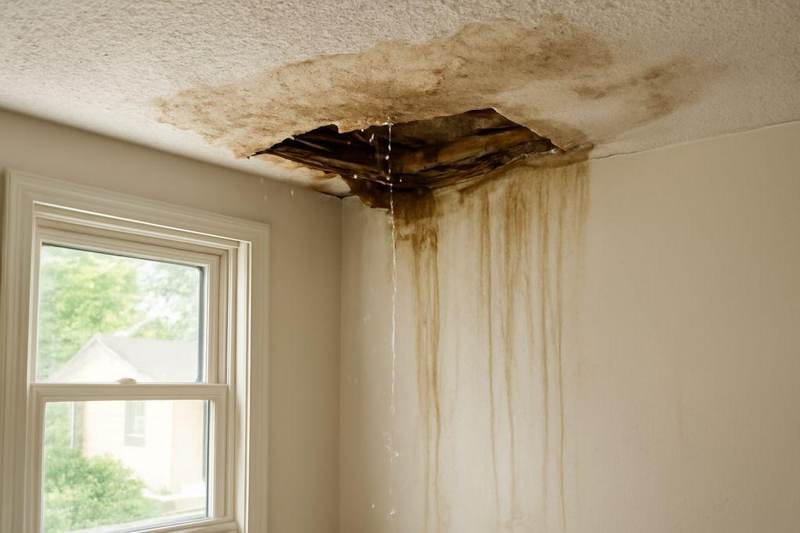
AC Leaking Water in Your Texas Home: 7 Causes, What to Do Now, and How to Stop the Damage (2026)
Read the guide →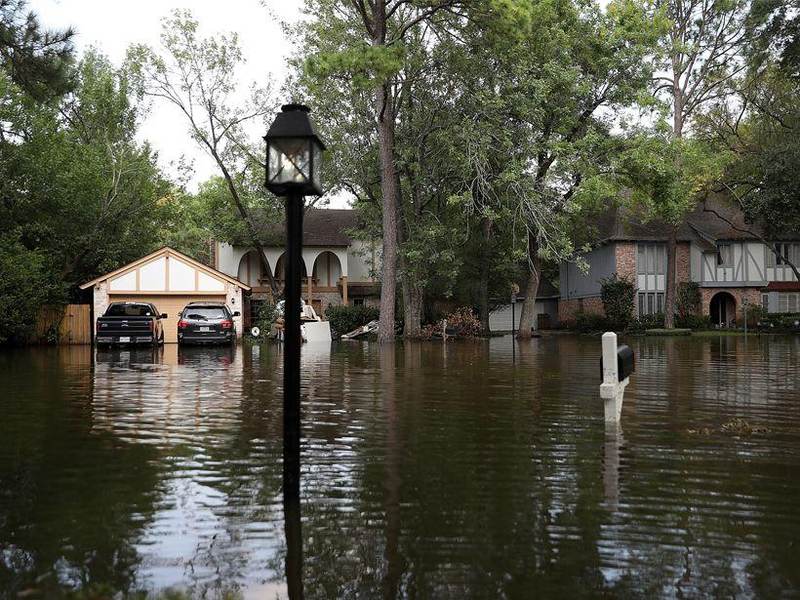
Hurricane Water Damage on the Texas Coast: Storm Surge Cleanup, Salt Water Recovery, and Rebuilding (2026)
Read the guide →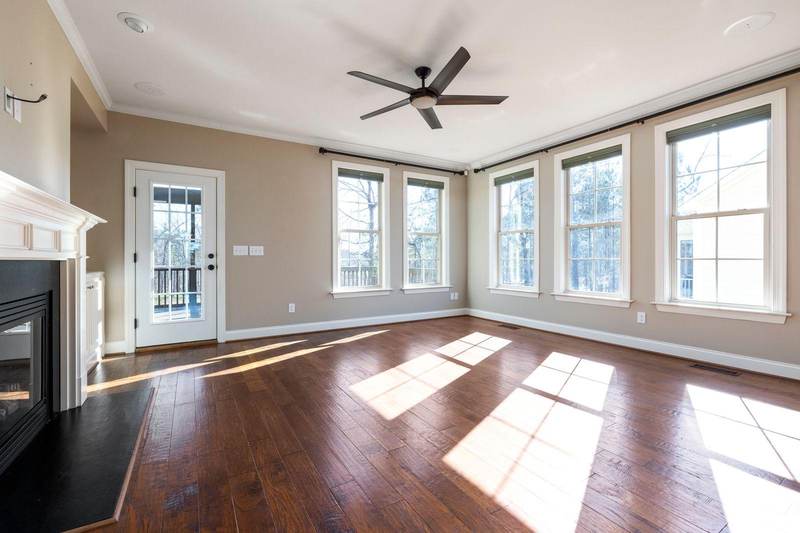
Hardwood Floor Water Damage: Save Cupped Floors or Replace? Texas Drying Guide (2026)
Read the guide →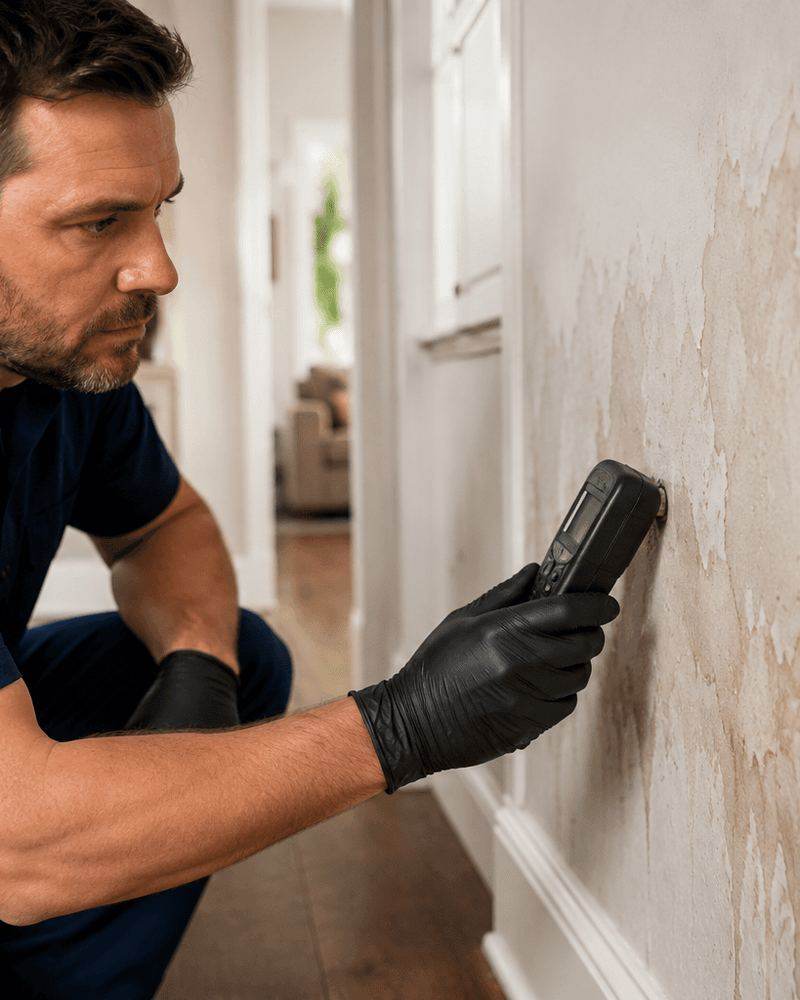
Drywall Water Damage: When to Dry It in Place and When to Replace It
Read the guide →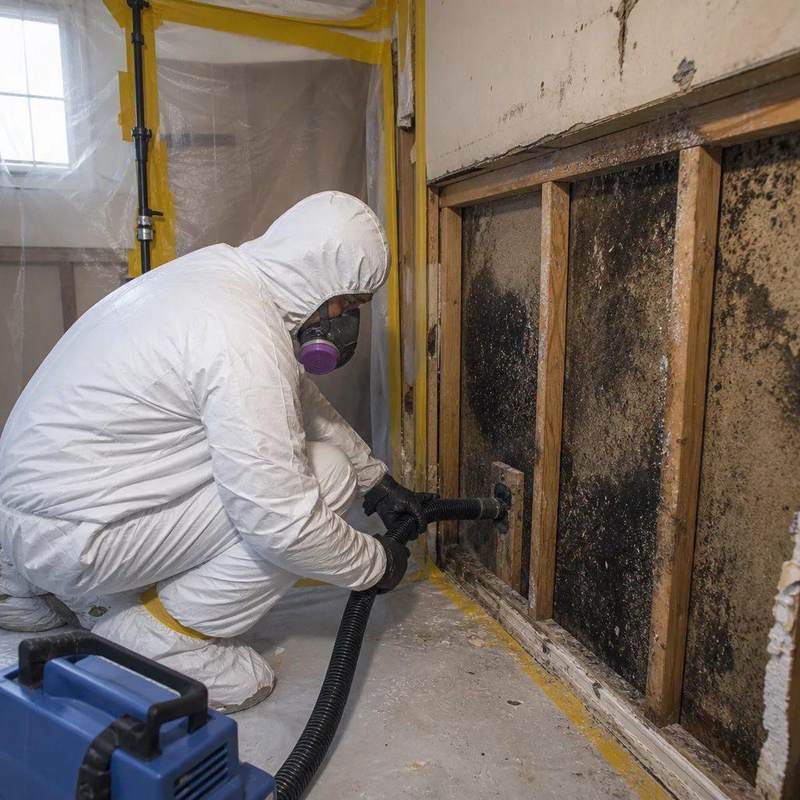
Mold Remediation Timeline in Texas: How Long Each Step Takes From Inspection to Clearance (2026)
Read the guide →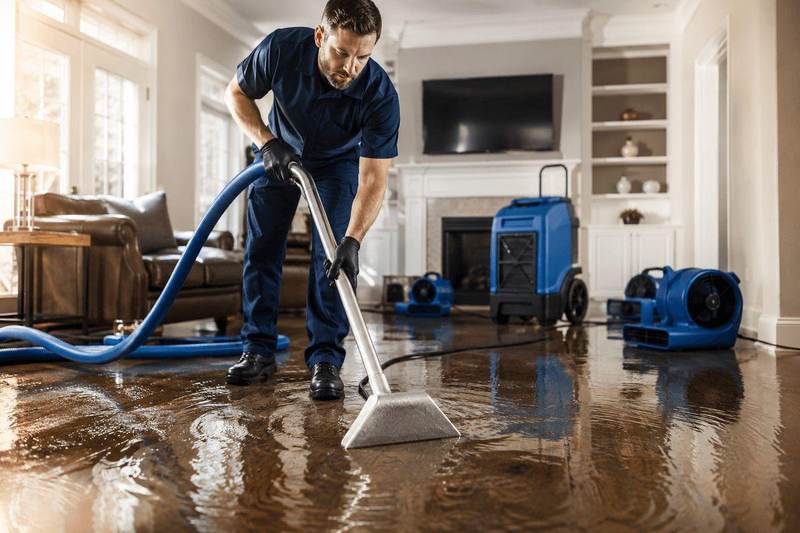
Water Damage Restoration Cost in Texas 2026 Price Ranges by Category
Read the guide →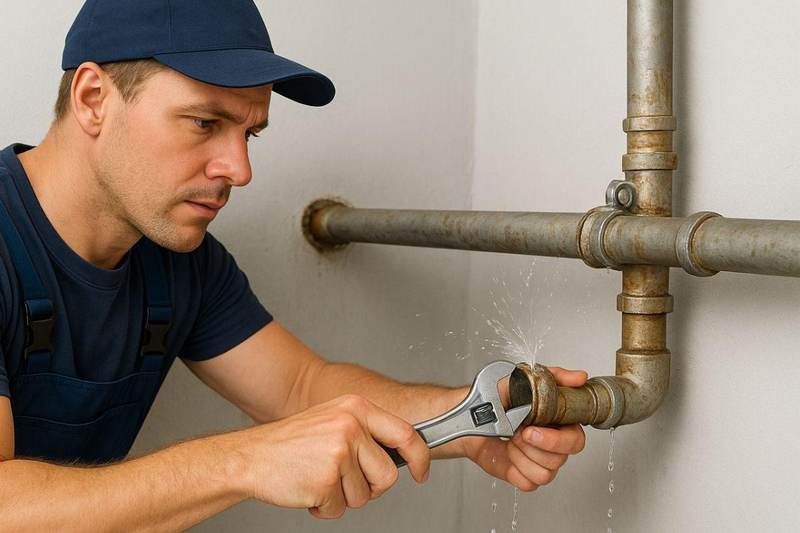
Slab Leak in Dallas-Fort Worth Signs, Detection and Damage Prevention (2026)
Read the guide →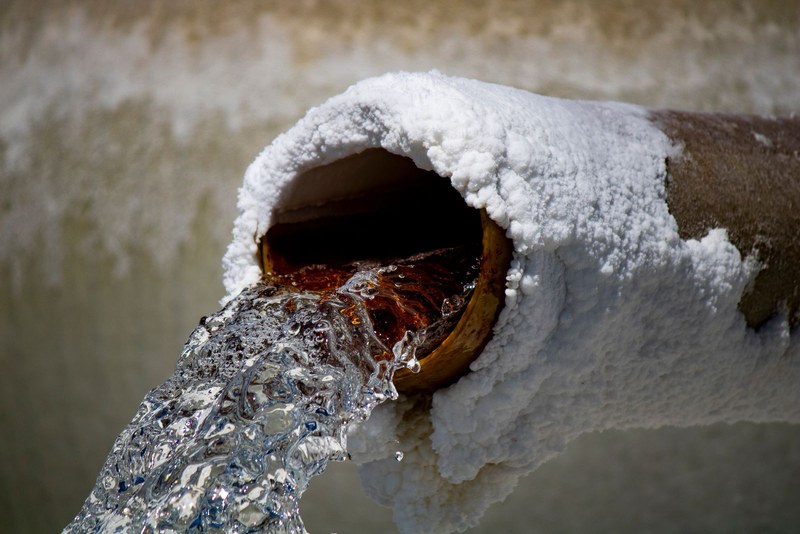
Texas Winter Storm Frozen and Burst Pipes: Prevention, Response and Water Damage Guide (2026)
Read the guide →
Texas Hail Damage Roof Leaks: How Storms Break Your Roof and What to Do Next (2026)
Read the guide →
Austin Flooding: Flash Flood Warnings and Home Cleanup Guide
Read the guide →