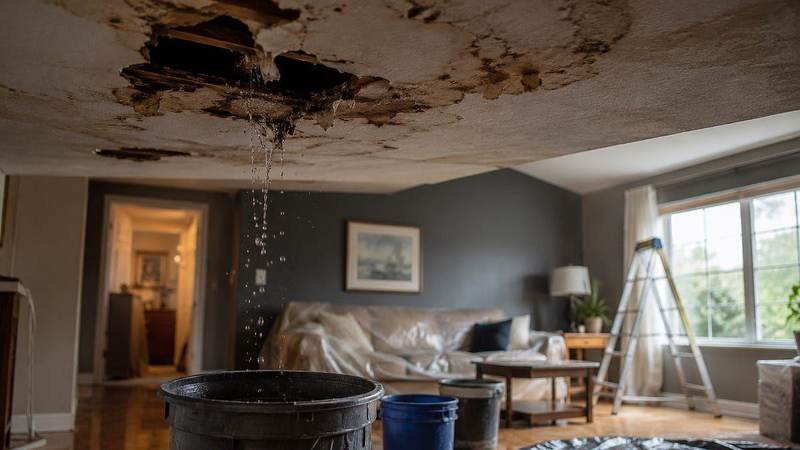
Sewer Backup in Your Texas Home: What to Do, What It Takes to Clean, and Who Pays
If sewage is coming up through a tub, shower, toilet or floor drain, stop using every drain in the house right now. Keep kids and pets away, don't try to mop it with bleach, take photos, and get a plumber to clear the line. Sewage is the dirtiest kind of water damage. Anything soft it touched usually has to come out, and everything else needs real disinfection before drying.
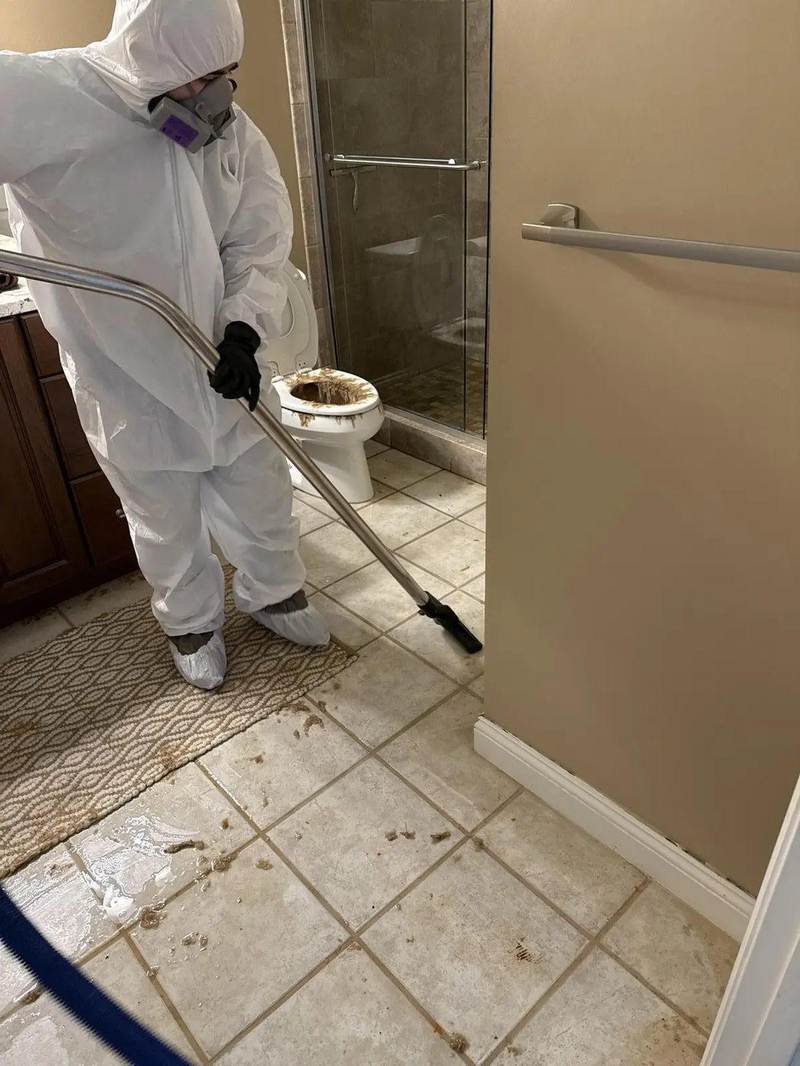
The First 30 Minutes
- Stop using water. No flushing, showers, laundry or dishwasher. Every gallon you send down comes back up.
- Get people and pets out of the affected rooms.
- Turn off the HVAC if the return is near the wet area, so it doesn't spread smell and contamination.
- Photograph everything: the drain it came from, the water level, belongings.
- Call a plumber to clear the line and find the cause.
- Call for sewage cleanup. See .
What Not to Do
- Don't mop it and call it done. Bleach on the surface doesn't reach what's soaked into pad, drywall and subfloor.
- Don't run fans before the sewage is removed; they spread it.
- Don't keep the rug, the carpet pad or anything soft that sat in it.
- Don't walk it through the rest of the house on your shoes.
Why Sewer Lines Back Up in Texas Homes
| Cause | Common where | What you notice first |
|---|---|---|
| Tree roots in older cast iron or clay lines | Established neighborhoods | Slow drains, gurgling, then a backup |
| Cracked or sagging line from clay soil movement | Most of Texas | Repeat backups in the same spot |
| Grease, wipes and paper towels | Any home | One fixture backs up, then others |
| City main overloaded in heavy rain | Low areas | Backup during or right after a storm |
| Septic system with a soaked drain field | Rural lots | Slow drains after days of rain |
If you're on septic, see the septic section in our guide.
What Sewage Cleanup Actually Involves
- Remove standing sewage
- Remove porous materials it touched: carpet, pad, lower drywall, insulation, often baseboards
- Clean and disinfect the slab or subfloor, framing and hard surfaces
- Dry with dehumidifiers and air movers until readings are normal
- Check for hidden spread under flooring and into wall cavities
Sewage is Category 3 water under the IICRC S500 standard, which is why the removal list is longer than for a clean pipe leak.
Can You Clean a Sewer Backup Yourself?
A small toilet overflow on tile, cleaned right away with gloves and a real disinfectant, is often a homeowner job. Sewage that reached carpet, drywall, cabinets or more than one room, or that sat for hours, is not. The risk isn't just the mess; it's what you can't see soaked into materials.
Is Sewer Backup Covered by Insurance in Texas?
General information only, not insurance advice.
- Standard Texas homeowners policies usually exclude sewer and drain backup unless you added a water backup endorsement. Look on your declarations page for "water backup" or "sewer and drain."
- The endorsement has to be added before it happens. It can't be added after a backup.
- If the city's sewer main caused it, not your own line, there may be a separate claim path with the utility. Ask your agent and keep every photo and the plumber's report.
- Flood policies generally cover backups only when caused by a flood event. Check your policy.
Cleanup can't wait on the coverage answer; contamination keeps spreading. See .
How to Stop It Happening Again
- Have older cast iron or clay sewer lines camera-inspected
- Ask a plumber about a backwater valve if backups repeat in storms
- Keep wipes, grease and paper towels out of drains
- Know where your sewer cleanout is
- Ask your agent about a water backup endorsement
Texas Sewer Backup FAQs
Why is sewage coming up in my bathtub?
The tub is usually the lowest drain, so it's where a blocked main line shows up first.
Is a sewer backup dangerous?
Yes. Sewage carries bacteria and viruses. Keep people and pets away and wear gloves and boots if you must go near it.
Does homeowners insurance cover sewer backup in Texas?
Usually only if you have a water backup endorsement. Check your declarations page.
Who pays if the city sewer caused the backup?
It depends on the cause and your policy. There may be a claim path with the utility; talk to your agent.
Can carpet be saved after a sewage backup?
Usually not. Carpet and pad that touched sewage are typically removed.
How long does sewage cleanup take?
Often 3 to 5 days including drying, longer if it spread under flooring or into walls.
Sewage in Your Texas Home? Call (469) 548-7594
Stop using water, keep everyone away, and call. Texas Water Damage Solutions removes, disinfects and dries it, with photos and records for your insurer.
Sources: EPA: Flood cleanup and health · IICRC S500 water damage standard · CDC: Clean up safely after a disaster