
Water Damage Restoration in Anahuac, TX 77514
Chambers County Coastal Flooding, Storm Surge & Plumbing Failures
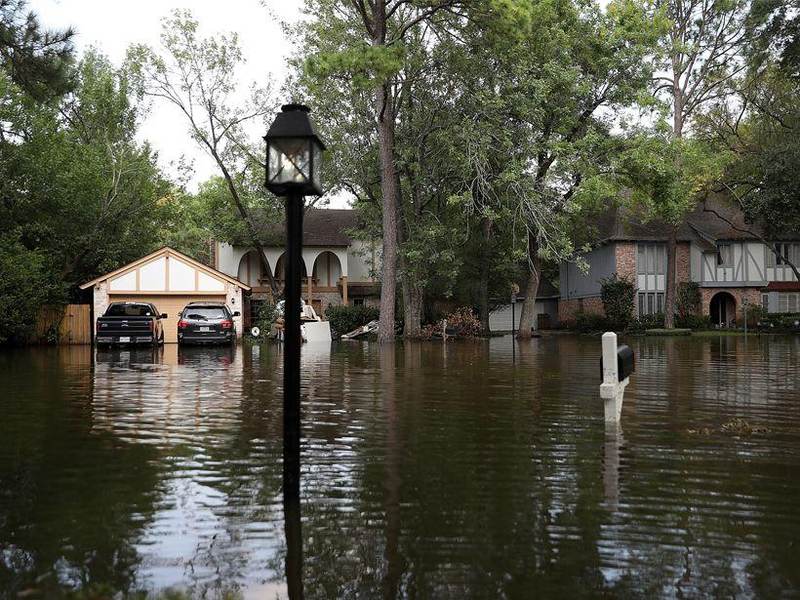
Anahuac sits on the northwest shore of Trinity Bay where the Trinity River empties into Galveston Bay the lowest elevation and the last stop before open water. When Tropical Storm Imelda stalled over Chambers County in September 2019 and dropped approximately 36 inches of rain in 48 hours, Anahuac flooded to depths that forced boat rescues on streets that are normally bone dry. Texas Water Damage Solutions provides 24/7 water damage restoration in Anahuac, TX 77514 for raised homes, slab-on-grade houses, mobile homes and commercial properties.
Anahuac Water Damage at a Glance
| Detail | What to Know |
|---|---|
| ZIP code | 77514 |
| County | Chambers County |
| Elevation | Near sea level Trinity Bay shoreline |
| Property types | Raised homes on piers, slab-on-grade homes, mobile/manufactured homes, ranch properties, commercial buildings |
| Major flood events | Tropical Storm Imelda (Sept 2019, ~36 inches), Hurricane Ike (Sept 2008, storm surge), Hurricane Harvey (Aug 2017) |
| Insurance landscape | TWIA coastal wind policies, separate NFIP flood policies, standard homeowners for plumbing |
| Common causes | Hurricane/tropical storm flooding, Trinity Bay storm surge, Trinity River overflow, plumbing failures, roof leaks from wind damage |
| Emergency response | 24/7/365 call (469) 548-7594 |
Emergency Water Damage Services in Anahuac, TX
Texas Water Damage Solutions provides emergency water damage restoration in Anahuac, TX 77514 and across Chambers County. Here is what a call covers:
Extract floodwater
Emergency water extraction gets standing water out fast, as soon as roads are open.
Clean and disinfect
Contaminated water and everything it touched are cleaned and disinfected before drying starts.
Dry the structure
Structural drying of walls, floors, and cavities to verified moisture readings.
Document the loss
Photos, moisture logs, and a written scope for your insurer, with wind and flood damage recorded separately.
Storm and roof leak damage
Wind-lifted shingles, roof openings, and rain driven into the attic are dried and documented.
Mold remediation
For houses that stayed wet too long, mold is removed under containment and the moisture source is dried.
Anahuac Gets Hit From Three Directions
Most Texas towns face one or two water damage threats. Anahuac faces three simultaneously during every tropical system, and each one requires a different restoration approach.
Rain Flooding Imelda, Harvey and the Stalling Gulf Systems
Tropical Storm Imelda (September 2019) was not a hurricane. It was a slow-moving tropical depression that stalled over Chambers County and dumped approximately 36 inches of rain in two days. Streets that had never flooded were underwater. The Trinity River backed up, bayous overflowed their banks and drainage ditches ran full for days.
Rainwater flooding in Anahuac is different from plumbing failures in every way that matters for restoration:
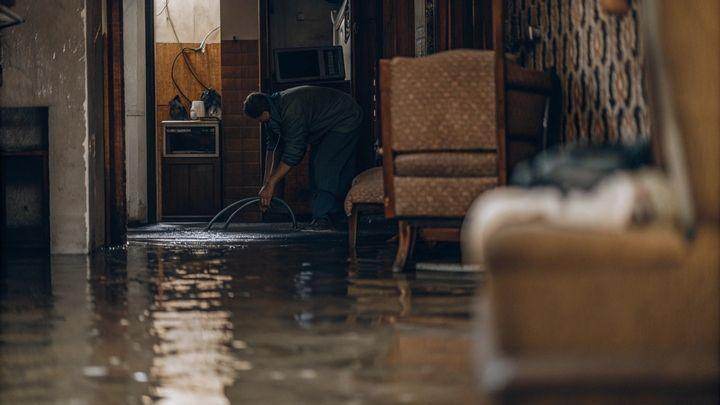
All rainwater that enters from outside is contaminated. Under IICRC S500 standards, flood water is Category 3 it contains soil, sewage from overwhelmed systems, agricultural chemicals from surrounding rice fields and ranch land, petroleum from roads and fuel tanks, and biological contaminants from animal waste.
Every porous material below the flood line is removed. Carpet, carpet pad, insulation, lower drywall (cut 12 to 24 inches above the visible water mark to capture wicking), upholstered furniture, mattresses and particleboard are disposal items after flood water contact.
The structure that remains is cleaned with EPA-registered antimicrobial products, dried to verified moisture levels with commercial LGR dehumidifiers and HEPA-filtered air scrubbers, and documented for insurance and FEMA claims.
Storm Surge Hurricane Ike and Trinity Bay
Hurricane Ike made landfall at Galveston in September 2008 and pushed a storm surge up Trinity Bay that flooded low-lying areas of Anahuac from the water side. Storm surge is saltwater mixed with bay mud, debris, fuel and sewage more corrosive and more contaminated than freshwater flooding.
Saltwater surge corrodes metal fasteners, electrical components, HVAC systems and plumbing fittings. Restoration after surge includes:
- Freshwater rinsing of all structural surfaces to remove salt residue before drying
- Replacement of corroded electrical outlets, switches and wiring contacts
- HVAC system inspection and cleaning salt and mud in ductwork and the air handler must be removed before the system operates
- Structural drying with extended equipment run times to account for salt's hygroscopic properties (salt absorbs moisture from the air, slowing drying)
Trinity River Overflow
The Trinity River's mouth is at Trinity Bay, directly adjacent to Anahuac. When heavy rain upstream anywhere from Dallas through the Piney Woods sends a pulse down the river, the water arrives at Anahuac days later and rises from the back side, flooding low lots along the river and its distributaries.
River flood water is Category 3 contaminated and carries heavy silt loads from hundreds of miles of watershed. The silt deposits in wall cavities, under flooring and inside HVAC ductwork, and must be physically removed before drying begins. Silt left in place holds moisture indefinitely and provides a growth medium for mold.
Three Property Types, Three Restoration Approaches
Raised homes on piers. Many Anahuac homes are elevated on piers or pilings specifically because of flood risk. When water rises to the living level, the damage is catastrophic because the owner has already exhausted the elevation buffer. Restoration starts after waters recede: the crawl space below must be pumped, cleaned of debris and dried before the living space above is addressed. Raised homes have the advantage of accessible floor systems insulation, ductwork and plumbing under the floor can be inspected and replaced without demolishing flooring above.
Slab-on-grade homes. Water enters through door thresholds, weep holes, garage doors and any opening at grade. The slab holds moisture long after standing water is extracted, and the concrete emits moisture vapor that sustains elevated humidity in the structure for weeks. Drying a slab-on-grade home after flooding requires LGR dehumidifiers rated at 130 to 200 pints per day running continuously, with moisture readings taken at the slab surface using calcium chloride testing or pin-type meters in the materials above.
Mobile and manufactured homes. Flood water under a mobile home lifts skirting, enters through the floor and soaks the belly insulation (the fiberglass blanket under the floor frame). Belly insulation that contacts flood water is a disposal item it cannot be dried in place and will harbor mold colonies within days. The subfloor typically particleboard in older manufactured homes swells when wet and may need replacement. Newer manufactured homes with OSB subflooring fare slightly better but still require verified drying before any flooring is reinstalled.
Insurance in a Coastal County TWIA, NFIP and Standard Policies
Anahuac property owners typically carry three separate insurance products, and each one covers a different cause of loss:
TWIA (Texas Windstorm Insurance Association). Chambers County is in the TWIA-eligible zone. TWIA covers wind and hail damage to the structure a roof torn by hurricane winds, siding ripped off by straight-line wind, windows broken by windborne debris. TWIA does not cover water damage from flooding. Properties must have a current WPI-8 windstorm inspection certificate to qualify.
NFIP (National Flood Insurance Program). Flood water rising from outside Trinity Bay surge, Trinity River overflow, rainwater flooding above grade requires a separate flood policy. Standard homeowners policies exclude rising water. Anahuac property owners in FEMA-designated flood zones are required to carry flood insurance if they have a federally backed mortgage.
Standard homeowners policy. Covers sudden plumbing failures, appliance leaks, water heater bursts and burst pipes from freezing. Does not cover wind (TWIA handles that) or flood (NFIP handles that).
Documentation matters because the cause of loss determines which policy responds. A roof torn by wind that admits rain is a TWIA claim. The same storm's rising floodwater is an NFIP claim. A burst pipe inside the house is a homeowners claim. We document the cause, the entry point, the affected materials and the daily drying progress for whichever carrier is responsible.

What Anahuac Homeowners Ask When the Water Keeps Rising
Yes. Elevating a home reduces flood risk and can lower your NFIP premium, but it does not eliminate the possibility of flooding. Tropical Storm Imelda dropped approximately 36 inches of rain water rose above the elevation certificates of homes that were raised after Hurricane Ike. Carry the policy. If water does enter despite the elevation, the flood restoration process is the same: Category 3 contaminated water cleanup with full removal of contacted porous materials, antimicrobial treatment of remaining surfaces, and verified structural drying.
Concrete slabs at near-sea-level elevation stay damp longer than slabs on higher ground because the water table is shallow and the surrounding soil holds moisture. However, weeks of damp readings on the slab surface indicate either incomplete drying or ongoing moisture intrusion. A moisture assessment using calcium chloride testing determines whether the slab is emitting moisture vapor from below (a groundwater issue requiring vapor barriers) or whether the structure above the slab still holds trapped moisture that needs continued drying.
No. Belly insulation (the fiberglass blanket under the floor frame) that has contacted flood water is saturated with Category 3 contaminants and cannot be dried or cleaned in place. It must be removed entirely, the underside of the subfloor and floor joists cleaned and treated with antimicrobials, and the structure dried before new insulation is installed. The belly board (the fabric or sheeting that holds the insulation in place) is replaced at the same time. This is not a repair it is a removal and replacement.
Water damage restoration itself does not void a WPI-8 windstorm inspection certificate. However, if the restoration involves removing and replacing roof decking, wall sheathing, exterior cladding or window systems, the replacement must meet current Texas Department of Insurance windstorm building code standards (TDI WPI-1 through WPI-7 requirements) for the certificate to remain valid. Notify your WPI-8 inspector after any structural repairs to confirm compliance. We document all structural work performed during restoration to support the re-inspection.
Before June 1: verify your NFIP flood policy is active (there is a 30-day waiting period for new policies), confirm your TWIA wind policy is current with an unexpired WPI-8 certificate, photograph your property and contents for pre-loss documentation, know where your water main shutoff and electrical panel are located, store important documents above expected flood levels, and save this number: (469) 548-7594. If water enters during a storm, call immediately after it is safe to do so the first 48 hours after flooding determine whether mold colonization adds thousands to the restoration cost.
Service Areas Near Anahuac, TX
We serve Anahuac, TX 77514 and Chambers County. Our crews reach Anahuac via I-10 east from Houston and SH 61.
Nearby communities we serve:

For a complete list of Texas cities we serve, visit our Areas We Serve page.
The Next Storm Is Coming Get the Water Out Before Mold Takes Over
Anahuac knows what rising water looks like. Whether it came from Trinity Bay, the Trinity River, 36 inches of tropical rain or a burst pipe under the kitchen sink, the restoration clock starts the moment water enters the structure. Texas Water Damage Solutions provides contaminated-water cleanup, structural drying and full documentation for every property type in Chambers County. Call now.
Get Help in Anahuac
Tell us what you are dealing with. For immediate help, call us.