
Water Damage Restoration in Wilmer, TX
Wilmer sits on I-45 about 14 miles south of downtown Dallas, and it has two very different kinds of property. There are the older homes in the original town near Belt Line Road and Goode Road, and there are the newer houses going up on the edges of town. Both get water damage, just for different reasons.
This page shows what that work looks like in Wilmer, from aging pipes in the old town to storm runoff on the flat ground near the Trinity River bottomland. Call (469) 548-7594 any time, day or night.
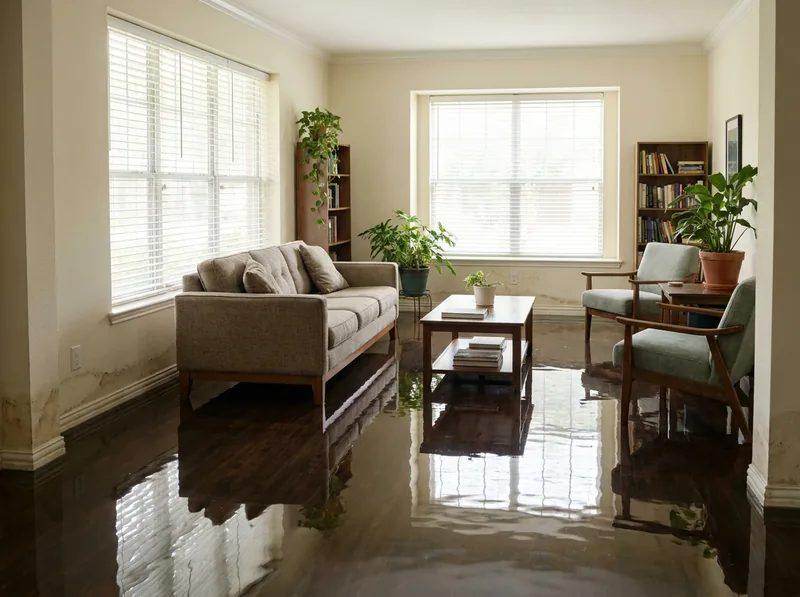
Need emergency water damage help in Wilmer?
If water is still entering the property, focus on safety first. Stop the source if you can do so safely, keep away from electrical hazards, and call to discuss the situation and next steps.
Get Help in Wilmer
Tell us what you are dealing with. For immediate help, call us.
Water damage restoration in Wilmer, TX 75172 means stopping the water, pulling out what is standing, mapping moisture through walls and floors, and drying to a measured reading before anything is rebuilt. Crews answer around the clock. The work runs in order: extraction, moisture mapping, structural drying with daily readings, cleaning, and rebuild matched to what was there before.
Key Facts: Wilmer, Dallas County
Wilmer is a small city in southern Dallas County, on I-45 about 14 miles south of downtown Dallas. The whole city uses one ZIP code, 75172. Hutchins sits just north of Wilmer on the same highway, and Lancaster sits to the west.
The original town grew up around Belt Line Road and Goode Road. Those streets still hold the oldest homes in Wilmer. Newer houses are going up on the edges of town, where open land is turning into subdivisions. Wilmer has also grown into a logistics hub along I-45, with warehouses and service buildings beside the highway.
The Trinity River bottomland lies to the east. The ground there is flat, and heavy rain runs off slowly. That flat ground is the reason storm water in Wilmer spreads wide instead of running away fast.
Why Do Wilmer Homes Flood After Heavy Rain?
Wilmer homes flood after heavy rain because the ground is flat and the Trinity River bottomland sits close by. Heavy rain has nowhere fast to go, so water pools on low lots and pushes under doors and into garages. Homes near the bottomland and on the lowest streets take water first.
Southern Dallas County gets the same spring hail and straight-line wind as the rest of the metro. Hail opens roofs, and the water shows up inside days later as a ceiling stain. In a hard freeze, pipes in outside walls and unheated spaces split. A freeze break often sits behind a wall, so the first sign is water on the floor in the next room.
Emergency Water Damage in Wilmer
Call first. Water does not wait for office hours, and neither does the damage. A crew answers around the clock and heads out with extractors, meters, and drying gear. The first job is to stop the water. Then the standing water comes out.
Emergency work in Wilmer splits two ways. In the old town near Belt Line Road, the call is usually a burst pipe or a water heater that gave out in an older home. Along I-45, the call is often a warehouse or shop with water across a concrete floor and stock sitting in it. Both get the same response, day or night.
When you call, say the address, whether water is still coming in, and what kind of water it is, if you know. Clean water from a supply line is one job. Sewage water is another. The crew brings the right gear for the water you describe. Emergency water damage help starts with that one call, and water extraction is the first step on site.
Flood Cleanup in Wilmer
Runoff water is not clean water. It carries soil, road grime, and bacteria. Anything soft that it touches comes out. Carpet pad, wet drywall low on the wall, and soaked insulation do not get dried in place. They get removed, bagged, and taken away.
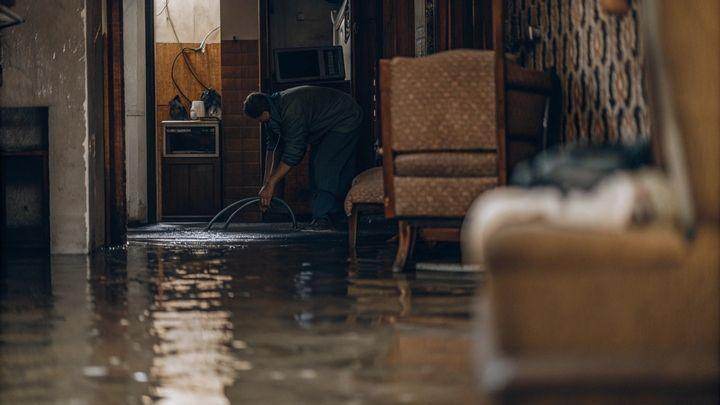
Heavy rain on the flat ground near the Trinity River bottomland can push water under doors and into garages. The water comes in low and spreads wide. It runs under the floor and wicks up the drywall. By the time a homeowner sees it, the water has often reached two rooms.
After the water is out, the crew washes the hard surfaces, treats them, and sets drying gear. Moisture readings are taken every day until the numbers hold steady. A flood job is done when the meter says so, not when the floor looks dry. Flood damage restoration covers the full job, from extraction to the last reading.
Burst Pipe Repair in Wilmer
Older plumbing in Wilmer's original neighborhoods fails without much warning, especially after a hard freeze. Supply lines age, fittings corrode, and old water heaters give out. A slow leak under a toilet or tub can rot the subfloor before anyone sees water. A soft floor near the bathroom is often the first sign.
Freeze breaks are the other cause. Pipes in outside walls and unheated spaces split when a hard freeze hits. Shut the water off at the main valve first. Then call. A supply-line leak can put out gallons a minute, and drywall drinks it fast.
Newer homes on the edge of town have their own weak spots. Washer hoses, ice-maker lines, and attic AC drains are the usual calls there. A leak upstairs runs down through the ceiling below. A ceiling stain under a bath is worth checking the same day, not next week.
We find the break, pull the water, and dry every wall and floor it reached. Burst pipe water damage work includes the drying, not just the pipe fix. The plumber fixes the pipe. We dry the house.
Older Wilmer Homes vs. Newer Builds
| Older homes near Belt Line and Goode Road | Newer homes on the edge of town | |
|---|---|---|
| Common leak | Aging supply lines, corroded fittings, old water heaters | Washer hoses, ice-maker lines, attic AC drains |
| Floors | Often pier-and-beam or older slab | Slab with vinyl plank or carpet |
| What to watch | Soft floors, musty smell, rising water bill | Ceiling stains, warped flooring near appliances |
| How we dry it | Crawl space and subfloor drying | Wall cavity and slab drying |
Clean, Gray or Black Water? What It Means for a Wilmer Home
The type of water decides how much has to come out.
| Type | Common Wilmer example | What we do |
|---|---|---|
| Clean (Category 1) | Burst supply line in an older home near Belt Line Road | Extract and dry in place where possible |
| Gray (Category 2) | Washing machine or dishwasher overflow | Extract, sanitize, and usually replace carpet pad |
| Black (Category 3) | Sewer backup or runoff from heavy rain on low ground | Remove soaked porous materials, disinfect, then dry |
Clean water that sits for a day or two can turn gray, so the sooner it comes out, the more can be saved.
Mold Remediation in Wilmer
Mold starts fast. Wet wood and drywall can grow mold within 24 to 48 hours. That is why drying starts the same day, not next week. A home that stays wet over a weekend is a different job from a home that gets dried the same night.
The signs are plain. A musty smell in one room. Dark spots along a baseboard. Paint that bubbles on a wall that was wet last month. In Wilmer, mold often follows a slow leak under a tub in an older home near Goode Road, or a slab leak that no one saw for weeks.
Wet drywall usually comes out. Drywall wet for more than 48 hours is not worth saving. We cut it back to dry material, clean the studs, and dry the cavity with air movers. Then we check the reading before anything goes back. Mold remediation is not a spray and a promise. It is removal, cleaning, and drying to a number.
Storm and Roof Leak Damage in Wilmer
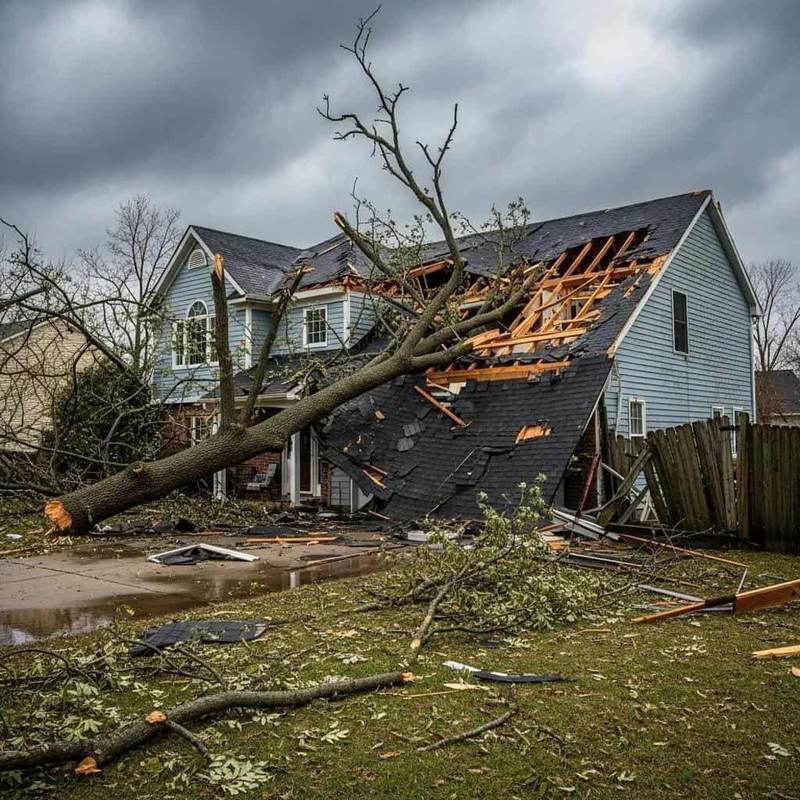
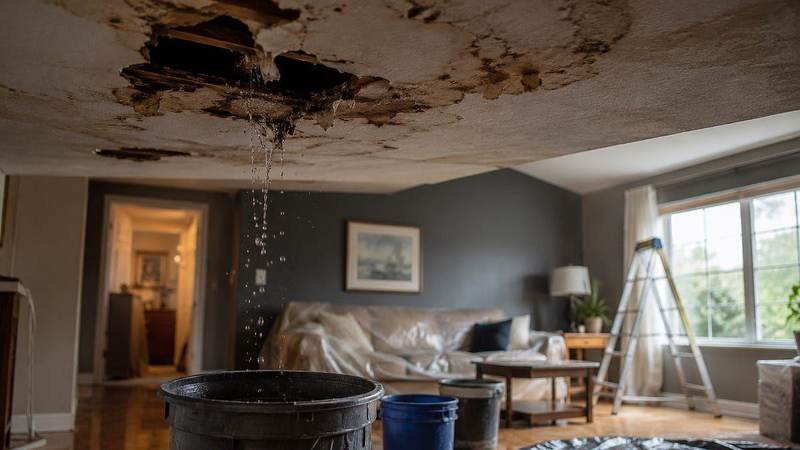
Southern Dallas County gets the same spring hail and straight-line wind as the rest of the metro. Hail finds every seam in a roof. The first sign is a stained ceiling tile, sometimes days later. A fallen limb can open a roof in one night, and the rain that follows soaks the attic and the rooms below.
When the roof is open, the crew covers it, pulls the water from the attic and the rooms below, and dries the framing. Storm water damage work and roof leak water damage work both start the same way: stop the water coming in, then dry what it reached.
Sewage Cleanup in Wilmer
Sewage water is Category 3 water. That means it carries bacteria and must be removed, not dried in place. Do not walk through it. Do not run a household vacuum on it. Keep kids and pets out of the room.
Backups happen in older homes and in rentals where drains have not been cleared in years. A heavy rain can push a line back into a low home, too. The signs are plain: a toilet that gurgles when the washer runs, or water that comes up in a shower when a toilet flushes.
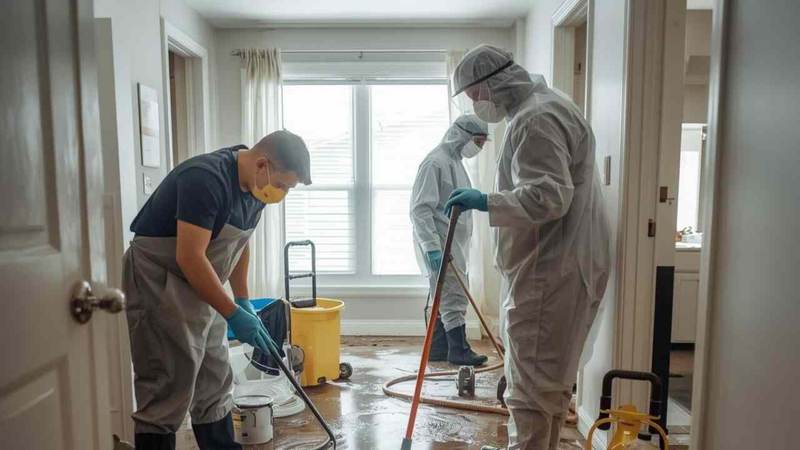
The crew removes the water, takes out soaked porous material, washes and disinfects the hard surfaces, and dries what is left. Anything soft that touched sewage water gets thrown out. That includes carpet pad, rugs, and soft furniture that sat in it. Sewage cleanup ends with a dry, disinfected room and a written record of what was removed.
Structural Drying in Wilmer
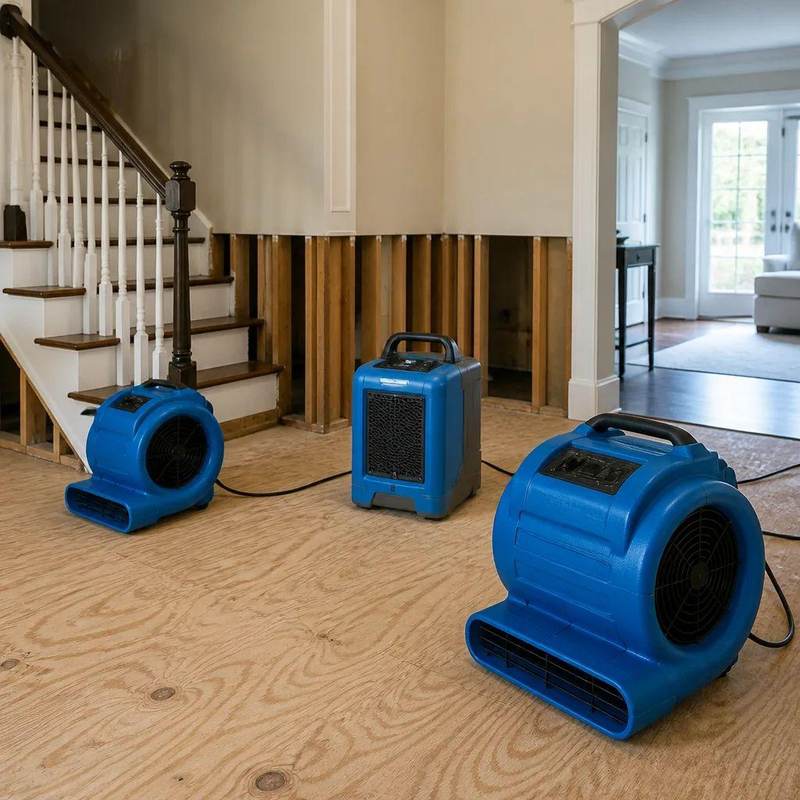
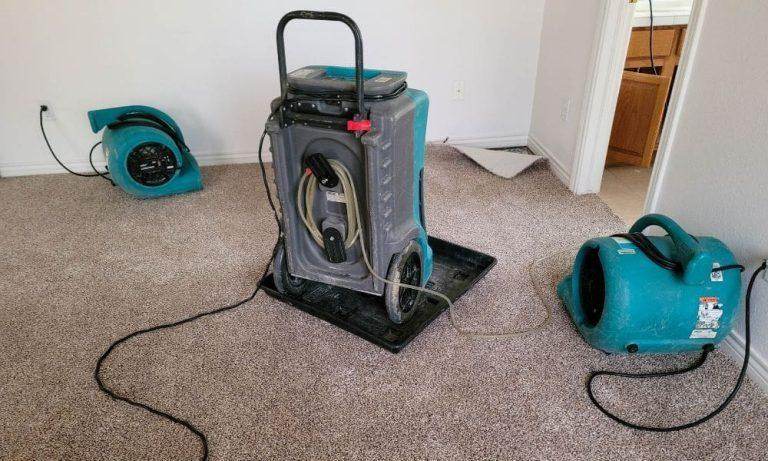
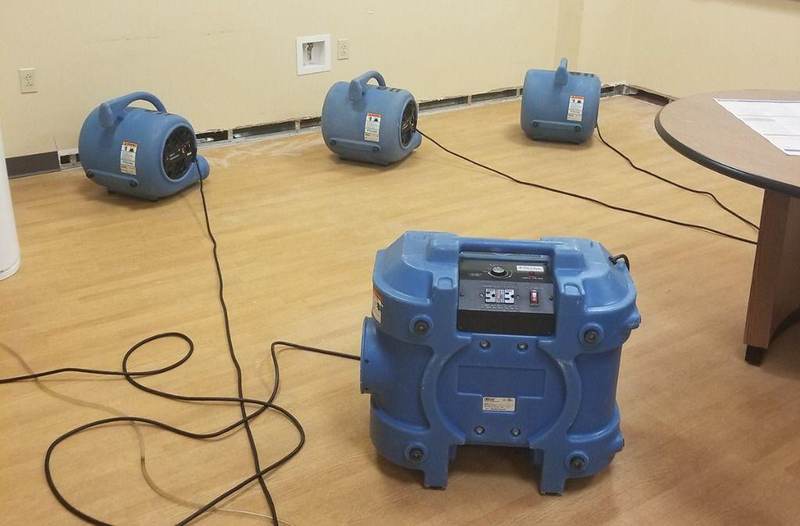
Drying is a measured job. Air movers push dry air across wet surfaces. Dehumidifiers pull the moisture out of the air. Moisture meters check the wood, the drywall, and the slab every day. The numbers decide when the gear comes out.
Older Wilmer homes often sit on pier-and-beam or an older slab. A leak under a pier-and-beam home soaks the subfloor and the crawl space. That space has to be dried too, or the floor keeps reading wet and the smell stays. Newer slab homes dry differently. Water under vinyl plank runs along the slab and hides. The crew lifts baseboards, drills small holes low on the wall, and pushes air into the cavity.
| Material | What usually happens | Typical drying time |
|---|---|---|
| Carpet and pad | Pad often comes out, carpet lifts and dries | Often 3 to 5 days |
| Drywall | Cut back to dry material if soaked past 48 hours | Often 3 to 5 days |
| Subfloor and crawl space | Dried with air movers under the floor | Often 5 to 7 days |
| Concrete slab | Dried with air movers and dehumidifiers | Often 3 to 5 days |
Those times are typical, not promises. The readings decide. A room that reads dry on day three is done. A room that still reads wet on day five keeps the gear. Structural drying follows the IICRC S500 drying standard as its framework.
What Drives What You Pay in Wilmer
What you pay depends on how much water there is, how far it spread, and how long it sat. A clean supply-line leak found the same day is far less work than a slow leak that soaked a crawl space for weeks. The type of water matters too. Sewage water means more material comes out.
We give a written figure after we see the job. No figure is given sight unseen. With insurance, you usually pay your deductible. Photos and moisture readings go into the record your insurer sees.
What We Do First When We Arrive
We stop the water at the source or show you where the shut-off is. We pull out standing water with truck-mounted extractors. We check every room with a moisture meter, not just the wet one.
We lift baseboards and open wet walls so air can reach the cavity. We set air movers and dehumidifiers, then take readings every day until the numbers hold.
Photos and readings go into a written record. Your insurer and your landlord can use the same record. Nothing is rebuilt until the structure reads dry.
Commercial Water Damage in Wilmer
Wilmer has grown into a logistics hub along I-45. Offices, shops, and service buildings get the same 24/7 response, scheduled around getting back open. A warehouse floor dries differently from a living room. The crew works in sections so part of the building can keep running while the wet section dries.
Water across a concrete floor looks small, but it wicks into drywall and under racking. Stock that sat in water gets documented before it moves, so the record is clear for the insurer. Commercial water damage work in Wilmer covers warehouses, shops, and offices along the I-45 corridor.
Questions Wilmer Homeowners Ask Us
Often. A slow leak under a toilet or tub can rot the subfloor. In Wilmer, the older homes near Belt Line Road see this most. Have it checked before it spreads.
Usually, when the break is sudden. Slow leaks over time often are not covered. Take photos, keep the readings, and call your carrier for a claim number.
Yes. We document everything for the property owner and their insurer. Tell your landlord right away. We can work directly with the owner and their insurer.
Usually three to five days for clean water, longer for crawl spaces. The moisture readings decide, not the calendar.
Within 24 to 48 hours on wet wood and drywall. That is why drying starts the same day, not next week.
Yes. Wilmer has grown into a logistics hub along I-45. We dry warehouses, shops, and offices, and we work in sections so part of the building can keep running.
Low ground near the bottomland takes water first in heavy rain. Water comes in low, spreads wide, and wicks up the drywall. Keep gutters clear, watch the floor drains, and call fast when water comes in. The sooner it comes out, the more can be saved.
Related Service Areas
More Texas communities we serve:
Water in Your Wilmer Home? Call Now
The sooner water comes out, the more of your property stays. Call (469) 548-7594 and a crew is dispatched immediately.
Emergency water damage help • Water extraction • Structural drying • Water cleanup • Flood damage restoration • Sewage cleanup • Burst pipe water damage services • Storm water damage services • Roof leak water damage services • Commercial water damage services • Mold remediation
Tell us your location, property type, and what happened. We can discuss the situation and current service availability.