
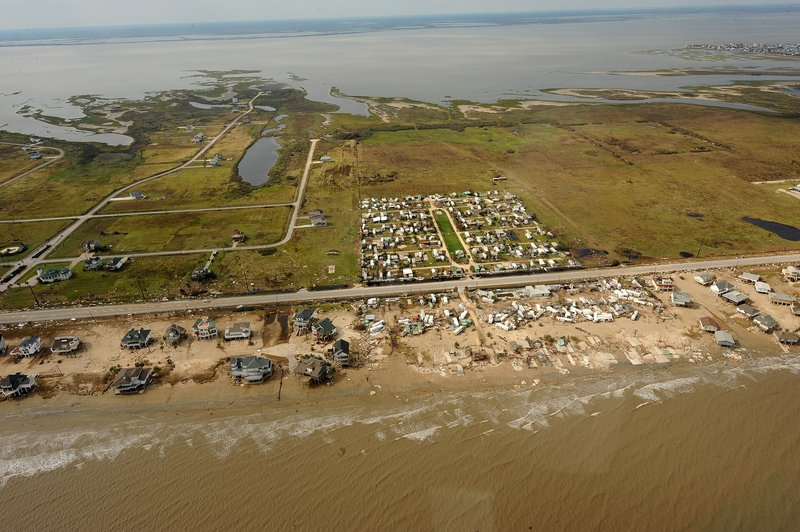
Hurricane and Storm Damage Restoration
See storm water damage and our hurricane water damage guide.
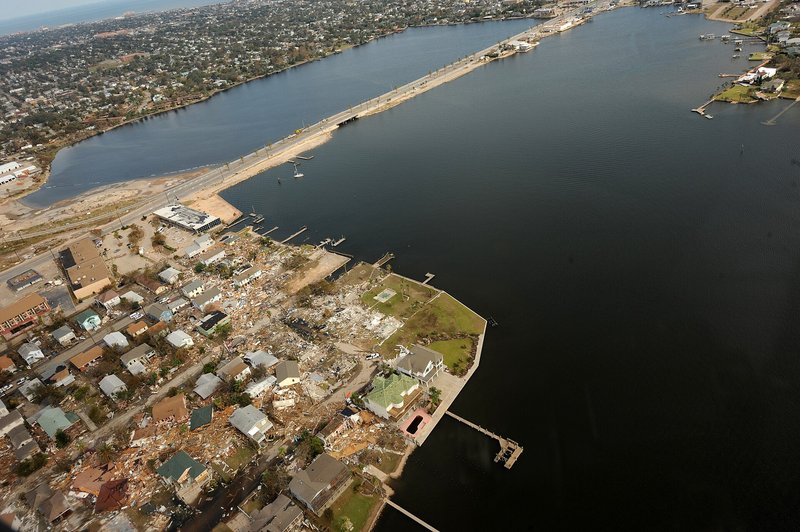
When Beryl came ashore in July 2024, Lake Jackson lost roofs, trees and power, and many homes sat hot and wet for days. Hurricanes, tropical rain and Gulf humidity make every leak here urgent. If water is inside, shut off the source, stay clear of wet outlets, take photos, and get drying started before mold does.
If water is still entering the property, focus on safety first. Stop the source if you can do so safely, keep away from electrical hazards, and call to discuss the situation and next steps.
Tell us what you are dealing with. For immediate help, call us.
Call (469) 548-7594, answered 24/7. Crews cover all of 77566, from SH 288 and SH 332 to the homes along Oyster Creek, for hurricane roof leaks, flood cleanup and mold across Lake Jackson, Clute and Freeport.
Right away. Wet attic insulation and ceilings in Gulf humidity can grow mold in 24 to 48 hours, and soaked drywall ceilings can fall without warning.
Often not. Many coastal policies exclude wind and hail, and owners buy windstorm coverage through TWIA. Check what your policy says before storm season.
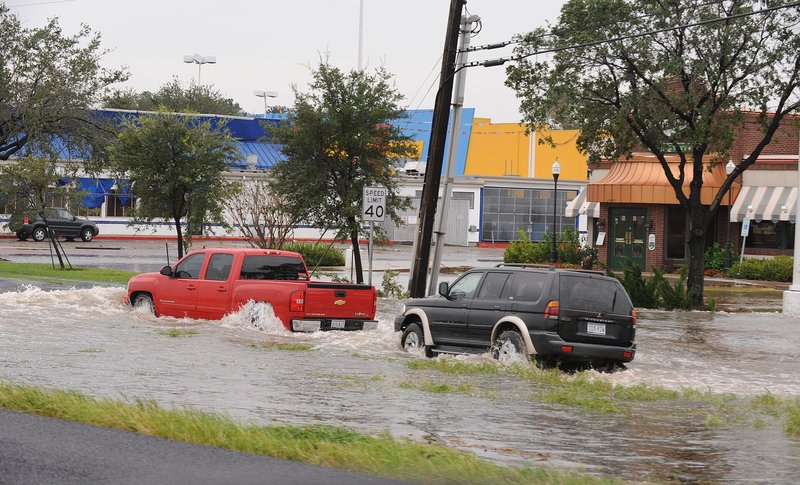
Homes near Oyster Creek and low drainage areas can take water in extreme rain. Most damage after hurricanes, though, comes from roofs and wind-driven rain.
Look for musty smells, spots on walls and ceilings, damp closets and soft drywall. Humidity alone can start mold when the AC is off.
What drives water damage here:
Hurricanes. Harvey in 2017 and Beryl in 2024 both hit Brazoria County. Wind lifts shingles and flashing, and the rain follows.
Tropical rain. Slow storms can drop many inches in a day on flat ground.
Humidity. Gulf air keeps homes damp, especially when power fails.
Mid-century plumbing. Many homes date from the 1950s to the 1980s, with aging cast iron drains and copper lines.
| Cause | What happens | Main risk |
|---|---|---|
| Hurricane wind | Roof decking, shingles and vents damaged | Rain into attic and ceilings |
| Tropical flooding | Water through doors and weep holes | Category 3 contamination |
| Long power outage | No AC in humid heat | Mold on walls, furniture and closets |
| Cast iron drain failure | Cracked lines under the slab | Sewage under floors, odors |
| Supply line or water heater | Sudden indoor leak | Wet walls, swollen floors |
Check for safety. Watch for downed lines, gas smells and sagging ceilings.
Tarp the roof if you can do it safely, or have it done.
Photograph everything before cleanup, inside and out.
Remove wet rugs and items from the floor and open the home to dry air if the AC is off.
Call for extraction and drying to stop mold.
We answer and learn the cause, the rooms and whether the roof is open.
A local crew is dispatched to your Lake Jackson address.
Moisture mapping of the attic, ceilings, walls and floors.
Extraction, removal and drying. Wet insulation and damaged drywall come out; the structure is dried and treated.
Repairs and records: photos and moisture logs for your windstorm, flood or homeowners claim.
See storm water damage and our hurricane water damage guide.
Estimated averages, not quotes. An inspection sets your price. See our cost guide.
| Job | Estimated range |
|---|---|
| Small leak caught early | A few hundred to about $1,500 |
| Hurricane roof leak into attic and ceilings | Roughly $2,000 to $8,000 |
| Mold cleanup after a power outage | Roughly $1,500 to $6,000 |
| Flood water through the first floor | Often $15,000 and up |
Often 3 to 7 days after wet insulation and drywall are removed. Humidity can stretch it, so readings decide.
It depends on your policies. If wind is excluded from your homeowners policy, a TWIA policy may respond. Flood water needs flood insurance.
Fans alone rarely dry insulation, ceiling cavities and wall bases. Moisture readings confirm when it is truly dry.
Call us now
(469) 548-7594